When to Get a Second Opinion for Dementia or Memory Problems

A second opinion can clarify whether memory changes are due to dementia, mild cognitive impairment, or another medical condition. It is especially useful when symptoms change quickly, the diagnosis is uncertain, or test results do not match daily functioning.
Key Takeaways
- A second opinion can clarify whether memory changes are due to dementia, mild cognitive impairment, or another medical condition.
- It is especially useful when symptoms change quickly, the diagnosis is uncertain, or test results do not match daily functioning.
- Many causes of memory problems, including medication effects, sleep disorders, depression, and vitamin deficiencies, may be treatable.
- A thorough second opinion often includes a medical history, cognitive testing, neurological examination, blood tests, and sometimes brain imaging.
- Seeking another expert view is a common and reasonable step for patients and families facing important long-term decisions.
A second opinion for dementia or memory problems can be helpful when symptoms are new, the diagnosis is uncertain, or treatment decisions feel unclear. Another specialist may confirm the first assessment, identify reversible causes, or suggest a more tailored care plan.
Overview
Memory problems are common, especially with aging, but not all memory changes mean dementia. Some people experience mild forgetfulness that is part of normal aging, while others develop symptoms that interfere with work, daily routines, safety, or relationships. Because the causes can vary widely, it may take time to reach the most accurate diagnosis.
A second opinion for dementia or memory problems gives patients and families another expert review of symptoms, test results, and possible explanations. This may confirm the original diagnosis, refine it, or reveal another condition that needs treatment. Seeking another opinion is not a sign of distrust. It is often a practical step when future care, medications, driving, finances, or living arrangements may be affected.
Dementia is not a single disease. It is a term for a group of symptoms involving memory, thinking, language, judgment, or behavior that interfere with daily life. Common forms include Alzheimer’s disease, vascular dementia, Lewy body dementia, and frontotemporal dementia. A careful evaluation is important because these conditions can overlap, and some problems that look like dementia may actually be reversible or manageable.
When a Second Opinion May Be Helpful
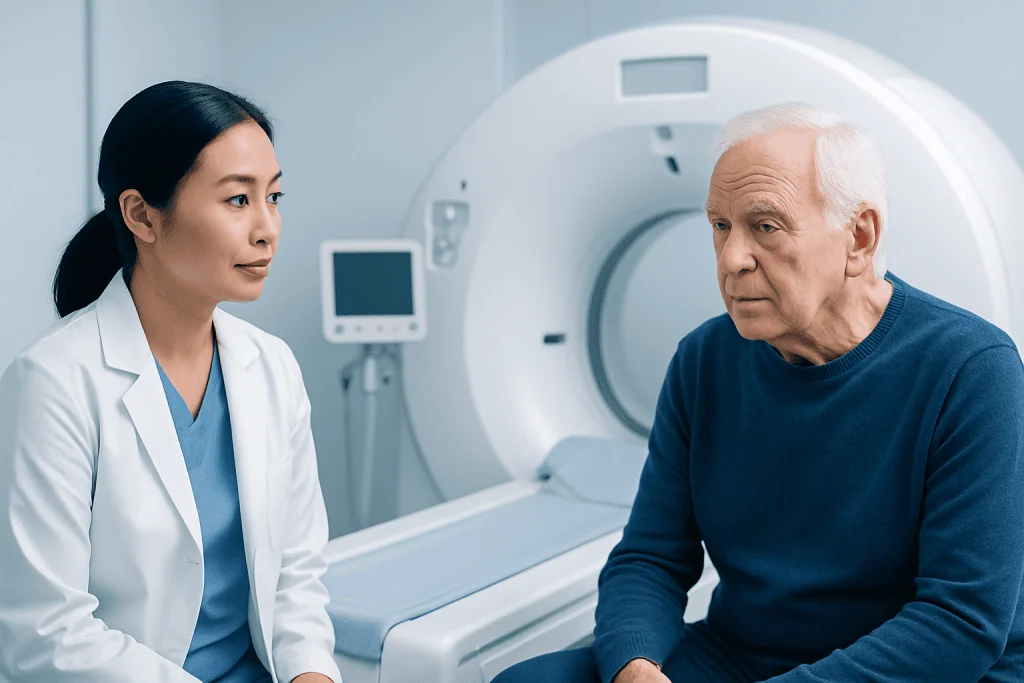
There are many situations when a second opinion may be worth considering. One common reason is uncertainty. A person may have been told they have dementia, but the symptoms seem mild, unusual, or not fully consistent with the diagnosis. In other cases, different doctors may have suggested different explanations, such as Alzheimer’s disease, depression, medication side effects, or Parkinson’s disease.
A second opinion may also help when symptoms are progressing quickly, beginning at a younger age than expected, or affecting language, movement, balance, or behavior more than memory. These patterns can point to conditions other than typical Alzheimer’s disease. Another evaluation can be especially useful if treatment is not helping as expected, or if test findings and day-to-day functioning do not seem to match.
Families often seek a second opinion before making major decisions. These may include starting long-term medications, stopping work, changing driving habits, moving to assisted living, or arranging legal and financial planning. For many people, the added clarity brings reassurance, whether the first diagnosis is confirmed or adjusted.
- The diagnosis is unclear or has changed over time
- Symptoms began suddenly or are worsening quickly
- The person is younger than typical for dementia
- Behavior, speech, or movement changes are prominent
- Current treatment has not improved symptoms
- The family wants more confidence before making major care decisions
Symptoms and Warning Signs That Deserve Closer Review

Not all memory concerns need urgent specialist review, but some patterns deserve careful attention. Examples include getting lost in familiar places, repeating the same questions often, struggling to manage medications or bills, forgetting important appointments, or having trouble following conversations and instructions. Changes in judgment, planning, language, or mood can also be important clues.
Behavioral symptoms may include withdrawal from social activities, unusual suspicion, irritability, apathy, impulsive decisions, or personality changes. Some people have visual hallucinations, sleep-related movements, slowed movement, tremor, or falls. These symptoms may suggest a dementia subtype that benefits from a more specialized assessment.
Families should also note symptoms that might point to a condition other than dementia. These can include abrupt confusion, fluctuating alertness, severe depression, sleep problems, alcohol misuse, recent head injury, or side effects after starting a new medicine. In these cases, a second opinion may help determine whether the problem is dementia, mild cognitive impairment, delirium, or another treatable medical issue.
Possible Causes and Why Diagnosis Can Be Complex
Memory and thinking changes can result from many causes. Dementia is one possibility, but not the only one. Conditions such as depression, anxiety, thyroid disorders, low vitamin B12, infections, poor sleep, hearing loss, medication interactions, alcohol misuse, and untreated pain can affect concentration and memory. In older adults, several of these factors may occur together.
Even when dementia is present, identifying the type matters. Alzheimer’s disease usually begins with short-term memory decline, while vascular dementia may be linked with stroke or blood vessel disease. Lewy body dementia may cause fluctuations in attention, hallucinations, and movement symptoms. Frontotemporal dementia often affects behavior or language earlier than memory. Because these patterns can overlap, diagnosis may not be straightforward at the first visit.
A second opinion can be valuable because it reviews the whole picture: symptom timeline, medical history, medications, family history, mood, sleep, and physical and neurological findings. The specialist may also consider whether another disorder, such as a brain tumor, <a href="https://acibademinternational.com/diseases/normal-pressure-hydrocephalus/”>normal pressure hydrocephalus, seizures, or a sleep disorder, could explain the symptoms. This can guide whether further testing such as brain MRI or electroencephalography (EEG) is appropriate.
What to Expect During a Second Opinion Evaluation
A second opinion usually starts with a detailed interview with both the patient and, when possible, a family member or trusted companion. The doctor will ask when the symptoms began, how they have changed, what daily tasks are becoming harder, and whether there have been changes in mood, sleep, walking, speech, or behavior. Bringing a written timeline can be very helpful.
The evaluation often includes a neurological examination and cognitive testing. These tests assess memory, attention, language, problem-solving, and visuospatial skills. Blood tests may be ordered to look for vitamin deficiencies, thyroid problems, infection, or other medical causes. If not already done, or if prior results are incomplete, the specialist may recommend neurological rehabilitation planning for functional support, or diagnostic tests such as imaging to better understand the cause.
Patients and families should bring previous clinic notes, hospital records, medication lists, brain scans, and laboratory results if available. This helps avoid repeating tests and allows the second specialist to compare findings over time. The goal is not simply to label the condition, but to understand what is causing symptoms and what support may help most.
In some cases, the second-opinion doctor may agree fully with the original assessment. This can still be very helpful, because it gives families greater confidence in the diagnosis and treatment plan. In other cases, the doctor may suggest additional testing, a different diagnosis, or closer follow-up before making conclusions.
Treatment Planning After a Second Opinion
Treatment depends on the underlying cause. If symptoms are related to depression, medication side effects, sleep apnea, thyroid disease, vitamin deficiency, or another reversible issue, treating that problem may improve memory and daily function. If dementia is confirmed, care usually focuses on symptom management, safety, independence, and quality of life.
Depending on the diagnosis, treatment may include medications for cognition or behavior, physical activity, structured routines, hearing or vision correction, sleep management, and support for caregivers. Occupational therapy, speech therapy, and memory strategies may also be useful. Some people benefit from a formal rehabilitation or support plan to maintain function for as long as possible.
A second opinion can also help families understand what to expect next. Doctors may discuss how quickly symptoms are likely to change, when driving should be reassessed, and what home adjustments may improve safety. If the diagnosis is still uncertain, a period of observation with repeat cognitive testing may provide a clearer picture over time.
Near the end of the evaluation process, some families choose centers with multidisciplinary expertise. Acibadem International’s multidisciplinary specialists and JCI-accredited hospitals diagnose and treat neurological conditions for international patients, which may be helpful when coordinated assessment across specialties is needed.
Self-care, Family Support, and How to Prepare
Whether or not dementia is confirmed, practical support makes a difference. Patients benefit from regular sleep, physical activity, balanced meals, social engagement, medication review, and management of hearing or vision problems. Keeping a calendar, using reminders, and simplifying routines can reduce stress and improve daily function.
Families can help by documenting examples of memory or behavior changes without judgment. Short notes about missed appointments, confusion while driving, repeated questions, sleep problems, or changes in finances can give the doctor useful information. It is also important to notice strengths, such as tasks the person still manages well, because this helps create a balanced care plan.
Preparing questions before the appointment can make the second opinion more productive. Helpful questions include: What is the most likely cause of these symptoms? Are there treatable or reversible factors? What tests are still needed? Is it safe to drive? What changes at home would improve safety? When should follow-up be scheduled? Clear answers can help families feel more informed and less overwhelmed.
When to Seek Medical Attention Promptly
Some symptoms need prompt medical evaluation rather than a routine second opinion appointment. Sudden confusion, new weakness, trouble speaking, severe headache, fainting, seizures, or abrupt personality change may signal stroke, infection, medication toxicity, or another urgent medical problem. In these cases, emergency care is more appropriate than waiting for an outpatient consultation.
Urgent review is also important if the person is wandering, falling often, becoming unsafe with cooking or medications, seeing things that are not there, or showing severe agitation, suspiciousness, or depression. Safety concerns for the patient or others should always be taken seriously. Families should contact a doctor quickly if there is rapid decline over days to weeks.
For non-emergency concerns, a specialist in geriatrics, neurology, geriatric psychiatry, or memory disorders can provide a second opinion. Bringing previous records and a trusted companion can make the visit more effective. A careful, respectful reassessment often helps patients and families move forward with greater confidence.
Frequently asked questions
Is it normal to seek a second opinion for dementia?
Yes. A second opinion is a common and reasonable step when a diagnosis may affect long-term treatment, safety, or major life decisions. It can confirm the first assessment or identify other possible causes of memory problems.
Can memory problems be caused by something other than dementia?
Yes. Depression, medication side effects, sleep disorders, thyroid problems, vitamin deficiencies, hearing loss, and other medical issues can affect memory and concentration. Some of these causes are treatable, which is one reason a careful evaluation is so important.
Who should provide a second opinion for memory loss?
A neurologist, geriatrician, geriatric psychiatrist, or memory disorder specialist may be appropriate, depending on the symptoms. The best choice often depends on whether the main concerns involve memory, behavior, mood, movement, or overall aging-related health.
What should a patient bring to a second opinion appointment?
It helps to bring previous test results, brain scan reports, medication lists, clinic notes, and a written timeline of symptoms. A family member or close friend can also provide valuable examples of day-to-day changes that the patient may not notice.
Will a second opinion mean all tests need to be repeated?
Not always. If prior records are complete and recent, the second doctor may be able to review them without repeating every test. However, additional testing may be suggested if important information is missing or if symptoms have changed.
When should memory problems be treated as urgent?
Sudden confusion, new difficulty speaking, weakness, seizures, severe headache, or rapid decline over days should be evaluated urgently. These symptoms may point to stroke, infection, medication effects, or other conditions that need prompt care.
References
- World Health Organization
- National Institute on Aging
- Alzheimer's Association
- Centers for Disease Control and Prevention
- American Academy of Neurology
This article is for general information only and is not a substitute for professional medical advice. Please consult a qualified doctor about your individual situation.
Dementia in Turkey — costs, top hospitals & a free quote
JCI-accredited · board-certified surgeons · reply within 24h
Add us as a Preferred Source to see more of our trusted health content across Google Search, AI Overviews and Discover.

Neurology
Diagnosis and treatment of disorders of the brain, spinal cord, nerves and muscles.
51 specialists in this unit