When to Get a Second Opinion for Recurrent or Unclear Infections

A second opinion can be useful when infections keep coming back, do not improve as expected, or remain undiagnosed. It may help confirm the diagnosis, uncover an underlying condition, or rule out non-infectious causes.
Key Takeaways
- A second opinion can be useful when infections keep coming back, do not improve as expected, or remain undiagnosed.
- It may help confirm the diagnosis, uncover an underlying condition, or rule out non-infectious causes.
- Specialist review often includes a careful history, repeat testing only when needed, and a review of previous antibiotics and cultures.
- Urgent medical attention is important if symptoms are severe, rapidly worsening, or associated with breathing problems, confusion, or dehydration.
- Keeping records of symptoms, test results, imaging, and treatments can make a second opinion more effective.
Repeated infections or symptoms that do not fit a clear diagnosis can be frustrating and disruptive. A second opinion can help clarify the cause, confirm whether treatment is appropriate, and identify the next best steps for care.
Overview
A second opinion for recurrent or unclear infections means asking another qualified clinician—often an infectious diseases specialist—to review symptoms, past test results, imaging, and treatment history. This step can be helpful when infections seem to return repeatedly, symptoms linger despite treatment, or doctors are uncertain whether an infection is truly present.
Many conditions can mimic infection, including autoimmune disease, inflammatory disorders, allergies, medication reactions, and some cancers. In other cases, a true infection may be present, but the source may be difficult to identify, the organism may be resistant to treatment, or an underlying issue such as diabetes or an immune problem may be increasing the risk.
Seeking a second opinion is not a sign of mistrust. It is a practical way to get more clarity, especially when treatment decisions are complex or symptoms are affecting daily life. A fresh review may support the original plan or suggest different testing, a new diagnosis, or a more targeted treatment approach.
Signs a Second Opinion May Be Helpful
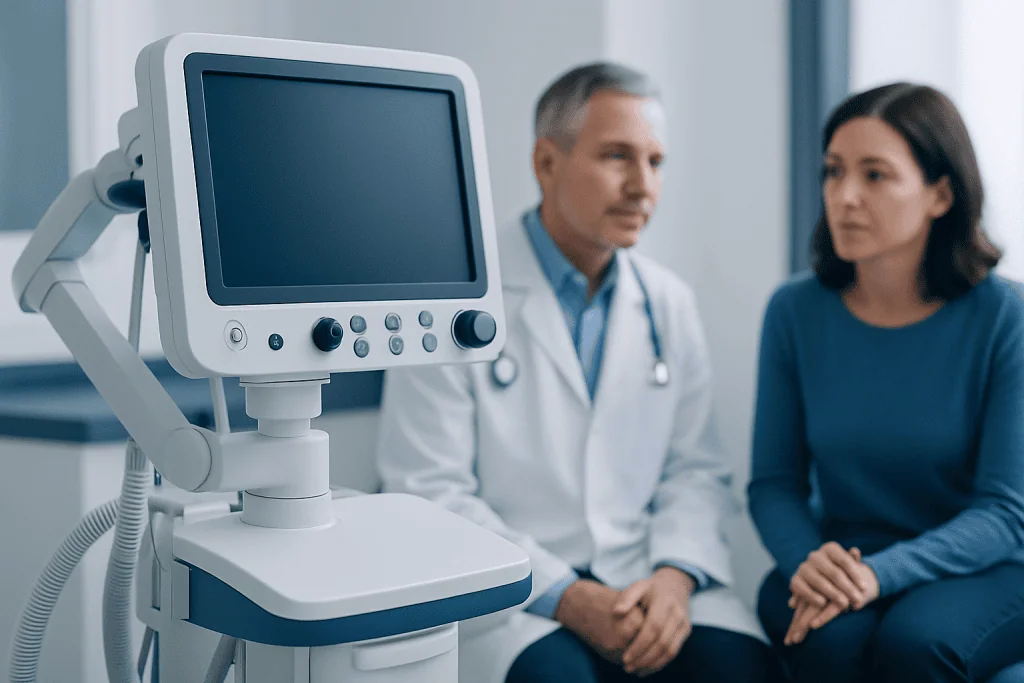
Some infections are straightforward and improve with standard care. Others are more complicated. A second opinion may be worth considering if symptoms keep returning after treatment, different doctors have offered different explanations, or test results do not match how the person feels.
It can also help when antibiotics have been used several times without clear benefit, when side effects are becoming a concern, or when imaging and cultures have not identified a source. For example, repeated urinary, sinus, skin, lung, or gastrointestinal infections may need a broader review of possible triggers and contributing conditions.
- Symptoms return soon after finishing treatment
- The diagnosis remains uncertain after several visits
- Tests are normal, but symptoms continue
- Multiple courses of antibiotics have not solved the problem
- The infection is unusual, severe, or caused by a resistant organism
- There may be an underlying immune, lung, kidney, or metabolic condition
A second opinion may also be especially valuable for people with complex medical histories, frequent hospitalizations, implanted medical devices, or a weakened immune system. In these situations, a detailed specialist review can help bring together many pieces of information that may otherwise seem unrelated.
Why Infections Can Be Recurrent or Hard to Diagnose

There are several reasons infections may keep coming back. Sometimes the initial infection was not fully cleared, or the organism causing it was not sensitive to the chosen medication. In other cases, the infection is new each time, but an underlying issue makes the person more vulnerable.
Examples include structural problems, such as kidney stones or sinus blockage, chronic lung disease, poorly controlled diabetes, skin barrier problems, or a weakened immune system. Certain medications, including steroids or treatments that suppress immunity, can also increase infection risk. Previous antibiotic exposure may change the body’s normal bacteria and make future infections more difficult to manage.
Not all recurring symptoms are caused by infection. Fever, fatigue, pain, cough, bowel changes, urinary symptoms, or rashes can also be related to inflammatory conditions or other illnesses. This is one reason a second opinion may be useful: it may broaden the evaluation beyond infection alone when needed.
When symptoms affect the lungs, doctors may also need to consider conditions such as pneumonia or non-infectious respiratory disease. If repeated infections involve the urinary tract, skin, digestive system, or bloodstream, the evaluation may include looking for an anatomical source, biofilm on a device, or another hidden cause.
What to Expect During a Second Opinion Evaluation
A second-opinion visit usually begins with a detailed discussion of symptoms over time. The clinician may ask when the problem began, how often symptoms return, what treatments have been tried, whether there has been travel or exposure to sick contacts, and whether there are other conditions such as diabetes, kidney disease, chronic lung disease, or autoimmune disorders.
Reviewing prior records is very important. Culture reports, blood tests, imaging studies, hospital discharge notes, pathology results, and a list of all past antibiotics can help avoid repeating tests unnecessarily. A timeline of symptoms and treatments is often one of the most useful tools a patient can bring.
The goal is not simply to order more tests. Instead, the specialist tries to answer key questions: Is this truly an infection? If so, what type? Where is it located? Why is it happening repeatedly? Is there an untreated source, an unusual organism, resistance, or an immune-related issue?
Depending on the situation, a person may be referred for further evaluation in other specialties as well. For example, repeated chest infections may lead to bronchoscopy to inspect the airways or collect samples, while unclear internal findings may sometimes require biopsy if a non-infectious cause is suspected.
Tests That May Help Clarify the Diagnosis
Testing depends on the symptoms and previous findings. Common options include blood work, urine testing, swabs, sputum cultures, stool tests, or repeat cultures taken before antibiotics are started. In some cases, doctors may check inflammatory markers or evaluate immune function, especially when infections are frequent or unusually severe.
Imaging can be important if there is concern about an abscess, obstruction, chronic sinus disease, recurrent pneumonia, bone infection, or infection related to a device or joint. Ultrasound, X-ray, CT, or MRI may be used depending on the area involved. The value of imaging is often highest when symptoms point to a specific body system.
Specialized tests may be needed in selected cases, such as testing for tuberculosis, fungal infections, sexually transmitted infections, or parasitic disease. If digestive symptoms are persistent or there is concern about another explanation, doctors may sometimes use endoscopy to look directly at the digestive tract and obtain samples.
Because overtesting can create confusion, the best second-opinion assessments focus on targeted testing based on the history, examination, and prior results. Repeat tests are most useful when the earlier information was incomplete, taken at the wrong time, or difficult to interpret.
Treatment Options After a Second Opinion
The treatment plan depends on what the second opinion finds. Sometimes the recommendation is to continue the original treatment because it remains appropriate. In other cases, the diagnosis may change, leading to a different antibiotic, a longer or shorter treatment duration, drainage of a collection, treatment of an underlying condition, or stopping antibiotics if infection is unlikely.
When a true infection is confirmed, targeted treatment is preferred whenever possible. This means choosing therapy based on cultures, likely organisms, infection site, and the person’s medical history. If resistance is a concern, antibiotic selection may need specialist guidance. If the source is structural—such as a blocked sinus, infected stone, or infected device—treating the source is often just as important as using medication.
If an underlying immune, hormonal, or metabolic problem is contributing, treating that condition can reduce recurrence. In some people, supportive measures such as better hydration, airway clearance, wound care, blood sugar control, or vaccination may be part of the plan. The aim is not only to treat the current episode, but also to reduce the chance of future episodes.
Near the end of the care pathway, some patients seek coordinated review from multiple specialists. Acibadem International’s multidisciplinary teams in JCI-accredited hospitals diagnose and treat complex infectious problems for international patients when broader evaluation is needed.
Self-care, Prevention, and Preparing for the Visit
Good self-care does not replace medical evaluation, but it can support recovery and help reduce future infections. General steps include finishing prescribed treatment exactly as directed, avoiding leftover or unprescribed antibiotics, staying well hydrated, getting enough rest, and following advice for wound, skin, sinus, or respiratory care when relevant.
Managing long-term conditions is also important. Better control of diabetes, asthma, chronic lung disease, eczema, or kidney problems may lower infection risk. Vaccination, hand hygiene, smoking cessation, good dental care, and safe food practices are simple measures that can make a difference for many people.
Before a second-opinion appointment, it helps to gather:
- A list of symptoms and when they occur
- Past culture results and laboratory reports
- Imaging reports and discharge summaries
- A list of antibiotics and other treatments already tried
- Information about allergies, travel, medical devices, and other health conditions
Patients should also prepare questions. Helpful examples include: What is the most likely diagnosis? Could this be something other than infection? Do I need more tests? Is there a reason the infection keeps returning? What can I do to prevent it from happening again?
When to See a Doctor Urgently
Repeated or unclear infections should be discussed with a doctor, but some symptoms need urgent care rather than a routine second opinion. Immediate medical attention is important if there is difficulty breathing, chest pain, confusion, severe weakness, dehydration, persistent vomiting, a high fever with serious illness, or rapidly worsening symptoms.
Urgent assessment is also needed for signs of sepsis or serious localized infection, such as spreading redness, severe pain, new swelling, bluish skin color, reduced urination, or reduced alertness. People with weakened immune systems, recent surgery, chemotherapy, organ transplantation, or implanted devices should seek advice promptly if infection is suspected.
Even when symptoms are not an emergency, a review should not be delayed if a person is losing weight unintentionally, having night sweats, coughing for weeks, passing blood, or experiencing repeated infections over a short period. These patterns do not always mean something serious, but they do deserve careful evaluation.
A timely second opinion can provide reassurance when the original plan is correct, or it can uncover important new information. Either way, the goal is a clearer diagnosis and a treatment plan that fits the person’s symptoms and overall health.
Frequently asked questions
When should someone get a second opinion for recurrent or unclear infections?
A second opinion may help when symptoms keep coming back, treatment is not working as expected, or the diagnosis remains uncertain. It is also reasonable when different doctors have given different explanations or when repeated antibiotics have not clearly helped.
Does getting a second opinion mean the first doctor was wrong?
Not at all. A second opinion is often a normal part of care for complex or persistent health problems. It can confirm the original diagnosis and plan, or it may offer a new perspective based on a detailed review.
What kind of specialist is best for a second opinion on infections?
An infectious diseases specialist is often the most appropriate choice, especially for persistent, unusual, or treatment-resistant infections. Depending on symptoms, other specialists such as pulmonologists, urologists, ENT specialists, dermatologists, or immunologists may also be involved.
What should a patient bring to a second-opinion appointment?
It helps to bring previous test results, imaging reports, culture results, a medication list, and a timeline of symptoms. Details about travel, allergies, other medical conditions, and any past hospital stays can also make the assessment more accurate.
Can repeated infections be caused by something other than germs?
Yes. Some symptoms that seem infectious can actually be caused by inflammation, autoimmune disease, allergies, medication reactions, or structural problems in the body. This is one reason a careful second opinion can be valuable.
Will a second opinion always lead to more tests?
Not necessarily. In many cases, the most useful step is a careful review of existing records rather than repeating tests. New tests are usually recommended only if they are likely to answer a specific question or change treatment.
References
- World Health Organization
- Centers for Disease Control and Prevention
- National Institute of Allergy and Infectious Diseases
- European Centre for Disease Prevention and Control
- Infectious Diseases Society of America
This article is for general information only and is not a substitute for professional medical advice. Please consult a qualified doctor about your individual situation.
Explore treatments in Turkey — costs, top hospitals & a free quote
JCI-accredited · board-certified surgeons · reply within 24h
Add us as a Preferred Source to see more of our trusted health content across Google Search, AI Overviews and Discover.