When to See a Memory Loss Specialist

Mild forgetfulness is common, but memory loss that disrupts daily life should be evaluated. A memory loss specialist can assess thinking, behavior, mood, and physical health to find possible causes.
Key Takeaways
- Mild forgetfulness is common, but memory loss that disrupts daily life should be evaluated.
- A memory loss specialist can assess thinking, behavior, mood, and physical health to find possible causes.
- Some memory problems are reversible, including those linked to medication effects, sleep disorders, vitamin deficiencies, or depression.
- Early evaluation can help with treatment planning, safety, and support for the patient and family.
- Urgent care is important if confusion appears suddenly, especially after a fall, infection, or medication change.
Occasional forgetfulness can be a normal part of aging, but persistent or worsening memory problems may need medical attention. Knowing when to see a memory loss specialist can help identify treatable causes, support earlier care, and bring reassurance to patients and families.
Overview
Many people notice changes in memory with age. Misplacing keys, forgetting a name for a moment, or needing reminders for appointments can happen from time to time. In many cases, these lapses are mild and do not interfere with independent living. However, memory loss that becomes more frequent, more noticeable, or harder to explain may deserve closer attention.
The question of when to see a memory loss specialist often comes up when family members observe changes before the person does. A specialist may be a neurologist, geriatrician, psychiatrist, or another clinician with training in cognitive disorders. Their role is to look beyond forgetfulness alone and assess thinking, language, judgment, mood, daily function, and medical factors that might be contributing.
Evaluation is important because memory changes do not always mean dementia. Problems with sleep, thyroid function, vitamin deficiency, medication side effects, anxiety, depression, hearing loss, and infections can affect concentration and recall. A careful assessment can help distinguish normal aging from mild cognitive impairment or a disease process such as Alzheimer’s disease.
Symptoms That Suggest a Specialist Visit
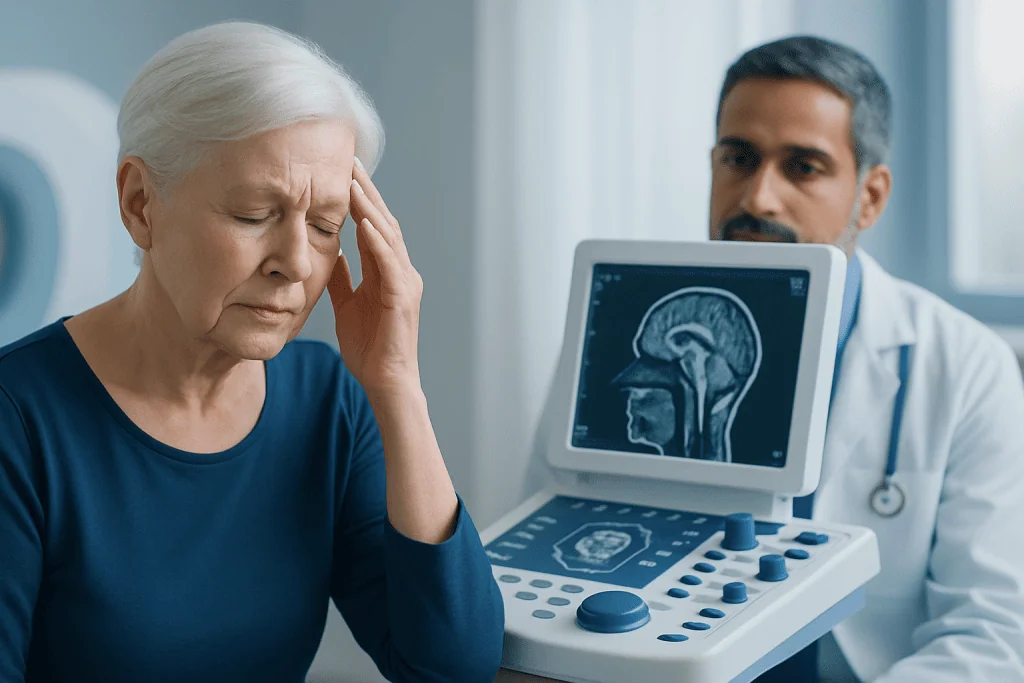
A specialist visit is worth considering when memory problems begin to affect daily life. Examples include repeatedly asking the same questions, getting lost in familiar places, missing bills or medications, struggling to follow conversations, or forgetting recent events in a way that others notice. These changes are more concerning than occasional lapses that can be corrected with a reminder.
Other signs can involve more than memory alone. Difficulty finding common words, trouble planning steps in a familiar task, poor judgment with money or safety, confusion about dates, and noticeable changes in personality can all point to a cognitive problem. Some people withdraw from hobbies or social activities because keeping up becomes harder.
Warning signs often include:
- Memory loss that disrupts work, home responsibilities, or social life
- Repeated confusion about time, place, or familiar routines
- Difficulty managing finances, medicines, or appointments
- Problems with speech, reading, or understanding instructions
- Changes in mood, motivation, or behavior without a clear reason
- Safety concerns such as wandering, falls, or leaving the stove on
If symptoms seem to be worsening over weeks or months, an earlier evaluation can be especially helpful. Families do not need to wait until problems are severe. Assessing concerns sooner may lead to treatment of reversible causes and better planning for the future.
Common Causes and Risk Factors

Memory loss has many possible causes. Some are temporary or treatable, while others are related to progressive brain disorders. Common reversible contributors include stress, depression, poor sleep, vitamin B12 deficiency, thyroid disease, dehydration, alcohol misuse, medication side effects, and untreated hearing or vision problems. In older adults, even a urinary or respiratory infection may lead to sudden confusion.
Progressive memory disorders include mild cognitive impairment and different types of dementia. These may be related to neurodegenerative disease, blood vessel changes in the brain, Parkinsonian conditions, or less common neurological illnesses. Not every person with memory concerns has dementia, and not all dementias begin with obvious forgetfulness.
Risk tends to rise with increasing age, but age alone does not explain all change. Family history, high blood pressure, diabetes, high cholesterol, smoking, stroke, head injury, inactivity, and social isolation may increase the likelihood of cognitive decline. A history of stroke or repeated mini-strokes can also affect memory and executive function.
Because causes are varied, it is important not to self-diagnose. What appears to be a memory disorder may actually reflect a mood problem, sleep apnea, chronic illness, or the effects of multiple medications. A specialist can help sort out these possibilities in a structured way.
How a Memory Loss Specialist Makes a Diagnosis
A memory evaluation usually begins with a detailed medical history. The specialist asks when symptoms started, how they have changed over time, and whether they affect work, driving, household tasks, or self-care. Input from a family member or trusted companion can be very valuable, because they may notice patterns the patient does not recognize.
The visit often includes a physical and neurological examination, a review of medications, and short cognitive tests that assess memory, attention, language, and problem-solving. These screening tools do not provide the full answer by themselves, but they help identify the areas most affected and guide next steps.
Blood tests may be used to look for treatable medical causes such as thyroid problems, vitamin deficiencies, or infection. Depending on the situation, the doctor may recommend brain MRI or another form of imaging to check for stroke, bleeding, hydrocephalus, tumors, or patterns of brain atrophy. In some cases, more detailed neurological evaluation and formal neuropsychological testing are useful to clarify the diagnosis.
The goal of diagnosis is not just to label a condition. It is to understand why symptoms are happening, how they may progress, and what can be done next. A clear diagnosis can guide treatment, support services, safety planning, and communication within the family.
Treatment and Support Options
Treatment depends on the cause of memory loss. If symptoms are linked to medication side effects, sleep disorders, depression, hearing loss, vitamin deficiency, or another medical issue, addressing that problem may improve thinking. When a progressive disorder is diagnosed, treatment may focus on slowing symptom progression, maintaining independence, and supporting quality of life.
Care plans often include a combination of medication review, management of blood pressure and diabetes, exercise, sleep improvement, hearing support, and cognitive strategies such as calendars, labeled storage, and reminder systems. Some patients may benefit from referral for brain and nerve check-up services or structured rehabilitation approaches that support memory and daily skills.
Family education is an important part of treatment. Loved ones may need guidance on communication, home safety, driving concerns, legal planning, and caregiver stress. Community resources, counseling, and support groups can help families cope with practical and emotional challenges.
For international patients seeking evaluation, Acibadem International’s multidisciplinary specialists and JCI-accredited hospitals provide diagnosis and treatment for memory disorders using coordinated neurological, geriatric, and imaging services.
Prevention and Self-care
Not all memory loss can be prevented, but healthy habits can support brain health at every age. Regular physical activity, good sleep, social engagement, and a balanced diet are all associated with better cognitive function. Managing hearing problems and staying mentally active may also help people remain independent longer.
Self-care is also practical. Keeping a list of medications, using a weekly pill organizer, writing down appointments, and maintaining routines can reduce stress and make mild forgetfulness easier to manage. Family members can help by simplifying choices, speaking clearly, and offering reminders without criticism.
Helpful brain-health habits include:
- Controlling blood pressure, diabetes, and cholesterol
- Getting regular exercise and adequate sleep
- Limiting alcohol and avoiding smoking
- Staying socially and mentally engaged
- Treating hearing or vision problems promptly
- Reviewing medicines regularly with a doctor or pharmacist
If memory concerns are already present, it helps to keep a symptom diary. Noting when problems occur, what seems to trigger them, and whether they are getting worse can give the doctor useful information at the appointment.
When to See a Doctor Urgently
Some memory or confusion symptoms need prompt medical attention rather than a routine specialist appointment. Sudden confusion, abrupt trouble speaking, weakness on one side, severe headache, fainting, or sudden vision changes can be signs of a medical emergency. These symptoms may suggest stroke, infection, head injury, or another urgent condition and should be assessed immediately.
Urgent evaluation is also important if confusion appears soon after a fall, a new medication, alcohol or substance use, dehydration, or signs of infection such as fever. Rapid changes are less typical of gradual age-related memory decline and often point to a problem that requires quick treatment.
For non-urgent concerns, it is reasonable to book a memory specialist visit if symptoms persist, progress, or raise safety concerns. Bringing a list of medications, prior medical conditions, and examples of memory changes can make the visit more productive. Early medical advice can bring clarity, reassurance, and a practical plan for next steps.
Frequently asked questions
What kind of doctor is a memory loss specialist?
A memory loss specialist may be a neurologist, geriatrician, psychiatrist, or another doctor with training in cognitive disorders. The exact specialist can vary, but the main goal is to evaluate memory, thinking, behavior, and possible medical causes in a comprehensive way.
Is occasional forgetfulness normal with age?
Yes, mild forgetfulness can be part of normal aging, such as misplacing items or briefly forgetting a word. It becomes more concerning when it is frequent, worsening, or affects daily tasks, safety, or independence.
Does memory loss always mean dementia?
No, memory loss does not always mean dementia. Sleep problems, depression, anxiety, medication side effects, vitamin deficiencies, thyroid disease, and infections can also affect memory and concentration.
How should someone prepare for a memory evaluation?
It helps to bring a list of current medicines, medical history, and notes about when symptoms started and how they affect daily life. A family member or close friend can also attend, because they may notice changes or examples that are useful for the doctor.
What tests are commonly done for memory problems?
Doctors often use a combination of medical history, physical and neurological examination, and short cognitive screening tests. Blood tests and brain imaging may also be recommended to look for treatable causes or structural changes in the brain.
When is memory loss an emergency?
Memory loss or confusion is an emergency when it appears suddenly or comes with symptoms like weakness, trouble speaking, severe headache, fever, or a recent fall. These signs can point to urgent medical conditions that need immediate care.
References
- World Health Organization
- National Institute on Aging
- Alzheimer's Association
- American Academy of Neurology
- Centers for Disease Control and Prevention
This article is for general information only and is not a substitute for professional medical advice. Please consult a qualified doctor about your individual situation.
Explore treatments in Turkey — costs, top hospitals & a free quote
JCI-accredited · board-certified surgeons · reply within 24h
Add us as a Preferred Source to see more of our trusted health content across Google Search, AI Overviews and Discover.
Check your numbers in seconds
BMI, calories, due date, blood pressure and 30+ more clinical calculators — free, instant, doctor-reviewed ranges.