

When to See an OB-GYN Instead of a Primary Care Doctor

Primary care doctors treat many general health concerns, but OB-GYNs focus on reproductive and gynecologic health. Irregular periods, pelvic pain, unusual bleeding, vaginal symptoms, and breast changes often warrant an OB-GYN visit.
Key Takeaways
- Primary care doctors treat many general health concerns, but OB-GYNs focus on reproductive and gynecologic health.
- Irregular periods, pelvic pain, unusual bleeding, vaginal symptoms, and breast changes often warrant an OB-GYN visit.
- Pregnancy planning, prenatal care, fertility concerns, and menopause-related symptoms are common reasons to see an OB-GYN.
- Some issues can be managed by either doctor, and many patients benefit from coordinated care between both specialists.
- Urgent symptoms such as severe pain, heavy bleeding, or symptoms during pregnancy should be assessed promptly.
A primary care doctor can manage many everyday health needs, but some concerns are best evaluated by an obstetrician-gynecologist (OB-GYN). Knowing when to see an OB-GYN instead of a primary care doctor can help a person get the right care for menstrual, pelvic, pregnancy, and reproductive health issues.
Overview: Primary Care vs OB-GYN
A primary care doctor is often the first point of contact for routine healthcare. This clinician may diagnose and treat common illnesses, manage chronic conditions such as high blood pressure or diabetes, provide preventive screenings, and help coordinate referrals to specialists when needed. For many women, primary care doctors also address basic concerns such as contraception counseling, urinary symptoms, or general wellness questions.
An obstetrician-gynecologist, or OB-GYN, is a doctor with specialized training in the female reproductive system, pregnancy, childbirth, and gynecologic conditions. OB-GYNs evaluate concerns involving the uterus, ovaries, cervix, vagina, breasts, hormones, fertility, and menopause. They also perform procedures and tests that may not be available in a general primary care setting.
In practice, there is some overlap. A primary care doctor may be able to handle routine screening, simple infections, or birth control management, while an OB-GYN can also support preventive care related to reproductive health. The difference is that an OB-GYN is usually the better choice when symptoms are persistent, complex, related to pregnancy, or involve the reproductive organs.
Knowing when to see an OB-GYN instead of a primary care doctor does not mean choosing one doctor over the other forever. Many people benefit from having both: a primary care doctor for overall health and an OB-GYN for specialized women’s health care.
Symptoms That Are Best Evaluated by an OB-GYN
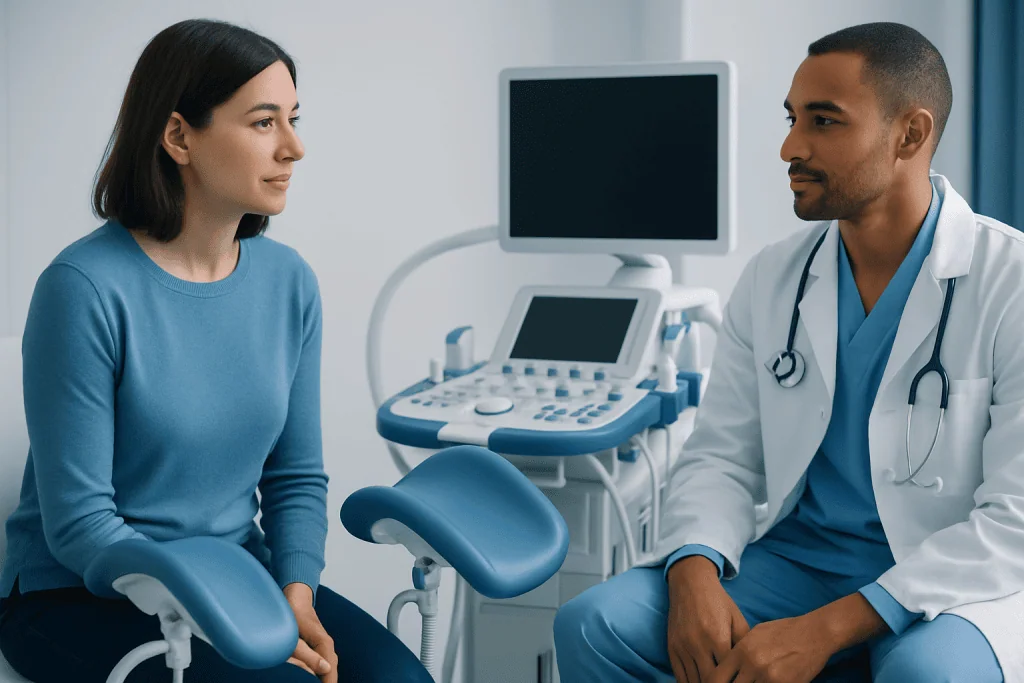
Certain symptoms are more likely to need an OB-GYN’s expertise. Menstrual problems are a common example. Periods that are very painful, unusually heavy, absent, irregular, or associated with bleeding between periods should be assessed, especially if the pattern is new or interfering with daily life.
Pelvic or lower abdominal pain is another important reason to consider an OB-GYN visit. While pain in this area can come from the bladder, bowel, or muscles, it may also be linked to conditions such as ovarian cysts, fibroids, endometriosis, pelvic inflammatory disease, or other gynecologic concerns. Pain during sex can also deserve specialist evaluation.
Changes involving the vagina or vulva may need gynecologic care as well. These include unusual discharge, persistent itching, burning, sores, dryness, unpleasant odor, or discomfort. Some causes are minor and easily treated, but others require an examination, testing, or targeted treatment.
Breast symptoms can also prompt a visit, depending on the situation. A new lump, nipple discharge, skin changes, or ongoing breast pain should be discussed with a doctor. In some healthcare systems, these concerns may be evaluated first by primary care, but an OB-GYN is also commonly involved in breast examinations and referral for imaging when appropriate.
Pregnancy, Fertility, and Reproductive Life Stages
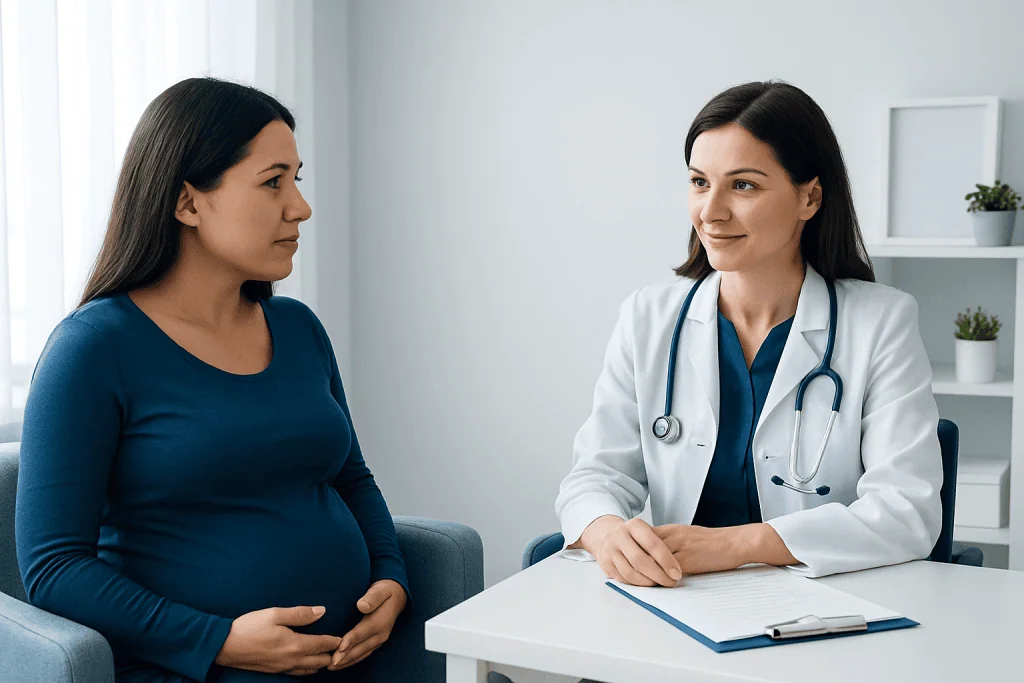
An OB-GYN is usually the right specialist for pregnancy-related care. This includes preconception counseling, early pregnancy confirmation, prenatal visits, monitoring of pregnancy symptoms, and postpartum follow-up. Anyone who is pregnant or planning pregnancy can benefit from tailored guidance on nutrition, medications, supplements, and health conditions that may affect pregnancy.
Fertility concerns are another common reason to see an OB-GYN. A specialist may begin an evaluation if pregnancy has not occurred after a reasonable period of trying, or sooner if there are known concerns such as irregular ovulation, prior pelvic infections, endometriosis, or age-related fertility questions. Depending on the findings, the person may be referred for advanced fertility treatment such as IVF.
OB-GYN care is also important at different reproductive life stages. Adolescents may need evaluation for very painful periods, delayed menstruation, or menstrual cycles that remain highly irregular. Adults may seek counseling about contraception, sexually transmitted infection testing, family planning, or symptoms linked to hormone changes.
Perimenopause and menopause are additional times when an OB-GYN can be especially helpful. Concerns such as hot flashes, sleep disturbance, mood changes, vaginal dryness, painful sex, and unexpected bleeding after periods have stopped often benefit from focused assessment and individualized treatment options. Where symptoms are complex or severe, some people may benefit from specialized support through menopause treatment.
Conditions and Problems an OB-GYN Commonly Treats
OB-GYNs diagnose and manage a wide range of gynecologic conditions. These include uterine fibroids, ovarian cysts, abnormal uterine bleeding, infections, menopause-related changes, pelvic organ prolapse, and disorders of the cervix. They also evaluate screening abnormalities, such as an abnormal cervical cancer screening result, and determine what follow-up is needed.
Some symptoms that seem general at first may actually reflect a gynecologic cause. Bloating, pressure, urinary frequency, constipation, and fatigue can sometimes be related to fibroids, ovarian masses, hormonal changes, or chronic pelvic conditions. When these symptoms occur together with menstrual changes or pelvic discomfort, OB-GYN input may be particularly valuable.
Patients with known conditions often continue their care with an OB-GYN over time. For example, people with recurrent cysts, severe menstrual pain, or suspected polycystic ovary syndrome (PCOS) may need ongoing monitoring and treatment. Management may involve imaging, hormone evaluation, medication, procedures, or lifestyle guidance depending on the diagnosis.
When surgery is needed, an OB-GYN can also explain appropriate options. Depending on the condition, care may include office procedures, minimally invasive techniques, or operations such as hysterectomy or treatment for ovarian cysts and fibroids. The aim is to choose the least invasive and most effective option for the individual’s needs, symptoms, age, and reproductive plans.
What a Primary Care Doctor Can Still Help With
Primary care doctors remain essential to overall health. They are often well placed to treat colds, high cholesterol, blood pressure problems, thyroid disease, mental health concerns, digestive symptoms, and many other issues that affect the whole body. They may also address preventive care such as vaccines, diabetes screening, and routine health counseling.
Some women’s health concerns can reasonably start in primary care, especially if the symptoms are mild or the cause is not clear. For example, a primary care doctor may evaluate urinary tract infection symptoms, discuss contraception basics, order pregnancy tests, perform some screening exams, or check for common causes of fatigue and weight change.
Primary care is also important because not every pelvic or lower abdominal symptom comes from the reproductive system. Problems involving the bladder, kidneys, bowel, or muscles can sometimes mimic gynecologic conditions. A general doctor can help sort through possibilities and refer to the most appropriate specialist when needed.
In many cases, the best care is shared care. A person with diabetes who is planning pregnancy, for example, may need both primary care and OB-GYN support. Likewise, someone with menopause symptoms and heart risk factors may benefit from coordinated treatment that considers both overall health and reproductive health.
When Symptoms Need Prompt Medical Attention
Some symptoms should not wait for a routine appointment. Severe pelvic pain, especially if it starts suddenly, can sometimes signal an urgent problem such as an ectopic pregnancy, ovarian torsion, severe infection, or another acute condition. Heavy vaginal bleeding, fainting, dizziness, or weakness also deserve urgent assessment.
Pregnancy-related warning signs need prompt medical advice as well. These may include bleeding, severe abdominal pain, fever, severe headache, swelling, reduced fetal movement later in pregnancy, or persistent vomiting. Even when the cause turns out to be minor, it is safer to have pregnancy symptoms reviewed quickly.
Fever together with pelvic pain, foul-smelling discharge, or severe tenderness may suggest infection. Breast symptoms such as a rapidly spreading area of redness, fever, or a painful lump during breastfeeding can also need urgent evaluation. After menopause, any vaginal bleeding should be assessed without delay.
If it is not clear whether the situation is urgent, contacting a doctor’s office, urgent care, or emergency service can help guide the next step. The most important point is not to ignore severe, worsening, or unusual symptoms, especially when they are accompanied by pain, bleeding, or pregnancy.
How to Decide Which Doctor to Book First
Choosing between primary care and an OB-GYN often depends on the main symptom, its severity, and whether pregnancy or reproductive organs are likely involved. As a practical rule, a primary care doctor is often a good first contact for general illnesses, preventive care, and symptoms that may come from several body systems. An OB-GYN is often the better first choice for menstrual problems, pelvic pain, vaginal symptoms, breast concerns, fertility issues, contraception procedures, pregnancy, and menopause-related concerns.
It may help to think about whether the issue is new and straightforward or persistent and specialized. A mild urinary symptom, for instance, might start with primary care, while repeated infections, pelvic pressure, or symptoms linked to sex or menstruation may fit better with gynecology. If a person already has a known gynecologic condition, following up directly with an OB-GYN is often most efficient.
Preparation can make the visit more useful. Patients may want to note the timing of symptoms, menstrual dates, pregnancy status, medications, contraception use, past surgeries, and any family history of gynecologic cancers or reproductive disorders. Bringing this information helps any doctor decide what tests or referrals may be needed.
For patients seeking comprehensive women’s health care, specialized centers can provide coordinated evaluation and treatment. Near the end of the care journey, some international patients choose institutions such as Acibadem International, where multidisciplinary specialists in JCI-accredited hospitals diagnose and treat gynecologic and reproductive health conditions.
Frequently asked questions
Can a primary care doctor do women’s health checkups?
Yes, many primary care doctors provide routine preventive care, basic contraception counseling, and some screening tests. However, an OB-GYN is more specialized in reproductive health and may be the better choice when symptoms are complex, persistent, or related to pregnancy, menstruation, or pelvic organs.
Should someone see an OB-GYN for irregular periods?
Irregular periods are a common reason to see an OB-GYN, especially if the change is new, frequent, very heavy, or associated with pain. A specialist can assess possible causes such as hormone changes, PCOS, fibroids, pregnancy-related issues, or other gynecologic conditions.
Is an OB-GYN only for pregnancy?
No, OB-GYNs care for much more than pregnancy. They also diagnose and treat menstrual problems, pelvic pain, infections, fertility concerns, menopausal symptoms, breast changes, and many other reproductive health issues.
When is pelvic pain serious enough to see an OB-GYN?
Pelvic pain should be evaluated if it is persistent, recurrent, linked to periods or sex, or comes with bleeding, fever, or unusual discharge. Sudden severe pain needs urgent medical attention because it can sometimes signal a time-sensitive condition.
Can someone choose an OB-GYN as their main doctor?
Some people rely on an OB-GYN for much of their routine care, especially during reproductive years. Even so, a primary care doctor is still important for overall health needs such as blood pressure, cholesterol, infections, mental health, and chronic disease management.
When should menopausal symptoms be discussed with an OB-GYN?
An OB-GYN can help when hot flashes, sleep problems, vaginal dryness, painful sex, mood changes, or bleeding changes affect quality of life. Any bleeding after menopause should be assessed promptly, even if it seems light.
References
- American College of Obstetricians and Gynecologists
- Centers for Disease Control and Prevention
- National Institute for Health and Care Excellence
- Office on Women's Health
- World Health Organization
This article is for general information only and is not a substitute for professional medical advice. Please consult a qualified doctor about your individual situation.
Explore treatments in Turkey — costs, top hospitals & a free quote
JCI-accredited · board-certified surgeons · reply within 24h
Add us as a Preferred Source to see more of our trusted health content across Google Search, AI Overviews and Discover.
Check your numbers in seconds
BMI, calories, due date, blood pressure and 30+ more clinical calculators — free, instant, doctor-reviewed ranges.

More from the Health Library



Related Specialists

Prof. Dr. Mustafa Parildar
Interventional Radiology
Dt. Kübel Özkut
Oral & Dental Health
Dr. Burcu Solmaz
Pediatrics
Prof. Dr. Faruk Abike
Gynecology & Obstetrics