Where Is Your Liver: An Evidence-Based Guide for Patients
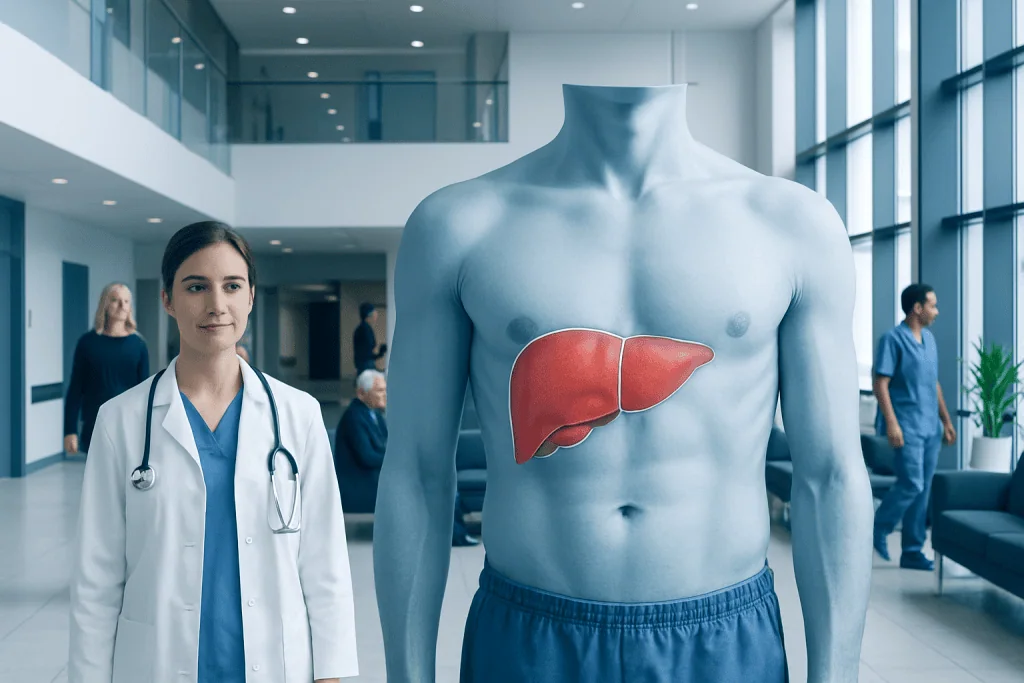
The liver is located mostly in the upper right abdomen beneath the ribs. A small part of the liver extends toward the center and left upper abdomen.
Key Takeaways
- The liver is located mostly in the upper right abdomen beneath the ribs.
- A small part of the liver extends toward the center and left upper abdomen.
- The liver performs many essential jobs, including metabolism, detoxification, and bile production.
- Liver problems do not always cause pain, especially in early stages.
- Pain in the right upper abdomen can also come from the gallbladder, stomach, lungs, muscles, or intestines.
- Persistent symptoms such as jaundice, swelling, severe pain, or fever should be assessed by a doctor.
Where is your liver? The liver sits mainly in the upper right part of the abdomen, tucked under the rib cage and just below the diaphragm. Knowing its location can help patients understand common symptoms, but only a clinician can determine whether discomfort near the liver is actually coming from the liver or from nearby organs.
Overview: Where Is Your Liver?
The liver is located mainly in the upper right side of the abdomen. It sits just under the diaphragm and is protected by the lower right ribs. Most of the organ is on the right, but it extends across the upper abdomen toward the middle, and a smaller portion reaches toward the left side.
Many people expect to feel the liver directly, but in healthy adults it usually cannot be clearly felt because it is tucked under the rib cage. Its position helps explain why liver-related discomfort, when it occurs, is often described in the right upper abdomen or sometimes as a vague pressure under the ribs rather than a sharply defined pain.
The liver is a large, solid organ and one of the body’s most important metabolic centers. Because it is close to other structures such as the gallbladder, stomach, pancreas, right kidney, and part of the intestines, symptoms in this area can be difficult to interpret without medical evaluation.
How the Liver Sits in the Body
The liver lies beneath the diaphragm, the muscle that helps with breathing. Its upper border rises high into the right side of the chest, which means some people are surprised to learn that the liver reaches higher than the waist area and sits partly behind the lower ribs.
It has a wedge-like shape and is divided into right and left lobes. The larger right lobe occupies much of the right upper abdomen, while the smaller left lobe extends toward the center of the body. The gallbladder rests on the undersurface of the liver, and bile produced by the liver drains through ducts into the digestive tract.
This close relationship with nearby organs matters clinically. Symptoms that seem to come from the liver may actually be related to the gallbladder, stomach irritation, muscle strain, or even lung conditions affecting the lower right chest. That is one reason location alone cannot confirm a diagnosis.
What the Liver Does

The liver has many vital roles. It processes nutrients absorbed from food, helps regulate blood sugar, stores vitamins and minerals, and produces proteins needed for normal body function, including proteins involved in blood clotting. It also helps break down medications, alcohol, and other substances so the body can eliminate them safely.
Another key function is bile production. Bile helps digest fats and carries waste products into the intestines. Problems affecting bile flow may lead to symptoms such as jaundice, dark urine, pale stools, itching, or abdominal discomfort.
The liver also supports immunity and helps filter blood coming from the digestive system. Because it can compensate well for damage, liver disease may develop quietly at first. A person may have abnormal liver tests or underlying disease even without clear pain or other early warning signs.
- Processes nutrients from food
- Produces bile for fat digestion
- Stores energy, vitamins, and minerals
- Breaks down toxins and medications
- Makes important blood proteins
- Helps regulate metabolism and immunity
Can You Feel Liver Pain?
The liver itself does not usually cause sharp pain in the way an injured muscle or inflamed joint might. When liver disease causes discomfort, it is often due to stretching of the capsule around the liver, enlargement of the organ, or inflammation affecting surrounding tissues. Patients may describe this as fullness, pressure, heaviness, or a dull ache in the right upper abdomen.
Not all liver conditions cause pain. For example, fatty liver may be silent for a long time. Hepatitis, congestion, tumors, or obstruction of bile flow may cause discomfort, but symptoms can vary widely from person to person.
It is also important to remember that right upper abdominal pain has many possible causes. Gallbladder disease, acid-related stomach conditions, intestinal problems, muscle strain, shingles, or lower lung infections can all create pain in a similar area. If symptoms continue, a clinician may recommend blood tests, an examination, and imaging such as MRI or ultrasonography to identify the source more accurately.
Common Symptoms Linked to Liver Problems
Liver disease can present in many ways, and symptoms often depend on the cause and stage of the condition. Some people have no symptoms at all and learn about a problem only after routine blood tests or an imaging study. Others may notice general symptoms that are easy to mistake for fatigue or digestive upset.
Possible symptoms include right upper abdominal discomfort, tiredness, nausea, reduced appetite, bloating, or a general sense of illness. More specific signs may include yellowing of the skin or eyes, dark urine, pale stools, easy bruising, itching, swelling in the abdomen or legs, or confusion in advanced disease.
Symptoms should be considered in context. For example, brief mild discomfort after exercise may reflect a muscle strain rather than a liver issue. On the other hand, ongoing symptoms, especially if combined with jaundice, fever, or swelling, should not be ignored.
- Dull ache or pressure under the right ribs
- Fatigue or weakness
- Nausea or reduced appetite
- Jaundice
- Dark urine or pale stools
- Abdominal or leg swelling
- Itching or easy bruising
What Can Affect the Liver?
Many different conditions can affect the liver. Common causes include viral infections such as hepatitis, excess alcohol use, metabolic conditions associated with obesity, medication-related injury, autoimmune disease, inherited disorders, and fatty liver disease related to insulin resistance. Some patients also develop liver problems due to blocked bile ducts, poor blood flow, or cancer.
Risk can increase with diabetes, elevated cholesterol or triglycerides, high body weight, heavy alcohol use, certain medications or supplements, and exposure to viral hepatitis. Family history can also matter, especially in inherited liver disorders.
Because causes are varied, the evaluation usually goes beyond the symptom location alone. A doctor may ask about alcohol intake, medical history, travel, medications, herbal products, family history, and associated symptoms before choosing appropriate tests.
How Doctors Evaluate Liver Symptoms
Assessment usually begins with a medical history and physical examination. A clinician may check for tenderness, enlargement of the liver, jaundice, swelling, or other clues. Blood tests often include liver enzymes, bilirubin, albumin, and clotting measures, as well as tests for infections or metabolic causes when needed.
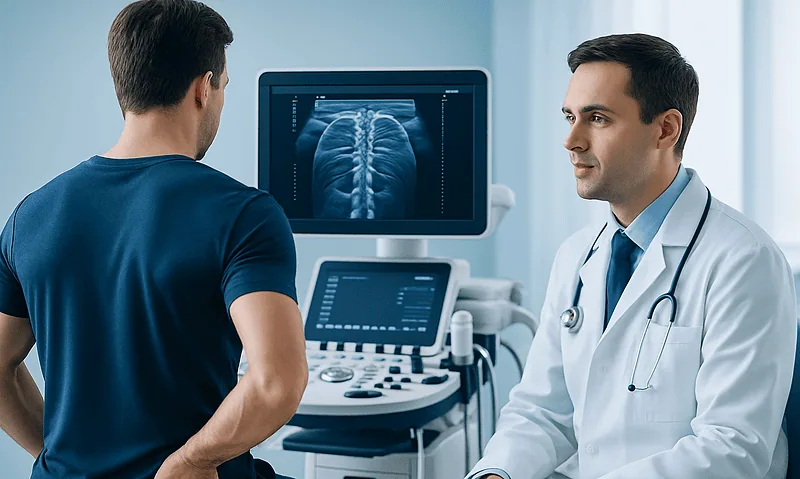
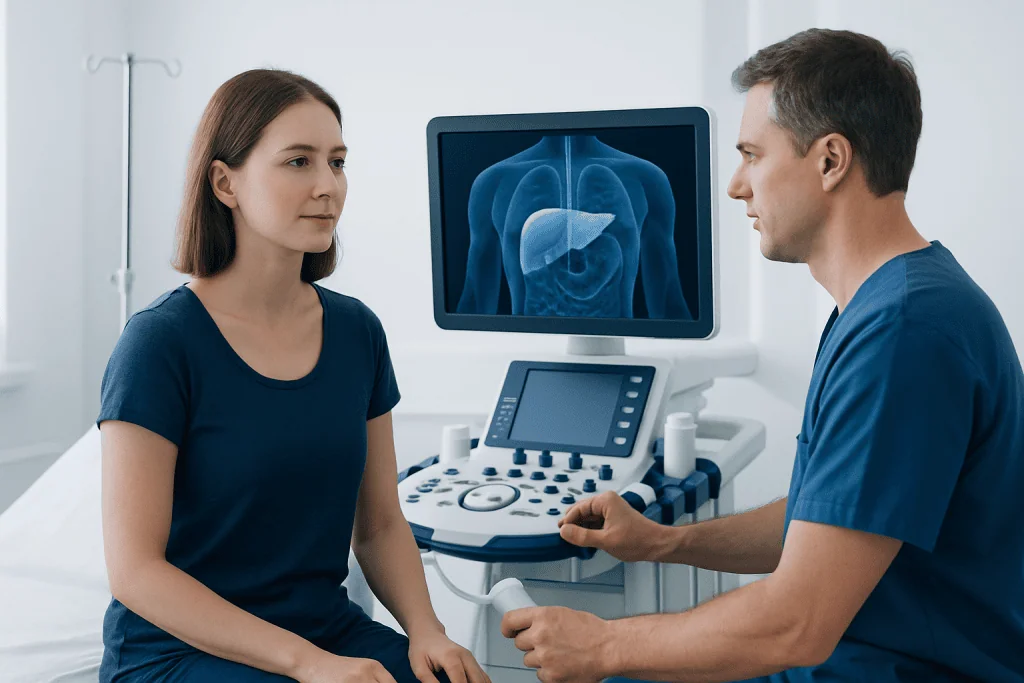
Imaging helps clarify the anatomy and detect inflammation, fat accumulation, masses, cysts, bile duct obstruction, or blood flow problems. Ultrasound is often a first step because it is widely used to examine the liver and gallbladder. In some cases, doctors may recommend CT or MRI for more detailed views.
Not every abnormal liver test means severe disease, and not every liver condition appears immediately on blood work. Sometimes repeat tests, specialist review, or additional procedures are needed. The goal is to identify the cause early and guide treatment before complications develop.
When to Seek Medical Care
Medical advice is appropriate if right upper abdominal discomfort lasts more than a few days, keeps returning, or is accompanied by other symptoms such as nausea, fatigue, loss of appetite, or unexplained weight change. An appointment is also sensible when routine blood tests show abnormal liver results, even if the person feels well.
Urgent medical attention is needed for severe abdominal pain, fever with right upper abdominal pain, yellowing of the eyes or skin, vomiting that does not stop, confusion, fainting, shortness of breath, or marked swelling of the abdomen. These symptoms do not always mean a liver emergency, but they should be evaluated promptly.
Self-diagnosis can be misleading because pain in the liver area may come from several nearby organs. Toward the end of the care pathway, patients who need coordinated evaluation may be seen by multidisciplinary specialists; Acibadem International’s JCI-accredited hospitals diagnose and treat liver-related conditions for international patients.
Frequently asked questions
Where is your liver located exactly?
The liver is located mainly in the upper right part of the abdomen, just below the diaphragm and behind the lower right ribs. A smaller portion extends toward the center and left upper abdomen.
Can liver pain be felt in the back or shoulder?
Sometimes discomfort related to the liver or nearby structures may be felt more broadly, including the right shoulder area or back. However, this pattern is not specific, and many non-liver conditions can cause similar symptoms.
Does liver disease always cause pain?
No. Many liver conditions, especially in early stages, do not cause noticeable pain. Some are discovered only through blood tests or imaging done for another reason.
How can someone tell if pain is from the liver or gallbladder?
The location can overlap, so it is often difficult to tell based on symptoms alone. Gallbladder pain may be more sudden or meal-related, but only a medical evaluation can reliably distinguish the cause.
Can a healthy person feel their liver by pressing on the abdomen?
Usually not. In most healthy adults, the liver is protected under the rib cage and is not easily felt. If it becomes enlarged, a clinician may be able to detect it during an examination.
What tests check the liver?
Doctors commonly use blood tests called liver function or liver chemistry tests, along with imaging such as ultrasound. In selected cases, CT, MRI, or other specialized tests may also be recommended.
References
- National Institute of Diabetes and Digestive and Kidney Diseases
- American Liver Foundation
- Centers for Disease Control and Prevention
- National Health Service
- World Health Organization
This article is for general information only and is not a substitute for professional medical advice. Please consult a qualified doctor about your individual situation.
Explore treatments in Turkey — costs, top hospitals & a free quote
JCI-accredited · board-certified surgeons · reply within 24h
Add us as a Preferred Source to see more of our trusted health content across Google Search, AI Overviews and Discover.

More from the Health Library

Pubisa: An Evidence-Based Guide for Patients

Chin Filler: An Evidence-Based Guide for Patients
Traditional Chinese Massage Tui Na: An Evidence-Based Guide for Patients

Attr Cm: An Evidence-Based Guide for Patients

Walnuts — Explained by Medical Evidence, Not Myths