Which Side Should You Sleep on? A Doctor-Reviewed Answer

In many cases, side sleeping is safe and the best side depends on a person’s symptoms, comfort, and medical history. Left-side sleeping may help acid reflux and is often recommended during pregnancy.
Key Takeaways
- In many cases, side sleeping is safe and the best side depends on a person’s symptoms, comfort, and medical history.
- Left-side sleeping may help acid reflux and is often recommended during pregnancy.
- The right side can still be comfortable and appropriate for many people, especially if left-side sleeping causes shoulder or hip discomfort.
- Back sleeping may worsen snoring or sleep apnea in some people, while stomach sleeping often strains the neck and lower back.
- Medical review is important if sleep position problems come with chest pain, severe reflux, breathing pauses, numbness, or ongoing pain.
For most people, there is no single “perfect” side to sleep on, and the best choice is the one that supports comfortable breathing, a neutral spine, and good-quality rest. Left-side sleeping is often preferred for reflux and pregnancy, while either side may work well if it reduces snoring, pain, or pressure.
Overview: What Is the Best Side to Sleep On?
For most adults, side sleeping is a healthy and practical choice, and in many cases there is nothing harmful about preferring one side over the other. If the question is simply “which side should you sleep on,” the answer is usually: the side that lets the person breathe easily, keeps the neck and spine aligned, and allows uninterrupted sleep. For many people, that may be the left side, but it is not a universal rule.
Left-side sleeping is often discussed because it may reduce acid reflux symptoms and is commonly recommended during pregnancy. However, the right side may feel better for someone with shoulder pain on the left, certain pressure-related discomforts, or a personal preference that improves sleep quality. Good sleep is not just about anatomy; it is also about comfort, habit, and reducing symptoms that wake the person up at night.
Most side preferences are harmless. Still, if a person suddenly cannot lie on one side, feels short of breath in bed, wakes with choking, develops persistent numbness, or has severe pain, those are reasons to seek medical advice rather than trying to solve the problem with pillows alone.
How Sleep Position Affects the Body
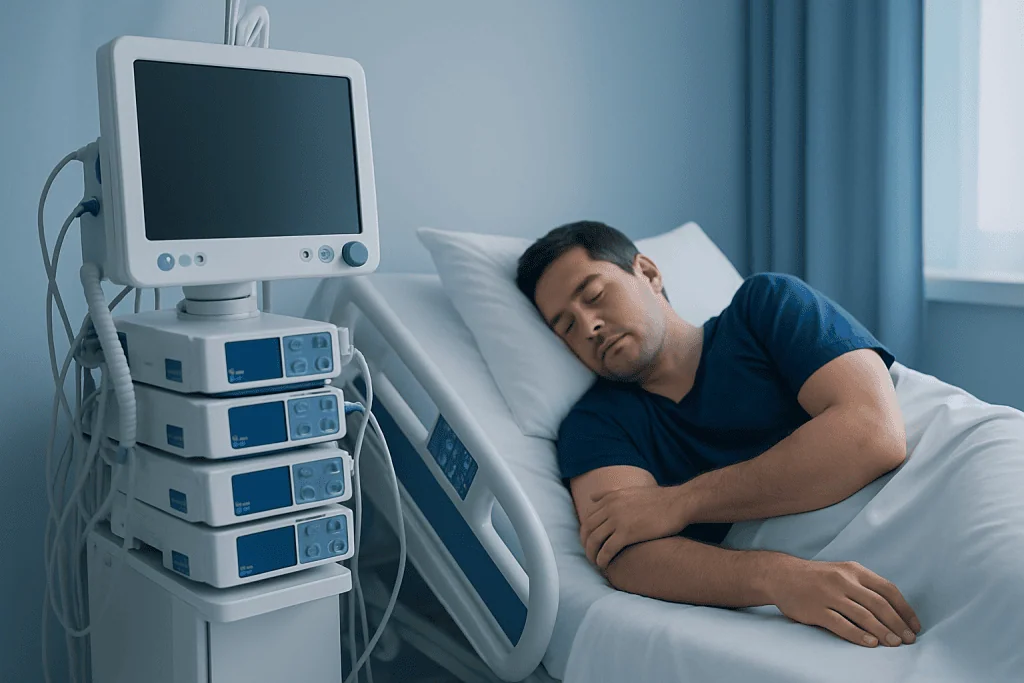
Sleep position can influence breathing, digestion, circulation, and pressure on joints. When a person lies on one side, gravity changes how the airway sits, how stomach contents move, and how body weight is distributed across the shoulders and hips. This is why one side may feel noticeably better than another.
For breathing, side sleeping may help keep the upper airway more open than back sleeping in some people, especially those who snore or have sleep apnea. For digestion, body position can affect reflux symptoms, and some people find heartburn is less troublesome when they sleep on the left. For the musculoskeletal system, side sleeping can be comfortable if the head, neck, and spine stay in a relatively straight line; otherwise, it may contribute to neck stiffness or shoulder soreness.
Sleep quality also matters. Even a position that seems ideal on paper is not useful if it causes repeated awakenings, arm tingling, or hip pressure. A doctor-reviewed approach focuses less on rigid rules and more on matching sleep position to symptoms, comfort, and any known medical conditions.
Left Side vs Right Side: When Each May Help

Left-side sleeping is often the first recommendation when a person has nighttime heartburn or reflux. In some people, this position may make it harder for stomach acid to move upward into the esophagus, which can reduce symptoms of gastroesophageal reflux disease. It is also commonly advised in pregnancy because it may support comfort and reduce pressure on major blood vessels as the uterus grows.
Right-side sleeping is not inherently unhealthy. Many people sleep very well on the right and have no symptoms related to it. If left-side sleeping worsens shoulder pain, creates hip pressure, or simply feels unnatural, the right side may be the better practical choice. The goal is restorative sleep with the fewest symptoms.
For people with snoring or suspected breathing problems, either side may be better than lying flat on the back. If one side clearly reduces nighttime awakenings, choking sensations, or loud snoring reported by a bed partner, that side may be preferable until medical evaluation is completed. Positional techniques can help, but persistent symptoms should still be assessed because some people may need formal sleep apnea treatment.
- Left side may be helpful for reflux and pregnancy-related comfort.
- Right side may be better if the left shoulder or hip is painful.
- Either side may be preferable to back sleeping for some people who snore.
- The best side is the one that supports symptom relief and sleep quality.
When Sleep Position Can Make Symptoms Worse
Back sleeping can be comfortable for some people, but it may worsen snoring and airway collapse in those with obstructive sleep apnea. It can also aggravate reflux in certain individuals, especially after large evening meals or alcohol. If a person wakes unrefreshed, with morning headaches, dry mouth, or witnessed breathing pauses, sleep position may be part of the problem.
Stomach sleeping is less commonly advised because it often twists the neck and places extra stress on the lower back. Some people tolerate it without trouble, but many develop stiffness, shoulder strain, or facial pressure. In general, stomach sleeping is the least supportive position for long-term spinal alignment.
Side sleeping can also cause problems if posture is poor. A pillow that is too high or too flat may bend the neck sideways, and a mattress that does not support the body can increase pressure on the shoulder and hip. If a person wakes with one-sided soreness, numb fingers, or facial pressure, the issue may be technique and support rather than the side itself.
Common Reasons a Doctor May Recommend One Side
Doctors do not usually prescribe a sleep side in isolation; they recommend a position based on the person’s symptoms and medical history. For example, someone with nighttime reflux may be advised to try left-side sleeping along with avoiding late meals and elevating the head of the bed. A pregnant person may be encouraged to sleep on the side that feels most comfortable, often the left, especially later in pregnancy.
People with neck, shoulder, or back pain may need a position plan focused on alignment rather than a specific side. This might include using a supportive pillow under the head, placing another pillow between the knees, and keeping the shoulders stacked rather than rolled forward. If pain continues, a doctor may evaluate for joint, nerve, or spine-related causes.
In people who snore loudly or have daytime sleepiness, the issue may be more than habit. A clinician may look for signs of sleep-disordered breathing, nasal obstruction, weight-related airway narrowing, or other problems that do not improve enough with position changes alone. Depending on the findings, treatment could include lifestyle measures, positional therapy, or CPAP treatment.
What to Try at Home for Better Side Sleeping
If side sleeping feels uncomfortable, small adjustments can make a noticeable difference. A pillow should fill the space between the head and mattress so that the neck stays level rather than tilting up or down. A pillow between the knees may reduce twisting in the lower back and pelvis, while hugging a pillow in front can keep the upper shoulder from collapsing inward.
People with reflux may benefit from sleeping on the left side, avoiding heavy meals close to bedtime, and slightly elevating the head of the bed. Those with snoring may find that side sleeping reduces symptoms compared with back sleeping, although persistent snoring still deserves assessment. If shoulder pressure is the main issue, changing mattresses or using a softer top layer may help.
It is reasonable to experiment for a few weeks and note what changes. Helpful points to track include morning pain, nighttime heartburn, snoring, awakenings, and whether the person feels rested during the day. If symptoms continue despite thoughtful adjustments, formal evaluation may identify treatable causes. In some cases, a doctor may recommend a sleep study or, if surgery is relevant, options such as septoplasty for structural nasal blockage.
When to Seek Medical Care
Sleeping on one side or the other is usually not a medical emergency, and many position-related issues improve with simple changes in support or routine. However, medical review is important when symptoms are persistent, severe, or associated with other warning signs. This is especially true if sleep problems are affecting daytime functioning, mood, concentration, or cardiovascular health.
A doctor should assess symptoms such as loud chronic snoring, witnessed pauses in breathing, waking up gasping, ongoing chest discomfort, severe nighttime reflux, repeated choking, unexplained shortness of breath when lying down, or numbness and weakness that does not improve with repositioning. New or progressive pain in the shoulder, neck, hip, or back also deserves attention if it disrupts sleep regularly.
During evaluation, a clinician will usually ask when symptoms occur, which positions trigger them, whether a bed partner has noticed snoring or breathing pauses, and what treatments have already been tried. Depending on the pattern, assessment may include a physical exam, review of sleep habits and medications, reflux evaluation, imaging for musculoskeletal pain, or a sleep study. Acibadem International’s multidisciplinary specialists and JCI-accredited hospitals diagnose and treat sleep-related, digestive, and musculoskeletal conditions for international patients.
Frequently asked questions
Is the left side always the best side to sleep on?
No. The left side may help some people, especially those with reflux or pregnancy-related discomfort, but it is not automatically best for everyone. The ideal side is the one that supports comfortable breathing, good spinal alignment, and restful sleep.
Why do some doctors recommend left-side sleeping for acid reflux?
Left-side sleeping may reduce how easily stomach contents move back into the esophagus in some people. It is a supportive strategy, but it does not replace medical treatment when reflux is frequent, painful, or associated with swallowing problems.
Is it bad to sleep on the right side?
Usually not. Many people sleep comfortably on the right side without any health problem related to that position. If the right side helps reduce pressure or pain and does not worsen symptoms like reflux, it can be a reasonable choice.
Can sleep position affect snoring or sleep apnea?
Yes. In some people, lying on the back can worsen snoring and breathing pauses because the airway narrows more easily. Side sleeping may reduce symptoms, but persistent snoring or suspected sleep apnea should be assessed by a doctor.
What is the healthiest sleep position for back and neck comfort?
A healthy position is one that keeps the head, neck, and spine in a neutral line. Side sleeping can work very well when the pillow height is appropriate and a pillow between the knees reduces twisting through the pelvis and lower back.
When should someone see a doctor about sleep position problems?
Medical advice is important if position-related symptoms are frequent, worsening, or linked to red flags such as breathing pauses, choking, chest discomfort, severe reflux, persistent numbness, or ongoing pain. A doctor can help identify whether the issue is positional, structural, or part of an underlying condition.
References
- American Academy of Sleep Medicine
- National Heart, Lung, and Blood Institute
- National Institute of Diabetes and Digestive and Kidney Diseases
- American College of Gastroenterology
- American Pregnancy Association
This article is for general information only and is not a substitute for professional medical advice. Please consult a qualified doctor about your individual situation.
Persistent digestive symptoms? Get evaluated in Turkey
JCI-accredited · board-certified surgeons · reply within 24h
Add us as a Preferred Source to see more of our trusted health content across Google Search, AI Overviews and Discover.