

Who Is a Good Candidate for Dental Implants? Medical and Oral Health Factors

Good gum health and adequate jawbone are central to implant success. Many chronic conditions do not rule out implants if they are well managed.
Key Takeaways
- Good gum health and adequate jawbone are central to implant success.
- Many chronic conditions do not rule out implants if they are well managed.
- Smoking, untreated gum disease, and poor oral hygiene can lower success rates.
- Imaging and a full oral exam help dentists decide if implants are suitable.
- Bone grafting or gum treatment may make implants possible for some patients later.
A good candidate for dental implants is usually someone missing one or more teeth who has healthy gums, enough jawbone support, and medical conditions that are well controlled. Careful dental and medical assessment helps determine whether implants are appropriate now or whether preparation is needed first.
Overview: What Makes Someone a Good Candidate?
Dental implants are artificial tooth roots, usually made of titanium or similar biocompatible materials, placed in the jaw to support a crown, bridge, or denture. They can be an effective long-term option for people who have lost teeth because of decay, injury, gum disease, or other causes. In general, strong candidates are adults with healthy oral tissues, enough jawbone to hold the implant securely, and a commitment to regular oral care.
Being a good candidate is not simply about age. It depends more on overall oral health, bone quality, healing ability, and lifestyle factors. Many people who are not immediate candidates can still become suitable after treatment for gum disease, smoking cessation, or procedures to rebuild bone. This is why individualized assessment is so important.
A dental implant evaluation often looks at several areas at once: the condition of the gums, the amount and shape of the jawbone, the bite, missing teeth pattern, and relevant medical history. A dentist may also review medications, past dental treatments, and habits such as clenching or grinding. For some people, dental implants are straightforward; for others, careful planning makes treatment safer and more predictable.
Oral Health Factors Dentists Consider
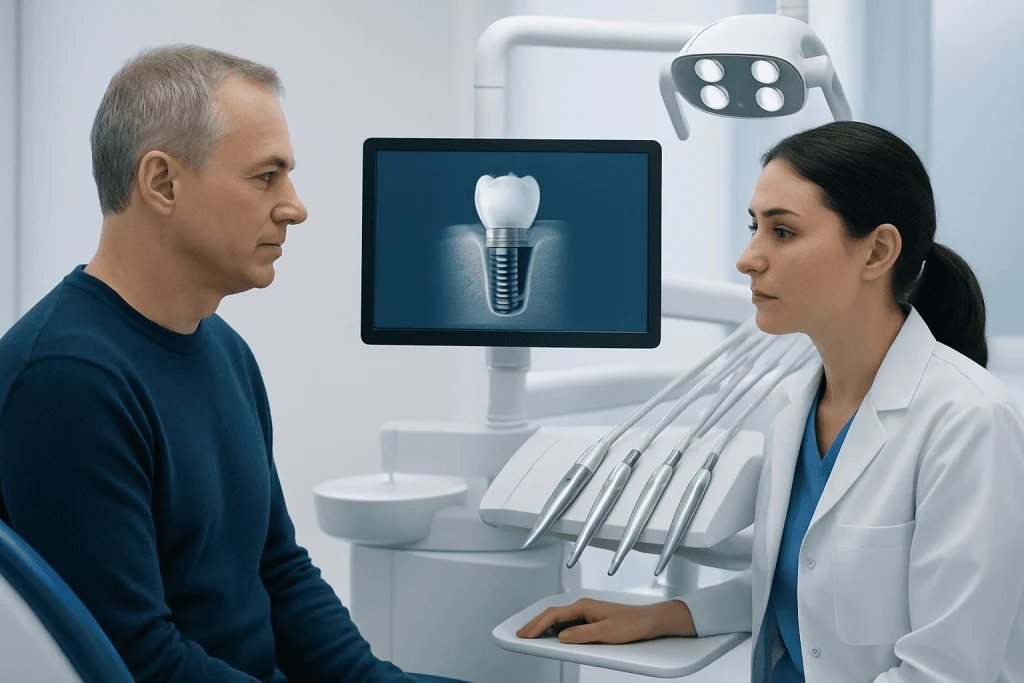
Healthy gums are one of the most important requirements for implants. Active gum infection can interfere with healing and increase the risk of implant failure. If there is redness, swelling, bleeding, deep gum pockets, or bone loss around existing teeth, these problems usually need treatment before implant placement. Good daily brushing, flossing, and professional cleanings help create a healthier environment for implants.
Jawbone quantity and quality also matter. An implant needs enough bone height and width for stable placement. Tooth loss can lead to bone shrinkage over time, especially if the space has been empty for many years. Even so, limited bone does not always rule out treatment. Some patients may benefit from bone grafting, sinus lift procedures, or modified implant plans based on imaging findings.
The bite and overall dental condition are also reviewed. Untreated tooth decay, loose teeth, bite imbalance, or strong grinding forces can place extra stress on implants. Dentists may recommend treating cavities, replacing damaged restorations, or addressing habits such as clenching before surgery. In some cases, care through general dentistry and bite protection measures can improve the outlook.
Oral hygiene habits are another key part of candidacy. Implants do not get cavities, but the surrounding tissues can still become inflamed or infected if plaque builds up. People who are willing and able to maintain cleaning around the implant area and attend regular follow-up visits tend to do better over time.
Medical and Lifestyle Factors That Affect Eligibility

Many common medical conditions do not automatically prevent dental implants. People with diabetes, heart disease, osteoporosis, or thyroid disorders may still be candidates when their conditions are stable and well managed. The main concern is whether healing is likely to be normal and whether the risk of infection or complications is increased. A dentist may coordinate with the patient’s physician when needed.
Smoking is one of the clearest lifestyle factors linked to poorer implant healing. Tobacco use can reduce blood flow to the gums and bone, making integration of the implant less predictable. Heavy alcohol use may also affect healing and oral care routines. Reducing or stopping these habits before and after surgery can improve outcomes.
Some medications deserve special attention. Drugs that affect bone turnover, immune function, or blood clotting may influence treatment planning. This does not necessarily mean implants are not possible, but it may change the timing, technique, or follow-up care. Patients should always share a full medication list, including supplements.
Teeth grinding and jaw clenching can place high forces on implants and restorations. These habits may increase the risk of mechanical problems if not addressed. If a dentist suspects sleep or daytime grinding, they may suggest protective strategies and evaluation for bruxism before or after implant treatment.
When Someone May Need Preparation Before Implants
Not everyone who wants implants is ready for them immediately, and that is very common. The most frequent reasons for delay are untreated gum disease, poor oral hygiene, severe bone loss, uncontrolled medical conditions, or smoking. These issues can often be improved, allowing treatment to go ahead later with a better chance of success.
Periodontal treatment may be needed first if there is active gum inflammation or infection. This can include professional deep cleaning, improved home care, and ongoing periodontal monitoring. If the gums have receded or the tissues around missing teeth are weak, soft tissue procedures may sometimes be discussed. When gums bleed easily or show signs of disease, evaluation for bleeding gums can be an important first step.
Bone loss after long-term tooth loss may require augmentation procedures. Bone grafting helps rebuild support where implants are planned. In the upper back jaw, a sinus lift may be considered if the sinus sits too low for safe placement. These preparatory treatments add time, but they can expand implant options for many patients.
Some people may also need treatment for broken teeth, cavities, or ill-fitting dentures before implant surgery. In this way, implant candidacy is often part of a wider oral rehabilitation plan rather than a single isolated decision.
How Dentists Assess Candidacy
An implant assessment begins with a detailed history and oral examination. The dentist checks the gums, teeth, bite, jaw function, and the area where a tooth is missing. They may ask about past extractions, previous dentures or bridges, smoking, medical conditions, and medications. This conversation helps identify factors that could affect healing or long-term maintenance.
Imaging is essential because much of the decision depends on bone structure that cannot be fully judged by looking in the mouth alone. Dental X-rays and, in many cases, three-dimensional scans are used to measure bone volume and locate important structures such as nerves and sinuses. Digital planning can help place implants in the safest and most functional position, often with support from digital dentistry tools.
The dentist also evaluates how the final tooth replacement will work and look. The position of neighboring teeth, smile line, bite forces, and the amount of available space all influence the treatment plan. Some people are candidates for a single implant crown, while others may be better served by an implant-supported bridge or denture. A realistic discussion about expectations is part of proper planning.
If complex medical issues are present, the dental team may request additional medical clearance or coordinate with other specialists. This multidisciplinary approach helps reduce avoidable risk and ensures the timing of treatment is appropriate.
Treatment Options if Implants Are Suitable
If a person is a good candidate, several implant-based treatment options may be considered depending on how many teeth are missing. A single missing tooth can often be replaced with one implant and a crown. Multiple missing teeth may be restored with an implant-supported bridge, while full-arch tooth loss may be treated with several implants that support a fixed or removable denture.
The treatment process usually happens in stages. After planning, the implant is placed in the jawbone and allowed time to heal and integrate. Once the implant is stable, an abutment and final restoration are attached. In selected cases, immediate or early loading may be possible, but this depends on bone quality, stability, and bite factors.
For some patients, other tooth replacement options may also be discussed. A conventional bridge or removable denture can still be appropriate in certain situations, especially if surgery is not preferred or medically advisable. A balanced conversation may include alternatives such as a dental bridge so the patient can understand the benefits and limitations of each option.
The best choice depends on oral anatomy, health status, budget, treatment goals, and maintenance ability. A dentist can explain whether implants are the preferred option now, whether preparation is needed first, or whether another restoration would better suit the situation.
Prevention, Self-Care, and Long-Term Success
Good candidacy does not end when the implant is placed. Long-term success depends on careful home care and routine professional follow-up. Daily brushing, interdental cleaning, and regular dental visits help prevent inflammation around implants. Patients should also clean around crowns, bridges, or implant dentures as instructed by their dental team.
Smoking cessation remains one of the most helpful self-care steps before and after implant treatment. Managing chronic illnesses, especially diabetes, can also support healthier healing and gum stability. A balanced diet, adequate hydration, and following post-procedure instructions all contribute to recovery.
Protecting the implant from excessive force is another important part of self-care. People who grind their teeth may need a night guard. Those with a history of oral trauma or unstable bite patterns may need additional monitoring. Early attention to soreness, loosening, or gum changes can prevent small problems from becoming larger ones.
For older adults, implants can still be very successful if oral care, dexterity, and medical needs are considered carefully. Age alone is not a barrier, and supportive care tailored to changing needs can be helpful, including approaches used in geriatric dentistry.
When to See a Dentist or Oral Surgeon
A person should consider an implant evaluation if they have one or more missing teeth, a loose denture, difficulty chewing, or concern about bone loss after extraction. Prompt assessment can be helpful because bone tends to shrink over time once a tooth is lost. Early planning may preserve more treatment options.
People should also seek dental advice if they have symptoms that could affect candidacy, such as swollen gums, persistent bleeding, bad breath, mobile teeth, jaw pain, or broken restorations. These problems do not always prevent implants, but they usually need attention first. Any pain, infection, or poor fit of an existing denture should be evaluated rather than ignored.
Medical review is especially important for people with uncontrolled diabetes, recent cancer treatment to the jaws, immune suppression, or complex medication regimens. In these cases, timing and coordination of care matter. A qualified dentist or oral surgeon can explain the safest plan and whether additional specialist input is needed.
Near the end of the decision-making process, patients may benefit from a center that offers coordinated dental, imaging, and medical expertise. Acibadem International’s multidisciplinary specialists and JCI-accredited hospitals evaluate and treat international patients who may be considering dental implant therapy.
Frequently asked questions
Can someone with diabetes get dental implants?
Yes, many people with diabetes can receive dental implants if their blood sugar is well controlled. Good diabetes management helps support normal healing and lowers the risk of infection. A dentist may coordinate with the patient's physician before treatment.
Is age a limit for dental implants?
There is no strict upper age limit for dental implants. What matters more is general health, gum condition, bone support, and the ability to maintain oral hygiene. Older adults often do well when treatment is carefully planned.
Do smokers automatically fail implant candidacy?
No, smoking does not always make implants impossible, but it does increase the risk of healing problems and implant failure. Dentists often strongly encourage stopping or reducing smoking before and after the procedure. Quitting can improve both short- and long-term outcomes.
What if there is not enough bone for an implant?
Limited bone does not always mean implants are ruled out. Bone grafting, sinus lift procedures, or a modified implant plan may still make treatment possible. Imaging helps the dentist decide which approach is safest and most effective.
How do dentists know if gums are healthy enough for implants?
They examine the gums for inflammation, bleeding, pocket depth, recession, and bone support around nearby teeth. X-rays and, sometimes, periodontal measurements help confirm whether infection or bone loss is present. If gum disease is found, it is usually treated before implant placement.
Are dental implants better than bridges for everyone?
Not always. Implants can be an excellent option, but bridges or dentures may be more suitable for some people depending on oral health, medical history, anatomy, and personal preference. A dentist can explain the pros and cons of each treatment in the specific case.
References
- American Dental Association
- National Institute of Dental and Craniofacial Research
- European Federation of Periodontology
- Mayo Clinic
- National Health Service
This article is for general information only and is not a substitute for professional medical advice. Please consult a qualified doctor about your individual situation.
Dental Implants in Turkey — costs, top hospitals & a free quote
JCI-accredited · board-certified surgeons · reply within 24h
Add us as a Preferred Source to see more of our trusted health content across Google Search, AI Overviews and Discover.

Dental & Oral Health
Full-scope dental care from implants and aesthetics to oral and maxillofacial surgery.
158 specialists in this unitRelated Treatments
More from the Health Library



Related Specialists

Assoc. Prof. Dr. Ferit Bayram
Oral & Dental Health
Assoc. Prof. Dr. Yeliz Çavuşoğlu Yüce
Oral & Dental Health
Assoc. Prof. Dr. Mutlu Keskin
Oral & Dental Health
Prof. Dr. Ülkü Noyan
Oral & Dental Health