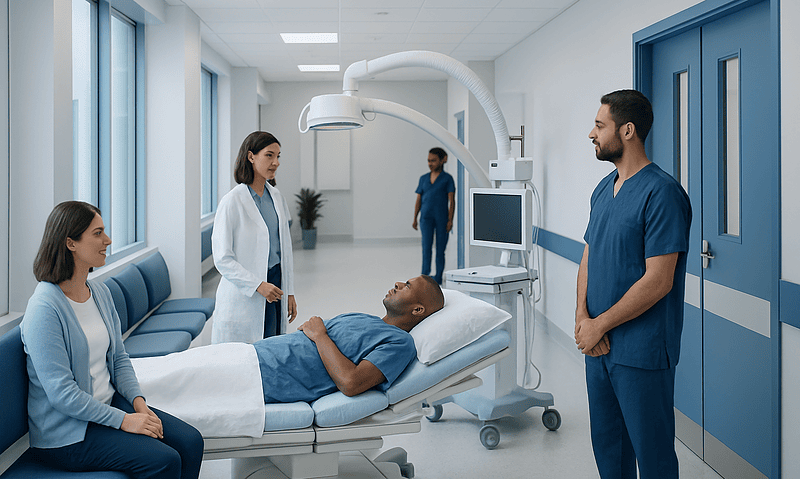
Who Needs Contrast Imaging? Benefits, Risks, and Safety Considerations
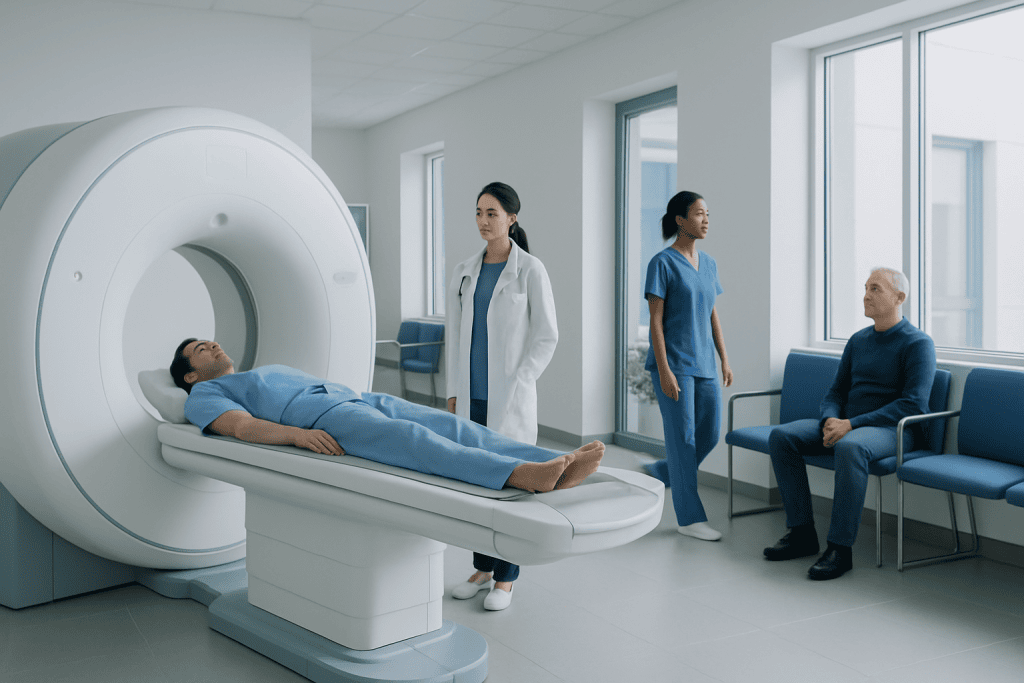
Contrast imaging can make abnormalities easier to detect and define on CT, MRI, X-ray, or angiography studies. Not every scan needs contrast; doctors decide based on the body area being examined and the clinical question.
Key Takeaways
- Contrast imaging can make abnormalities easier to detect and define on CT, MRI, X-ray, or angiography studies.
- Not every scan needs contrast; doctors decide based on the body area being examined and the clinical question.
- Most people tolerate contrast agents well, but allergies, kidney disease, pregnancy, and certain medications may affect planning.
- Patients should tell the imaging team about past reactions, asthma, kidney problems, diabetes medicines, and pregnancy.
- Hydration, appropriate screening, and observation after the scan help support safe contrast use.
Contrast imaging uses a special substance to make certain organs, blood vessels, or tissues easier to see on scans. It can improve diagnostic accuracy, and for most people it is safe when medical teams review allergies, kidney function, and other individual risks in advance.
Overview: What Contrast Imaging Means
Contrast imaging is a type of medical imaging that uses a contrast agent to make certain structures inside the body easier to see. These agents can highlight blood vessels, inflammation, tumors, blockages, bleeding, or differences between normal and abnormal tissue. Depending on the test, contrast may be swallowed, injected into a vein, or given through another route that best matches the area being examined.
Doctors may use contrast with several imaging methods, including CT scans, MRI scans, angiography, and some X-ray studies. The choice depends on the medical question. For example, contrast may help show how blood flows through an organ, whether a mass has a blood supply, or whether there is a leak, narrowing, or infection.
Not every scan requires contrast. In many situations, non-contrast imaging gives enough information. When contrast is recommended, it is usually because the added detail can improve the ability to detect a problem, confirm a diagnosis, or guide treatment decisions. The goal is to gather the clearest and most useful information while keeping the examination as safe as possible.
Who May Need Contrast Imaging
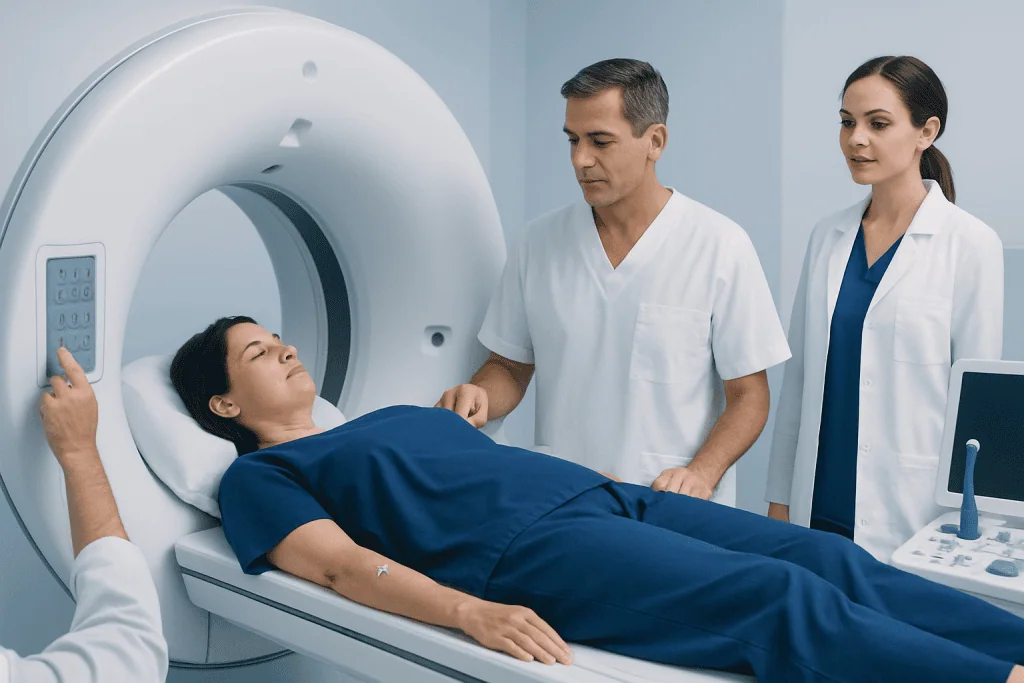
Contrast imaging is often recommended when doctors need more detailed information than a standard scan can provide. It is commonly used to evaluate blood vessels, the brain, chest, abdomen, pelvis, joints, and soft tissues. It may help in the investigation of symptoms such as severe headache, unexplained pain, suspected infection, internal injury, or possible cancer.
People being assessed for stroke, blood clots, aneurysms, organ damage, inflammatory bowel disease, liver lesions, kidney masses, or certain heart conditions may benefit from contrast-enhanced studies. In oncology, contrast can help define the size and location of a tumor and show whether it involves nearby structures. In emergency settings, it may help doctors quickly identify internal bleeding or a blocked blood vessel.
Contrast is also useful before some procedures or surgeries because it gives a clearer map of anatomy. For example, an examination such as angiography may be used to evaluate arteries or veins in detail. In other cases, a doctor may recommend advanced MRI scanning or [[TREATMENT:computed-tomography-(ct)|CT imaging]] with contrast to answer a specific clinical question more accurately.
How Contrast Agents Work and What They Can Show

Different imaging methods use different kinds of contrast agents. CT scans and many angiography studies often use iodine-based contrast. MRI commonly uses gadolinium-based contrast agents. Some digestive studies use oral contrast to outline the stomach or intestines. Each type is designed to change how tissues appear on images, helping radiologists distinguish one structure from another.
When contrast enters the bloodstream or digestive tract, it can make key areas stand out more clearly. This may reveal problems that are less visible on a non-contrast scan, such as abnormal blood vessels, infection, inflammation, tumors, scar tissue, or areas of poor blood supply. In many cases, contrast does not create a diagnosis by itself, but it improves the quality and usefulness of the images.
The timing of image capture is also important. Some scans are taken immediately after contrast is given, while others are timed to show how the contrast moves through arteries, veins, organs, or tissues. This pattern can give doctors clues about how a lesion behaves and whether it appears benign, inflamed, blocked, or suspicious for a more serious condition.
Benefits of Contrast Imaging
The main benefit of contrast imaging is improved visibility. By enhancing certain tissues or blood vessels, contrast can help radiologists detect abnormalities earlier and describe them more precisely. This can be especially helpful when symptoms are vague or when the area being examined contains many overlapping structures.
Better image detail can support more confident decision-making. A contrast-enhanced scan may help determine whether a person needs medication, a procedure, monitoring, or surgery. It can also reduce uncertainty by helping doctors rule out important conditions. In follow-up care, contrast imaging may show whether a treatment is working or whether a condition is stable.
Contrast can be particularly valuable in situations such as:
- Assessing blood flow and blood vessel narrowing or blockage
- Characterizing masses in the liver, kidneys, brain, or other organs
- Looking for infection, abscess, or inflammation
- Evaluating trauma, bleeding, or organ injury
- Planning surgery or image-guided procedures
In many patients, the additional information from contrast imaging outweighs the inconvenience of an injection or the small risk of side effects. The decision is individualized, and radiology teams consider whether contrast is likely to change diagnosis or treatment before recommending it.
Risks, Side Effects, and Safety Considerations
For most people, contrast agents are well tolerated. Mild temporary effects can include a warm sensation, a metallic taste, nausea, or brief discomfort at the injection site. These usually pass quickly. Some people may have an allergic-like reaction, which can range from mild itching or hives to more serious symptoms such as breathing difficulty. Severe reactions are uncommon, but imaging teams are trained to recognize and treat them promptly.
Kidney health is an important consideration, especially for iodinated contrast used in CT and angiography. People with chronic kidney disease, dehydration, or certain other medical conditions may need blood tests before the scan. MRI contrast also requires careful review in patients with significant kidney impairment. The team may adjust the plan, use a different type of scan, or decide that non-contrast imaging is safer and still useful.
Pregnancy and breastfeeding may also affect planning. Imaging during pregnancy is considered carefully, and contrast is used only when the expected benefit clearly outweighs any potential risk. Patients should also mention asthma, previous contrast reactions, implanted devices, and all medicines they take, including diabetes medications, because these details can influence preparation and follow-up.
Another practical issue is contrast leakage outside the vein, called extravasation, which can cause swelling or discomfort near the injection site. This is usually minor and improves with simple care, but staff monitor for it. Overall, contrast safety relies on good screening, clear communication, and choosing the right test for the right person.
How Doctors Decide If Contrast Is Right
The decision to use contrast is based on a balance of benefit and risk. Doctors consider the patient’s symptoms, medical history, age, kidney function, allergy history, pregnancy status, and the exact question the scan needs to answer. If contrast is unlikely to add meaningful information, it may be avoided. If it is likely to make the diagnosis clearer or faster, it may be strongly recommended.
Radiologists and referring doctors often work together to choose the most appropriate study. For example, some headaches can be assessed without contrast, while others may require it if infection, tumor, inflammation, or a vascular problem is suspected. Similarly, abdominal pain may be evaluated with or without contrast depending on whether the concern is stones, appendicitis, bowel disease, bleeding, or another condition.
Patients can help by sharing a complete medical history and asking why contrast is being recommended. Useful questions include whether a non-contrast test is possible, what the contrast is expected to show, and whether any blood tests or medication adjustments are needed first. Clear discussion supports informed consent and helps the examination proceed smoothly.
Preparing for the Scan and Aftercare
Preparation varies by test. Some patients may be asked not to eat for a few hours before contrast imaging, while others can eat and drink normally. If oral contrast is needed, it may be given before the scan and patients may be asked to wait while it moves through the digestive tract. For intravenous contrast, a small cannula is placed in a vein, usually in the arm or hand.
Before the scan, patients should tell the team about prior reactions to contrast, kidney disease, asthma, heart conditions, diabetes, thyroid problems, pregnancy, breastfeeding, and any medicines they take. In some cases, kidney blood tests are reviewed in advance. People who have had previous reactions may need a different imaging approach or special precautions.
After the scan, most people can return to normal activities right away unless they were told otherwise. Drinking fluids may be encouraged unless a doctor has advised fluid restriction for another reason. Patients should contact their care team if they develop rash, persistent vomiting, increasing swelling at the injection site, shortness of breath, or any other concerning symptoms after leaving.
If imaging finds a condition that needs further evaluation, the next step may include targeted follow-up or treatment. Depending on the result, this might involve further vascular assessment, biopsy planning, or care for related conditions such as brain tumors or liver cancer. Near the end of the care pathway, patients seeking international evaluation may also learn that Acibadem International’s multidisciplinary specialists and JCI-accredited hospitals provide diagnosis and treatment planning for complex imaging-related conditions.
Frequently asked questions
Is contrast imaging always necessary?
No. Many scans provide enough information without contrast. Doctors recommend contrast only when it is likely to improve image detail in a way that could change diagnosis or treatment.
What does contrast feel like during a scan?
Many people feel little or nothing unusual. Some notice a brief warm flush, a metallic taste, or mild nausea for a short time after the injection.
Is contrast dye safe for people with kidney disease?
It can be safe in some cases, but kidney disease requires extra caution. The imaging team may review kidney blood tests, choose a different contrast agent, adjust the plan, or use a non-contrast study instead.
Can someone have an allergic reaction to contrast?
Yes, allergic-like reactions can happen, but severe reactions are uncommon. Patients should always report any previous reaction to contrast, as this helps the team plan safely.
Should patients stop their medications before a contrast scan?
Most medications can be continued, but some situations need special guidance. Patients should tell their doctor about all prescription drugs, over-the-counter medicines, and supplements, especially diabetes medications.
Can contrast imaging be done during pregnancy?
Sometimes, but only when the expected benefit is important and outweighs possible risks. Doctors choose imaging carefully during pregnancy and may prefer non-contrast or alternative tests when appropriate.
This article is for general information only and is not a substitute for professional medical advice. Please consult a qualified doctor about your individual situation.
Explore treatments in Turkey — costs, top hospitals & a free quote
JCI-accredited · board-certified surgeons · reply within 24h
Add us as a Preferred Source to see more of our trusted health content across Google Search, AI Overviews and Discover.

More from the Health Library

What Happens During a Diagnostic Imaging Exam: Step-by-Step Guide

When Do You Need a Second Opinion on Imaging Results?
How to Prepare for a Diagnostic Test: Fasting, Medications, and Timing

Choosing a Medical Laboratory: Accreditation, Accuracy, and Turnaround Time

Understanding Lab Test Reference Ranges: Why Normal Results Can Still Need Follow-Up