Why Are My Nipples Dry? Causes, Explanations, and Next Steps
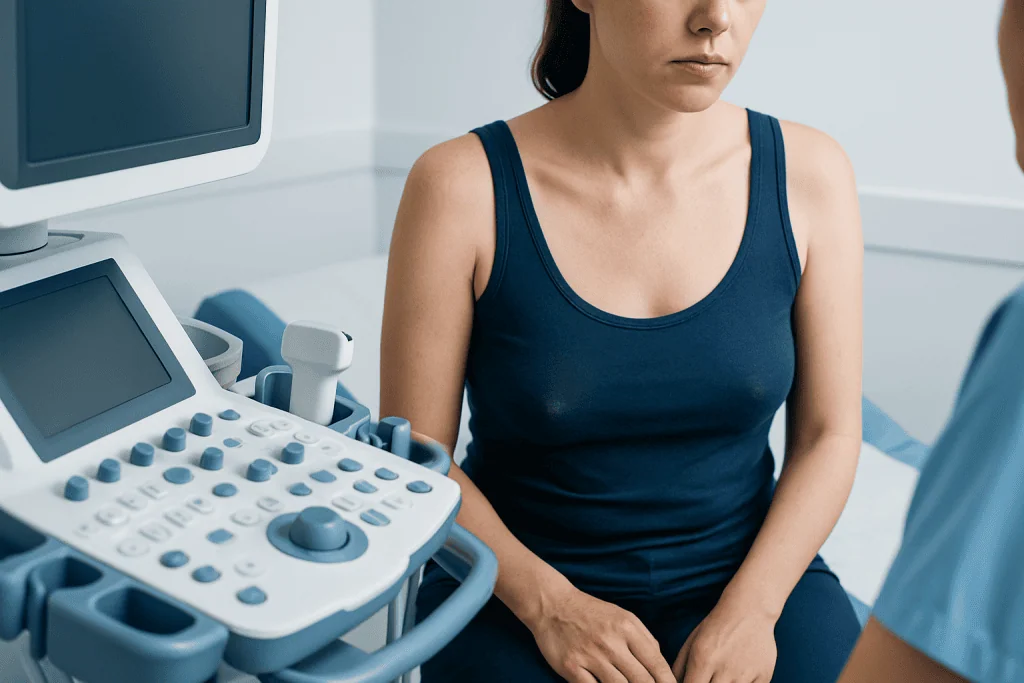
Dry, flaky, or itchy nipple skin is often related to irritation, friction, dry skin, or eczema. New products such as soaps, detergents, fragrances, and topical cosmetics can trigger contact dermatitis around the nipple.
Key Takeaways
- Dry, flaky, or itchy nipple skin is often related to irritation, friction, dry skin, or eczema.
- New products such as soaps, detergents, fragrances, and topical cosmetics can trigger contact dermatitis around the nipple.
- Breastfeeding, exercise, hormonal changes, and some skin conditions can also contribute to nipple dryness.
- A persistent change affecting one nipple, especially with discharge, bleeding, a lump, or skin thickening, needs medical assessment.
- Gentle cleansing, moisturising, and avoiding likely irritants may help, but a clinician can identify the cause if symptoms continue.
Dry nipples are commonly caused by temporary skin irritation, friction, or eczema and often improve with gentle skin care. However, persistent one-sided changes, nipple discharge, bleeding, a lump, or skin that does not heal should be assessed by a doctor.
Why are my nipples dry?
Dry nipples are usually caused by harmless skin irritation. Common triggers include dry weather, friction from clothing or exercise, harsh soaps, scented body products, and eczema. The nipple and areola have sensitive skin, so even products that seem mild elsewhere on the body may cause dryness, flaking, itching, or soreness in this area.
Most cases improve when the trigger is removed and the skin barrier is supported with gentle care. Still, dry nipple skin should not simply be ignored if it lasts for several weeks, affects only one breast, or occurs with bleeding, crusting, a new lump, nipple discharge, or a nipple that has recently turned inward. These signs do not necessarily mean a serious condition, but they should be checked by a qualified clinician.
A doctor can usually clarify the cause through a discussion of symptoms, a breast and skin examination, and, when needed, tests such as imaging, a swab, patch testing for allergies, or a small skin sample. Early assessment is a sensible way to obtain appropriate treatment and reassurance.
What dry nipples can look and feel like
Dryness may affect the nipple itself, the darker skin around it called the areola, or the surrounding breast skin. It can cause fine scaling, roughness, peeling, small cracks, itching, tenderness, or a stinging sensation. Symptoms may be mild and intermittent, or they may become more noticeable after bathing, sweating, exercise, or contact with certain fabrics.
When dryness is due to irritation or eczema, it often occurs on both sides, although one side can be worse. The skin may look red, darker than usual, or inflamed depending on a person’s natural skin tone. Scratching can worsen inflammation, break the skin, and increase the chance of a secondary infection.
It is helpful to notice the timing and pattern of symptoms. For example, a rash that began after changing laundry detergent, starting a new workout routine, wearing a different bra, or using a new body lotion may point toward irritation or contact dermatitis. A symptom diary can make these connections easier to identify.
Common causes of dry nipple skin

Simple dryness and friction are frequent causes. Cold or low-humidity weather, long hot showers, vigorous towel drying, and frequent washing can remove protective oils from the skin. Tight bras, rough fabrics, and repetitive rubbing during running or other sports can irritate the nipples, particularly when sweat and damp clothing remain against the skin.
Contact dermatitis is another common explanation. This is skin inflammation caused by either irritation or an allergy. Potential triggers include fragranced soaps, shower gels, laundry detergents, fabric softeners, perfumes, deodorants, nipple creams, essential oils, adhesives, and some clothing dyes. A person may develop sensitivity to a product they have used before, so a familiar product is not always ruled out.
Eczema, also called atopic dermatitis, can occur on the breast and nipple area. People with a personal or family history of eczema, asthma, hay fever, or sensitive skin may be more prone to it. Psoriasis and certain fungal or bacterial skin infections can also cause scaling or irritation, though they often have distinguishing features that a clinician can assess.
Hormonal changes can affect the breast and skin. Puberty, pregnancy, breastfeeding, menstrual cycle changes, and menopause may all alter skin sensitivity or dryness. During breastfeeding, moisture, frequent feeding, pumping, and infant latching difficulties can lead to sore or cracked nipples; pain, redness, fever, or worsening cracks should be reviewed promptly.
Less common causes and changes that need attention
Not all nipple changes are caused by dry skin alone. Infections may cause warmth, increasing pain, swelling, spreading redness, discharge, or fever. A fungal infection may be associated with shiny, intensely sore skin or symptoms in a breastfeeding infant, while bacterial infection can occur through cracked skin. These conditions require an individual medical assessment because treatment depends on the cause.
Rarely, persistent eczema-like changes of the nipple may be linked to Paget disease of the breast, a condition that can be associated with an underlying breast cancer. It usually affects one nipple and may cause persistent scaling, crusting, redness, itching, burning, ulceration, bleeding, or discharge. It is uncommon, and most dry nipples are not due to cancer, but ongoing one-sided symptoms should be evaluated rather than treated repeatedly at home.
Other breast symptoms deserve attention as well, including a new lump or thickened area, changes in breast shape, skin dimpling, enlarged lymph nodes near the armpit, spontaneous bloody or clear nipple discharge, or a newly inverted nipple. These features have many possible explanations, but a clinical examination is important. Information about breast cancer may help people understand why doctors assess certain breast changes carefully.
How doctors identify the cause
A clinician will begin by asking when the dryness started, whether it affects one or both nipples, and whether there is itching, pain, discharge, fever, or a breast lump. They may ask about pregnancy or breastfeeding, skin conditions, allergies, medications, recent product changes, and family history of breast or skin conditions. This history often provides useful clues.
The examination typically includes looking at the nipple, areola, and surrounding skin and feeling the breast and nearby lymph nodes when appropriate. The clinician may assess whether the appearance is most consistent with eczema, contact dermatitis, psoriasis, infection, trauma, or another condition. They may recommend a dermatology or breast specialist opinion if the diagnosis is uncertain.
Further tests are not necessary for every person. Depending on the findings, a doctor may take a skin swab, arrange patch testing for possible contact allergy, request breast imaging, or recommend a biopsy of a persistent skin lesion. A biopsy is a small procedure in which a sample of skin or tissue is examined under a microscope. Testing is chosen to answer a specific clinical question, not because dry nipples automatically indicate a serious illness.
Gentle care and practical next steps
For mild dryness without concerning symptoms, simplifying the skin-care routine is often a useful first step. Wash with lukewarm water and, if cleanser is needed, choose a mild fragrance-free product. Avoid scrubbing the nipple area, exfoliating products, alcohol-based toners, and strongly scented creams. Pat the skin dry rather than rubbing it.
A plain, fragrance-free moisturiser or ointment can help restore the skin barrier when applied regularly after bathing and as needed. Choose breathable, soft clothing and bras that fit comfortably. For exercise, moisture-wicking garments and a protective barrier recommended by a clinician or pharmacist may reduce friction. Changing out of sweaty clothing soon after activity can also help.
It may be useful to stop recently introduced products one at a time, including fabric softener, fragranced detergent, body spray, and topical cosmetics. Avoid picking at flakes or scratching, as this can prolong inflammation. If symptoms are painful, widespread, recurrent, or do not improve after avoiding likely triggers and using gentle care, medical advice is appropriate before using medicated creams.
People who are pregnant or breastfeeding should seek personalised advice before applying products to the nipple, especially if an infant may ingest residue during feeding. A clinician or lactation professional can assess latching, pumping technique, dermatitis, and infection where relevant.
When to seek medical care
Arrange a non-urgent medical appointment if nipple dryness persists beyond a few weeks, keeps returning, is limited to one nipple, or does not improve after avoiding irritants. Assessment is also recommended for a new rash with marked itching, cracks that do not heal, or symptoms that interfere with sleep, exercise, breastfeeding, or daily comfort.
Seek prompt medical care for nipple discharge that occurs without squeezing, particularly if it is bloody or clear; bleeding, ulceration, a new lump, skin dimpling, a newly inverted nipple, or enlarged lymph nodes in the armpit. Fever, rapidly spreading redness, warmth, swelling, or severe breast pain may indicate infection and should be assessed promptly.
Acibadem International’s multidisciplinary specialists and JCI-accredited hospitals can assess breast and skin symptoms for international patients, coordinating dermatology, breast health, imaging, and other care when needed. The right next step depends on the full pattern of symptoms, so an in-person assessment is the safest approach for persistent or concerning changes.
Frequently asked questions
Are dry nipples normal?
Dry nipples are common and are often related to skin dryness, friction, irritation, or eczema. They may occur during dry weather, after exercise, or following use of a new skin or laundry product. Persistent symptoms or changes affecting only one nipple should be evaluated by a doctor.
Can soap or laundry detergent cause dry nipples?
Yes. Fragranced soaps, body washes, detergents, fabric softeners, and other products can irritate sensitive nipple and areola skin or trigger contact dermatitis. Switching to fragrance-free products and avoiding the suspected trigger may help, although symptoms that continue should be assessed.
Why are my nipples dry and itchy?
Dryness and itchiness commonly occur together with eczema, irritant contact dermatitis, or allergic contact dermatitis. Sweat, friction, hot showers, and scratching can make the irritation worse. A clinician can distinguish these causes from infection or other skin conditions if symptoms do not settle.
Can pregnancy or breastfeeding cause dry nipples?
Yes. Hormonal changes may affect skin sensitivity during pregnancy, while feeding, pumping, moisture, and friction can make nipples sore or cracked during breastfeeding. Persistent pain, increasing redness, fever, or damaged skin should be discussed with a doctor or lactation professional.
Can dry nipples be a sign of breast cancer?
Dry nipples alone are much more often caused by benign skin conditions than breast cancer. However, persistent scaly or crusted changes on one nipple, especially with bleeding, discharge, a lump, or nipple inversion, need medical review to rule out less common causes.
What should I avoid putting on dry nipples?
It is generally best to avoid fragranced lotions, essential oils, harsh exfoliants, and products that sting or worsen the rash. Medicated creams should not be used for long periods without professional advice, particularly during pregnancy or breastfeeding. A clinician or pharmacist can recommend an appropriate option based on the suspected cause.
This article is for general information only and is not a substitute for professional medical advice. Please consult a qualified doctor about your individual situation.
Explore treatments in Turkey — costs, top hospitals & a free quote
JCI-accredited · board-certified surgeons · reply within 24h
Add us as a Preferred Source to see more of our trusted health content across Google Search, AI Overviews and Discover.

More from the Health Library

Can You Sleep with a Tampon in? Causes, Explanations, and Next Steps

How to Drop Sugar Level Immediately? Causes, Explanations, and Next Steps

Are Painful Periods a Sign of Good Fertility? A Doctor-Reviewed Answer

Can Diabetes Have Banana? Here Is What the Evidence Says

What Makes You Itch in Pre Workout? Here Is What the Evidence Says