Will Endometriosis Cause Weight Gain: Early Signs, Risk Factors, and How It Is Treated
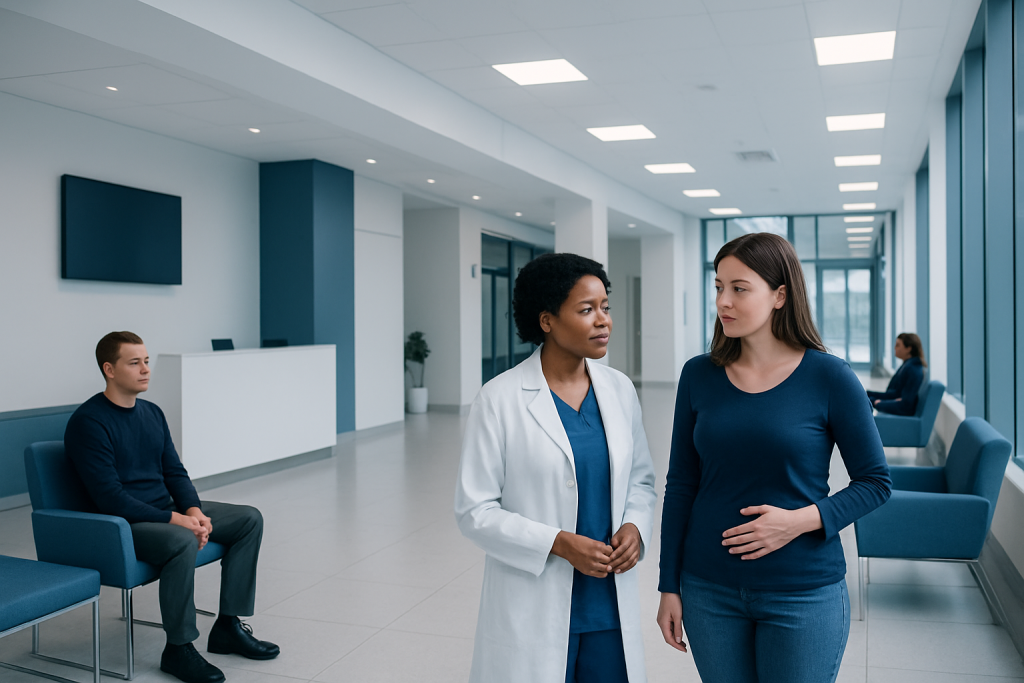
Endometriosis does not usually directly cause true weight gain, but it can contribute to bloating and weight fluctuations. Pain, fatigue, reduced activity, hormone therapy, and stress can all affect body weight over time.
Key Takeaways
- Endometriosis does not usually directly cause true weight gain, but it can contribute to bloating and weight fluctuations.
- Pain, fatigue, reduced activity, hormone therapy, and stress can all affect body weight over time.
- Common early signs include painful periods, pelvic pain, pain during sex, heavy bleeding, bloating, and trouble getting pregnant.
- Diagnosis may involve a pelvic exam, ultrasound, MRI, and sometimes laparoscopy.
- Treatment depends on symptoms and goals and may include pain relief, hormone therapy, or surgery.
- Medical evaluation is important if pelvic pain, heavy bleeding, or unexplained symptoms interfere with daily life.
Will endometriosis cause weight gain? It can sometimes be linked to weight changes, but usually not because endometriosis directly increases body fat. More often, bloating, inflammation, reduced activity, hormonal changes, or some treatments help explain why a person may feel heavier or notice their weight fluctuating.
Overview: can endometriosis lead to weight gain?
Endometriosis is a long-term condition in which tissue similar to the lining of the uterus grows outside the uterus. These growths may affect the ovaries, fallopian tubes, pelvic lining, bowel, bladder, or nearby structures. The condition can cause pain, inflammation, scar tissue, and sometimes fertility problems.
When people ask, “will endometriosis cause weight gain,” the most accurate answer is that it may be associated with weight changes, but usually not in a simple or direct way. Endometriosis itself is not generally considered a primary cause of obesity or rapid fat gain. However, symptoms and treatment-related factors can make a person feel heavier, look swollen, or gradually gain weight over time.
For many, the biggest issue is bloating. Some people describe “endo belly,” a noticeable abdominal swelling that can come and go with inflammation, menstrual cycles, bowel involvement, or food sensitivity. This can feel like weight gain even when body fat has not significantly changed.
In other cases, chronic pelvic pain, fatigue, poor sleep, emotional stress, and reduced exercise can affect appetite, movement, and metabolism. Hormonal medicines used to control symptoms may also contribute to fluid retention or changes in body composition in some individuals. Because several factors can overlap, weight concerns are best assessed in the wider context of symptoms, menstrual history, and overall health.
Early signs and symptoms to notice
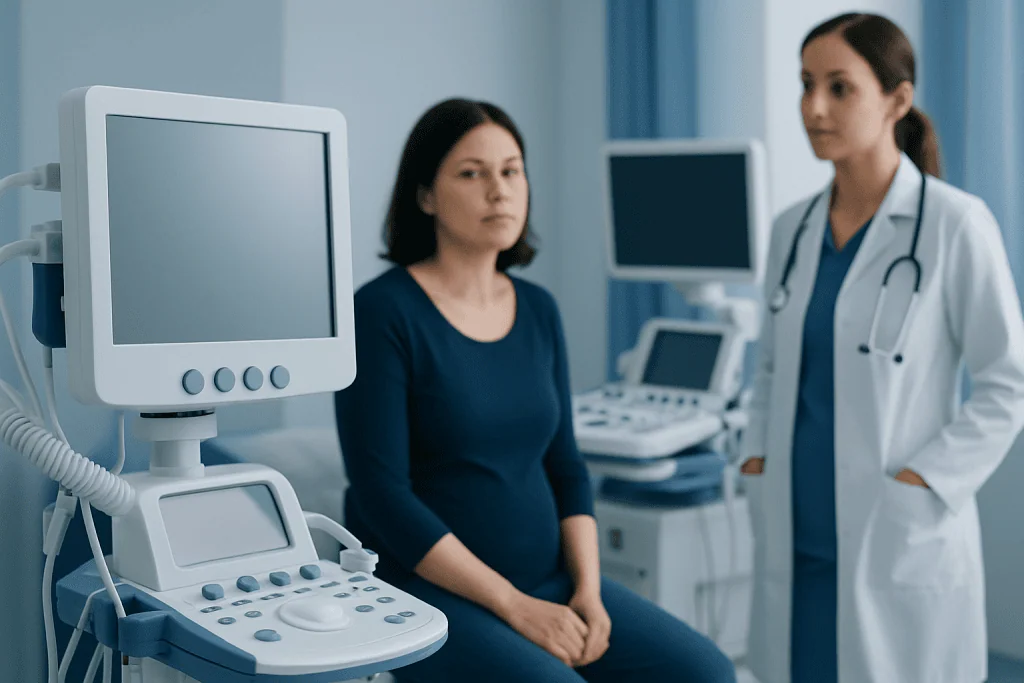
Endometriosis can look different from one person to another. Some have severe pain, while others have only mild symptoms or discover the condition during evaluation for infertility. Symptoms also do not always match the extent of disease, so even limited endometriosis can be very painful.
Common early signs may include painful menstrual cramps that are worse than expected, pelvic pain between periods, pain during or after sex, pain with bowel movements or urination during menstruation, heavy menstrual bleeding, spotting between periods, bloating, nausea, constipation, diarrhea, and tiredness. Some people also notice lower back pain or pain that radiates into the legs.
Weight-related concerns often sit alongside these symptoms rather than appearing alone. A person may feel puffy, notice that clothing fits more tightly around the abdomen, or gain weight during periods of worsening pain and reduced activity. If symptoms are ongoing, a gynecologic evaluation can help distinguish endometriosis from other causes of pelvic pain such as fibroids, ovarian cysts, irritable bowel syndrome, or endometriosis itself as a diagnosed condition requiring treatment planning.
- Painful periods that interfere with normal activities
- Chronic pelvic or lower back pain
- Bloating or abdominal fullness
- Pain during sex
- Heavy bleeding or spotting between periods
- Difficulty becoming pregnant
Why weight gain may happen with endometriosis
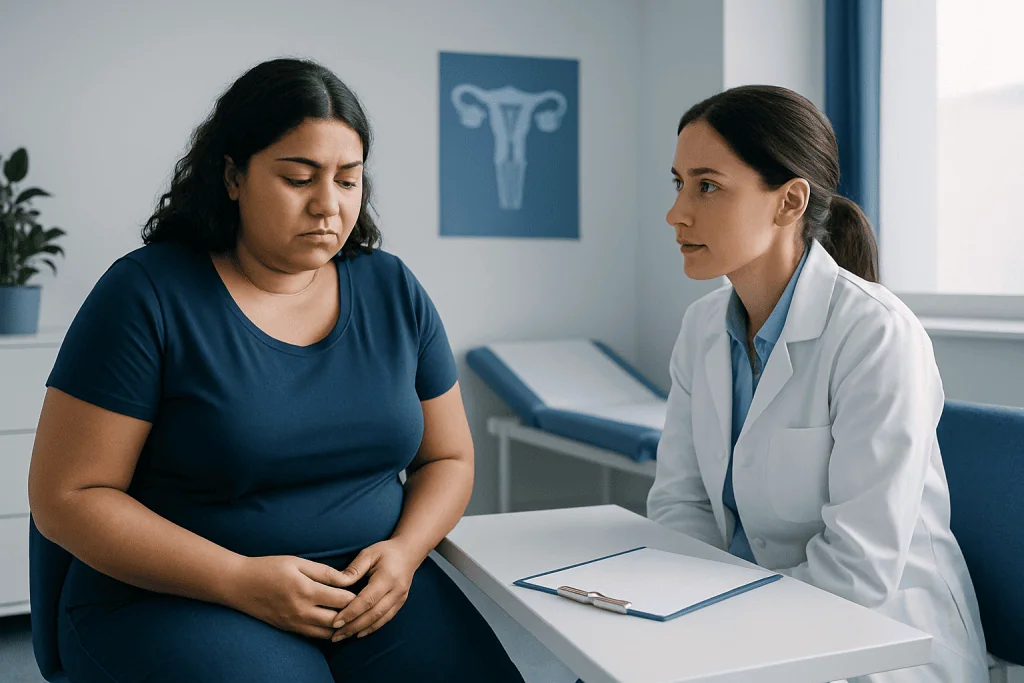
Several mechanisms may explain why someone with endometriosis notices weight gain or body changes. The first is bloating. Inflammation in the pelvis or bowel, changes in digestion, and cyclical fluid retention can all create abdominal swelling. This can be dramatic at times and may mimic true weight gain, even if the scale changes only slightly.
The second is reduced physical activity. Chronic pain and fatigue can make regular exercise harder to maintain. When movement decreases over weeks or months, body weight may slowly rise, especially if sleep is poor or stress is high. Chronic pain can also affect mood and appetite, leading some people to eat less and others to seek comfort foods more often.
Third, hormone-based treatments may affect the way a person feels in their body. Not everyone gains weight on hormonal therapy, but some may experience increased appetite, fluid retention, breast tenderness, or changes in fat distribution. This does not mean treatment is unsuitable, but it is worth discussing expected side effects and alternatives with a clinician.
Finally, endometriosis can overlap with other conditions that also influence weight, such as thyroid disease, polycystic ovary syndrome, mood disorders, or digestive problems. If weight gain is significant, rapid, or unexplained, doctors usually look beyond endometriosis alone and assess the bigger picture.
Causes and risk factors for endometriosis
The exact cause of endometriosis is still not fully understood. Several theories exist, including retrograde menstruation, immune system differences, inflammation, genetic susceptibility, and transformation of certain cells into endometriosis-like tissue. In reality, more than one mechanism may be involved.
Risk factors can include a family history of endometriosis, starting menstruation at an early age, short menstrual cycles, heavy or prolonged periods, and having no prior pregnancies. Uterine outflow problems may also play a role in some cases. Endometriosis can affect teenagers and adults of reproductive age, and symptoms may continue until menopause, though the pattern varies.
It is important to remember that endometriosis is not caused by a person’s weight, diet, or exercise habits. While lifestyle factors may influence symptoms and general wellbeing, they do not fully explain why the condition develops. This can be reassuring for patients who worry they did something to cause it.
Because endometriosis can involve the ovaries and pelvic organs, doctors may also check for related findings such as ovarian cysts called endometriomas. Imaging can help identify some of these changes, although a normal scan does not completely rule out the condition.
How doctors diagnose endometriosis
Diagnosis begins with a detailed medical history. A doctor will usually ask about menstrual pain, the timing of symptoms, bowel or bladder complaints, sexual pain, fertility concerns, and any pattern of bloating or weight changes. A pelvic examination may provide useful clues, although it cannot detect every case.
Imaging tests may be recommended, especially if an ovarian cyst or deep endometriosis is suspected. Ultrasound is often the first step, and MRI can offer more detail in selected cases. These tests can support the diagnosis and guide treatment planning, but small endometriosis implants may still be missed.
In some patients, the most definitive way to diagnose endometriosis is laparoscopy, a minimally invasive surgical procedure that allows direct visualization and sometimes biopsy of suspicious tissue. Laparoscopy may be considered when symptoms are significant, when imaging is unclear, or when treatment has not helped enough.
If pain, ovarian cysts, or fertility issues are part of the picture, clinicians may discuss specialist evaluation and options such as laparoscopy or assessment through gynecology care. The goal is not only to confirm the diagnosis, but also to understand how much the condition is affecting daily life, fertility plans, and long-term wellbeing.
Treatment options and what to expect
Treatment for endometriosis depends on symptom severity, age, fertility goals, the location of disease, and response to previous therapies. Many people begin with pain management and hormone-based treatment. Common approaches may include nonsteroidal anti-inflammatory drugs for pain relief and hormonal options to reduce or suppress menstrual cycling. These treatments can lessen pain and bleeding, though side effects vary from person to person.
If medication does not control symptoms well, surgery may be considered. The aim is usually to remove or destroy endometriosis lesions, reduce scar tissue, and treat endometriomas when appropriate. In carefully selected patients, surgery can improve pain and may support fertility, although recurrence can still happen over time. Endometriosis treatment is individualized rather than one-size-fits-all.
Patients concerned about weight gain should bring this up during treatment discussions. A doctor can help separate bloating from true weight change, review medication side effects, and suggest practical strategies for symptom control. Sometimes changing the treatment plan improves both pain and how a person feels physically.
For complex cases, care may involve gynecologists, pain specialists, radiologists, fertility specialists, dietitians, and pelvic floor physiotherapists. Near the end of the care pathway, some international patients choose centers such as Acibadem International, where multidisciplinary specialists at JCI-accredited hospitals evaluate and treat endometriosis, including when symptoms overlap with fertility concerns and procedures such as IVF need to be discussed.
Self-care, symptom tracking, and weight concerns
Self-care does not replace medical treatment, but it can help many people manage symptoms more effectively. Keeping a symptom diary can be especially useful. Tracking pelvic pain, bleeding, bowel symptoms, bloating, weight changes, foods that worsen discomfort, and the timing of the menstrual cycle may help identify patterns and support more focused treatment.
Gentle exercise, when tolerated, can improve energy, mood, sleep, and overall health. Some people benefit from walking, stretching, yoga, or low-impact strengthening. During pain flares, smaller goals may be more realistic than a strict fitness plan. Rest is important, but long periods of inactivity can sometimes worsen stiffness, fatigue, and weight changes over time.
Eating patterns may also influence how a person feels, particularly if bloating is prominent. Regular meals, adequate hydration, and attention to foods that seem to trigger symptoms can be helpful. Because digestive symptoms can overlap with other conditions, a clinician or dietitian can guide safe adjustments without overly restrictive dieting.
If weight gain is troubling, the most helpful step is often to clarify whether the main issue is fluid retention, bloating, reduced activity, medication effects, or a separate metabolic problem. A balanced plan that supports pain control and general health is usually more effective than focusing only on the number on the scale.
When to seek medical care
Medical care is important if pelvic pain, menstrual symptoms, or abdominal bloating are persistent, severe, or disrupting work, school, sleep, or relationships. Heavy bleeding, pain during sex, pain with bowel movements or urination, or difficulty becoming pregnant also deserve professional assessment. These symptoms do not confirm endometriosis on their own, but they should not be ignored.
A person should also seek advice if weight gain is rapid, unexplained, or accompanied by swelling in other areas, major fatigue, shortness of breath, or changes in bowel habits. These features may point to another condition in addition to, or instead of, endometriosis.
Urgent assessment is needed for sudden severe pelvic pain, fainting, very heavy bleeding, fever, or symptoms that suggest an ovarian cyst complication or another acute problem. Prompt evaluation helps rule out emergencies and allows earlier treatment when needed.
Because endometriosis can be chronic and sometimes difficult to recognize, early consultation with a qualified doctor can make a meaningful difference. A clear diagnosis and personalized plan may help reduce pain, address bloating or weight concerns, and improve quality of life over time.
Frequently asked questions
Does endometriosis directly cause weight gain?
Usually not directly. Endometriosis is more often linked to bloating, fluid retention, pain-related inactivity, stress, or treatment effects that can make weight changes more noticeable. If weight gain is marked or sudden, a doctor may also look for other causes.
Why does my stomach look bigger with endometriosis?
Many people experience abdominal bloating, sometimes called "endo belly." This can happen because of inflammation, bowel involvement, hormonal shifts, or fluid retention, and it may come and go during the menstrual cycle. A swollen abdomen does not always mean there has been true fat gain.
What are the first signs of endometriosis?
Early signs often include painful periods, pelvic pain, pain during sex, heavy bleeding, bloating, and pain during bowel movements or urination around menstruation. Some people also have fatigue or trouble getting pregnant. Symptoms can vary widely from person to person.
Can endometriosis make it hard to lose weight?
It can indirectly make weight management harder for some people. Chronic pain, poor sleep, fatigue, lower activity levels, and certain medicines may all affect appetite and metabolism. A clinician can help identify the main contributing factors and suggest a practical plan.
How is endometriosis treated?
Treatment may include pain relievers, hormone-based medicines, and in some cases surgery. The best option depends on symptoms, age, fertility goals, and how extensive the disease appears to be. Many patients need a personalized approach rather than a single treatment.
Can endometriosis be seen on ultrasound?
Sometimes, but not always. Ultrasound can help detect ovarian endometriomas and some deep forms of disease, but smaller lesions may not appear. A normal ultrasound does not completely rule out endometriosis.
When should someone see a doctor about possible endometriosis?
A doctor should be consulted if pelvic pain, heavy periods, bloating, or pain during sex keeps coming back or affects daily life. Medical advice is also important for unexplained weight changes or difficulty becoming pregnant. Early evaluation can help shorten delays in diagnosis and treatment.
References
- World Health Organization
- American College of Obstetricians and Gynecologists
- National Institute for Health and Care Excellence
- Office on Women's Health
- European Society of Human Reproduction and Embryology
This article is for general information only and is not a substitute for professional medical advice. Please consult a qualified doctor about your individual situation.
Endometriosis in Turkey — costs, top hospitals & a free quote
JCI-accredited · board-certified surgeons · reply within 24h
Add us as a Preferred Source to see more of our trusted health content across Google Search, AI Overviews and Discover.
Check your numbers in seconds
BMI, calories, due date, blood pressure and 30+ more clinical calculators — free, instant, doctor-reviewed ranges.

Gynecology & Obstetrics
Women’s health across pregnancy, gynecologic surgery and high-risk pregnancy care.
186 specialists in this unit