Women’s Health Checkups: What to Expect and Which Tests Matter

Women’s health checkups are tailored to age, symptoms, lifestyle, and personal risk. Not every test is needed every year; screening schedules vary by guideline and individual need.
Key Takeaways
- Women’s health checkups are tailored to age, symptoms, lifestyle, and personal risk.
- Not every test is needed every year; screening schedules vary by guideline and individual need.
- Common preventive care may include blood pressure checks, cervical screening, breast evaluation, and sexual health discussions.
- These visits are also a chance to talk about periods, contraception, menopause, mental health, bone health, and heart risk.
- Early evaluation of new symptoms can lead to earlier diagnosis and more effective treatment.
Women’s health checkups are regular preventive visits that help detect problems early, update screenings, and support long-term well-being. The exact tests that matter most depend on age, medical history, family history, symptoms, and personal risk factors.
Overview: Why Women’s Health Checkups Matter
Women’s health checkups are preventive visits designed to support health at every life stage. They help identify risk factors, detect certain conditions before symptoms appear, and create a plan for screening, vaccination, and lifestyle habits. These visits are not only for people who feel unwell. They are also an important part of staying healthy when a person feels completely fine.
A routine checkup often includes a conversation about medical history, menstrual health, sexual health, family history, medications, mental well-being, sleep, exercise, and nutrition. Depending on age and risk, the visit may also include a physical exam and selected screening tests. The goal is personalized care rather than a one-size-fits-all list of tests.
Some women benefit from yearly well-woman visits, while others may need more frequent follow-up for specific concerns such as abnormal bleeding, pregnancy planning, menopause symptoms, or chronic conditions like high blood pressure or diabetes. A qualified clinician can explain which tests are useful, which are not needed yet, and when to repeat them.
What to Expect During a Well-Woman Visit
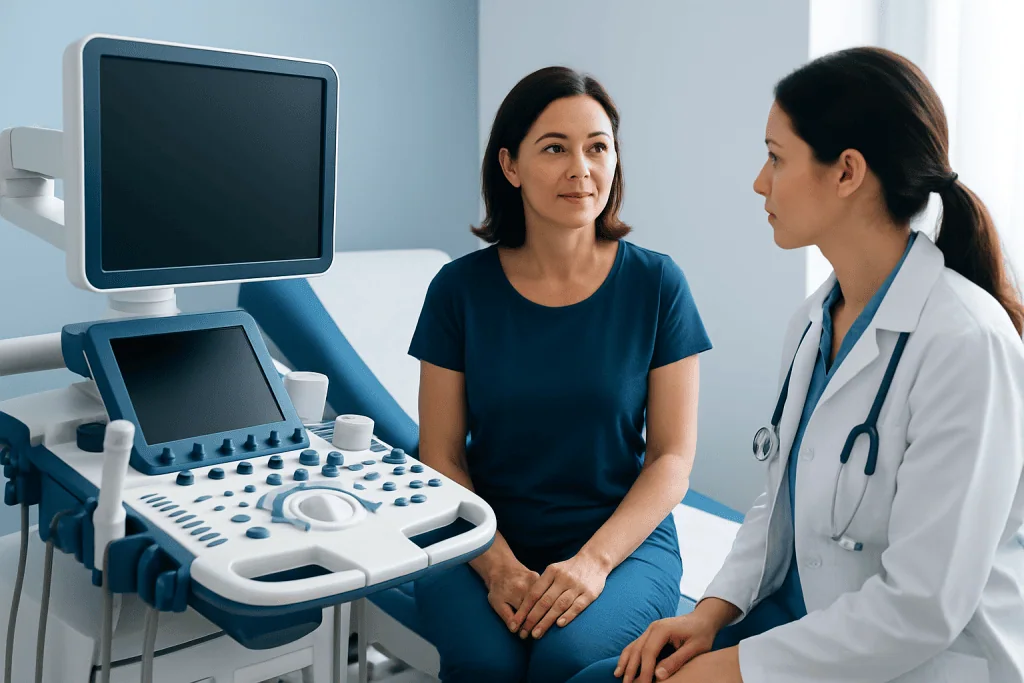
A women’s health checkup usually begins with a detailed discussion. The clinician may ask about menstrual cycles, pain, vaginal symptoms, contraception, fertility goals, pregnancies, sexual activity, urinary symptoms, breast changes, mood, sleep, and any family history of cancer, osteoporosis, heart disease, or blood clots. This conversation helps guide the rest of the visit.
Basic measurements often include height, weight, body mass index, and blood pressure. Depending on the setting, pulse, temperature, and other observations may also be taken. These simple checks can reveal early signs of common conditions such as hypertension or weight-related health risks.
A physical exam may include listening to the heart and lungs, checking the abdomen, and discussing whether a breast or pelvic exam is appropriate. Not every woman needs every exam at every visit. Pelvic exams are usually performed when there are symptoms, when cervical screening is due, or when they are needed to evaluate a concern such as pelvic pain or abnormal bleeding.
The visit is also a chance to talk openly about prevention. Topics may include vaccines, smoking, alcohol, physical activity, diet, sleep, stress, and safety in relationships. Many women also use these appointments to ask about menstrual changes, symptoms of polycystic ovary syndrome, or support for family planning.
Which Screening Tests Matter Most

The most important screening tests in women’s health checkups depend on age and risk profile. Common examples include blood pressure measurement, cervical cancer screening, breast screening, blood sugar tests, cholesterol checks, and screening for sexually transmitted infections when relevant. Vaccination review is also a routine part of prevention.
Cervical cancer screening is a key part of preventive care. Depending on age and local guidelines, this may involve a Pap test, human papillomavirus (HPV) test, or both. These tests do not diagnose every gynecologic problem, but they are very effective for identifying changes that may need follow-up. Women with symptoms such as bleeding after sex or unusual discharge should seek evaluation even if their last screening was normal.
Breast health assessment may include symptom review, awareness of normal breast changes, and mammography at the recommended age or earlier for higher-risk women. A checkup is also a good time to discuss family history and whether genetic counseling or specialized screening may be appropriate. If a lump or persistent change is found, further testing can be arranged promptly.
Other commonly considered tests include:
- Blood glucose or HbA1c to assess diabetes risk
- Cholesterol testing to estimate cardiovascular risk
- Screening for sexually transmitted infections based on age, pregnancy, and sexual history
- Bone density testing for osteoporosis risk, especially after menopause or with certain medical risk factors
- Colon cancer screening starting at the recommended age or earlier for increased risk
How Age and Life Stage Change the Plan
In the teenage years and twenties, women’s health checkups often focus on menstrual health, vaccination, sexual health, contraception, and screening for sexually transmitted infections when appropriate. Concerns such as painful periods, acne, irregular cycles, or symptoms of anemia are also common reasons for evaluation. Some women may need testing for hormonal conditions or guidance on pregnancy prevention and fertility planning.
In the thirties and forties, preventive care remains important, but the conversation may expand to include fertility, pregnancy planning, weight changes, migraines, thyroid symptoms, and early cardiovascular risk. Screening schedules for cervical cancer continue, and breast screening may begin depending on age, family history, and national recommendations.
During the perimenopausal and menopausal years, checkups often include discussion of hot flashes, sleep changes, mood shifts, vaginal dryness, bone health, and heart health. The risk of osteoporosis and metabolic conditions increases with age, so screening plans may change. Women who have had the uterus, ovaries, or breasts treated for a medical reason may need individualized follow-up.
After menopause, the focus often includes bone density, cardiovascular health, pelvic floor symptoms, urinary changes, and cancer screening based on age and previous results. Some women may need evaluation for abnormal postmenopausal bleeding, which should always be assessed. In selected cases, a clinician may recommend imaging or procedures such as hysteroscopy to investigate the uterine cavity.
When Extra Tests May Be Needed
A routine checkup sometimes leads to additional testing when symptoms or risk factors are present. For example, heavy periods, irregular bleeding, pelvic pain, infertility, or a suspected ovarian cyst may require a pelvic ultrasound, blood tests, or specialist review. Persistent symptoms should not be ignored simply because routine screening was normal.
Hormone tests are not needed for every woman, but they can be useful in specific situations such as menstrual irregularities, suspected thyroid disease, unexplained infertility, or some menopausal concerns. A doctor may also recommend iron studies for heavy periods, vitamin deficiency tests in selected cases, or urine tests for urinary symptoms.
If a screening result is abnormal, the next step depends on the finding. Follow-up might involve repeat testing, targeted imaging, biopsy, or referral to a specialist. For example, abnormal cervical screening may lead to closer assessment of the cervix, while unusual uterine bleeding may need imaging or procedures such as myomectomy if fibroids are found and treatment is appropriate.
Women with symptoms related to the pelvic floor, recurrent infections, or urinary leakage may also need more focused evaluation. In some cases, these concerns overlap with conditions such as endometriosis or other gynecologic disorders that are not detected by standard screening tests alone.
Prevention, Self-Care, and Questions to Ask
A women’s health checkup is not only about tests. It is also an opportunity to build daily habits that protect health over time. Regular exercise, a balanced diet, good sleep, stress management, avoiding tobacco, and limiting alcohol all support hormonal, heart, bone, and mental health. Preventive care is most effective when screenings are combined with healthy routines.
Keeping a record of menstrual cycles, symptoms, medications, allergies, and family history can make appointments more useful. Women may also want to bring questions about fertility plans, contraception, libido, skin changes, bone health, bladder symptoms, headaches, or changes in mood. Honest discussion helps the clinician recommend the most suitable next steps.
Helpful questions to ask during a checkup include:
- Which screenings are recommended now based on age and history?
- Do any symptoms need further testing?
- Are vaccinations up to date?
- What can lower the risk of heart disease, osteoporosis, or diabetes?
- Should family history change the screening schedule?
For women needing specialist assessment, treatment plans may involve gynecology, endocrinology, radiology, primary care, or mental health support. Near the end of the care pathway, some patients may benefit from services such as fertility treatment or referral for evaluation of chronic pelvic symptoms, depending on their goals and diagnosis.
When to See a Doctor Sooner
Routine women’s health checkups are important, but certain symptoms should be assessed without waiting for the next annual visit. These include heavy or prolonged bleeding, bleeding after menopause, pelvic pain, a new breast lump, nipple discharge, persistent bloating, painful intercourse, unusual vaginal discharge, or burning with urination. Prompt evaluation does not always mean something serious is wrong, but it helps clarify the cause early.
Women should also seek medical advice for missed periods when pregnancy is possible, recurrent urinary tract symptoms, severe period pain, sudden changes in menstrual patterns, or symptoms of anemia such as fatigue and dizziness. Emotional well-being matters too. Low mood, anxiety, sleep disturbance, or stress that affects daily life is a valid reason to ask for support.
Preventive visits should feel collaborative and respectful. If a woman has complex needs, she may be cared for by a multidisciplinary team. Acibadem International’s specialists in JCI-accredited hospitals diagnose and treat women’s health conditions for international patients, with care guided by individual needs and current medical standards.
Frequently asked questions
How often should women’s health checkups be done?
Many women benefit from a yearly well-woman visit, but the exact schedule depends on age, symptoms, chronic conditions, and personal risk factors. Some screening tests are not needed every year, so the visit is often used to review what is due and what can wait.
Do all women need a pelvic exam at every checkup?
No. A pelvic exam is not automatically required at every visit. It is usually performed when symptoms are present, when cervical screening is due, or when the doctor needs it to investigate a specific concern.
What is the difference between a Pap test and an HPV test?
A Pap test looks for abnormal cells on the cervix, while an HPV test looks for high-risk types of the human papillomavirus linked to cervical cancer. Depending on age and local guidance, a woman may have one of these tests or both together.
When should breast screening start?
Breast screening starts at different ages depending on national guidelines, personal history, and family history. Women at higher risk may need earlier or more specialized screening, so this should be discussed during a checkup.
Are blood tests always part of women’s health checkups?
Not always. Blood tests are chosen based on age, symptoms, family history, and risk factors such as diabetes, anemia, thyroid disease, or high cholesterol. A doctor can explain which tests are useful and which are not necessary.
What symptoms should not wait for a routine checkup?
Heavy bleeding, postmenopausal bleeding, pelvic pain, a breast lump, unusual discharge, persistent bloating, urinary burning, or painful sex should be evaluated sooner. Early assessment helps identify the cause and decide whether treatment is needed.
References
- World Health Organization
- American College of Obstetricians and Gynecologists
- U.S. Preventive Services Task Force
- Centers for Disease Control and Prevention
- National Institute for Health and Care Excellence
This article is for general information only and is not a substitute for professional medical advice. Please consult a qualified doctor about your individual situation.
Explore treatments in Turkey — costs, top hospitals & a free quote
JCI-accredited · board-certified surgeons · reply within 24h
Add us as a Preferred Source to see more of our trusted health content across Google Search, AI Overviews and Discover.
Check your numbers in seconds
BMI, calories, due date, blood pressure and 30+ more clinical calculators — free, instant, doctor-reviewed ranges.

More from the Health Library



Related Specialists

Dr. Murat Karakoç
Internal Medicine
Dr. Aylin İlksöz
Anesthesiology
Fzt. Yusuf Mücahit Turan
Physical Medicine & Rehabilitation
Dr. Okan Acıcbe
Aesthetic Plastic & Reconstructive Surgery