Your First Oncology Appointment: What to Expect Step by Step
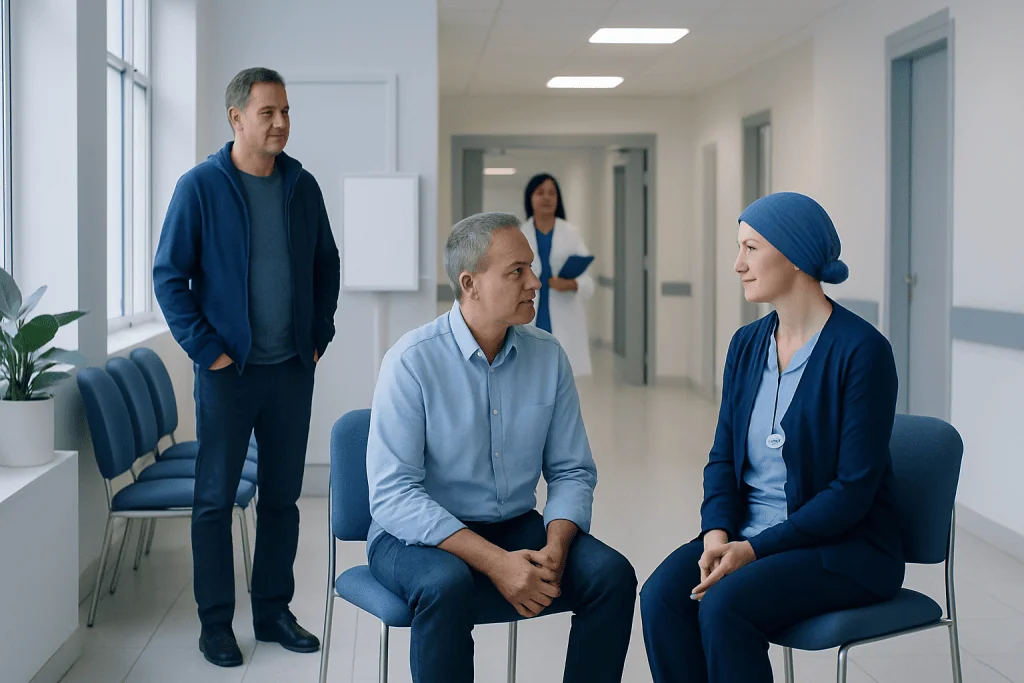
The first oncology appointment usually includes a medical history, physical exam, and review of scans, biopsy, and lab results. Patients may meet more than one specialist depending on the cancer type and treatment plan.
Key Takeaways
- The first oncology appointment usually includes a medical history, physical exam, and review of scans, biopsy, and lab results.
- Patients may meet more than one specialist depending on the cancer type and treatment plan.
- Bringing medical records, medication lists, and written questions can make the visit more productive.
- Treatment is personalized and may include surgery, chemotherapy, radiation therapy, targeted therapy, immunotherapy, or careful monitoring.
- It is normal to feel overwhelmed, and asking for clarification, support, or a second opinion is appropriate.
A first oncology appointment is designed to explain the diagnosis, review test results, and create a clear plan for next steps. Knowing what usually happens can help patients feel more prepared, informed, and supported.
Overview: the purpose of a first oncology appointment
An oncology appointment is the first detailed consultation with a cancer specialist after a concerning test, biopsy result, or confirmed diagnosis. The main purpose is to understand the patient’s medical situation clearly and to explain the next steps in a structured, understandable way. Although each case is different, most first visits follow a similar path.
During the appointment, the oncology team usually reviews symptoms, previous medical history, medications, pathology reports, imaging scans, and blood test results. The specialist may explain what type of cancer is suspected or confirmed, how advanced it appears, and whether more tests are needed before treatment decisions can be finalized.
This visit is also a chance for the patient and family to ask questions, discuss priorities, and understand the goals of care. For some people, the goal is cure. For others, treatment may focus on controlling the disease, reducing symptoms, and protecting quality of life. A clear conversation early on helps build trust and reduces uncertainty.
Before the visit: how to prepare
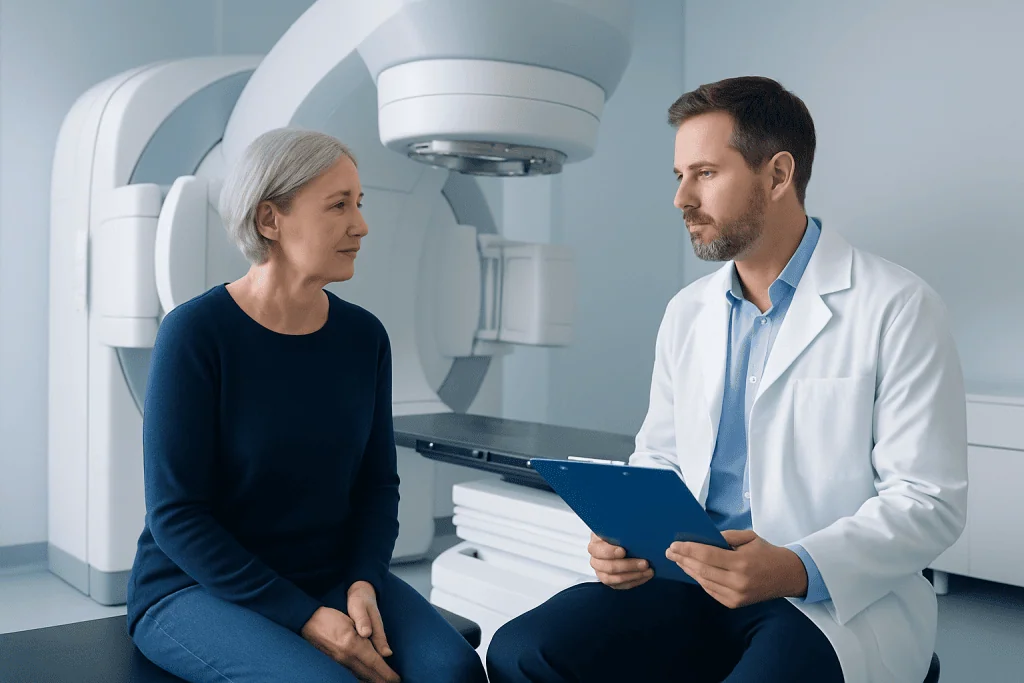
Preparation can make a first oncology appointment more useful and less stressful. Patients are often encouraged to bring identification, insurance or administrative documents if relevant, previous medical records, pathology reports, imaging discs or reports, and a current medication list. It can also help to bring notes about symptoms, when they started, and any recent changes in health.
Many people find it helpful to attend with a family member or trusted friend. A companion can provide emotional support, help remember details, and take notes during the discussion. If language support is needed, arranging an interpreter in advance can improve communication and comfort.
Writing questions down beforehand is one of the simplest ways to prepare. Common questions include what type of cancer is present, whether it has spread, what further tests are needed, which treatments are recommended, what side effects are possible, and how soon treatment should begin. Patients should feel comfortable asking for explanations in plain language whenever something is unclear.
- Bring a list of medicines, vitamins, and supplements
- Bring copies of biopsy, scan, and laboratory reports if available
- Prepare a brief timeline of symptoms and previous treatments
- Write down questions and priorities for the visit
- Consider bringing a support person
Step by step: what usually happens during the appointment

Most first oncology visits begin with a review of the patient’s history. The doctor or nurse may ask about symptoms, weight changes, pain, fatigue, previous illnesses, surgeries, allergies, smoking history, family history of cancer, and any earlier treatments or investigations. Even if this information appears in records, hearing it directly from the patient helps the team build a complete picture.
A physical examination may follow, depending on the type of cancer and the patient’s condition. The doctor may check vital signs, examine the affected area, feel for enlarged lymph nodes, and assess general health. In some cases, the physical exam is brief because the most important information comes from biopsy findings and imaging.
The next step is often a careful review of test results. The oncologist may discuss biopsy findings, the exact cancer type, tumor grade, biomarkers, and whether imaging suggests the disease is localized or has spread. If all results are not yet available, the specialist may explain which additional tests are needed before making a final plan.
At the end of the visit, the doctor usually outlines the next steps. These may include more tests, referral to another specialist, multidisciplinary discussion, or the start of treatment planning. Patients should leave with a clearer understanding of what is known, what remains uncertain, and what will happen next.
Understanding diagnosis, staging, and the care team
One of the most important parts of a first oncology appointment is understanding the diagnosis. Cancer is not a single disease, and treatment depends on the exact type, where it started, how the cells look under the microscope, and whether specific genetic or molecular features are present. These details guide treatment choices in a personalized way.
The doctor may also discuss staging. Staging describes how large the cancer is, whether nearby lymph nodes are involved, and whether it has spread to other parts of the body. In many cancers, staging requires information from scans, pathology, blood tests, and sometimes surgery. If staging is incomplete, the oncologist may explain that the plan will be refined after further testing.
Patients may meet different specialists depending on the diagnosis. These can include a medical oncologist, surgical oncologist, radiation oncologist, pathologist, radiologist, oncology nurse, dietitian, psychologist, and palliative care team. In many centers, cases are reviewed by a multidisciplinary team so that treatment recommendations reflect multiple expert perspectives.
Some people are referred after testing for conditions such as lung cancer or breast cancer, while others arrive because of an abnormal biopsy or scan that still needs clarification. In either situation, the first consultation is meant to organize the information and turn uncertainty into a practical plan.
Treatment options that may be discussed
Treatment discussions at a first oncology appointment are usually broad at first and become more specific once all test results are complete. The doctor may explain whether treatment is intended to remove the cancer, shrink it, lower the risk of recurrence, slow disease progression, or ease symptoms. The recommendation depends on the cancer type, stage, overall health, and the patient’s preferences.
Possible options may include surgery, chemotherapy, radiation therapy, targeted therapy, immunotherapy, hormone therapy, stem cell transplantation in selected blood cancers, or active surveillance. Some patients need one main treatment, while others benefit from a combination given in a planned sequence. The specialist may also discuss whether treatment should start quickly or whether there is time to complete further tests first.
The doctor may review likely benefits, common side effects, and how treatment could affect work, travel, fertility, appetite, energy, or daily routines. This discussion is not meant to overwhelm the patient, but to support informed decisions. Patients can ask the team to explain risks and benefits step by step and to repeat information if needed.
In some cases, a procedure such as PET-CT imaging may be recommended to clarify the extent of disease before treatment begins. If surgery is part of the plan, the patient may also be referred to a surgeon or another specialist to discuss timing and preparation in more detail.
Supportive care, emotions, and practical questions
Feeling anxious, numb, confused, or emotionally overwhelmed before and during an oncology appointment is very common. Many patients remember only part of the discussion, especially if the diagnosis is new. Asking for written instructions, printed summaries, or a follow-up call can help make the information easier to absorb.
Supportive care is an important part of cancer care from the beginning, not only in later stages. The oncology team may address pain, nausea, fatigue, sleep problems, nutrition, mental health, sexual health, and social concerns. Early support can improve comfort and help patients stay stronger during treatment.
Practical questions are also important. Patients may want to ask how often visits will be needed, whether treatment is outpatient or inpatient, what warning symptoms to report, and whether vaccinations, exercise, work, or travel plans need to change. If fertility preservation is relevant, it should be discussed before certain treatments begin.
Near the end of the process, some patients may choose care in a center that offers coordinated specialist services. Acibadem International’s multidisciplinary specialists in JCI-accredited hospitals diagnose and treat cancer for international patients, with care plans tailored to the individual’s diagnosis and needs.
After the appointment: next steps and when to seek help
After a first oncology appointment, the next steps may include additional blood tests, repeat imaging, genetic or molecular testing, biopsy review, or consultations with other specialists. Some patients are scheduled quickly for treatment, while others need a little more time to complete staging or confirm the best plan. A follow-up appointment is often used to review final results and start treatment decisions in more detail.
It is helpful for patients to review their notes after the visit and organize a folder with reports, appointment dates, and contact numbers. If something was not understood, calling the clinic for clarification is appropriate. Many people also find reassurance in asking for a second opinion, especially for complex diagnoses or major treatment decisions.
Urgent medical advice should be sought if severe symptoms develop, such as trouble breathing, chest pain, heavy bleeding, confusion, severe dehydration, or uncontrolled pain. If treatment has already begun, the team will usually provide specific instructions about fever, infection risk, vomiting, or other symptoms that need prompt attention.
Even when the process feels unfamiliar, an oncology appointment is meant to create direction and support. Clear communication, careful evaluation, and a personalized plan can help patients move forward one step at a time.
Frequently asked questions
How long does a first oncology appointment usually take?
A first oncology appointment is often longer than a routine clinic visit because the doctor needs time to review records, ask questions, and explain the findings. The exact length varies, but patients should usually expect enough time for a detailed discussion and questions.
Should a family member come to the appointment?
Many patients find it helpful to bring a family member or trusted friend for support. A companion can take notes, help remember information, and provide comfort during an emotionally difficult conversation.
Will treatment start at the first oncology appointment?
Sometimes treatment planning begins at the first visit, but treatment itself does not always start that day. Many patients need additional tests, pathology review, staging, or consultations with other specialists before a final treatment plan is confirmed.
What questions should be asked at a first oncology appointment?
Useful questions include what type of cancer is present, what stage it is, whether more tests are needed, and what treatment options are recommended. Patients may also ask about side effects, treatment goals, timing, work and daily life, and whether a second opinion would be helpful.
Is it normal to feel overwhelmed during the visit?
Yes. It is very common to feel anxious or have trouble taking in all the information at once. Asking the doctor to repeat key points, provide written instructions, or schedule a follow-up discussion can help.
What if all test results are not ready yet?
This is common and does not always mean something is wrong. The oncologist may explain what is known so far, which results are still pending, and how those results may affect staging or treatment choices.
References
- National Cancer Institute
- American Society of Clinical Oncology
- European Society for Medical Oncology
- World Health Organization
- National Comprehensive Cancer Network
This article is for general information only and is not a substitute for professional medical advice. Please consult a qualified doctor about your individual situation.
Oncology care in Turkey — second opinion and treatment plan
JCI-accredited · board-certified surgeons · reply within 24h
Add us as a Preferred Source to see more of our trusted health content across Google Search, AI Overviews and Discover.

Medical Oncology Department
Medical treatment of cancer with chemotherapy, immunotherapy and targeted therapies under a multidisciplinary tumor board.
60 specialists in this unit