

Discharge Day in Turkey: What to Check Before Leaving the Hospital
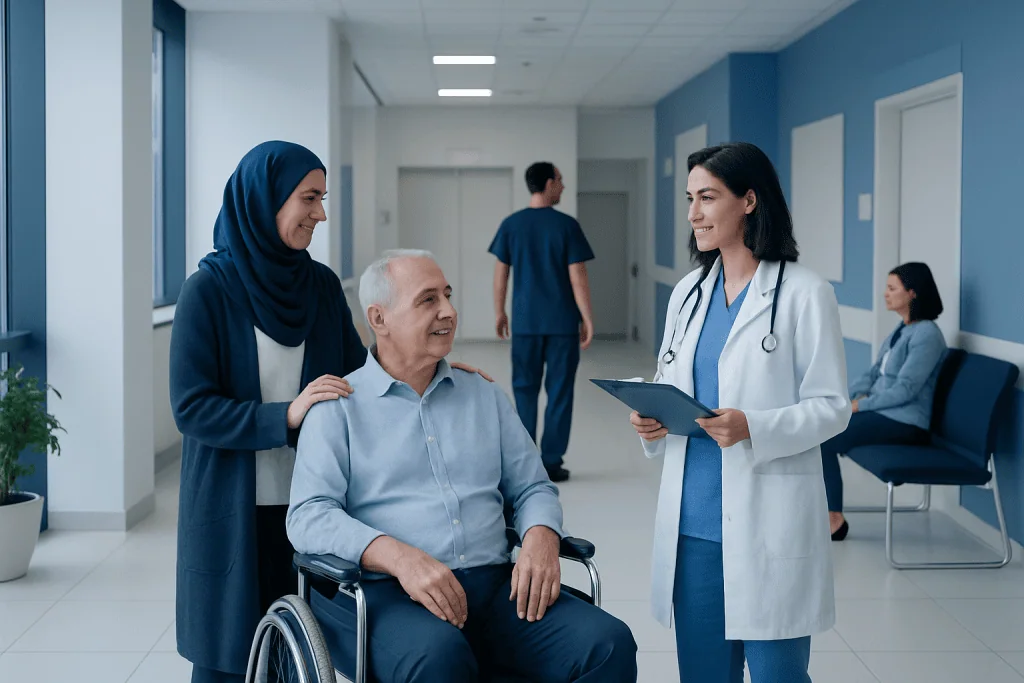
Before you leave, make sure you have your discharge summary, prescriptions with a clear medication schedule, test or imaging reports, follow-up appointment details, billing papers, and emergency numbers. Ask for a hands-on demonstration of any wound or dressing care, confirm you have enough supplies for the next few days, and check with your doctor that your planned transfer or flight is safe.
Your bag is packed, the transfer is booked, and someone hands you a folder of papers. This is exactly the moment to slow down for ten minutes.
Discharge day is busy, and it is easy to nod along and sort things out later from your hotel room. But later is harder, especially in another country. This guide helps you make sure you leave your hospital in Turkey with the right documents, medicines, travel plan, and follow-up instructions so your recovery continues smoothly.
At a glance
- Best time to prepare: Start reviewing discharge details 24 hours before you leave
- Main priorities: Documents, medicines, transport, wound care, follow-up, emergency contacts
- Who can help: Your doctor, ward nurse, case coordinator, and interpreter
- Travel planning: Confirm if you are fit for hotel transfer, airport travel, or a flight
- Language support: Ask for translated instructions or interpreter support before discharge
What discharge day really means
Discharge day in Turkey is not only the moment you leave your room and head back to your hotel or the airport. It is the handover point between hospital-based care and your next stage of recovery, which may include rest at your accommodation, outpatient checks, online follow-up, or your return flight home.
On this day, you should expect practical instructions as well as medical guidance. You may receive prescriptions, a discharge summary, wound care advice, activity limits, and a plan for future appointments. If anything is unclear, this is the right time to ask for clarification rather than trying to solve it later from your hotel room or after you have reached another country.
If you are an international patient, logistics matter just as much as treatment instructions. At Acibadem International, patients often work with international patient services, interpreters, and care coordinators to make sure discharge plans are understandable and realistic, especially when transport, hotel recovery, or onward travel needs to be arranged.
The documents you should leave with

Before leaving the hospital, make sure you receive all essential paperwork in a format you can use later. The most important item is your discharge summary, which usually explains why you were admitted, what treatment or procedure you had, your current condition, and the next steps in your care. Keep both printed and digital copies if possible.
You should also ask for your prescriptions, medication list, investigation results if relevant, imaging reports or copies when needed, fit-to-fly guidance if applicable, and any invoices or payment records required for insurance reimbursement. If you will continue care in your home country, these documents can help your local doctor understand what was done and what follow-up is still needed.
If English is not your first language, ask whether instructions can be explained with an interpreter or given in a language you understand. In large international hospitals in Istanbul and other parts of Turkey, this is often easier to arrange before you leave than after discharge. Do not assume you will remember details from a verbal conversation alone.
- Discharge summary
- Prescriptions and medication schedule
- Test and imaging reports, if needed
- Follow-up appointment details
- Billing or insurance documents
- Emergency contact numbers
Medicines, dressings, and home-care supplies
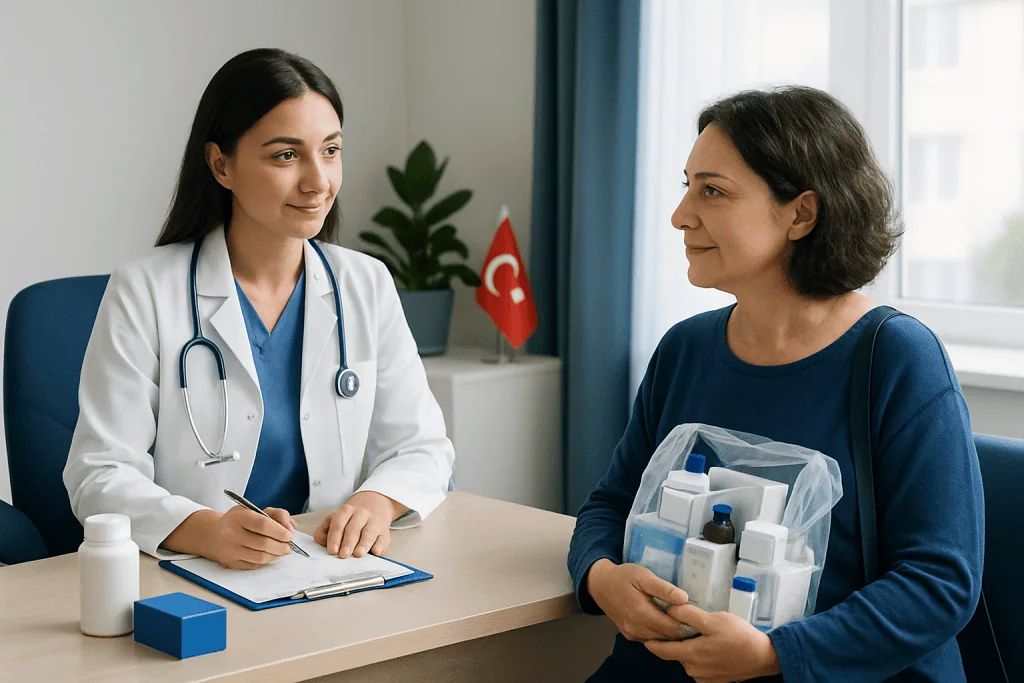
One of the most common discharge problems is leaving without fully understanding your medicines. Ask what each medication is for, when to take it, whether it should be taken with food, and how long you need it. Confirm which medicines are new, which older medicines you should continue, and whether any regular medication should be paused or restarted.
If you have a wound, drain, compression garment, bandage, or other aftercare need, ask for a demonstration before you go. It is much easier to feel confident when a nurse shows you how to clean an area, change a dressing, or watch for signs of concern. If your companion will help you, ask them to be present during the explanation.
Also check whether you are leaving with enough supplies for the next few days. Depending on your treatment, you may need dressings, gauze, antiseptic products, support stockings, or nutrition advice. If you are staying in a hotel, think practically: will you have a refrigerator for medicines if required, enough drinking water, and a safe, clean space to rest?
Planning your journey from hospital to hotel or airport
Do not treat transport as an afterthought. Even a short ride can feel tiring after treatment, and some patients need a slower, more comfortable transfer than a standard taxi. Before discharge, confirm how you are getting to your hotel, apartment, rehabilitation setting, or airport and whether you need assistance with luggage, wheelchairs, or stairs.
Ask your care team whether you are medically ready for the type of journey you have planned. The key question is not only, “Can I leave the hospital?” but also, “Can I safely manage the next stage of travel?” Your doctor may advise limits on sitting time, lifting bags, eating before travel, or flying too soon after certain procedures or treatments.
Acibadem International often supports international patients with practical coordination such as transfer planning, accommodation communication, and guidance on timing. If you are flying out of Turkey, confirm whether you need a fit-to-fly note, extra legroom, airport wheelchair assistance, or a short delay before departure to make your travel safer and more comfortable.
Questions to ask before you leave
Many patients feel rushed on discharge day, especially if relatives are waiting, payment is being finalized, or transport has arrived. To avoid missing important information, prepare a short list of questions in advance. Even simple points can make a big difference later, such as when you can shower, how much you can walk, or when it is safe to return to work or take a long flight.
You should also ask what warning signs need urgent attention. These may include fever, bleeding, increasing pain, breathing difficulty, swelling, wound redness, vomiting, or trouble eating and drinking, depending on your treatment. Ask who to contact during office hours, at night, on weekends, and after you return home.
If your care continues after discharge, confirm the exact format of that follow-up. Some patients need a hospital visit in a few days, while others may have a remote check-in, lab test, dressing change, or review with a local doctor. The more specific the plan, the less stressful the days after discharge will feel.
How to prepare for follow-up after you return home
Good discharge planning includes what happens after you leave Turkey, not just what happens before you exit the hospital. If you will see your own doctor at home, organize your records so they are easy to share. Keep one folder with your discharge summary, medication list, pathology or imaging results if relevant, and the names of any devices, implants, or special materials used in your care.
It is also wise to ask how Acibadem International or your hospital team prefers to receive updates if needed. Some patients send photos of healing areas, upload reports, or arrange online follow-up conversations. Make sure you know which channel is appropriate and what kind of information should be sent urgently rather than waiting.
Finally, be realistic about recovery. You may feel happy to leave the hospital and still be tired, sore, or emotionally drained. Build in rest, hydration, simple meals, and extra time for travel. A well-planned discharge helps you move more confidently from hospital care in Turkey to recovery at home.
Step by step
- Review your discharge plan the day before. Ask your nurse or coordinator when discharge is expected and what needs to be completed first. This gives you time to organize payment, transport, medicines, and questions without last-minute pressure.
- Collect and check all medical documents. Before you leave, confirm that your discharge summary, prescriptions, test results, and follow-up instructions are complete and readable. If you need copies for insurance or your doctor at home, ask for them before you exit the hospital.
- Go through each medicine one by one. Do not leave with a bag of medicines you do not fully understand. Ask what each item is for, when to take it, how long to continue it, and what side effects or warning signs should make you call for advice.
- Get a practical demonstration of aftercare. If you have dressings, drains, compression items, injections, or mobility precautions, ask for hands-on instruction. Have your companion listen too, especially if they will help you after discharge.
- Confirm travel readiness and transport details. Make sure your doctor agrees with your plan to go to a hotel, travel by car, or fly home. Check whether you need a wheelchair, airport support, fit-to-fly paperwork, or more recovery time before onward travel.
- Save the right contact numbers. Keep the hospital, international patient services team, and emergency contact details in your phone and on paper. Ask exactly who to call during the day, overnight, and after you return to your home country.
- Schedule your next check-in before you leave. Whether your follow-up is in person or remote, confirm the date, time, and method before discharge. It is much easier to leave feeling settled when you already know what the next step is.
Your checklist
- Discharge summary collected
- Prescriptions received and explained
- Enough medicines and dressings for the next few days
- Warning signs and emergency instructions understood
- Follow-up appointment or remote review confirmed
- Transport to hotel or airport arranged
- Fit-to-fly or travel note requested if needed
- Insurance, billing, or payment papers packed
- Interpreter support used for anything unclear
Key takeaways
- Start discharge planning before the day you leave, not at the last minute.
- Take all key documents with you, including your discharge summary and prescriptions.
- Make sure you understand medicines, wound care, activity limits, and warning signs.
- Confirm that your transport and any flight plans are safe for your stage of recovery.
- Know exactly how follow-up will work in Turkey and after you return home.
Frequently asked questions
What documents should I ask for on discharge day in Turkey?
At minimum, ask for your discharge summary, prescriptions, and clear follow-up instructions. Depending on your treatment, you may also need imaging or lab reports, a medication list, billing records, and travel-related notes such as a fit-to-fly letter.
Can I fly home immediately after leaving the hospital?
That depends on your condition, your treatment, and how long the journey will be. Always ask your doctor whether flying is appropriate, whether you need to wait, and whether you need airport assistance or specific precautions during travel.
What if I do not understand the discharge instructions?
Do not leave until the instructions have been explained in a way you understand. Ask for an interpreter, written notes, or a step-by-step review with the nurse or international patient coordinator if needed.
Should my companion be present during discharge?
Yes, if possible, especially if they will help you with medicines, dressings, or travel. A second person often remembers details you may miss when you are tired or focused on getting ready to leave.
What should I do if I feel worse after leaving the hospital?
Follow the urgent advice given in your discharge instructions and contact the hospital or emergency services if needed. Do not wait for a scheduled follow-up if you have serious symptoms such as heavy bleeding, trouble breathing, severe pain, fainting, or signs of infection.
How is follow-up usually arranged for international patients?
Follow-up may happen in person in Turkey, by phone or video, or through your local doctor with records shared back to the treating team. Hospitals with international patient services, including Acibadem International, can often help coordinate the practical side of this process.
Add us as a Preferred Source to see more of our trusted health content across Google Search, AI Overviews and Discover.

More Patient Guides
Returning Home with New Medical Restrictions: A Travel Planning Guide
Returning home with medical restrictions: plan safe travel from Turkey with medical clearance, documents, medication and follow-up support.
8 min read
How to Prepare a Caregiver for Your Recovery at Home
Caregiver preparation for recovery at home helps you plan safe support, medicines, appointments and warning signs after treatment in Turkey.
8 min read
Remote Results Review After Returning Home: When to Book Your Next Check-In
Remote results review after treatment in Turkey helps you plan follow-up safely, understand results and know when to contact your care team.
8 min read
Compression Stockings for Travel After Treatment in Turkey
Compression stockings for travel after treatment in Turkey can support circulation, but use them only as advised by your care team.
8 min read