

How to Plan Meals Around Tests and Procedures in Turkey

Treat your appointment instructions as the final word. Confirm three things in writing: when your last solid food is allowed, whether water is permitted, and how your regular medicines fit the plan. Then work backwards — a sensible evening meal, reminders set for the cut-off time, and a plain first meal ready for afterwards. Different tests carry different rules, even on the same day, so never assume one instruction covers everything.
Can you drink water before the scan? Does a fasting blood test mean skipping breakfast entirely, or is tea allowed? These are the questions that keep patients awake the night before an appointment — especially when the hotel breakfast starts at seven, the hospital transfer arrives at eight, and nobody has told you which one wins.
Knowing how to plan meals around tests and procedures in Turkey removes most of that uncertainty. When you know when to stop eating, what you may still drink, how your medicines fit in, and what your first meal afterwards should look like, the day runs on schedule and you can put your attention where it belongs: on the care itself. This guide walks through the rules hospitals actually use, the questions worth asking before you travel, and the practical food logistics of being a patient in an unfamiliar city.
At a glance
- Best for: International patients arranging blood tests, scans, endoscopy, day procedures, or pre-surgical checks in Turkey
- Main goal: Match your meals, fluids, and medicine timing to your exact appointment schedule
- Most important rule: The written instructions for your specific appointment override every general rule, including the ones in this guide
- Three things to confirm: Last solid food, whether water is allowed, and what to do about regular medicines — a decision that belongs to your treating doctor
- What to prepare: A plain evening meal, phone reminders for the cut-off time, and a simple first meal ready for after the appointment
- Useful reminder: Two tests on the same day can carry two different sets of food rules
Start with the written instructions for your specific appointment
The safest way to plan meals around tests and procedures in Turkey is to treat your appointment instructions as the final word. A blood test, an MRI, a CT scan with contrast, an endoscopy, a colonoscopy, a biopsy, or anything involving sedation or anaesthesia — each can carry a different rule about eating, drinking, and medicine timing. Even if you have had a similar test at home, this appointment may differ because of the time of day, the anaesthesia plan, or your own medical history. General advice, including everything in this guide, exists to help you understand your instructions, not to replace them.
Ask for the instructions in writing. This matters more when you are travelling: a written note removes doubt when you are tired, jet-lagged, or juggling several appointments. If English is not your first language, ask for clarification through an interpreter or your international patient coordinator, so that words like fasting, clear liquids, light meal, and nothing by mouth mean the same thing to you as they do to the team. This is exactly the sort of question worth settling before you fly rather than the night before the test.
Whatever the appointment, confirm three points. First, when your last solid food is allowed. Second, whether water is permitted, and until what time — many patients assume fasting always means no water, but some appointments allow water up to a set point while others restrict all oral intake. Third, what happens with your regular medicines. Getting these three answers in advance is the single most reliable way to avoid a delayed or cancelled appointment. Our separate guide to fasting before tests and procedures in Turkey covers the fasting side in more depth.
Know the common meal rules: fasting, clear fluids, and light foods
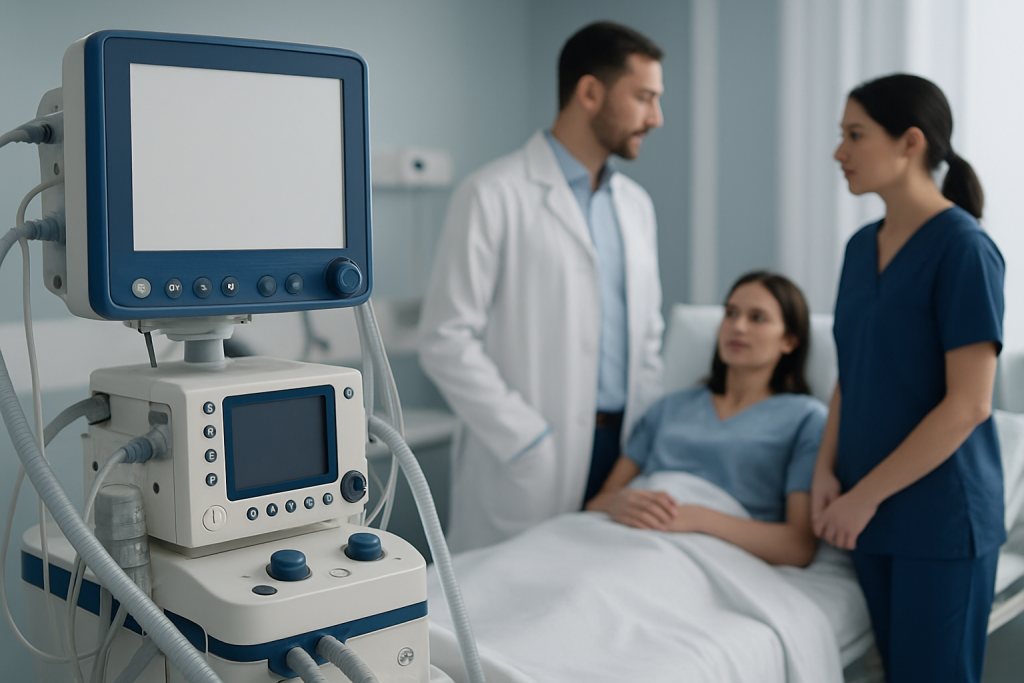
Meal planning becomes far easier once you understand the categories hospitals actually use. Fasting means no food for a set period before your appointment. Depending on the test, you may also be asked to avoid milk, juice with pulp, chewing gum, sweets, and supplements, because these can affect imaging quality, blood results, or the safety of sedation. Clear fluids generally means liquids you can see through — water and certain approved drinks — but the exact list varies by hospital and procedure, so treat it as a question to confirm rather than a rule to assume. A light meal means something plain, modest in size, and easy to digest: not heavy, oily, spicy, or large.
Different appointment types tend to sit in different categories. The table below shows the general pattern — your own instructions always take precedence.
| Appointment type | What preparation usually involves | What to confirm |
|---|---|---|
| Blood tests | Some panels require fasting beforehand; many others need no preparation at all | Whether your specific panel is a fasting one, and whether water, tea, or coffee are allowed |
| MRI or CT without contrast | Often no food restriction, though exceptions exist | Whether your particular scan has any eating or drinking rule |
| CT or MRI with contrast | May involve a fasting window before the contrast is given | The exact cut-off time for food and for fluids |
| Abdominal ultrasound | Commonly requires an empty stomach so the images are clear | How long to fast and whether water is permitted or required |
| Endoscopy | Fasting so the stomach is empty for the camera and for sedation | Cut-off times for solids and clear fluids |
| Colonoscopy | A modified diet the day before plus bowel preparation, not just a simple fast | The full day-before eating plan and the preparation schedule |
| Sedation or anaesthesia | Strict fasting windows for solids and fluids, set by the anaesthesia team | Separate cut-off times for food and for clear fluids |
Two cautions apply across all of these. Do not rely on internet fasting times, because the safe window depends on your procedure, your health, and the anaesthesia plan. And do not assume a test without anaesthesia has no food rules — an abdominal ultrasound involves no sedation at all, yet still usually needs an empty stomach. If you are unsure whether coffee, tea, yoghurt, soup, or a protein shake counts as allowed, ask directly rather than guessing. Vitamins, herbal products, and sports drinks should also stay out of the plan unless your team has approved them.
Plan the day before so you are not rushed or overly hungry

Most fasting problems are really planning problems. If you must fast overnight, eat a balanced evening meal at the time your team recommends, rather than eating very late or unusually heavily. A sensible dinner helps you feel steadier in the morning without sitting uncomfortably through the night. Then work backwards from the cut-off: set a phone alarm for the last permitted food and, if different, the last permitted fluids. An alarm sounds trivial until you are half-asleep at six in the morning reaching for the hotel kettle.
If your appointment is in the afternoon and a light breakfast is allowed, decide the night before what that breakfast will be and where it will come from. Check the hotel’s breakfast service hours; if they do not match your cut-off time, buy suitable food and approved drinks in advance so you are not searching an unfamiliar street at dawn. Small markets in Turkish cities generally open early and stock plain bread, bananas, crackers, and bottled water, but relying on that is a plan B, not a plan A. If you have come for a short diagnostic trip, our guide to flying to Turkey for tests only covers how to fit fasting windows around flights and jet lag.
The day before is also the right moment to think past the appointment. Ask what you will be allowed to eat afterwards and whether it is sensible to have a small snack with you or waiting in your room. After sedation in particular, your first meal usually needs to be light, and you may not feel like going out to find one. Having plain, familiar food already in place beats deciding while tired and hungry.
Coordinate meals with medicines, diabetes, and special diets
Meal planning and medicine timing are the same conversation. Some medicines are normally taken with food; some may be taken with a small sip of water during a fast; others may need their timing adjusted around a procedure. Which applies to you is a decision for your treating doctor — never pause, skip, or change a medicine on your own initiative because a fasting instruction seems to conflict with it. Instead, list everything you take, including insulin, diabetes tablets, blood thinners, injections, stomach medicines, and supplements, and ask the team to walk you through the plan for the day.
If you have diabetes, do not build your own fasting plan. A long gap without food affects blood glucose, and the effect changes again if medicine timing shifts on the same day. Tell the team your usual meal times, your treatment routine, and whether fasting has caused you low blood sugar in the past, and let them set the schedule for meals, medicines, and monitoring. This is a routine conversation for hospital teams, and having it early is far easier than improvising on the morning of the test.
Special diets deserve the same early mention. If you are vegetarian, vegan, gluten-free, allergic to specific foods, or expect to need soft foods after a procedure, say so when the appointment is arranged. A large hospital group can accommodate most dietary needs, but only the needs it knows about. Worth knowing too: the results of preliminary tests sometimes reshape the schedule itself, which can shift your meal plan along with it — our guide to pre-admission tests in Turkey explains why that happens.
Eating between appointments: the local practicalities
Turkey makes eating well between appointments easy, and occasionally makes eating lightly hard. A traditional Turkish hotel breakfast is generous — cheeses, olives, eggs, pastries, honey — and it does not pair well with an instruction to eat a light meal. If your instructions say light, choose plain bread, a banana, or simple yoghurt from the buffet and leave the rest for another morning. Remember also that tea and coffee are offered constantly and count as intake: during a fasting window, a politely declined çay is part of the plan.
A few local habits work in your favour. Soup (çorba) is on almost every menu, including plain lentil varieties that suit a gentle stomach; plain rice, bread, and grilled rather than fried dishes are easy to find; and bottled water is sold everywhere and is the sensible default for visitors. Keep a small stock in your room if your instructions permit it: bottled water, plain crackers or toast, bananas, and something soup-like for a late return from hospital. If you are combining treatment with some tourism, keep the food side simple on test days — our guide to planning safe sightseeing around medical treatment in Turkey covers how to balance the two without compromising your schedule.
One logistical note: if your hospital transfer time changes, tell the team, because even a small shift in pickup can move your effective fasting window. Keep your appointment times, written instructions, hotel details, and transport plan together in one place on your phone so the whole day reads as a single timeline.
What to do after the test or procedure
Your body may need time to settle before normal eating resumes. Some patients eat and drink straight away; others wait until nausea passes, swallowing feels comfortable, or the team confirms it is safe. The reliable approach is to ask before the procedure what your first drink and first meal should look like, so the answer is already in your plan rather than a question you are trying to ask while groggy.
In most cases, gentle works: water first if allowed, then a light snack or a simple meal rather than something rich. After sedation you may feel sleepy or slightly unsettled, which is exactly when plain, familiar food in your room earns its place. After bowel preparation or a long fast, reintroducing food gradually usually feels better than one large meal. Listen for any specific instructions about alcohol, spicy food, very hot drinks, or when your usual diet can resume, and note them down before you leave.
If your trip continues into an operation, the food planning changes character — pre-surgical fasting is stricter and post-surgical eating more structured. Our guide to planning meals around surgery and recovery in Turkey picks up where this one ends.
When one trip involves several tests
Many international patients come for a cluster of appointments rather than a single test, and this is where meal planning genuinely earns its keep. Two tests on the same morning can carry two different rules: a fasting blood draw followed by a scan with no restriction at all, or an ultrasound that needs an empty stomach scheduled hours after a blood test that did not. The practical answer is to plan meals around tests and procedures in Turkey day by day, not as one blanket rule for the whole trip. Ask which appointment on each day is the restrictive one, and let that appointment set the day’s eating pattern.
Where the schedule allows, teams often try to place fasting tests early in the morning so that the fast simply extends your night’s sleep and breakfast follows the appointment. If your itinerary spreads across several days, our guide to planning meals around treatment appointments in Turkey looks at the multi-day rhythm in more detail. And keep perspective: during a treatment trip, the goal is not perfect nutrition at every moment. It is safe timing, adequate hydration when allowed, and meals you tolerate well. A calm, boring food plan is usually the best one.
Step by step
- Read your instructions as soon as the appointment is confirmed. Note the exact time of the test or procedure and every food, drink, and medicine rule attached to it. Ask for anything unclear to be explained — in writing, and through an interpreter if that helps — well before the day itself.
- Confirm the three key answers. Last permitted solid food, whether water is allowed and until when, and how your regular medicines fit the day. The medicine plan comes from your treating doctor, not from you.
- Work backwards from the cut-off. Plan your last meal and allowed fluids around the fasting start time, and set phone reminders so you do not eat or drink too late by accident.
- Keep the last permitted meal plain. If a light meal is allowed, choose simple, easy-to-digest food in a modest portion, and skip the generous hotel breakfast that day.
- Prepare the after-plan before you leave your room. Know what your first drink and first meal should be, and have a light snack or simple room food arranged so nothing depends on how energetic you feel afterwards.
- Report anything that changed. If you accidentally ate or drank during the fasting window, or missed a medicine, tell the hospital team before the procedure. An honest report early is always better than a surprise later — sometimes the plan can proceed, sometimes it is adjusted, and that judgement belongs to the team.
Your checklist
- Written appointment instructions saved on your phone
- Exact fasting start time confirmed — solids and fluids separately
- Medicine plan for the day confirmed with the treating doctor
- Simple last meal planned and timed
- Approved fluids checked, including whether tea and coffee count
- Post-procedure snack or simple meal arranged in advance
- Hotel breakfast hours checked against your cut-off time
- Transport to and from hospital confirmed, with the team told of any change
Key takeaways
- Your hospital’s written instructions outrank every general rule, including the ones in this guide.
- Fasting, clear fluids, and light meal are defined terms — confirm what each means for your specific appointment.
- Tests without anaesthesia can still carry food rules; two tests on the same day can carry different ones.
- Medicine timing is part of meal planning, and every change to it belongs to your treating doctor.
- Plan both the last permitted meal and the first meal afterwards — the second one matters more than most patients expect.
Frequently asked questions
How many hours before a procedure should you stop eating?
There is no single answer that covers every appointment. Some tests need only a short fast, others need a longer window, and procedures with sedation or anaesthesia usually have separate cut-off times for solids and for clear fluids. Use the timing given for your specific appointment, because the safe window depends on the procedure and on your own medical situation.
Can you drink water while fasting for a test in Turkey?
Sometimes yes, sometimes no. Many appointments allow water up to a set time; others restrict all oral intake. Some abdominal ultrasounds even ask you to drink water so the bladder is full. The only reliable approach is to confirm the exact fluid rule for your specific appointment rather than assuming water is always fine.
Do tea and coffee count during a fasting window?
Treat them as intake unless told otherwise. Tea and coffee are not water, and milk or sugar changes the picture further. Turkish hospitality means tea will be offered often, so it helps to know your rule in advance and decline politely during the fasting window.
What is a light meal before a test or procedure?
Something plain, modest in portion, and easy to digest — simple bread, a banana, plain yoghurt if permitted. It does not mean a full Turkish breakfast buffet, a greasy takeaway, or a rich restaurant meal. If the instruction is not specific, ask what foods are acceptable.
What if you accidentally eat or drink during the fasting period?
Tell the hospital team as soon as possible, even for a small amount. Depending on the test or procedure, they may proceed as planned, adjust the timing, or reschedule for safety. An honest early report protects both your results and your safety; staying quiet protects neither.
How should you plan meals if you have diabetes?
Not on your own. Fasting affects blood glucose, and shifting medicine timing on the same day affects it again, so the meal, medicine, and monitoring plan for the day should come from your care team. Tell them your usual routine and any past experience of low blood sugar during fasting, and let them set the schedule.
Can you eat normally right after a procedure?
Not always. Some patients return to normal food quickly; others start with water and a light meal, particularly after sedation or digestive procedures. Ask before the procedure what your first drink and meal should be and whether anything — alcohol, spicy food, very hot drinks — should wait until later.
Add us as a Preferred Source to see more of our trusted health content across Google Search, AI Overviews and Discover.

Update history
- PublishedAugust 21, 2026
- Medical review approvedSeptember 2, 2026
- Last content updateSeptember 2, 2026
References2
- Fasting for a Blood Test — MedlinePlus — medlineplus.gov
- General anaesthesia — NHS — nhs.uk
More Patient Guides
When a Hospital Stay in Turkey Becomes Longer Than Planned: What to Arrange
If your hospital stay in Turkey is longer than planned, arrange medical updates, accommodation, travel changes, insurance and support for your companion.
8 min read
How to Handle Laundry During a Longer Treatment Stay in Turkey
Laundry during a longer treatment stay in Turkey is manageable with hotel services, local laundries and support from your patient coordinator.
8 min read
Waiting for Test Results in Turkey: How to Use Time Between Appointments
Waiting for test results in Turkey is easier with a clear plan for appointments, rest, records, questions and support in Istanbul.
8 min read
Unexpected ICU Stay in Turkey: What Patients and Families Should Expect
Unexpected ICU stay in Turkey: learn what patients and families can expect, from communication and visiting to care updates and travel support.
8 min read