

Radiotherapy in Turkey: Daily Session and Skin Care Checklist
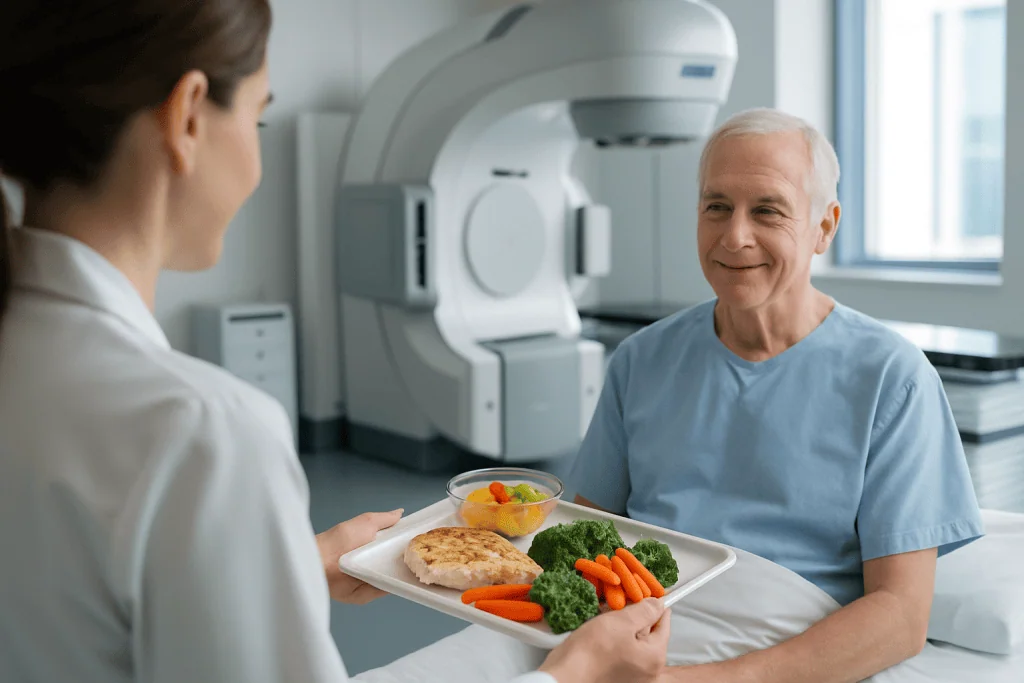
Daily radiotherapy in Turkey follows a fixed weekday rhythm: short sessions, careful positioning, and gentle skin care in between. Arrive early, wear loose clothing, keep the treated area clean and dry, and use only products your oncology team has approved. Good preparation, records in order, a confirmed schedule, a small daily bag, makes each treatment day noticeably easier.
Two questions come up on almost every first day of radiotherapy in Turkey: how will the daily routine actually work, and what am I allowed to put on my skin? This guide answers both, plainly, and in the order you will need the answers.
Radiotherapy is unusual among cancer treatments because it is built around repetition. The individual sessions are short, but they happen most weekdays, often for several weeks, and the small details, clothing, timing, skin products, transport, repeat with them. Get those details right in the first week and the remaining weeks become far more manageable. If you want the wider picture of how treatment days fit together with hospital support services, the companion guide on daily routine and support services during radiotherapy covers that side in more depth.
At a glance
- Best for: International patients preparing for a course of daily radiotherapy sessions in Turkey
- Main focus: The session-day routine, a practical skin care checklist, and what to organise around appointments
- Typical schedule: Weekday sessions over several weeks, set individually by your radiation oncology team
- Skin rule: Use only products your oncology team has approved on or near the treated area
- Support to ask about: Interpreter arrangements, appointment coordination, transport guidance, and accommodation near the hospital
Before Your First Session: How Radiotherapy in Turkey Is Planned
Radiotherapy in Turkey follows the same clinical logic as radiotherapy anywhere: the treatment is planned before it is delivered, and the plan is specific to you. Before daily sessions begin, your team reviews your diagnosis, imaging and pathology reports, previous treatment notes and current medicines. If documents from home are not in English or Turkish, ask early whether translation is needed: it is one of the most common causes of avoidable delay for international patients.
Most patients then have a planning visit, sometimes called simulation. This usually involves a scan in the exact position you will hold during treatment. The team may make small skin marks, use a mould or mask, or fit positioning supports so that the same area is treated the same way at every session. You will also receive practical instructions for your specific treatment area, for example, whether to arrive with a full or empty bladder, or whether to keep the skin free of creams before sessions. These instructions vary by treatment site, so advice from other patients, however well meant, may not apply to you.
At Acibadem, international patient coordinators help with the practical layer around this: appointment times, interpreter support, hospital directions and documentation. If a medical term or instruction is unclear, ask for it to be repeated through the interpreter and written down. If you are still weighing options between countries, it is worth reading what to check before comparing treatment in Turkey with care at home before your plan is finalised.
What a Daily Session May Feel Like
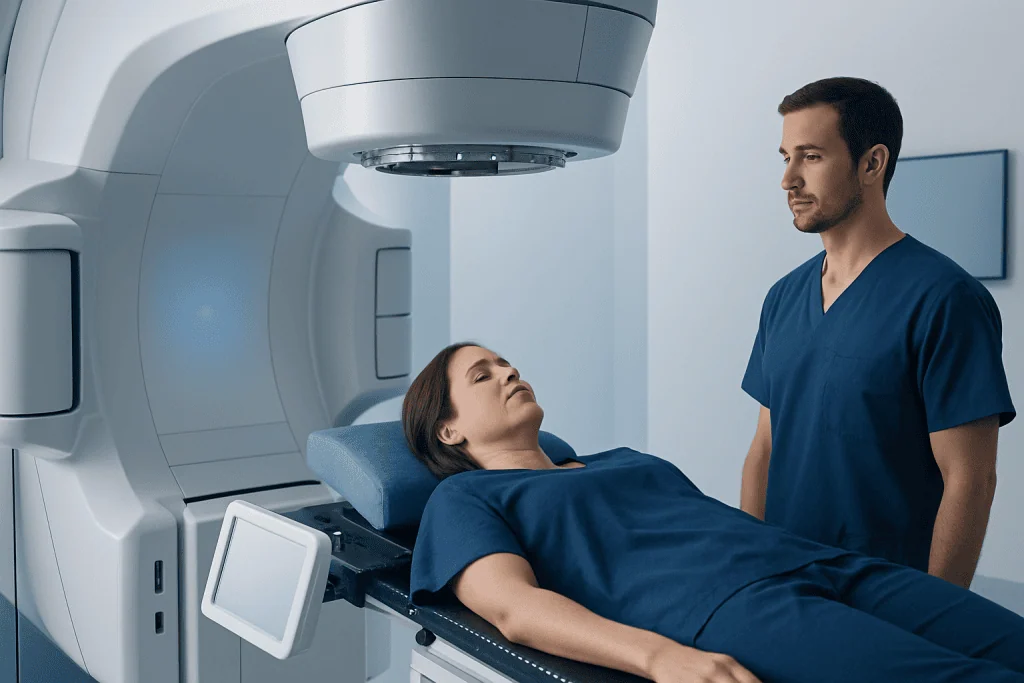
The treatment itself usually takes only minutes. The rest of the appointment is arrival, registration, changing if needed, positioning and occasional imaging checks, so allow more time than the session length suggests, especially in your first week while the routine is new. During standard external beam radiotherapy you should not feel the radiation itself, although holding still in the planned position can be tiring or uncomfortable. You do not become radioactive after standard external beam treatment; some specialised techniques have different rules, so follow the instructions given for your exact plan.
Radiographers will position you on the table using your marks, mould or supports, then leave the room while the machine runs. They watch you on camera throughout and can pause at any time. The machine moves around you and makes noise; nothing touches you. If a session is delayed for machine checks, imaging review or medical reasons, the team explains what happens next, occasional adjustments to the timetable are a normal part of a treatment course, not a sign that something has gone wrong.
Build a simple rhythm for treatment days. Leave with time to spare so you are never rushing, wear clothing that is easy to remove or adjust, and keep documents, phone and water together in one small bag that stays packed. Many patients bring a companion for the first few days, particularly in an unfamiliar city; companions can usually wait nearby but do not enter the treatment room during the session. It is also normal to feel emotionally tired even though each appointment is brief, repetition has its own weight, and pacing yourself is part of the treatment, not a distraction from it.
Skin Care During Radiotherapy: The Checklist
Radiotherapy can make the skin in the treated area more sensitive over time. Depending on the treatment site and your individual plan, you may notice dryness, redness or darkening, itching, tenderness, or a sunburn-like feeling. Reactions vary widely between patients and treatment areas, and changes tend to appear gradually rather than overnight. A useful habit is to look at the treated skin gently at the same time each day, after your evening wash, for example, so you notice changes early and can mention them at your next session, when your team can look at the skin themselves.
The single most important rule is simple: use only the soaps, creams, deodorants, dressings or wound products your radiation oncology team has approved. A product that seems gentle can still irritate treated skin, disturb skin marks, or conflict with your treatment instructions. If you are unsure about anything, including products you have used for years, bring it to the hospital and ask a nurse to check it before you use it on or near the area.
| Do | Avoid unless your team says otherwise |
|---|---|
| Wash with lukewarm water and a mild, approved soap | Hot water, long soaks, and scrubbing the treated area |
| Pat the skin dry gently with a soft towel | Rubbing, exfoliating, or waxing the area |
| Wear loose, soft clothing over the treatment area | Tight waistbands, underwires, rough seams, adhesive tapes |
| Keep the area protected from direct sun | Sunbathing, sunbeds, hot compresses or ice packs on the area |
| Apply only team-approved moisturiser, at the times they specify | New creams, oils, perfumes, deodorants or dressings chosen on your own |
| Use an electric shaver if shaving is permitted for your area | Blade shaving over treated skin |
Two timing points matter. First, do not apply creams immediately before a session unless your team has specifically allowed it, product on the skin at treatment time is a common source of confusion. Second, mention changes such as peeling, blistering, open areas, swelling, discharge or increasing soreness when you see your team, rather than managing them quietly on your own. You are at the hospital most weekdays anyway; that daily contact is exactly what it is for. Note that radiotherapy skin care is specific to treated skin, general advice written for conditions such as skin cancer or everyday sun damage does not replace your team’s instructions.
Food, Hydration, Rest and Energy Planning
Depending on the treatment area, daily radiotherapy can affect appetite, digestion, swallowing or energy. Your team may give specific nutrition advice, particularly for treatment involving the head and neck, chest, abdomen or pelvis, or if you are receiving chemotherapy at the same time. As a general pattern, steady meals, enough fluids through the day, and small tolerable snacks on appointment days work better than large meals squeezed around travel.
Be careful with supplements. Vitamins, herbal products and high-dose antioxidants can interact with treatment or other medicines, and “natural” does not mean neutral. List everything you take, including doses and frequency, on the medication list your team holds, and ask before adding anything new. Decisions about starting, stopping or changing any medicine belong to your treating doctor, not to a guide, a pharmacist at home, or another patient in the waiting room.
Fatigue is the most common practical challenge of a radiotherapy course, and it often builds gradually rather than arriving on day one. Plan important tasks for the time of day you usually feel best, protect some rest after sessions, and keep non-essential commitments light during treatment weeks. If you are staying in Istanbul or another city, choose accommodation that makes the daily journey short and simple; a hotel that looked fine for a holiday can feel very different when you make the same trip every weekday for weeks.
Managing Appointments While You Are in Turkey
Radiotherapy works as a planned course, so each session matters to the schedule your doctor has set. If you are late, unwell or unable to attend, tell the hospital as soon as you can rather than simply missing the appointment; the team will advise whether the session can be rescheduled and what it means for the overall plan. Do not adjust the schedule on your own.
Keep one folder, printed, digital, or both, holding your passport copy, insurance or payment documents, treatment schedule, medication and allergy lists, and emergency contacts. Save the hospital address in your phone in both English and Turkish, and note the correct building entrance; large hospital campuses can have several. If you use taxis or ride apps, a written address shown on your screen makes every trip faster than explaining directions.
Support teams can also help with interpreter arrangements, companion access rules, pharmacy directions and accommodation questions during your stay. The practical groundwork is the same as for any hospital visit in a new country: the arrival day checklist from airport to hospital covers the first day in detail, and the international patient packing checklist is worth reading before you fly. Clear logistics reduce stress, and lower stress genuinely matters when the same journey repeats every weekday.
Staying in Touch With Your Team Between Sessions
Because you attend most weekdays, you have far more routine contact with your team than patients on many other treatments, use it. Bring questions to sessions rather than saving them for formal reviews, and raise changes in your skin, energy, eating or mood when they start, not once they have become difficult. Teams plan radiotherapy courses expecting side effects to evolve, and early conversations give them more room to help.
Before you leave your first appointment, ask three practical questions and write down the answers: who handles questions during working hours, what the after-hours arrangement is, and where the hospital’s emergency access is located. Share the answers with your companion. Having this information written down on day one means you never have to work it out under pressure later.
Emotional load counts too. Treatment far from home means unfamiliar food, language, routines and distance from family, layered on top of a cancer diagnosis. Sleep problems, anxiety and feeling overwhelmed are common and worth mentioning to your team like any other side effect. Asking for support is part of good care, not evidence that you are coping badly.
Preparing to Return Home
Before leaving Turkey, ask for a written summary of your radiotherapy course: treatment dates, the treated area, dose details as appropriate, side effects experienced, current medicines, skin care instructions and follow-up recommendations. Keep digital and printed copies, and ask how imaging can be shared, disc, digital link or both, so your doctor at home has the full picture without delay.
Skin reactions and fatigue can continue after the final session, and some effects peak in the weeks after treatment rather than during it. Ask your team what is expected for your treatment area over the following weeks, what counts as a normal course for treated skin, and how follow-up will work once you are home. Continue the skin care routine you were taught until your doctor changes it, and keep any medicine decisions with your treating doctor. The general guide on managing wound care and dressings after discharge in Turkey is a useful companion for the trip home, though your radiotherapy-specific instructions always take priority.
If you have a long flight, discuss travel timing with your team before booking a return date, particularly if you feel weak, have skin that is broken or dressed, or are continuing other treatment. Building a few flexible days into your travel plan at the outset is easier than changing flights at the end.
Step by step
- Get your documents in order early. Gather pathology reports, imaging, previous treatment notes and a full medication and supplement list before you travel, and ask whether anything needs translation into English or Turkish.
- Confirm your first-week schedule. Learn which appointments are planning visits and which are treatment, and note any preparation instructions, full bladder, empty stomach, or skin kept free of creams, that apply to your treatment area.
- Pack a permanent daily bag. ID, appointment papers, water, an approved skin product, a light snack, headphones and your medication list. Restock it each evening so mornings run themselves.
- Dress for your skin. Loose, soft layers that do not rub the treatment area; avoid tight waistbands, underwires, rough seams and adhesives near treated skin.
- Check your skin at the same time each day. Look for redness, dryness, itching, peeling, swelling or open areas, and mention changes at your next session rather than treating them yourself.
- Plan rest around sessions. Keep treatment weeks light. If you want to see the city, choose gentle outings and get back to your accommodation before you are overtired.
- Prepare your return-home folder before the final week. Request the treatment summary, follow-up instructions, medication list and imaging in good time, so nothing is rushed on your last day.
Your checklist
- Passport or ID and hospital appointment details
- Printed or digital medical records and recent imaging reports
- Current medication, allergy and supplement list with doses
- Soft, loose clothing giving easy access to the treatment area
- Team-approved moisturiser or skin product, if one has been recommended
- Water bottle and a small snack you tolerate well
- Interpreter request or translated notes for important questions
- Hospital phone numbers for daytime and after-hours questions, written down
- Comfort items: headphones, charger, scarf or light jacket for cool waiting areas
- Return-home folder for the treatment summary and follow-up instructions
Key takeaways
- Radiotherapy in Turkey runs as a planned weekday course, so a settled routine, transport, timing, a ready-packed bag, does most of the heavy lifting.
- Skin care is gentle and team-approved: lukewarm water, pat dry, loose clothing, no new products without a check.
- Preparation instructions are specific to your treatment area; follow your own team’s version, not another patient’s.
- Raise skin, energy, eating and mood changes early, daily attendance means daily access to your team.
- Leave with a written treatment summary, follow-up plan and skin care instructions before you fly home.
Frequently asked questions
Which country is best for radiotherapy?
There is no objective ranking. Modern radiotherapy depends on the same things everywhere: up-to-date equipment, medical physics support, an experienced multidisciplinary team, and a clear follow-up plan. Turkey has invested substantially in radiation oncology facilities, and many centres treat international patients routinely, but the honest comparison is between specific hospitals and teams, not between countries.
Which country has the best treatment for cancer?
Again, no single country holds that title. Good cancer care is a system, accurate diagnosis, multidisciplinary planning, appropriate technology and reliable follow-up, and it exists in many countries, Turkey among them. When comparing options, ask about the specific team, the equipment used for your treatment type, how your case will be reviewed, and how follow-up will work after you return home.
What medical treatment is Turkey famous for?
Internationally, Turkey is widely associated with hair restoration, dentistry and eye surgery, but its hospital sector also runs large programmes in oncology, cardiology, orthopaedics and organ transplantation. Radiotherapy sits within that broader oncology infrastructure, delivered in dedicated radiation oncology departments rather than standalone clinics.
Will I be radioactive after daily radiotherapy sessions?
After standard external beam radiotherapy you do not become radioactive, and you can usually be around other people, including children, without restriction. Some specialised treatments, such as certain internal or radionuclide therapies, work differently and come with their own safety instructions, follow the rules given for your exact plan.
Can I shower during radiotherapy?
Usually yes, with adjustments: lukewarm rather than hot water, a mild approved soap, no scrubbing over the treated area, and gentle patting dry with a soft towel. Follow your team’s instructions about product use and timing before sessions, and ask for specific wound-care guidance if the skin becomes broken or very sore.
Can I use my usual moisturiser or deodorant?
Not without a check. Some moisturisers, deodorants, perfumes, oils and adhesive products can irritate treated skin or conflict with your treatment instructions, even if you have used them for years. Bring the product to the hospital and ask your nurse or doctor to approve it before using it on or near the treated area.
What happens if I miss a radiotherapy session?
Tell the hospital as soon as you know you will be late, unwell or absent. Your treatment team will advise how the schedule is adjusted and whether the session is made up. Occasional rescheduling can usually be managed within the plan, what matters is that the team, not you, makes the adjustment.
Can a companion come with me to the hospital?
In most cases a companion can join you for registration, waiting and general support, though they will not enter the treatment room during the session itself. Rules vary by department and situation, so check what applies before your first visit and plan comfortable waiting arrangements for the weeks ahead.
Add us as a Preferred Source to see more of our trusted health content across Google Search, AI Overviews and Discover.

Update history
- PublishedJune 22, 2026
- Medical review approvedSeptember 13, 2026
- Last content updateSeptember 12, 2026
References4
- Radiation Therapy to Treat Cancer: National Cancer Institute cancer.gov
- Skin and Nail Changes During Cancer Treatment: National Cancer Institute cancer.gov
- Radiotherapy: NHS nhs.uk
- Radiation Therapy: MedlinePlus medlineplus.gov
More Patient Guides

HoLEP in Turkey: How It Compares With TURP and What Recovery Involves
HoLEP in Turkey treats enlarged prostate tissue with laser enucleation; learn how it compares with TURP, recovery, travel and follow-up.
Porcelain Veneers in Turkey: Who Is Suitable and How Many Visits Are Needed?
Porcelain veneers in Turkey can enhance tooth shape and colour in two visits for suitable patients after a personalised dental assessment.
How to Prepare for a Sedation Procedure in Turkey
Prepare safely for a sedation procedure in Turkey with guidance on fasting, medicines, travel, recovery and follow-up.
Treatment Delays in Turkey: What Happens If Tests or Recovery Change Your Schedule
Treatment delays in Turkey can happen if tests or recovery change your plan. Learn how to manage appointments, travel, accommodation and follow-up.