Small Intestine Cancer
Small Intestine Cancer is a rare cancer of the small bowel. Learn symptoms, causes, diagnosis, treatment options, and when to see a doctor.

Quick answer
Small intestine cancer is a rare malignancy that begins in the small bowel and may cause symptoms such as abdominal pain, bleeding, weight loss, or bowel obstruction. At Acibadem in Turkey, evaluation typically combines imaging, endoscopy, and biopsy, and treatment is planned by a multidisciplinary team using surgery, chemotherapy, targeted therapies, or supportive care according to the tumor type and…
Small Intestine Cancer is a disease in which abnormal cells grow uncontrollably in the small bowel, the part of the digestive tract between the stomach and the large intestine. It is uncommon, and diagnosis and treatment depend on the tumor type, location, stage, and the person’s overall health.
Overview
Small Intestine Cancer, also called small bowel cancer, is cancer that starts in the tissues of the small intestine. The small intestine is a long, folded tube that helps digest food and absorb nutrients. It has three main parts: the duodenum, which is closest to the stomach; the jejunum, in the middle; and the ileum, which connects to the large intestine.
Several cancer types can occur in the small intestine. These include adenocarcinoma, neuroendocrine tumors, lymphomas, and sarcomas, including gastrointestinal stromal tumors. Each type behaves differently, so the name “Small Intestine Cancer” does not describe a single disease pattern. A precise diagnosis is important because treatment decisions depend on the exact cell type and how far the disease has spread.
Small Intestine Cancer is less common than cancers of the colon, stomach, or pancreas. Symptoms can be mild or nonspecific in the beginning, which means they may resemble many non-cancerous digestive problems. For this reason, persistent symptoms should be assessed by a qualified doctor rather than ignored or treated only with over-the-counter remedies.
Symptoms
Small Intestine Cancer symptoms vary depending on the tumor’s size, location, and type. Some people have no clear symptoms early on, while others develop symptoms related to irritation, bleeding, narrowing, or blockage of the small bowel. Because these signs can overlap with ulcers, gallbladder disease, irritable bowel syndrome, inflammatory bowel disease, and infections, medical evaluation is needed to identify the cause.
Possible symptoms include:
- Ongoing or recurring abdominal pain or cramping
- Nausea, vomiting, bloating, or feeling full quickly
- Unexplained weight loss or loss of appetite
- Fatigue, weakness, or anemia due to slow internal bleeding
- Dark or bloody stools, or bleeding noticed during bowel movements
- Changes in bowel habits, such as diarrhea or constipation
- Jaundice if a tumor near the duodenum affects bile drainage
- Symptoms of bowel obstruction, such as severe bloating, vomiting, and inability to pass stool or gas
Neuroendocrine tumors of the small intestine may sometimes produce hormone-related symptoms, such as flushing, diarrhea, wheezing, or heart-related symptoms, although not every patient experiences these. Any new, persistent, or worsening digestive symptom should be discussed with a doctor, especially if it is accompanied by weight loss, anemia, or bleeding.
Causes & Risk Factors
Small Intestine Cancer develops when cells in the small bowel acquire changes that allow them to grow and divide in an uncontrolled way. In many people, the exact reason these changes occur is not known. Cancer usually results from a combination of genetic, environmental, inflammatory, and immune-related influences rather than a single cause.
Some conditions may increase risk. These include inherited cancer syndromes such as familial adenomatous polyposis or Lynch syndrome, long-standing Crohn’s disease affecting the small bowel, celiac disease, and certain immune system conditions. A personal or family history of gastrointestinal cancers may also be relevant, particularly when cancers occur at younger ages or in multiple relatives.
Other possible risk influences include smoking, heavy alcohol use, diets high in processed or smoked foods, and chronic inflammation in the digestive tract. However, having a risk factor does not mean a person will develop Small Intestine Cancer, and many people diagnosed with the disease have no obvious risk factor. People with known inherited syndromes or chronic intestinal diseases should follow the surveillance plan recommended by their specialist.
Diagnosis
Diagnosis of Small Intestine Cancer begins with a medical history, physical examination, and review of symptoms such as pain, bleeding, anemia, weight loss, or bowel obstruction. Blood tests may help detect anemia, inflammation, liver abnormalities, nutritional deficiencies, or other clues, but blood tests alone cannot confirm or exclude small bowel cancer. The key step is to visualize the small intestine and obtain tissue when possible.
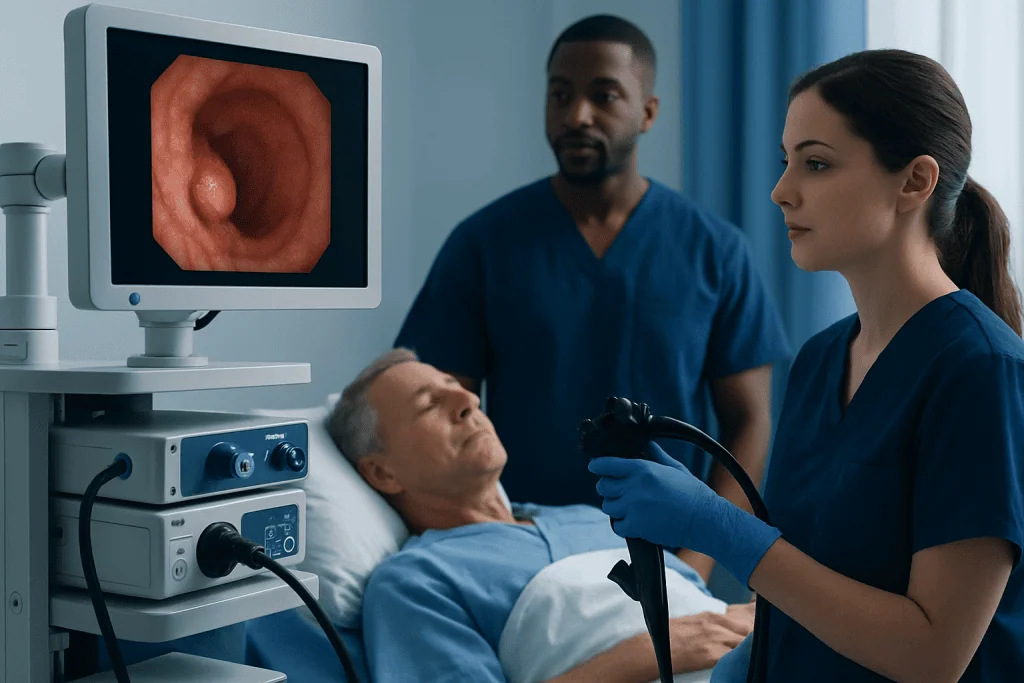
Doctors may use several tests depending on the suspected tumor location. These can include upper endoscopy for the duodenum, colonoscopy with examination of the ileum when reachable, capsule endoscopy, device-assisted enteroscopy, CT or MRI scans, and specialized imaging for certain tumor types. Imaging helps show the size and position of a mass, whether nearby organs are affected, and whether there are signs of spread to lymph nodes or distant organs.
A biopsy, in which a small tissue sample is examined under a microscope, is usually needed to confirm the diagnosis and identify the cancer type. Pathology testing may also assess features that help guide treatment, such as tumor grade and selected molecular or immune markers when appropriate. Staging combines biopsy results, imaging findings, and sometimes surgical information to determine how advanced the cancer is and which treatment options are most suitable.
Treatment Options
Treatment for Small Intestine Cancer is individualized. The right approach is decided by a specialist after assessment of the tumor type, location, stage, symptoms, test results, and the patient’s general health. Care is often planned by a multidisciplinary team that may include gastroenterologists, medical oncologists, surgical oncologists, radiologists, pathologists, radiation oncologists, dietitians, and specialist nurses.
Surgery is often considered when the tumor can be safely removed. The operation may involve removing the affected part of the small intestine and nearby lymph nodes, then reconnecting the bowel when possible. If the cancer is causing blockage or bleeding, surgery or endoscopic procedures may also be used to relieve symptoms and improve digestive function, even when cure is not the main aim.
Systemic treatments are medicines that travel through the bloodstream to reach cancer cells in different parts of the body. Depending on the cancer type, these may include chemotherapy, targeted therapy, immunotherapy, hormone-based treatment for selected neuroendocrine tumors, or other specialist-directed therapies. Radiotherapy may be used in selected situations, such as symptom control or treatment of certain tumor locations, although it is not required for every patient.
Supportive care is an important part of treatment at every stage. This may include nutrition support, pain control, management of nausea or diarrhea, treatment of anemia, psychological support, and rehabilitation after surgery. Acibadem International’s multidisciplinary specialists and JCI-accredited hospitals diagnose and treat Small Intestine Cancer for international patients, with care plans based on specialist evaluation and established medical standards.
Living With / Prognosis
Living with Small Intestine Cancer can affect eating, digestion, energy levels, and emotional wellbeing. Many people need time to adjust to diagnostic tests, treatment schedules, and possible changes after surgery. A care team can help manage symptoms, maintain nutrition, monitor treatment effects, and support recovery or long-term disease control.
Prognosis depends on several factors, including the cancer type, stage at diagnosis, tumor grade, whether the tumor can be completely removed, and how the cancer responds to treatment. Neuroendocrine tumors, adenocarcinomas, lymphomas, and sarcomas can have different treatment paths and outcomes. Because of this variation, general predictions are not reliable for an individual patient; the treating specialist is best placed to explain what the findings mean.
Follow-up care is usually needed after treatment. This may include physical examinations, blood tests, imaging, endoscopy, nutritional assessment, and monitoring for late effects of treatment. Patients are encouraged to report new symptoms promptly, keep follow-up appointments, avoid smoking, limit alcohol, stay physically active as medically appropriate, and follow personalized dietary advice from their healthcare team.
When to See a Doctor
A doctor should be consulted when abdominal symptoms are persistent, unexplained, or getting worse. This is especially important if symptoms include unintentional weight loss, ongoing vomiting, anemia, black stools, visible blood in the stool, jaundice, or a new change in bowel habits that does not resolve. These symptoms do not always mean cancer, but they require medical assessment.
Urgent medical care is needed for signs of bowel obstruction or significant bleeding. Warning signs include severe abdominal pain, repeated vomiting, a swollen abdomen, inability to pass stool or gas, dizziness, fainting, or large amounts of blood in the stool. Prompt evaluation helps relieve symptoms and identify the safest next step.
People with Crohn’s disease, celiac disease, inherited cancer syndromes, or a strong family history of gastrointestinal cancers should ask their doctor whether they need specialist follow-up or surveillance. Early discussion is also appropriate for anyone who has recurrent unexplained anemia or digestive bleeding. A qualified doctor can determine whether tests for Small Intestine Cancer or other digestive conditions are needed.
Frequently asked questions
What is Small Intestine Cancer?
Small Intestine Cancer is cancer that begins in the small bowel, the part of the digestive system between the stomach and large intestine. It can arise from different cell types, including gland cells, nerve-hormone cells, lymph tissue, or connective tissue. The exact type is important because it affects treatment choices.
What are the early symptoms of Small Intestine Cancer?
Early symptoms may be vague and can include abdominal discomfort, bloating, nausea, fatigue, or changes in bowel habits. Some people first develop anemia from slow bleeding that is not obvious. Because these symptoms can have many causes, persistent or unexplained symptoms should be checked by a doctor.
Is Small Intestine Cancer the same as colon cancer?
No. Small Intestine Cancer starts in the small bowel, while colon cancer starts in the large intestine. They are related parts of the digestive tract, but the cancers differ in frequency, biology, diagnostic approach, and treatment planning.
How is Small Intestine Cancer diagnosed?
Diagnosis usually involves a combination of medical examination, blood tests, imaging scans, endoscopic tests, and biopsy. A biopsy confirms the cancer type by examining tissue under a microscope. Staging tests then help determine whether the cancer is localized or has spread.
Can Small Intestine Cancer be treated with surgery?
Surgery may be an option when the tumor can be safely removed and the patient is fit for an operation. The surgeon may remove the affected bowel segment and nearby lymph nodes. Whether surgery is appropriate depends on the cancer type, location, stage, and overall medical condition.
What treatments are available if Small Intestine Cancer has spread?
If the cancer has spread, treatment may include systemic therapies such as chemotherapy, targeted therapy, immunotherapy, or tumor-type-specific medical treatments. Radiotherapy, surgery, endoscopic procedures, and supportive care may also be used to control symptoms or complications. A specialist team decides the best approach after full assessment.
When should someone seek medical advice for possible Small Intestine Cancer?
Medical advice is recommended for persistent abdominal pain, unexplained weight loss, ongoing vomiting, anemia, blood in the stool, black stools, or a lasting change in bowel habits. Urgent care is needed for severe pain, repeated vomiting, abdominal swelling, fainting, or inability to pass stool or gas. These symptoms can have non-cancer causes, but they should not be ignored.
This article is for general information only and is not a substitute for professional medical advice. Please consult a qualified doctor about your individual situation.
Medically reviewed by the Acıbadem International Medical Board — June 20, 2026
See our medical review board →
Update history
- PublishedJune 9, 2026
- Medical review approvedJune 20, 2026
- Last content updateJune 9, 2026
Treatments for This Condition
Doctors Who Treat This Condition

Prof. Dr. Abdullah Büyükçelik
Medical Oncology
Prof. Dr. Ali Arıcan
Medical Oncology
Prof. Dr. Aziz Yazar
Medical Oncology
Prof. Dr. Başak Oyan Uluç
Medical Oncology
Prof. Dr. Bülent Karabulut
Medical Oncology
Prof. Dr. Ersin Özaslan
Medical Oncology
Prof. Dr. Faysal Dane
Medical Oncology
Prof. Dr. Gökhan Demir
Medical Oncology
Prof. Dr. Gül Başaran
Medical Oncology
Prof. Dr. Handan Onur Topuzlu
Medical Oncology
Prof. Dr. Hüseyin Engin
Medical Oncology