Geriatric Dentistry
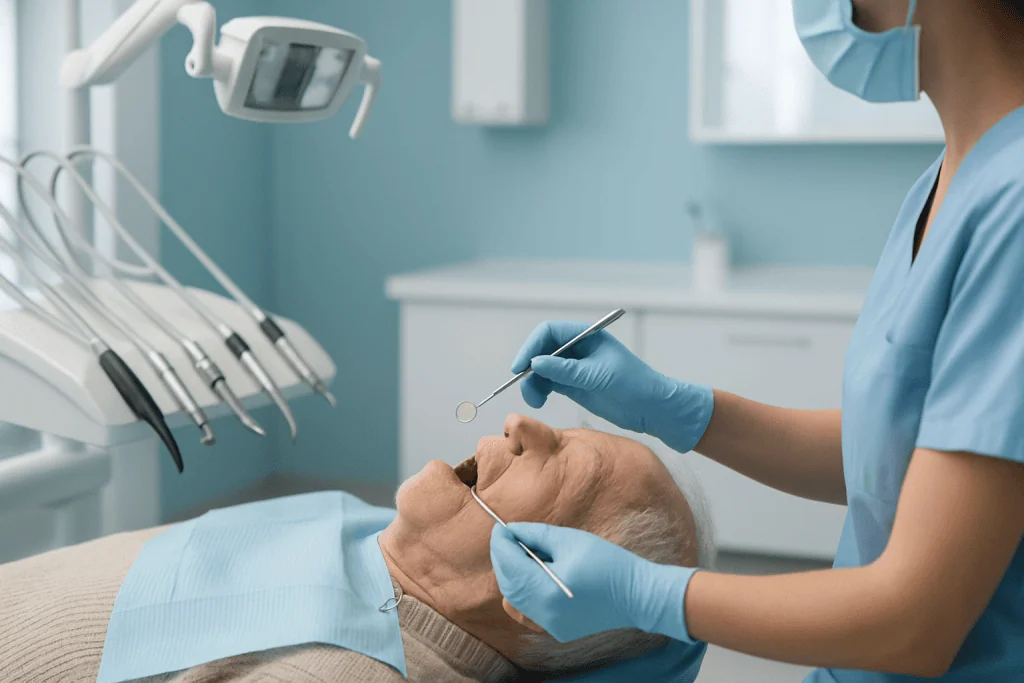
Geriatric dentistry provides preventive, restorative, and prosthetic dental care for older adults, addressing oral health, chewing comfort, medications, chronic diseases, and age-related dental needs.
Quick answer
Geriatric dentistry is dental care adapted to older adults. It combines routine treatment — cleanings, fillings, extractions — with the problems that come with age: gum disease, root decay, dry mouth, worn or missing teeth, dentures and implants. Treatment is planned around the patient's medical conditions and medications, coordinated with physicians where needed, and designed to protect chewing, speech and independence.
What Is Geriatric Dentistry?
Geriatric dentistry is the branch of dental care focused on preventing, diagnosing and treating oral health problems in older adults. It covers everything routine dentistry covers — examinations, cleanings, fillings, extractions — but it is shaped around the realities of an older mouth and an older body: decades of wear and previous dental work, gum disease, missing teeth, dentures, implants, dry mouth, oral cancer screening, and the oral effects of chronic illness and long medication lists. If your dental needs have started to feel more complicated than a simple check-up can handle, this is the field built for that complexity.
An older mouth is rarely a simple mouth. One patient may carry natural teeth, crowns, bridges, implants, a removable denture and fillings placed decades ago — all at the same time. Over the years, old fillings fracture, crown margins begin to leak, gums recede and expose root surfaces that decay more easily than enamel does. The jawbone slowly remodels, which is why a denture that fitted well ten years ago now rocks or rubs. Saliva often decreases — usually because of medication rather than age itself — and a dry mouth makes eating, tasting and speaking harder while raising the risk of cavities and fungal infections.
Because of this, geriatric dentistry looks at the mouth as a working system rather than a row of separate teeth. The dentist assesses how your teeth meet, how you chew, whether a denture stays stable under load, whether your gums can support the work planned on top of them, whether daily cleaning is realistically manageable for you, and whether any hidden infection could affect your general health. The treatment plan that follows may include preventive care, gum treatment, fillings, crowns, root canal treatment, extractions, implants, fixed or removable prostheses, denture adjustment and a maintenance schedule — chosen and sequenced for one specific patient.
Medical coordination sits at the centre of all of it. Many older adults take medicines that change how dental treatment is planned: anticoagulants and antiplatelet drugs, blood pressure and diabetes medication, bisphosphonates and other osteoporosis therapies, immune-suppressing medicines and cancer treatments. Some of these affect bleeding. Some affect bone healing. Some dry the mouth. A geriatric dentist accounts for these factors before treatment starts and, where the history is complex, plans together with your physicians. Decisions about the medicines themselves always remain with your treating doctor — the dentist’s job is to plan safely around them.
Is there such a thing as a geriatric dentist?
Yes — a geriatric dentist is a dentist who has built specific training, experience and clinical focus around older patients, although in most countries the title is not a separately registered specialty. In practice, the label describes a way of working: taking a full medical and medication history seriously, coordinating with physicians, adapting appointments to mobility and stamina, and designing treatment a patient can actually maintain at home. Some dentists acquire this through hospital-based experience, postgraduate fellowships or years of treating medically complex adults.
For you as a patient, the useful question is not whether the sign on the door says “geriatric”, but whether the dentist routinely treats patients like you — with your medications, your medical history and your practical constraints — and can explain how those factors change the plan.
Will there ever be a geriatric dentistry specialty?
At present, geriatric dentistry is not recognised as a formal specialty by most national dental bodies, including the American Dental Association, and whether that changes is an open debate within the profession. Populations are ageing in almost every country, older adults are keeping more natural teeth for longer, and the case for formal specialty status grows with both trends. Against that stands the argument that care of older adults should be a core competence of every dentist rather than a niche.
The practical point is this: formal specialty status matters less to your treatment than the dentist’s actual training, the clinical setting, and the willingness to coordinate with your medical team. A hospital-based dental department that treats complex patients daily can offer genuinely geriatric-minded care regardless of what the specialty register says.
Does a geriatric dentistry residency give a license?
No. A residency or fellowship in geriatric dentistry adds training; it does not grant a separate license to practise. The license itself comes from the dental degree plus the national or regional licensing requirements of the country or state where the dentist works. Postgraduate programmes in geriatric or special care dentistry build competence in medically complex care, but the dentist practises under the same general dental licence as any colleague.
It is also worth understanding why dentists pursue this training at all, because it tells you something about the mindset you want in your own dentist. Those who choose it tend to be drawn to complexity: patients with layered dental histories, long medication lists and real trade-offs between what is technically possible and what is genuinely wise. That judgement — knowing when not to do the bigger procedure — is the heart of the field.
Why Oral Health Changes in Later Life
Oral health in older adulthood is tied directly to daily comfort, general health and quality of life. When chewing becomes difficult, when a denture feels unstable, when dry mouth makes eating and speaking uncomfortable, or when dental infections keep returning, the effects rarely stay in the mouth. Many older adults quietly stop eating certain foods, speak less in company, or postpone dental visits because they assume treatment will be complicated, uncomfortable or unsuitable at their age. None of those assumptions has to be true.
The changes behind these problems accumulate rather than arrive suddenly. Teeth carry decades of wear and old restorations. Gums may have receded through periodontal disease or years of vigorous brushing, exposing softer root surfaces. Bone under a denture continues to change shape long after the teeth were lost. Chronic conditions such as diabetes, heart disease, osteoporosis, Parkinson’s disease or dementia each add their own influence on healing, hygiene and treatment planning.
Older patients also differ enormously from one another. Some are active, independent and want ambitious treatment. Others need support with mobility, communication, daily oral hygiene or decision-making, sometimes with family or carers involved in every step. A good treatment plan respects the whole picture. The right care for a healthy, independent seventy-year-old can be very different from the right care for a frail eighty-eight-year-old with multiple medications and limited mobility — and both plans can be excellent.
The goal is therefore never simply to “fix teeth”. It is to preserve oral function, reduce infection risk, improve chewing and speech, and support a person’s dignity and independence for as long as possible. For many older adults, the most successful plan is not the most aggressive one; it is the one that is safe, realistic, maintainable and aligned with the life the patient actually lives.
Who May Need Geriatric Dental Care?
Geriatric dental care can benefit any older adult who wants to maintain oral health, chew comfortably, replace missing teeth or manage dental disease alongside other medical conditions. It is not reserved for severe problems. Preventive visits are especially valuable in later life precisely because many oral conditions progress quietly for years before pain appears — and by the time pain appears, the simpler options have often already been lost.
Common reasons for seeking care include tooth pain, sensitivity, loose teeth, bleeding gums, persistent bad breath, difficulty chewing, unstable dentures, broken crowns or bridges, missing teeth, dry mouth, mouth sores, jaw discomfort and changes in the bite. Some patients notice they can no longer manage foods they enjoy — meat, raw vegetables, nuts, crusty bread. Others find food collecting under a denture or between teeth, causing irritation and embarrassment. Sometimes it is a family member who notices first: weight loss, a smaller appetite, reluctance to smile, or speech that has become less clear.
Diagnosis begins with a detailed consultation. The dentist reviews your symptoms, dental history, medical conditions, medications, allergies, previous surgeries and any concerns about anxiety, mobility or comfort during treatment. A clinical examination then assesses the teeth, gums, soft tissues, bite, jaw joints and every piece of existing dental work. If you wear dentures, their fit, stability and effect on the underlying gums are examined with particular care, because a denture problem is often a gum-and-bone problem in disguise.
Imaging fills in what the eye cannot see. Digital X-rays, panoramic imaging or three-dimensional dental imaging may be used to find decay hidden under old restorations, measure bone loss, reveal silent infections and impacted roots, and judge whether particular teeth can support crowns, bridges or dentures. Which images are taken depends on the clinical question, not on a fixed protocol.
Some older adults need dental assessment before major medical treatment — heart surgery, organ transplantation, chemotherapy, radiotherapy, orthopaedic surgery or certain osteoporosis medications. In these situations an untreated dental infection can add avoidable medical risk, and clearing it beforehand is part of preparing the patient safely. Others seek care because a chronic disease such as diabetes makes gum health especially consequential. In all of these cases, dental care at this stage of life works best when it is coordinated with the wider healthcare plan rather than running alongside it in isolation.
How to find a dentist who specializes in geriatric dentistry
Finding a dentist who specializes in geriatric dentistry starts with the setting and the questions a practice asks you, not with the sign on the door. Searching for a geriatric dentist near me will return general practices of varying depth, so look for concrete markers: experience with medically complex patients, routine coordination with physicians, step-free access, appointment pacing adapted to stamina, and comfort treating patients with dementia, Parkinson’s disease or limited mobility. A practice that describes itself as a dentist for seniors should be able to explain, specifically, how its care differs from standard adult dentistry — if the answer is vague, keep looking.
Professional bodies can help you verify interest and training. Many people look up the American Society for Geriatric Dentistry official website when checking credentials; the society operates within the Special Care Dentistry Association, and membership signals a professional commitment to older patients, though it does not by itself make anyone a specialist. Hospital dental departments and university clinics are another reliable route, because they treat complex patients as a matter of routine and have medical colleagues within reach.
For patients whose needs go beyond age alone — significant cognitive impairment, severe anxiety, physical disability — the overlapping field of special care dentistry is worth understanding, since it addresses exactly these situations and frequently shares clinicians and clinics with geriatric practice.
Conditions and Indications Addressed by Geriatric Dentistry
Geriatric dentistry addresses a wide range of oral health needs, but a handful of problems account for most of the work. Understanding them helps you recognise what is happening in your own mouth — and why a dentist may prioritise things you had not noticed yet.
What is the most common geriatric dental problem?
Tooth decay — particularly decay on exposed root surfaces — and gum disease are the problems dentists encounter most often in older adults, and they frequently occur together. As gums recede with age or periodontal disease, root surfaces become exposed. These surfaces are softer than enamel and decay more easily, especially when saliva is reduced. Dry mouth, denture problems and tooth loss follow close behind. None of these is caused by age itself; they are caused by accumulated wear, disease and medication effects that age gives time to develop — which is exactly why they respond to treatment at any age.
Root decay and tooth wear
Root decay develops on the softer surfaces below the enamel line and can progress quickly once started, often around the margins of old crowns and fillings where cleaning is hardest. Decades of chewing, grinding and acidic exposure also wear teeth down, shortening them, flattening the bite and sometimes cracking heavily filled teeth. Managing both usually combines fluoride protection, dry mouth control, targeted restorations and — where a tooth is beyond predictable repair — an honest conversation about extraction and replacement.
Gum disease in older adults
Gum disease, or periodontal disease, causes inflammation, bleeding, recession, tooth mobility and loss of the bone that anchors teeth. Left unmanaged, it costs teeth — and it undermines everything built on top of it, because crowns, bridges, dentures and implants all depend on healthy foundations. Ageing does not cause gum disease, but its effects accumulate over decades, particularly when daily cleaning has become physically difficult or regular dental care was interrupted. Treating active gum disease before major prosthetic work is one of the non-negotiables of good geriatric planning.
Missing teeth and chewing function
Missing teeth affect nutrition, speech, facial support and confidence, and reduced chewing ability quietly narrows the diet toward soft, often less nutritious foods. Depending on the state of the remaining teeth and jawbone, replacement options include removable partial or complete dentures, a fixed dental bridge, implant-supported crowns, implant-retained dentures or full-arch prosthetic solutions. There is no universally best option. The right choice depends on your oral health, bone quality, medical status, treatment time, budget considerations and — critically — your ability to keep the result clean for years.
Denture problems
Dentures that once fitted well become loose as jawbone and gums change shape, and a poorly fitting denture causes ulcers, pain, difficulty eating and fungal infections beneath the plate. Many patients tolerate this for years, assuming it is the price of wearing dentures. It is not. Treatment may involve adjustment, relining, remaking the denture, or evaluating whether implant support would give a loose lower denture the stability it lacks. Even small refinements can transform daily comfort.
Dry mouth (xerostomia)
Dry mouth — xerostomia — deserves particular attention in later life because it is common, uncomfortable and quietly destructive. It is usually driven by medication rather than age itself, and the more medicines a person takes, the more likely it becomes. Reduced saliva raises the risk of cavities, oral infections, taste changes, burning sensations, swallowing difficulty and denture soreness. Management may include identifying contributing medications together with your physician, saliva-supportive strategies, fluoride treatments, oral moisturisers, dietary guidance and a closer preventive follow-up schedule. Any change to the medicines themselves is a decision for the prescribing doctor, made with the full medical picture in view.
Oral lesions, infections and jaw problems
The field also covers the screening and management of oral lesions, persistent mouth ulcers, fungal infections, jaw pain, fractured teeth, failing crowns and bridges, implant maintenance and oral cancer screening — an examination that becomes more important, not less, with age. It further includes adapting care for patients with cognitive or physical limitations, where the method of delivering treatment matters as much as the treatment itself. In every case the plan is individual; two patients with identical X-rays can rightly receive very different plans.
How Geriatric Dental Treatment Is Performed
Whatever your specific problem, geriatric dental treatment tends to follow a recognisable pathway. It looks like this:
- Preparation. The team reviews your medical history, medication list and dental priorities before recommending anything. Recent medical reports, a medication list with doses, allergy information and previous dental X-rays all sharpen this step.
- Examination and imaging. A consultation, oral examination and appropriate imaging establish what is urgent, what can be treated conservatively and what needs longer-term rehabilitation.
- Stabilisation. Pain, active infection or an unusable denture is addressed first, before comprehensive work begins.
- Medical coordination. Where chronic conditions or high-risk medications are involved, planning proceeds together with your physicians.
- Definitive treatment. Preventive, restorative, periodontal, surgical and prosthetic work is carried out in a safe, logical sequence.
- Maintenance. Follow-up visits, adjustments and a realistic home-care routine protect the result.
What happens at the first appointment?
The first visit is mostly about understanding, not drilling. Expect a detailed conversation about symptoms, medical history and what you actually want from treatment; a full examination of teeth, gums, soft tissues, bite and existing dental work; and imaging where it will answer a specific question. From this, the dentist maps out which problems are urgent, which can wait, and which options exist for the bigger decisions. If you arrive in pain or with a broken denture, immediate comfort and infection control take priority over everything else.
Preventive care: the foundation
Prevention carries more weight in the care of older adults than in almost any other branch of dentistry. Professional cleaning removes plaque and calculus that home care cannot reach. Fluoride applications protect vulnerable root surfaces, desensitising treatments ease sensitivity, and dry mouth management reduces the conditions in which decay thrives. Hygiene instruction is adapted to your hands and eyesight — interdental brushes, electric toothbrushes and simplified routines where arthritis, tremor or reduced vision make conventional cleaning difficult. These unglamorous steps prevent more dental emergencies than any procedure does.
Restorative treatment
Restorative work — fillings, inlays, crowns and root canal treatment — repairs damaged teeth, and in older adults it is weighed against long-term maintainability, not just technical feasibility. A tooth with deep decay, severe fracture or advanced bone loss is not always the best candidate for complex reconstruction; sometimes extraction and prosthetic replacement is the more predictable, more comfortable path. Sometimes preserving the natural tooth is clearly right. The broader discipline of restorative dentistry supplies the techniques; geriatric judgement decides which of them serves this patient.
Gum treatment
Periodontal treatment may involve deep cleaning around the roots, local antimicrobial measures, bite adjustment, structured maintenance therapy or, in selected cases, periodontal surgery. Its position in the sequence matters: inflammation and bone loss must be brought under control before crowns, bridges, implants or dentures are built, because unstable foundations compromise everything placed on them.
Replacing missing teeth
Prosthetic treatment is where this field most visibly changes lives. Removable partial dentures replace several teeth using the remaining ones for support. Complete dentures replace a full arch. Where bone and medical status allow, dental implants can support single crowns, bridges or dentures — implant retention can be especially valuable for loose lower dentures. Each option trades differently between stability, cost, treatment time, surgery and cleaning demands, and the honest comparison of those trade-offs is the core of the planning conversation.
Is it worth getting dental implants at 70 years old?
Often, yes — age by itself is rarely the deciding factor for dental implants. What matters is general health, bone quality and volume, gum condition, medication history and your ability to keep implants clean over the long term. Healthy patients in their seventies and beyond are treated with implants routinely, and the improvement in chewing and denture stability can be substantial. What deserves careful evaluation is not the birth date but the specifics: bone that has resorbed may need assessment for dental bone grafting, certain bone-modifying medications and previous jaw radiotherapy require special caution, and uncontrolled diabetes or smoking affect healing. An individual assessment answers the question far better than any rule of thumb — and for some patients, a well-made conventional denture remains the genuinely better choice.
Technology in diagnosis and planning
Modern tools support precision without replacing judgement. Digital imaging shows bone levels, roots and hidden infections at lower radiation exposure than older techniques. Three-dimensional imaging assists when implants, complex extractions or jawbone assessment are on the table. Intraoral scanning can replace conventional impression trays in suitable cases — a real comfort gain for patients with a strong gag reflex or breathing concerns — and computer-assisted design helps laboratories build crowns, bridges and dentures with close attention to fit, bite and appearance. The technology serves three plain questions: What is safe for this patient? What will restore function? What can this patient maintain?
Anaesthesia, sedation and comfort
Most geriatric dental procedures are performed comfortably under local anaesthesia with thoughtful pacing — shorter appointments, planned breaks, and communication adapted to hearing or cognition. For anxious patients or longer procedures, sedation dentistry options may be discussed where medically appropriate. Sedation decisions in older adults weigh heart and lung health, current medications, cognitive status and the expected length of treatment, and they are made conservatively. Safety leads; convenience follows.
How long does treatment take?
Anywhere from one visit to several months, depending on what is being done. A preventive visit or denture adjustment is a single appointment. Fillings, gum treatment or straightforward extractions may take one or several visits. Complete denture fabrication, full-mouth rehabilitation or implant-supported prosthetics unfold over weeks or longer, paced by healing, laboratory work and the complexity of the plan. Complex care can often be organised in phases where clinically appropriate, so that healing time and prosthetic accuracy are never sacrificed to a tight schedule.
Why Acting Early Matters
Dental problems in older adults progress silently. A cavity under an old crown does not hurt until it reaches the nerve. Gum disease loosens teeth with remarkably little discomfort along the way. A denture sore looks minor until it becomes infected or makes eating impossible. Early evaluation lets treatment stay simpler, more conservative and usually more comfortable — the intervention gap between “caught early” and “caught late” in dentistry is enormous.
Delay has predictable costs. Untreated decay can end in abscess, facial swelling, severe pain or extraction. Advanced gum disease removes the very teeth that could have anchored a bridge or partial denture. Poor chewing narrows the diet, cuts protein intake and contributes to weight loss. Chronic oral inflammation is harder to manage in patients with diabetes or weakened immunity, where the mouth and the rest of the body pull on each other.
For patients heading into major medical treatment, oral infection deserves specific attention. Dental assessment may be recommended before chemotherapy, head-and-neck radiotherapy, cardiac procedures, organ transplantation or certain bone-related medications, because clearing infection first reduces avoidable complications during a medically vulnerable period. This is one of the clearest examples of dentistry serving general health rather than just the mouth.
Acting early also preserves choice. While more teeth and bone remain healthy, the menu of restorative and prosthetic options is wide. As disease advances, options become fewer, more invasive and more time-pressured. Here, timely care is not only about resolving today’s discomfort — it is about protecting the function and independence you will want five and ten years from now.
Benefits of Geriatric Dental Treatment
The potential benefits reach well beyond the mouth — into nutrition, speech, social confidence and general health.
| Benefit | What It Means for You |
|---|---|
| Improved chewing function | Better tooth stability, denture fit or prosthetic support can make it easier to eat a broader range of foods and maintain balanced nutrition. |
| Reduced pain and infection risk | Treating decay, gum disease, broken teeth or ill-fitting dentures can reduce ongoing discomfort and help prevent dental emergencies. |
| Support for general health | Oral infection and inflammation can be especially important in patients with diabetes, heart conditions, immune concerns or planned medical treatment. |
| Better denture comfort and speech | Well-planned dentures or implant-supported options may improve stability, reduce sore spots and support clearer speech. |
| More confident social interaction | Restoring missing or damaged teeth can help patients feel more comfortable smiling, speaking and eating with others. |
| Personalised long-term maintenance | A geriatric dental plan includes prevention and follow-up, helping protect treatment results and adapt care as health needs change. |
Recovery Timeline After Geriatric Dental Treatment
Recovery depends on the procedure, your general health and the complexity of the plan, but the following timeline describes what many patients can expect.
| Time Period | What Patients Can Expect |
|---|---|
| Day 1 | After preventive care or simple restorative treatment, normal activities often resume quickly. After extractions, gum procedures or implant placement, mild bleeding, swelling or tenderness may occur, and soft foods are usually recommended. |
| First Week | Discomfort generally decreases. Patients may need to follow specific cleaning instructions, use prescribed medications if given, avoid hard foods and attend a follow-up appointment for healing checks or denture adjustment. |
| First Month | Chewing comfort often improves as restorations settle and dentures are adjusted. For surgical procedures, gum tissues continue to heal. Implant cases may require a longer integration period before final prosthetic work. |
| Longer Term | Regular maintenance visits, daily oral hygiene and monitoring of dentures, implants, crowns and gum health are essential. Treatment plans may be updated as medical conditions, medications or oral function change. |
Denture adaptation deserves a special mention: the mouth needs time to learn new pressure points and muscle patterns, and comfort often improves markedly after one or two small adjustments. Follow-up visits are not an afterthought — they are where good results become comfortable ones.
What Influences Outcomes and a Good Result?
A good outcome in geriatric dentistry is measured by comfort, function, safety, maintainability and your own satisfaction. Appearance matters, but the most successful treatment is the one that lets you eat, speak, clean your mouth effectively and attend follow-up care without the treatment itself becoming a burden.
The condition of the gums and supporting bone comes first. Healthy gums are the foundation for natural teeth, crowns, bridges, dentures and implants alike. Active periodontal disease should be brought under control before major prosthetic work whenever possible; skipping that step compromises the durability and comfort of everything that follows.
Medical health plays an equally large role. Diabetes control, smoking, immune function, nutrition, bone metabolism, cardiovascular health and medication use all influence healing. Patients taking blood thinners can still be candidates for many dental procedures with careful planning. Patients with a history of jaw radiotherapy or certain bone-modifying medications may need special evaluation before extractions or implant surgery. None of these factors automatically closes doors — they change how the plan is built.
Daily hygiene decides how long results last. Even the finest restoration needs maintenance, and older adults with arthritis, tremor, reduced vision, cognitive changes or carer dependence may need adapted tools and support: electric toothbrushes, interdental brushes, fluoride products and deliberately simplified prosthetic designs that can actually be kept clean.
Prosthetic design should match your abilities, not just your anatomy. A fixed implant bridge is appealing, but it demands thorough cleaning underneath and regular professional maintenance. A removable denture is easier for some patients to manage; for others, implant support meaningfully improves stability and confidence. The appropriate solution is the one that fits your anatomy, health, expectations and capacity for long-term care — all four, not any one alone.
Time and communication complete the picture. Complex rehabilitation involves healing stages, laboratory work and adjustment visits, so plan enough time for evaluation, treatment and review rather than expecting full-mouth work in one short window. And say plainly what matters to you — eating comfort, appearance, treatment duration, anxiety, budget, the ability to maintain the result at home — because a plan built around your real priorities is a plan you can live with.
Insurance and Coverage Questions
Does Medicare cover any dental procedures for seniors?
In the United States, traditional Medicare generally does not cover routine dental care — check-ups, cleanings, fillings, extractions or dentures. It can cover dental services when they are an integral part of a covered medical procedure, such as a dental examination required before certain heart surgeries or organ transplants. Many Medicare Advantage plans include some dental benefits, but the scope varies widely between plans, so the plan documents themselves are the only reliable guide. Coverage rules in other countries differ just as much, which is why confirming benefits in writing before major treatment — wherever you are treated — is always worth the effort.
Geriatric Dentistry at Acibadem
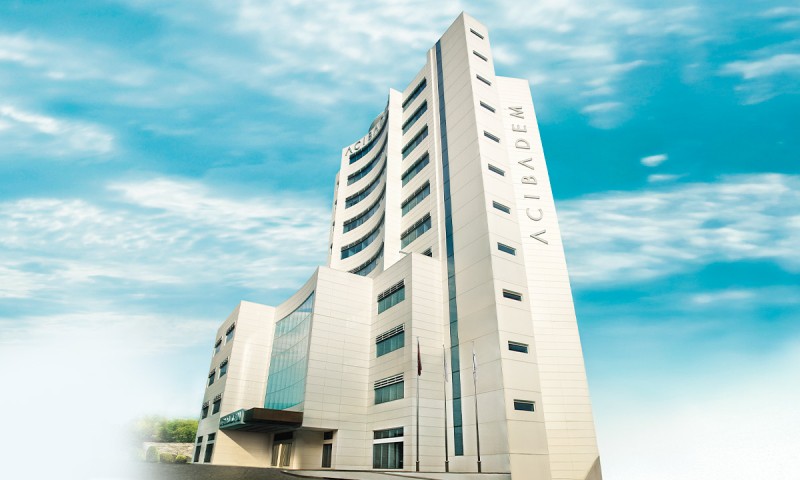
Geriatric dental needs often involve more than dentistry alone, and this is where a hospital-based setting earns its place. An older adult may need diabetes evaluated before oral surgery, medication reviewed with a physician before extractions, or medical input before implant treatment is even considered. Within Acibadem’s Dental & Oral Health units, dental specialists work alongside medical teams when a patient’s health history requires it — cardiology, endocrinology, oncology, neurology, geriatrics, anaesthesiology or internal medicine, depending on the case.
That collaboration matters most for exactly the patients this field serves: those on blood-thinning therapy, those with heart disease, diabetes, a cancer history, cognitive impairment or reduced mobility. Treatment is planned from the oral findings and the medical profile together, then options are explained with realistic expectations about time, recovery, maintenance and limitations. Modern diagnostics — digital imaging, three-dimensional assessment where needed, intraoral scanning in suitable cases — support the planning, but the technology remains a tool. The clinical questions stay the same: what is safe for this patient, what will restore function, and what can this patient maintain.
Second opinions have a particular value in later life. Experienced dental specialists can help clarify whether a tooth can be saved, whether implants are appropriate, whether an existing denture can be improved, or whether a staged plan would be safer than a single ambitious one. For older adults, the question is rarely whether a technically complex procedure can be done. It is whether it should be done — for this specific patient, at this specific time, with this specific health background. Honest geriatric care sometimes recommends less, and says why.
Preparing for a Geriatric Dental Assessment
A geriatric dental assessment is more productive when the right information is in the room. Whatever clinic you attend, the same preparation helps: a current medication list with doses, recent medical reports, details of allergies and previous surgeries, earlier dental records and any recent X-rays. With this in hand, a dentist can distinguish urgent problems from elective ones, explain what recovery would involve, and design follow-up that continues after the main treatment is finished — including how maintenance will work once you are back in your normal routine.
It also helps to arrive with your priorities named. Is the goal eating comfortably again, stabilising a loose denture, clearing infection before a medical procedure, or a broader rehabilitation? Do you have limits on time, travel, budget or the daily care you can realistically manage? These answers shape the plan as much as the X-rays do. This kind of care works best as a partnership: the dentist brings the clinical judgement, and you bring the clearest possible picture of your health and your life. The result should be care that reflects your health status, your goals and your stage of life — nothing more aggressive than you need, and nothing less than you deserve.
Preparation
- Before geriatric dental care, patients should share their medical history, medications, allergies, and any chronic conditions such as diabetes or heart disease. The dentist may request recent medical reports or coordinate with the patient’s physician when needed. Existing dentures, dental X-rays, and a list of oral symptoms should be brought to the appointment.
Aftercare
- Aftercare depends on the treatments performed and may include gentle brushing, denture hygiene, prescribed mouth rinses, and avoiding hard foods for a short time. Older adults should attend regular follow-up visits to monitor gum health, tooth stability, dentures, and oral comfort. Any swelling, bleeding, pain, or difficulty chewing should be reported promptly.
Turkey vs UK, Germany & USA
Geriatric dentistry focuses on oral health, chewing comfort, function and quality of life for older adults, especially when medications or chronic conditions affect dental care. Costs and planning can vary depending on the treatment mix, clinical complexity and country of care.
Choosing where to have geriatric dental care often depends on the scope of treatment, the level of specialist coordination required, and the practical needs of an older international patient.
| Factor | Turkey | UK | Germany | USA |
|---|---|---|---|---|
| Main cost drivers | Specialist assessment, imaging, restorative work, dentures, implants, periodontal care and materials selected. | Private care, prosthetic work, laboratory fees and access route can strongly affect cost. | Material choice, laboratory standards, specialist involvement and insurance arrangements influence cost. | Provider fees, facility location, insurance coverage, laboratory work and advanced procedures are key drivers. |
| Hospital and dentist factors | International hospitals and dental teams may coordinate dentistry with medical history, medications and chronic disease considerations. | Care may be provided through public, private or mixed pathways, with different appointment availability and fee structures. | Care is often structured through dental practices or clinics with formal planning and laboratory collaboration. | Care is commonly private-practice based, with costs varying widely by provider, city and treatment complexity. |
| Accreditation and quality | JCI-accredited hospital settings may offer international patient coordination and multidisciplinary support where needed. | Quality standards depend on the care setting, professional regulation and whether treatment is public or private. | Quality is supported by professional regulation, clinic protocols and laboratory standards. | Quality depends on provider credentials, facility standards, specialty training and insurance network rules. |
| Waiting times | International patient scheduling may be arranged around travel plans, subject to clinical availability. | Public pathways may involve waiting, while private appointments may be faster depending on the provider. | Scheduling varies by clinic, region and the need for specialist or laboratory appointments. | Private scheduling may be flexible, but timelines vary with specialist availability and insurance authorisation. |
| Travel and language logistics | International patient departments may assist with appointment planning, translation and travel-related coordination. | Language may be straightforward for English-speaking patients, while travel needs depend on location and mobility. | Interpreter support may be needed for non-German speakers, especially for consent and treatment planning. | English-language care is common, but long-distance travel and local transport can affect comfort and total trip planning. |
| Typical package elements | May include consultation, dental examination, imaging, treatment plan, selected procedures, temporary or final prosthetics and coordination support. | Usually priced by appointment and procedure, with laboratory and follow-up items billed according to the provider pathway. | Often itemised by diagnosis, procedure, material and laboratory work, with insurance rules affecting billing. | Often itemised by provider, procedure, facility, laboratory and insurance coverage conditions. |
What affects your final cost
- The number and condition of remaining teeth, gums and jawbone.
- The need for dentures, crowns, bridges, implants or repairs to existing prosthetics.
- Medication-related issues such as dry mouth, bleeding risk or healing considerations.
- Chronic diseases that require medical clearance or coordinated care.
- The choice of dental materials and dental laboratory work.
- The need for sedation, accessibility support, translation or additional follow-up visits.
Compare your options
Geriatric dentistry may involve preventive, restorative, prosthetic and medical-dental approaches. Suitability is decided by a specialist after reviewing oral health, general health, medications and patient goals.
| Option | What it is | Typical use | Key considerations |
|---|---|---|---|
| Preventive and periodontal care | Professional cleaning, gum assessment, plaque control guidance and monitoring of oral hygiene. | Used to reduce gum inflammation, support remaining teeth and maintain oral comfort. | Frequency depends on gum health, dexterity, dry mouth, diet and medical conditions. |
| Restorative dentistry | Fillings, crowns or repairs to damaged teeth using appropriate dental materials. | Used when teeth are decayed, fractured, worn or painful but can still be preserved. | Planning considers bite forces, tooth strength, hygiene ability and the patient’s overall treatment tolerance. |
| Removable dentures | Partial or full removable prostheses that replace missing teeth. | Used when several teeth are missing or when a removable, non-surgical solution is preferred. | Comfort, stability, chewing ability, speech, gum health and adaptation time are important. |
| Fixed bridges | Prosthetic teeth attached to prepared natural teeth or existing supports. | Used to replace missing teeth when suitable supporting teeth are available. | Requires healthy support teeth and careful cleaning around the bridge. |
| Dental implants or implant-supported prosthetics | Artificial tooth roots used to support crowns, bridges or dentures. | Used when bone condition, health status and treatment goals make implant treatment appropriate. | Bone quality, healing capacity, medications, chronic disease control and maintenance ability must be assessed. |
| Oral medicine and dry mouth management | Assessment and management of oral symptoms linked to medications, systemic disease or ageing. | Used for dry mouth, mouth sores, burning sensations, fungal infections or denture irritation. | May require coordination with the patient’s physician and review of medication-related risks. |
General information only — not medical or financial advice. Final costs depend on the factors above and your individual case; request a free, personalised quote.
Frequently Asked Questions
What affects the cost of geriatric dentistry?
Cost depends on oral health status, the number of teeth needing treatment, gum condition, prosthetic needs, material choices, imaging, laboratory work and whether medical coordination is required. A personalised plan is needed before a reliable quote can be prepared.
How can I get a personalised quote?
You can request a free consultation and share recent dental records, medical history, medication list and photos if available. The dental team can then recommend an examination plan and provide a personalised estimate based on your needs.
Does geriatric dentistry usually include medical history review?
Yes. For older adults, dental planning often considers chronic diseases, blood thinners, osteoporosis medication, diabetes, heart conditions, dry mouth and mobility needs. This helps the specialist choose a safer and more comfortable treatment approach.
Are dentures always cheaper than implants?
Not always. Removable dentures may be less complex in many cases, but the final cost depends on fit, materials, number of missing teeth, repairs, relines and whether implant support is needed for stability. Suitability should be decided by a specialist.
What is usually included in an international dental care package?
Packages may include consultation, dental examination, imaging, treatment planning, selected procedures, prosthetic or laboratory work and international patient coordination. Inclusions vary by case, so it is important to confirm what is covered in your personalised quote.
Medically reviewed by the Acıbadem International Medical Board — August 30, 2026
See our medical review board →
Update history
- PublishedJune 8, 2026
- Medical review approvedAugust 30, 2026
- Last content updateAugust 30, 2026
Trusted care for international patients
Doctors Performing This Treatment

Assoc. Prof. Dr. Ferit Bayram
Oral & Dental Health
Dr. Ezgi Gülüm
Oral Dental & Maxillofacial Surgery
Dr. Emre Çengelli
Oral Dental & Maxillofacial Surgery
Dr. Arzu Morçiçek
Oral & Dental HealthDr. Deniz Turgut
Oral & Dental Health
Dr. Ceyda Sabancı
Oral & Dental Health
Dr. Çağla Su Doğangün Ayduk
Oral & Dental Health
Dr. Begüm Öykü Kesim
Oral & Dental Health
Dr. Eylül Türsen
Oral & Dental Health
Dr. Metin Kınacı
Oral & Dental Health
Dr. Duygu Yavuzer Karadeniz
PeriodontolgyDr. Ali Riza Özdurmuş
Oral & Dental Health
Dr. Bedii Ender Topçu
Oral & Dental Health
Dr. Sebiha Nihal Yılmaz
Oral Dental & Maxillofacial SurgeryDr. Seda Saygılı Özaydın
Oral & Dental Health
Dr. Zeynep Ekin Kılınç
Oral & Dental Health
Dr. Uğur Önder
Oral & Dental Health
Dr. Helin Kuşsever Topçu
Oral & Dental Health
Dr. Pelin Açık
Oral & Dental Health
Dr. İpek Saygılı
Oral & Dental Health
Dr. Halime Bayram
Oral & Dental Health
Dr. Havva Gölalan
Oral & Dental Health
Dr. Merve Ağartıoğlu
Oral & Dental Health
Dr. Mücahit Güner
Oral & Dental HealthMedical Units
Available at These Hospitals