Special Care Dentistry
Special care dentistry provides tailored dental treatment for patients with disabilities, complex medical conditions, severe dental anxiety, or cooperation difficulties, often using hospital-based anesthesia support when needed.
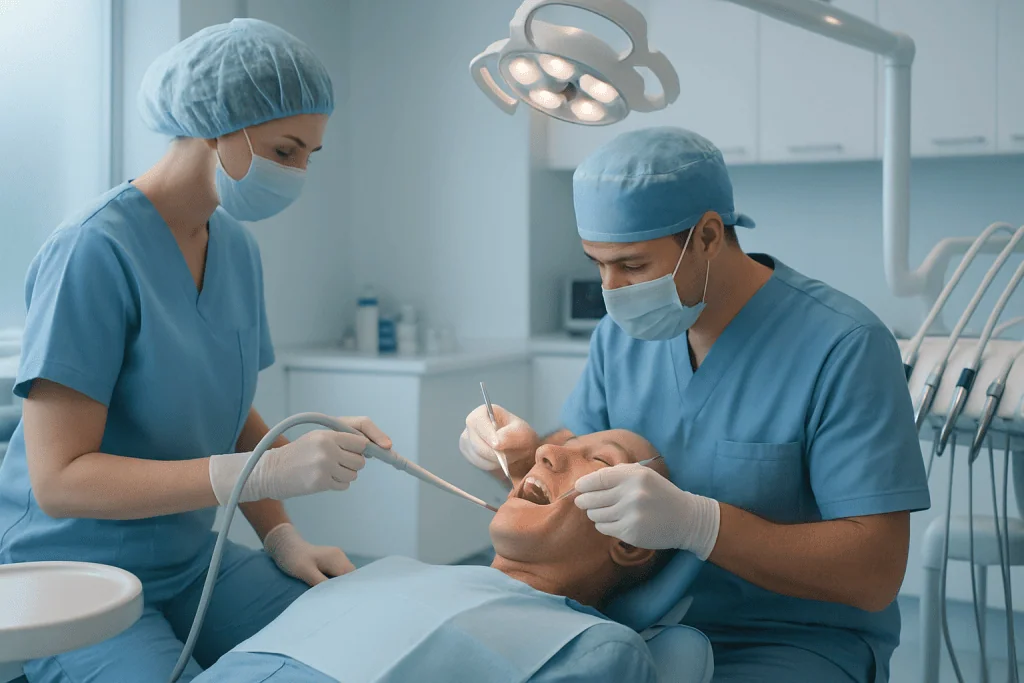
Quick answer
Special care dentistry is dental treatment adapted for people who cannot safely or comfortably receive standard care — because of disability, complex medical conditions, severe anxiety or limited ability to cooperate. It covers the same treatments as general dentistry, from cleaning to extractions, but delivers them with extra planning, modified techniques and, where needed, sedation or general anaesthesia in a hospital setting.
Special Care Dentistry: Dental Treatment With Extra Support
Special care dentistry is dental treatment adapted for people who cannot receive standard care safely or comfortably. A special needs dentist provides the same treatments you would find in any clinic — examinations, professional cleaning, fillings, root canal treatment, gum treatment, extractions — but plans and delivers them around a disability, a complex medical condition, severe anxiety or a limited ability to cooperate. It serves children, adults and older people, and it often takes place in a hospital rather than a standard dental practice.
For many people, visiting the dentist is routine. For others, dental treatment is physically difficult, emotionally overwhelming, medically complex or unsafe without additional planning. A person may have a disability that makes communication or positioning difficult. Another lives with autism, dementia, cerebral palsy, epilepsy, advanced heart disease, a bleeding disorder, a cancer history or immune suppression. Some patients have severe dental anxiety or a gag reflex so strong that even a simple examination fails. Others carry the memory of distressing appointments and delay care until pain, infection or tooth loss becomes impossible to ignore.
Dental disease does not stay in the mouth. A tooth infection, periodontal disease, oral trauma or untreated cavities can affect nutrition, sleep, speech, dignity and overall medical stability. In medically vulnerable patients, oral infection can also complicate other treatments, including surgery, chemotherapy, radiotherapy, organ transplantation, cardiac procedures and long-term medication use. This is why special care dentistry treats the whole person, not just the tooth.
When a patient’s needs are complex, the questions multiply. Will the team understand the patient’s medical condition? Can treatment be done safely if the patient cannot cooperate fully? Is sedation or general anaesthesia available? How many visits will be needed? How will the dental work be coordinated with the patient’s own physicians? At Acibadem, special care dentistry is planned with this broader view. Dental specialists, anaesthesiology teams and the relevant medical departments work together when a patient’s condition requires hospital-based support. The aim is not only to treat teeth, but to deliver dental care in a way that is medically informed, respectful and adapted to the patient’s abilities, needs and comfort.
What Is Special Care Dentistry?
Special care dentistry is dental care designed for patients who need modifications to standard treatment because of physical, intellectual, developmental, medical, psychological or social factors. It ranges from routine dental services delivered with extra support to complex treatment performed in a hospital environment under sedation or general anaesthesia.
The treatments themselves are familiar. Almost everything general dentistry offers sits inside special care dentistry: preventive care, dental examinations, professional cleaning, fillings, root canal treatment, gum treatment, tooth extractions, dental restorations, management of oral infections, oral surgery, prosthetic planning and oral health preparation before major medical therapies. What makes the field different is not the list of procedures. It is the way each procedure is planned, adapted and delivered.
Consider a few examples. A patient with severe dental anxiety may need a slower appointment structure, behaviour guidance, conscious sedation or treatment under general anaesthesia. A patient with a movement disorder may need modified positioning and a safer arrangement of instruments and imaging equipment. A patient with complex heart disease may need medical clearance, medication timing reviewed with the treating physician, antibiotic considerations in selected cases and continuous monitoring during treatment. A patient with a developmental disability may benefit from visual preparation, caregiver involvement, shorter sessions or a single comprehensive procedure completed under anaesthesia.
Special care dentistry is therefore both a clinical discipline and a care philosophy. It brings together dentistry, medicine, anaesthesia, nursing support and patient-centred communication. The approach is individualised: the right plan for one patient is a calm outpatient appointment with extra time; for another it is a hospital operating room, anaesthesiology supervision and several dental procedures completed in one session. Neither plan is better in the abstract. The right plan is the one the patient can actually tolerate and the one the disease actually requires.
What is a special needs dentist called?
A special needs dentist is most often called a specialist in special care dentistry, a hospital dentist, or simply a dentist with additional training in treating patients with complex needs. In the United Kingdom and several European countries, Special Care Dentistry is a formally recognised dental specialty focused on adolescents and adults. In other countries, including the United States, the work is shared across roles: paediatric dentists are trained to treat children with special healthcare needs, while hospital-based dentists and general dentists with further training manage medically complex adults.
The label also shifts with geography and habit. One family searches for a special needs dentist, another for special needs dentistry, and a third types their own city into the search bar hoping to find a local team with the right experience. Older texts occasionally use the phrase dentistry for special people. Behind every one of these terms sits the same discipline: dentistry adjusted to fit the person receiving it.
In practice, the title matters less than two other things: whether the dentist has genuine experience with the patient’s specific condition, and whether the setting can support sedation, general anaesthesia and medical backup when they are needed.
What is considered a special need in dentistry?
A special need in dentistry is any physical, medical, developmental, cognitive, sensory, behavioural or emotional circumstance that requires the dental team to change how care is planned or delivered. Four broad groups cover most patients: developmental and intellectual conditions such as autism spectrum disorder or Down syndrome; medical complexity such as heart disease, bleeding disorders or immune suppression; physical limitations affecting positioning, mouth opening, swallowing or the ability to remain still; and psychological barriers, above all severe dental phobia. Social factors — for example, a patient who depends entirely on a caregiver for daily hygiene — belong in the picture too.
Note what this definition does not say. It does not depend on a diagnosis label. A person with a well-controlled chronic condition may need no modifications at all, while a person with no formal diagnosis but paralysing fear may need substantial support. The question is always the fit between the patient and standard care, not the name of the condition.
Who May Need a Special Needs Dentist?
A special needs dentist may be the right choice for children, adolescents, adults or older adults who cannot receive standard dental treatment safely or comfortably. Some patients have lifelong conditions. Others develop special care needs after illness, injury, cancer treatment, neurological disease or age-related decline — which is why special care dentistry overlaps with geriatric dentistry at one end of life and paediatric dentistry at the other.
Patients arrive by several routes. Some are referred because dental care has been repeatedly postponed or because treatment could not be completed in a regular clinic. Some come because a medical team has identified the need to eliminate oral infection before another treatment can proceed. Families often seek help when they are worried about pain, swelling, broken teeth, difficulty eating, poor oral hygiene, bleeding gums, bad breath, or changes in behaviour that may be related to dental discomfort.
Typical signs that dental treatment may be needed include toothache, facial swelling, gum bleeding, loose teeth, cavities, fractured teeth, sensitivity to hot or cold, mouth ulcers, difficulty chewing, reduced appetite, drooling, sleep disturbance, or unexplained agitation in a patient who cannot clearly describe pain. In some patients, dental disease is only discovered during preparation for another medical procedure, such as cardiac surgery, transplant evaluation, oncology treatment or orthopaedic implant surgery.
Diagnosis begins with a careful history. The dental team reviews the patient’s medical conditions, medications, allergies, previous anaesthesia experiences, communication abilities, mobility, feeding or swallowing issues and behavioural triggers. When possible, a clinical oral examination follows. Dental X-rays, panoramic imaging, three-dimensional imaging or intraoral photographs may be used to assess the teeth, gums, jawbone and surrounding structures. If the patient cannot tolerate imaging while awake, the team can fold some diagnostic steps into an anaesthesia-assisted procedure — a practical solution that avoids repeated failed attempts.
What is special care dentistry for patients with disabilities?
For patients with disabilities, special care dentistry means dental treatment reorganised around the disability rather than around the clinic’s usual routine. That can be as simple as wheelchair-accessible facilities, longer appointments and a caregiver in the room, or as involved as completing an entire course of examinations, cleaning, fillings and extractions in one hospital session under general anaesthesia.
The principle is proportionality. The team makes the smallest modification that allows safe, effective care. A patient with cerebral palsy may need only supported positioning and careful instrument management. A patient with profound intellectual disability who cannot tolerate any instrument in the mouth may need anaesthesia for all invasive work. Both receive the same standard of dentistry; the delivery differs.
Special care dentistry may be considered for patients with:
- Developmental or intellectual disabilities, including autism spectrum disorder, Down syndrome, or other genetic and neurodevelopmental conditions.
- Neurological conditions such as cerebral palsy, epilepsy, Parkinson’s disease, stroke-related disability, traumatic brain injury or dementia.
- Severe dental phobia, panic reactions, post-traumatic dental fear, or inability to tolerate dental instruments.
- Complex medical conditions, including significant heart disease, bleeding disorders, immune suppression, kidney or liver disease, respiratory disease, diabetes or cancer-related needs.
- Physical limitations affecting positioning, mouth opening, breathing, swallowing or the ability to remain still during treatment.
- Cooperation difficulties in young children or adults when urgent or extensive dental treatment is needed.
- A requirement for dental clearance or infection control before chemotherapy, radiotherapy, transplant, cardiac surgery or other major medical interventions.
Conditions and Indications Addressed by Special Care Dentistry
Special care dentistry is not limited to one disease or one procedure. It is used whenever the patient’s overall situation makes ordinary dental care inadequate, impractical or unsafe. The clinical indications usually combine two things: an oral health problem, and a patient-related factor that requires adapted care.
Common dental conditions treated include tooth decay, dental abscesses, gum disease, impacted or infected teeth, fractured teeth, retained roots, oral trauma, abnormal tooth wear, poorly fitting dentures and oral pain of uncertain origin. Preventive care is central, especially for patients at higher risk of cavities or gum disease because of dry mouth, dietary limitations, difficulty brushing, medication effects, reflux, tube feeding or reduced manual dexterity. For many patients, a realistic prevention plan built with caregivers is worth as much as any single procedure.
In hospital-based care, the dental team can manage multiple needs during one planned session. A patient under general anaesthesia may receive a comprehensive examination, X-rays, cleaning, fillings, extractions and preventive treatments at the same appointment. This reduces the number of stressful visits and matters most for patients who cannot cooperate with repeated procedures — each anaesthetic is planned to achieve as much as is clinically appropriate.
Special care dentistry also supports broader medical care. Before radiotherapy to the head and neck, oral assessment helps reduce the risk of serious dental complications during and after treatment. Before certain cardiac, transplant or oncology treatments, untreated dental infection may need to be addressed first. Patients taking blood thinners, antiresorptive medications for osteoporosis or cancer, immunosuppressive drugs or long-term steroids may require additional planning before dental surgery; any change to those medications is a decision for the treating physician, never for the patient alone.
For people with severe anxiety, the indication may be psychological rather than medical. Avoidance feeds a familiar cycle: worsening disease, emergency visits, more fear, more avoidance. A structured special care approach can interrupt that cycle and allow necessary treatment to proceed with appropriate support. It cannot erase fear overnight, and honest teams do not claim it can — but it can make treatment possible, which is the first step.
How Special Care Dentistry Is Performed
Special care dentistry begins long before the patient sits in the dental chair. The first task is understanding what the patient needs, what they can tolerate and what medical precautions are necessary. Preliminary information — medical reports, medication lists, dental images, photographs and previous treatment summaries — is usually reviewed before the first appointment, so the team can estimate whether outpatient care, sedation or hospital-based anaesthesia is likely to be required and plan accordingly.
Initial assessment and care planning
During the first consultation, the dentist evaluates oral health and discusses the patient’s previous dental experiences, current symptoms and goals. Caregivers and family members often provide essential information, particularly when the patient has communication difficulties. Expect questions about pain behaviour, eating changes, sleep disruption, sensory sensitivities, mobility and the patient’s ability to follow instructions. None of this is intrusive curiosity; each answer changes the plan.
Medical review runs in parallel. The team considers chronic conditions, recent surgeries, infections, allergies, anticoagulant use, seizure control, heart valve history, implanted devices, respiratory conditions, diabetes control and any need for formal medical clearance. If sedation or general anaesthesia is on the table, an anaesthesiologist evaluates the patient’s airway, medical risk, fasting requirements and monitoring needs before anything is scheduled.
The resulting plan may involve preventive care only, phased treatment over several visits, or comprehensive dental rehabilitation in one session. Sometimes the safest sequence is to treat urgent infection first and complete restorative or prosthetic work later. Sometimes the opposite holds: completing multiple procedures at once avoids repeated anaesthesia or repeated distress. The team should be able to explain why they have chosen one path over the other.
Preparation before treatment
Preparation depends on the patient and the planned care. For a cooperative patient needing mild modifications, it may mean nothing more than a longer appointment, quiet scheduling, wheelchair access, a caregiver present and communication aids. For a patient requiring sedation or general anaesthesia, preparation is more detailed and more formal.
Patients are given fasting instructions before anaesthesia. Some medications may need adjustment beforehand — particularly blood thinners, diabetes medications, seizure medications or drugs that affect bleeding and healing — and those adjustments are made only under the direction of the treating doctor. Laboratory tests, cardiology assessment, respiratory evaluation or other consultations are requested when the medical picture warrants them.
For anxious patients or those with sensory sensitivities, preparation is behavioural as much as medical: explaining the visit in simple steps, using images or social stories, arranging a pre-visit to see the clinic, or agreeing a signal that pauses treatment. The aim is to reduce uncertainty and support cooperation where possible — while accepting, without judgement, that some patients will still need anaesthesia-assisted care.
How do autistic children go to the dentist?
Autistic children usually go to the dentist through gradual, structured preparation rather than a single conventional appointment. Many teams start with desensitisation: a short first visit with no treatment, perhaps only sitting in the chair; visual schedules or social stories that show each step in advance; the same room and, where possible, the same staff each time; and sensory adjustments such as dimmed lights, reduced noise and no unexpected touching. A parent or caregiver stays present, and a tell-show-do approach — explain the instrument, demonstrate it, then use it — replaces surprises.
For some children this is enough, and routine care becomes genuinely routine over time. For others, particularly when extensive treatment is already needed or sensory distress is severe, sedation or general anaesthesia is the kinder and safer route. Completing all necessary work in one anaesthetic session spares the child repeated failed attempts that can entrench fear.
Neither route is a failure. The honest position is that cooperation is built where it can be built and worked around where it cannot. Families who know their child’s triggers, communication style and comfort objects are the team’s most valuable resource, and their observations shape the plan directly.
The procedure itself
For some patients, special care dentistry looks like a conventional dental visit with more time, more careful communication, modified instruments and additional assistance. Local anaesthesia numbs the area being treated. The dentist performs cleaning, fillings, gum treatment, extractions or other care while continuously reading the patient’s comfort and tolerance, pausing whenever needed.
For patients who cannot safely undergo treatment while fully awake, sedation dentistry or general anaesthesia is considered. Sedation is a spectrum — from mild relaxation to deeper monitored sedation — chosen according to the patient’s medical status, the planned procedure and the level of cooperation. General anaesthesia means the patient is asleep and does not consciously experience the procedure. It is performed with anaesthesiology support and full monitoring, usually in a hospital setting.
A comprehensive session under general anaesthesia typically follows a predictable sequence:
- Anaesthesia begins and monitoring is established by the anaesthesiology team.
- A complete examination and any imaging the patient could not tolerate while awake are performed.
- Teeth and gums are professionally cleaned.
- Cavities are treated and restorable teeth are filled or rebuilt.
- Infected or non-restorable teeth are extracted and urgent oral disease is addressed.
- Preventive measures are applied and the mouth is prepared for follow-up or prosthetic planning.
The exact treatment can shift during the procedure if imaging reveals additional findings — a tooth planned for a filling may prove non-restorable, for example. Families are told in advance what decisions are likely and which clinical priorities will guide the dentist while the patient is asleep, so nothing that happens in theatre comes as a surprise afterwards.
Technology and monitoring used in special care dentistry
Technology in special care dentistry serves diagnosis, safety, precision and comfort — in that order. Digital dental imaging identifies decay, infection, bone loss, impacted teeth and hidden disease. Panoramic imaging shows the full mouth and jaws in one view; three-dimensional imaging is added when anatomy is complex or surgery needs detailed planning. Intraoral cameras and photographs document findings and make treatment explanations concrete for families. These are the same tools used across digital dentistry, applied here to patients for whom repeated imaging attempts are not an option.
For patients under sedation or general anaesthesia, monitoring is the non-negotiable layer. The anaesthesiology team tracks oxygen levels, heart rhythm, blood pressure, breathing and other parameters throughout. Hospital-based facilities allow immediate coordination with medical specialists if the patient carries significant health risks. Instruments and isolation techniques are selected for the specific procedure and the specific patient — especially where there is limited cooperation, swallowing risk or involuntary movement.
Digital records close the loop. Clear documentation of the diagnosis, procedures performed, materials used, medications prescribed and follow-up recommendations lets the patient’s own dentist or physician continue care seamlessly afterwards. Ask for these records; a good team produces them as a matter of routine.
Typical duration and recovery
Duration depends on the extent of dental disease, the level of cooperation and whether anaesthesia is used. A modified outpatient appointment runs longer than a standard visit because the pace is set by the patient, not the schedule. A comprehensive procedure under general anaesthesia may take several hours, particularly when multiple teeth need cleaning, restoration or extraction in one session.
After outpatient treatment, many patients return to normal activities the same day, depending on the procedure. After sedation or general anaesthesia, patients are monitored in recovery until they are stable, sufficiently awake and able to leave safely according to medical criteria. Some medically complex patients need longer observation or, less commonly, an overnight hospital stay — this is planned in advance where the risk is foreseeable.
Expect some mild soreness, temporary swelling, gum tenderness or sensitivity afterwards. If teeth were extracted, the team provides bleeding precautions, soft-diet guidance and oral hygiene instructions adapted to what the patient and caregiver can realistically manage. Pain relief is selected around the patient’s medical history. Follow-up is scheduled in person or coordinated with the patient’s own dentist.
Why Acting Early Matters
Dental problems rarely improve on their own. A small cavity becomes a painful infection. Gum inflammation progresses to bone loss and loose teeth. A fractured tooth traps bacteria and forms an abscess. For patients who already face communication, mobility or medical challenges, every month of delay tends to make eventual treatment longer and more invasive.
Early assessment matters most for patients who cannot reliably report pain. A person with dementia, autism, intellectual disability or neurological impairment may express dental pain only through behaviour: refusing food, sleeping badly, becoming agitated or withdrawn, touching the face repeatedly. By the time swelling or fever appears, the infection may already be advanced.
Delay also reaches beyond the mouth. Oral infection can complicate diabetes control, nutrition and recovery from other medical treatments. In patients preparing for chemotherapy, radiotherapy, transplant, cardiac surgery or other major interventions, untreated dental disease can interrupt or postpone the treatment that matters most. And for patients who need anaesthesia for dental work, waiting until disease is extensive can mean longer procedures and more extractions than an earlier visit would have required.
Seeking special care dentistry at the right time lets the team plan rather than react. It reduces emergency visits, avoids the demoralising pattern of repeated unsuccessful appointments, and creates a safer, calmer path for patients who need extra support.
Benefits of Special Care Dentistry
The benefits come from one combination: appropriate dental treatment delivered with medical awareness, behavioural understanding and individualised support.
| Benefit | What It Means for You |
|---|---|
| Care adapted to the patient | Treatment is planned around the patient’s medical condition, communication ability, mobility, anxiety level and cooperation needs rather than forced into a one-size approach. |
| Safer management of complex health conditions | Medical history, medications, anaesthesia risk, bleeding risk, infection risk and specialist input are all weighed before treatment begins. |
| Option for sedation or general anaesthesia when appropriate | Patients who cannot tolerate dental care while awake can still receive necessary treatment in a monitored hospital environment. |
| Fewer incomplete or traumatic appointments | Care is paced carefully, or multiple procedures are completed in one planned session when this is clinically suitable. |
| Control of pain and infection | Treating decay, abscesses, gum disease and broken teeth can improve eating, sleeping, comfort and overall well-being. |
| Support for other medical treatments | Dental clearance and infection control can help patients proceed more safely with oncology care, transplant preparation, cardiac treatment or other major procedures. |
Recovery Timeline After Special Care Dentistry
Recovery varies with the procedure performed, the patient’s health and whether sedation or general anaesthesia was used, but most patients follow a broadly similar pattern.
| Time Period | What Patients Can Expect |
|---|---|
| Day 1 | After routine care: mild numbness, sensitivity or fatigue. After sedation or general anaesthesia: drowsiness, nausea, throat dryness or temporary disorientation can occur. A responsible adult should accompany the patient. |
| First week | Gum tenderness, mild swelling or extraction-site soreness may be present. A soft diet, careful brushing, prescribed medications and avoidance of smoking or vigorous rinsing are usually recommended after oral surgery. |
| First month | Most soft tissues heal substantially. The team reviews healing, adjusts dentures or appliances, completes additional restorative steps, or reinforces prevention strategies with the patient and caregivers. |
| Longer term | Prevention becomes the priority: regular dental reviews, caregiver-supported oral hygiene, fluoride use when appropriate, diet planning, and management of dry mouth or medication effects to reduce future disease. |
What Influences Outcomes and a Good Result?
A good result in special care dentistry is not measured only by how a tooth looks afterwards. It includes comfort, safety, function, reduced infection risk, the patient’s ability to maintain oral health, and — crucially — whether the plan is practical for the family or caregivers who live with it every day.
The first factor is the severity of dental disease at the time of treatment. Early cavities can usually be restored; severely infected or broken teeth may need extraction. Advanced gum disease requires long-term maintenance and may not be fully reversible. The earlier the assessment, the more options remain on the table.
The second is the patient’s medical condition. Diabetes, immune suppression, bleeding disorders, seizure disorders, heart disease and respiratory disease all affect treatment planning, healing and anaesthesia decisions. Medications matter equally: blood thinners, antiresorptive drugs, steroids, chemotherapy agents and medications that cause dry mouth can each change the safest approach.
The third is cooperation and tolerance. Some patients gradually build confidence and receive care awake. Others will need sedation or general anaesthesia for most invasive procedures, permanently. A good plan respects the patient’s limits while still treating disease effectively. Forcing treatment in a way that creates trauma rarely helps; equally, endlessly avoiding necessary care lets disease progress. The skill lies in the balance.
The fourth is prevention after treatment. Special care dentistry succeeds best when families, caregivers and local health professionals share the daily work: brushing support, interdental cleaning where possible, fluoride strategies, dietary adjustments, saliva management, denture hygiene and regular follow-up. Every future visit that prevention makes unnecessary is a win — particularly for patients who need anaesthesia to be treated at all.
The fifth is communication. The dental team should understand the patient’s medical story, and the family should understand the treatment priorities before anything begins. Written reports, imaging and follow-up instructions carry extra weight when ongoing care will continue with clinicians who were not in the room.
How do you compare special care dentistry providers?
Compare special care dentistry providers on capability and experience, not on marketing language. Wherever you are looking, the same questions separate genuinely equipped services from ordinary clinics with a welcoming website:
- Does the team have documented experience with the patient’s specific condition — not just “special needs” in general?
- Is sedation available in graded levels, and is general anaesthesia delivered by anaesthesiologists in a hospital setting rather than improvised in a clinic?
- Can comprehensive treatment be completed in a single session when repeated visits are unrealistic?
- How is the patient’s medical team involved — is there a real pathway for clearance, medication review and specialist input?
- What preparation is offered for anxious or sensory-sensitive patients: pre-visits, visual materials, caregiver involvement, agreed pause signals?
- What written documentation will you receive afterwards for the patient’s own dentist and physicians?
Be cautious of any provider who promises a specific result before examining the patient, or who proposes general anaesthesia without an anaesthesiology assessment. Careful services ask more questions than they answer at the first contact — that caution is a good sign, not a bad one.
Special Care Dentistry at Acibadem
Patients who need special care dentistry usually need more than technical dental skill. They need a setting where dental care can be coordinated with medical expertise, anaesthesia support and careful patient management — especially when the patient has complex health conditions, severe anxiety, disabilities or a history of unsuccessful dental appointments.
Acibadem’s hospital-based structure allows special care dentistry to be planned with input from the relevant specialties. Within the Dental & Oral Health unit, dental specialists collaborate with anaesthesiology, cardiology, neurology, paediatrics, internal medicine, oncology, haematology, radiology or other departments depending on the patient’s condition. For selected cases, multidisciplinary discussion aligns dental decisions with the patient’s overall medical priorities.
JCI-accredited hospitals provide a framework for patient safety, infection control, documentation, anaesthesia processes and quality standards. For medically complex dental care, these systems are not background detail: they govern pre-procedure evaluation, monitoring, medication safety and recovery protocols. When general anaesthesia is needed, dental care integrated within a hospital environment is a structural advantage, not a convenience.
Diagnostics follow the same logic. Digital dental imaging, panoramic views, three-dimensional imaging when indicated, and hospital-based medical diagnostics help the team understand both the oral disease and the systemic risk around it. Technology here is used to clarify the problem, plan precisely, avoid unnecessary procedures and explain findings clearly to patients and families — not to impress anyone.
Experience matters, but so do patience and communication. A patient with autism needs a different approach from a patient with advanced cardiac disease. A person with severe dental phobia needs emotional pacing as much as clinical skill. A patient with dementia needs caregiver guidance and prevention strategies that survive contact with daily life. Personalised treatment plans reflect these differences.
A More Supported Path to Dental Care
Special care dentistry exists for patients who have been told that dental treatment is too difficult, too risky or impossible in a standard setting. With the right preparation, most of those patients can receive the care they need safely and with far less distress than they or their families expect. What success looks like varies: for one patient it is eliminating infection before cancer treatment; for another, completing years of delayed dental work in a single anaesthetic session; for a frightened child or adult, simply beginning a workable relationship with oral health care.
The process always starts the same way — with listening: to the patient, to the family, to the medical history and to the practical realities of daily life. A specialist assessment then establishes what type of dental care is needed, whether sedation or general anaesthesia is suitable, how many visits are realistic, and how the dental plan fits alongside the patient’s ongoing medical care. From there, the plan belongs to the patient, shaped around what they can manage rather than what a standard appointment book allows.
Preparation
- A dental examination and medical history review are completed before treatment. Blood tests, anesthesia assessment, and medication planning may be required for patients with complex health needs. Fasting instructions are given if general anesthesia is planned.
Aftercare
- Patients are monitored until they are fully awake and stable after anesthesia. Mild mouth discomfort, swelling, or sensitivity may occur depending on the dental procedures performed. Caregivers receive instructions on oral hygiene, diet, medications, and follow-up visits.
Turkey vs UK, Germany & USA
Special care dentistry is planned around the patient’s medical, physical, cognitive, emotional and behavioural needs. Costs and experience can vary depending on the level of support required, including whether sedation, general anesthesia or hospital-based coordination is needed.
The comparison below focuses on factors that commonly influence the overall cost and patient experience for special care dentistry in different healthcare settings.
| Factor | Turkey | UK | Germany | USA |
|---|---|---|---|---|
| Care setting | Often arranged through private hospitals or dental units with access to medical specialties and anesthesia support when needed. | May involve public, private or hospital dental pathways; access can depend on referral criteria and local availability. | Care may be delivered in private clinics, university centers or hospitals, especially for medically complex patients. | Often delivered through private dental practices, hospital dentistry programs or academic centers depending on complexity. |
| Price drivers | Costs are influenced by dental procedures, imaging, anesthesia type, operating room use, medical consultations and aftercare planning. | Costs vary between public eligibility and private care; sedation, specialist input and hospital facilities can affect the final fee. | Specialist dental care, anesthesia services, medical clearance and laboratory work may influence the total cost. | Hospital facility fees, anesthesia, specialist consultations, imaging, dental procedures and insurance arrangements can strongly affect cost. |
| Hospital and dentist factors | International hospitals may coordinate dentists, anesthesiologists and relevant medical specialists in one care pathway. | Complex cases may require referral to special care dentistry or hospital dental services, depending on clinical need. | Multidisciplinary planning may be available in larger centers, particularly for patients with significant medical conditions. | Care may involve multiple providers, including dentists, oral surgeons, anesthesiologists and physicians. |
| Accreditation and quality | Some hospitals serving international patients hold international accreditations such as JCI, supporting standardized patient safety processes. | Quality is guided by national professional regulation and healthcare governance systems. | Quality is supported by professional regulation, hospital standards and specialty training pathways. | Quality oversight varies by state, hospital, dental board and accreditation status. |
| Waiting times | Private international care may allow more coordinated scheduling, especially when several appointments are needed. | Waiting times can vary depending on public referral routes, local capacity and urgency; private pathways may differ. | Timelines vary by provider, case complexity and whether hospital anesthesia time is required. | Scheduling can depend on provider availability, insurance authorization, hospital access and anesthesia resources. |
| Travel and language logistics | International patient departments may assist with appointments, translation, airport-hotel-hospital coordination and documentation. | Travel may be simpler for local residents; international patients may need to arrange language and logistics separately. | International patients may require support for language, medical records translation and local coordination. | Long-distance travel and insurance-related coordination can add complexity for international patients. |
| Typical package inclusions | Packages may include dental assessment, treatment planning, imaging, anesthesia review, hospital coordination, translation and follow-up guidance. | Inclusions vary by provider and funding route; private care may itemize consultations, treatment and sedation separately. | Packages may be less standardized and can depend on the clinic or hospital structure. | Care is often itemized, with separate charges possible for facility, anesthesia, dental work and consultations. |
What affects your final cost
- Type and extent of dental treatment needed, such as fillings, periodontal care, extractions, crowns or preventive procedures.
- Need for behavioural support, conscious sedation or general anesthesia.
- Use of hospital facilities, operating room time or anesthesiology services.
- Patient’s medical complexity and need for specialist clearance or monitoring.
- Dental imaging, laboratory work and materials selected.
- Number of visits, follow-up needs and travel-related support.
Compare your options
Special care dentistry can include several clinical approaches. Suitability is decided by a specialist after reviewing the patient’s dental needs, medical history, cooperation level and safety requirements.
| Option | What it is | Typical use | Key considerations |
|---|---|---|---|
| Adapted routine dental care | Dental treatment with modified communication, positioning, appointment pacing and sensory adjustments. | Patients who can receive care while awake with additional time, reassurance or accessibility support. | May reduce stress and avoid anesthesia, but may not be sufficient for extensive treatment or severe cooperation difficulties. |
| Preventive and minimally invasive care | Fluoride applications, oral hygiene support, dietary advice, sealants, simple restorations and early disease control. | Patients at higher risk of decay or gum disease due to disability, medication, dry mouth or difficulty brushing. | Often central to long-term success; caregiver education and home care planning are important. |
| Dental treatment with conscious sedation | Medication-assisted relaxation while the patient remains responsive and monitored. | Patients with significant anxiety, gag reflex, mild cooperation challenges or need for moderately complex care. | Requires appropriate medical assessment, monitoring and aftercare; not suitable for every patient. |
| Dental treatment under general anesthesia | Comprehensive dental care performed while the patient is fully asleep under anesthesia supervision. | Patients with severe anxiety, complex disabilities, inability to cooperate safely or extensive treatment needs. | May allow multiple procedures in one session, but requires hospital-level planning, anesthesia evaluation and recovery monitoring. |
| Multidisciplinary hospital-based care | Dental care coordinated with anesthesiology, pediatrics, neurology, cardiology or other medical specialties when needed. | Patients with complex medical conditions, medication risks or special monitoring requirements. | Planning may include medical clearance, medication adjustments and tailored safety protocols. |
| Ongoing maintenance and recall care | Regular follow-up visits focused on prevention, oral hygiene, appliance checks and early treatment of new problems. | Patients who need continuous support to maintain oral health after treatment. | Recall intervals and support plans are individualized according to risk and caregiver involvement. |
General information only — not medical or financial advice. Final costs depend on the factors above and your individual case; request a free, personalised quote.
Frequently Asked Questions
What affects the cost of special care dentistry?
The final cost depends on the patient’s dental needs, medical complexity, cooperation level, need for sedation or general anesthesia, hospital facility use, imaging, laboratory work and follow-up requirements. A personalised treatment plan is needed before an accurate quote can be prepared.
How can I get a personalised quote from Acibadem?
You can request a free consultation by sharing recent dental records, medical history, medication list, relevant reports and any information about anxiety, disability or cooperation challenges. The care team can then advise which specialists should review the case and what the likely treatment pathway may include.
Is treatment under general anesthesia always needed?
No. Some patients can be treated with adapted communication, longer appointments, behavioural support or conscious sedation. General anesthesia is considered when it is clinically safer or more practical for the patient’s dental and medical needs.
What is usually included in an international patient package?
Packages may include dental consultation, imaging, treatment planning, anesthesia assessment when required, hospital coordination, interpreter support and follow-up guidance. Inclusions vary according to the case, so they should be confirmed in the written treatment plan.
Will medical conditions change the treatment cost?
They can. Conditions such as heart disease, neurological disorders, bleeding risks, medication use or complex disabilities may require specialist clearance, additional monitoring or hospital-based care, which can affect the overall plan and cost.
Is this information a fixed estimate or medical advice?
No. This is general educational information and not medical or financial advice. A specialist assessment and free consultation are recommended to receive a personalised treatment plan and quote.
Medically reviewed by the Acıbadem International Medical Board — August 30, 2026
See our medical review board →
Update history
- PublishedJune 8, 2026
- Medical review approvedAugust 30, 2026
- Last content updateAugust 30, 2026
Trusted care for international patients
Doctors Performing This Treatment

Assoc. Prof. Dr. Ferit Bayram
Oral & Dental Health
Dr. Ezgi Gülüm
Oral Dental & Maxillofacial Surgery
Dr. Emre Çengelli
Oral Dental & Maxillofacial Surgery
Dr. Arzu Morçiçek
Oral & Dental HealthDr. Deniz Turgut
Oral & Dental Health
Dr. Ceyda Sabancı
Oral & Dental Health
Dr. Çağla Su Doğangün Ayduk
Oral & Dental Health
Dr. Begüm Öykü Kesim
Oral & Dental Health
Dr. Eylül Türsen
Oral & Dental Health
Dr. Metin Kınacı
Oral & Dental Health
Dr. Duygu Yavuzer Karadeniz
PeriodontolgyDr. Ali Riza Özdurmuş
Oral & Dental Health
Dr. Bedii Ender Topçu
Oral & Dental Health
Dr. Sebiha Nihal Yılmaz
Oral Dental & Maxillofacial SurgeryDr. Seda Saygılı Özaydın
Oral & Dental Health
Dr. Zeynep Ekin Kılınç
Oral & Dental Health
Dr. Uğur Önder
Oral & Dental Health
Dr. Helin Kuşsever Topçu
Oral & Dental Health
Dr. Pelin Açık
Oral & Dental Health
Dr. İpek Saygılı
Oral & Dental Health
Dr. Halime Bayram
Oral & Dental Health
Dr. Havva Gölalan
Oral & Dental Health
Dr. Merve Ağartıoğlu
Oral & Dental Health
Dr. Mücahit Güner
Oral & Dental HealthMedical Units
Available at These Hospitals