Minimally Invasive Dentistry
Minimally invasive dentistry focuses on preserving healthy tooth structure while treating decay, wear, cracks, or cosmetic concerns with conservative techniques and modern materials.
Quick answer
Minimally invasive dentistry treats decay, wear, cracks and cosmetic concerns while removing as little healthy tooth tissue as possible. It relies on early diagnosis, remineralisation, adhesive tooth-coloured materials, magnification and digital planning. Depending on the tooth, treatment may involve no drilling at all, a small bonded restoration, or a conservative inlay, onlay or veneer instead of a full crown.
Non Invasive Dental Treatment: Preserving Natural Teeth First
Non invasive dental treatment is dental care that manages decay, enamel wear and early damage with little or no drilling — through prevention, remineralisation, sealing and resin infiltration rather than cutting. Minimally invasive dentistry takes the same principle across the whole of restorative care: treat the disease, restore the tooth, and remove as little healthy enamel and dentine as the situation genuinely requires. It is used for tooth decay, worn or chipped teeth, sensitivity, discolouration, failing old fillings and many aesthetic concerns, in children, teenagers and adults alike.
If you have been told you need dental treatment, your first question is often simple and deeply personal: how much of my natural tooth can be saved? Many patients worry that treating decay, worn enamel, cracks, discolouration or old dental work will mean aggressive drilling, visible restorations, discomfort or a long recovery. The answer, in many cases, is that the least aggressive clinically sound option can be identified first — and that non invasive dental treatment is a realistic starting point more often than most people expect.
The reason this matters is biological, not stylistic. Enamel does not grow back. Dentine, the layer beneath the enamel, gives the tooth its strength and protects the nerve. Every millimetre of healthy structure that is preserved improves the chance that the tooth stays strong, comfortable and functional over time. Minimally invasive dentistry is not “less treatment” when treatment is truly needed. It is the right amount of treatment, performed with precision and respect for the natural tooth. Instead of removing more tissue than necessary, the dentist uses careful diagnostics, magnification, adhesive materials, digital planning and preventive strategies to target the actual problem and protect everything around it.
The appeal of this philosophy is practical as well as clinical. Conservative care may reduce the need for more complex procedures later, such as root canal treatment, crowns or extraction. It can support shorter treatment plans when appropriate, fewer appointments and a more natural-looking result. At Acibadem, treatment planning within the Dental & Oral Health unit is individualised and may involve restorative dentists, endodontists, periodontists, orthodontists, oral surgeons and aesthetic dentistry specialists when a case needs coordinated expertise. The plan follows the tooth, not a template.
What Is Minimally Invasive Dentistry?
Minimally invasive dentistry is a modern clinical philosophy and treatment approach built on early diagnosis, prevention, tissue preservation and conservative restoration. It manages tooth decay, enamel wear, cracks, old fillings, sensitivity and aesthetic concerns while removing as little healthy tooth tissue as possible. It is not a single procedure. It is a way of deciding which procedure — if any — a tooth actually needs.
Traditional dentistry often treated visible damage after it had already progressed. Minimally invasive dentistry aims to identify disease earlier, monitor low-risk areas, strengthen weakened enamel and intervene only when necessary. When a restoration is needed, the dentist chooses techniques and materials that bond securely to the tooth and require minimal preparation. Depending on the condition, that may mean preventive care, remineralisation therapy, small tooth-coloured fillings, inlays or onlays, bonding, porcelain veneers with conservative preparation, resin infiltration for early enamel lesions, careful replacement of old restorations, or digital planning for a more complex smile rehabilitation. In some cases it also means gum and bite evaluation, because tooth wear, cracked teeth and repeated restoration failure are frequently linked to grinding, bite imbalance or periodontal disease.
The goal is not only to repair what is visible today. It is to understand why the problem developed, reduce the risk of recurrence, and protect the long-term health of the teeth. A small cavity, for example, may be treated quite differently depending on its depth, location, bacterial activity, the patient’s hygiene pattern, diet, saliva quality and overall oral health. Two identical-looking lesions can justify two different plans. This is why minimally invasive dentistry begins with careful diagnosis rather than a one-size-fits-all procedure — and why a good examination is worth more than a quick quote.
Is non invasive dental treatment the same as minimally invasive dentistry?
Not exactly — non invasive dental treatment sits at one end of a spectrum, and minimally invasive dentistry covers the whole of it. Truly non invasive options — remineralisation, fluoride therapy, fissure sealants, resin infiltration, monitoring — work best for early lesions that have not yet broken through the enamel surface. Once a cavity has formed, some tissue removal becomes unavoidable, but a minimally invasive dentist removes only what is diseased and restores the rest adhesively. The honest way to think about it: the earlier a problem is found, the closer your treatment can sit to the non invasive end of that spectrum. Waiting rarely widens your options; it usually narrows them.
What do names like biological center for dentistry or healthy roots dentistry mean?
A clinic describing itself as a biological center for dentistry, or a practice with a name such as healthy roots dentistry, is usually signalling a philosophy built around tissue preservation, biocompatible materials and whole-mouth health rather than a separate dental speciality. The terminology varies by country and by practice, but the underlying idea overlaps heavily with minimally invasive dentistry: treat the cause, preserve the natural tooth, and choose the least aggressive durable option. Whether you are reading about a local practice such as a st paul dental center or a hospital dental unit, the useful questions are the same. How is decay diagnosed and staged? What is removed, and what is preserved? What happens to reduce the risk of the problem returning? A name tells you the philosophy; the examination and the treatment plan tell you whether it is applied.
Who May Benefit from Minimally Invasive Dental Care?
Minimally invasive dentistry may be appropriate for children, teenagers and adults, but treatment choices differ by age, enamel maturity, oral hygiene, decay risk and existing dental work. Many adults who seek this approach have had treatment in the past and want to avoid replacing one restoration with a larger one unless it is truly necessary. Others have early decay, tooth sensitivity, enamel defects or cosmetic concerns and want a conservative solution rather than an immediate commitment to crowns or veneers.
Typical situations that lead patients towards conservative care include:
- Tooth sensitivity to cold, sweet foods or brushing
- Small cavities detected during a dental examination
- White or brown spots on the enamel
- Chipped or worn edges on front or back teeth
- Discolouration that does not respond well to whitening
- Visible cracks or craze lines in the enamel
- Leaking, stained or ageing old fillings
- Food trapping between teeth
- Mild tooth pain when biting
- Dissatisfaction with the shape, spacing or overall appearance of the smile
Some patients have no symptoms at all. Early enamel decay, small cracks and recurrent decay under old restorations are often discovered during routine examinations or digital imaging, not because anything hurt. This is one reason regular dental check-ups matter so much in a conservative philosophy: when problems are detected early, treatment can usually be smaller, simpler and kinder to the tooth.
Diagnosis usually begins with a comprehensive oral examination. The dentist evaluates the teeth, gums, bite, jaw function, existing restorations and risk factors for decay or wear. Digital dental X-rays may be used to detect cavities between teeth, infection, bone loss or problems beneath existing restorations. Intraoral cameras document cracks, worn areas, staining and early enamel changes so you can see what the dentist sees. Magnification allows the margins of old fillings, surface defects and small lesions to be assessed with far more precision than the naked eye allows.
For patients with aesthetic goals, digital photographs, shade analysis, smile design tools and bite evaluation may be used to plan treatment. If there is significant tooth wear, the dentist investigates the cause — bruxism, acid reflux, dietary acids, sleep-related grinding or an unstable bite — because restoring worn teeth without addressing the reason they wore down tends to fail. If gum disease, root infection or jaw-related problems are present, specialist evaluation may be needed before any cosmetic or restorative work begins.
Part of that assessment is judging whether a lesion is active or arrested. An active early lesion tends to look matte and chalky, sits under plaque and feels rough; an arrested one is often shiny, hard and stain-darkened. Activity matters more than appearance, because an arrested lesion may simply be monitored, while an active one needs the environment around it changed — better cleaning, less frequent sugar exposure, fluoride support — before or instead of any restoration. Saliva plays a quiet role here too: it buffers acids, delivers minerals back into softened enamel and clears food debris, which is why dry mouth can move a patient from low risk to high risk without a single habit changing.
Conditions Treated with Minimally Invasive Dental Treatment
Minimally invasive dental treatment can be applied to a wide range of dental concerns, and it is most valuable when the tooth is still structurally restorable and careful planning can prevent unnecessary removal of healthy enamel or dentine. Common indications include:
- Early tooth decay: small cavities and early enamel lesions may be monitored, remineralised, sealed, infiltrated or restored conservatively, depending on their activity and depth.
- Moderate cavities: when decay has entered dentine, the affected tissue can often be removed selectively and the tooth restored with tooth-coloured adhesive materials.
- Worn teeth: enamel loss from grinding, acidic foods, reflux or ageing may be managed with bonding, onlays, bite adjustment or protective appliances.
- Chipped or cracked teeth: small fractures may be repaired with bonding or conservative ceramic restorations; deeper cracks require careful evaluation of the nerve and root before a restorative decision is made.
- Old fillings and restorations: stained, leaking, cracked or failing restorations can often be replaced with a conservative restoration rather than a larger crown, when the remaining tooth is strong enough.
- Tooth sensitivity: exposed dentine, enamel defects, gum recession or early decay can be managed with targeted treatment and prevention strategies.
- White spot lesions: early enamel demineralisation, often seen after orthodontic treatment, may be improved with remineralisation, resin infiltration or aesthetic bonding.
- Cosmetic concerns: shape, spacing, discolouration, minor misalignment and uneven edges may be improved with whitening, bonding, enamel contouring or conservative veneers.
- Structural protection: teeth weakened by large fillings or cracks may benefit from inlays, onlays or overlays that preserve more tooth structure than full crowns in suitable cases.
Not every condition can be treated minimally, and it would be misleading to suggest otherwise. Extensive decay, advanced infection, severe fracture, significant bone loss or a tooth that simply cannot be restored may require root canal treatment, dental crowns, periodontal care, implant dentistry or extraction. A conservative philosophy does not mean avoiding necessary treatment. It means choosing the least aggressive option that is clinically sound and durable for your specific situation — and being told plainly when that option is a larger one.
Minimally Invasive Dental Procedures: What the Approach Includes
Minimally invasive dental procedures range from treatments that involve no drilling at all to conservative restorations designed to protect a weakened tooth. Which one applies to you depends entirely on the diagnosis, but it helps to understand the main categories.
Remineralisation and preventive therapy. Early enamel lesions that have not cavitated can sometimes be stabilised rather than filled. Professional fluoride application, prescribed remineralising products, dietary changes and short-interval monitoring aim to arrest the lesion. This is non invasive dental treatment in its purest form: the tooth is treated, and nothing is removed.
Sealants and resin infiltration. Fissure sealants protect deep grooves in molars that trap plaque. Resin infiltration is a conservative technique that penetrates porous enamel to help stabilise certain early lesions and improve their appearance — particularly white spots — without traditional drilling in selected cases.
Caries-arresting approaches in children. Conservative thinking applies to baby teeth as well. Fluoride varnish programmes, fissure sealants on newly erupted molars and, in selected cases, caries-arresting agents can stabilise decay in a child who cannot yet tolerate conventional treatment. Because primary teeth hold space for their permanent successors, keeping them healthy — or arresting disease within them — is itself a form of prevention for the adult dentition. The right choice depends on the child’s age, cooperation, the depth of the lesion and how close the tooth is to being lost naturally.
Selective caries removal and bonded fillings. When a cavity has formed, only the decayed or irreversibly damaged tissue is removed, and the tooth is rebuilt with layered, tooth-coloured composite resin bonded directly to the remaining structure. Adhesive dentistry is what makes small preparations possible: the material holds because it bonds, not because the dentist has cut a large mechanical shape into the tooth.
Inlays, onlays and overlays. For larger defects, or teeth that need additional strength, a laboratory-made or digitally milled restoration can cover and protect weakened cusps while preserving more natural tooth than a full crown in suitable cases.
Conservative aesthetic work. Whitening, enamel contouring, composite bonding and thin ceramic veneers can improve colour, shape and symmetry with limited preparation. Where a smile change is the main goal, this overlaps with aesthetic dentistry, and the same preservation logic applies: the least tooth reduction that achieves a healthy, stable, natural-looking result.
Adjunctive techniques. Depending on the case, dentists may use fine instruments, air abrasion or laser-assisted dental procedures to remove diseased tissue with additional control. These are tools in service of the same principle, not treatments in themselves.
How Minimally Invasive Dental Treatment Is Performed
The process begins with understanding the problem in detail. Because this approach depends on precision, the diagnostic and planning stages matter as much as the procedure itself. The dentist determines whether a lesion is active or arrested, whether the tooth is structurally stable, whether the bite places excessive force on the area, and whether your oral environment supports long-term success. Only then is a technique chosen.
Preparation and Planning
At the first visit, the dental team reviews your medical history, dental history, medications, allergies, previous dental experiences and treatment goals. The team also considers your available time, how follow-up will be arranged, and whether treatment is better staged across more than one visit.
Clinical examination covers the teeth, gums, soft tissues, jaw joints, bite and smile dynamics. Digital X-rays evaluate tooth structure and bone support. For aesthetic or complex restorative cases, intraoral scanning can create a digital model of the teeth — in many cases without traditional impression materials. Photographs help assess proportions, colour, gum display, tooth shape and symmetry. When multiple teeth are involved, digital planning lets the dentist visualise the result before any irreversible step is taken. That sequencing is deliberate: reversible decisions first, irreversible ones last.
Risk assessment is the other half of preparation. A patient with active decay, dry mouth, high sugar exposure, an acidic diet or poor plaque control may need preventive treatment before restorative work begins. That can include fluoride therapy, oral hygiene instruction, dietary counselling, saliva evaluation, antibacterial strategies or short-interval monitoring. Treating the disease process first reduces the likelihood that new restorations fail prematurely. A beautiful filling placed into an untreated decay problem is a short-term repair, not a solution.
The Procedure, Step by Step
The exact technique depends on the diagnosis, but a typical conservative restoration follows a recognisable sequence:
- Step 1 — Confirm and isolate. The dentist confirms the extent of the lesion under magnification and isolates the tooth to keep it clean and dry, which is essential for adhesive dentistry.
- Step 2 — Comfort. Local anaesthesia may be used, although very small procedures sometimes need little or none, depending on the case and your preference.
- Step 3 — Selective removal. Only decayed or irreversibly damaged tissue is removed. Magnification, illumination and careful instruments help distinguish unhealthy tissue from structure that should be preserved.
- Step 4 — Adhesive restoration. Tooth-coloured composite resin is placed in layers and bonded to the tooth, then shaped so it supports proper bite contact.
- Step 5 — Finishing. The restoration is polished to blend with the natural tooth, and the bite is checked and refined.
For larger defects, or teeth that need extra strength, an inlay, onlay or overlay may be designed instead. These restorations cover and protect weakened cusps while preserving more natural tooth than a full crown where the case allows. Digital scanning and computer-aided design support accurate planning and a well-fitting result. For cosmetic cases, techniques are combined in a logical order: whitening is performed before bonding or veneers so the final shade can be matched properly; minor enamel reshaping smooths uneven edges; composite bonding can close small spaces, repair chips or improve contours — often in a single visit. Conservative ceramic veneers are considered when colour, shape or surface texture needs a more durable solution. The amount of preparation varies honestly from case to case: sometimes it is minimal, sometimes more reduction is necessary to achieve a healthy, stable, natural-looking outcome. Where teeth are missing rather than damaged, options such as a dental bridge or implant are weighed with the same preservation logic applied to the neighbouring teeth.
What tools are used in minimally invasive dentistry?
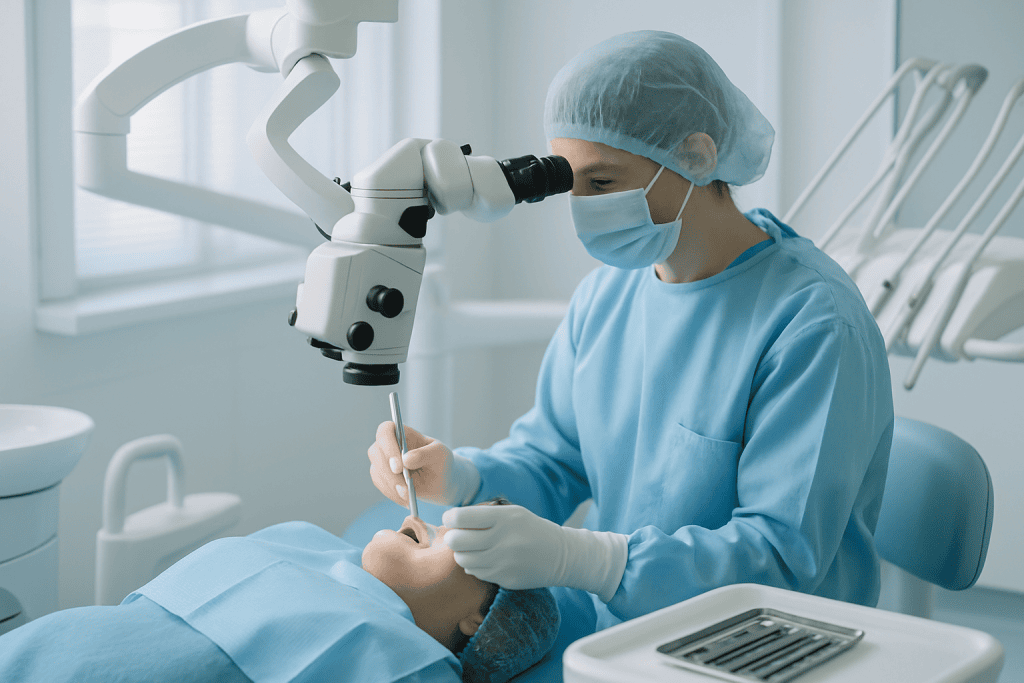
The core tools are magnification, low-dose digital imaging, intraoral cameras and scanners, fine cutting and hand instruments, isolation systems and adhesive materials. Loupes or an operating microscope let the dentist see the boundary between diseased and healthy tissue. Digital X-rays use lower radiation exposure than older film systems and reveal decay between teeth, bone changes and problems under existing restorations. Intraoral cameras magnify and document findings so you can understand them yourself. Intraoral scanners build precise three-dimensional models for planning restorations, analysing the bite and communicating with the laboratory. At the tooth itself, small burs, hand excavators, air abrasion and — in selected cases — dental lasers allow controlled removal of diseased tissue. Rubber dam isolation keeps the field dry so adhesives bond reliably, and computer-aided design and manufacturing produce accurate inlays, onlays and veneers. The point of all of it is not technology for its own sake. It is better visualisation, more precise preparation, clearer communication and restorations that fit the tooth and the bite carefully.
How long does treatment take?
The duration depends on the number of teeth involved, the type of procedure and whether laboratory-made restorations are needed. Simple bonding, small fillings, enamel contouring or early-lesion treatment may be completed in a single appointment. More complex cases involving inlays, onlays, veneers, bite rehabilitation, gum treatment or multiple specialists may require several appointments over days or weeks. Timing is planned deliberately: some treatments suit a compact schedule, while others are better staged to allow healing, laboratory work, bite testing or follow-up evaluation. If periodontal therapy, root canal treatment, orthodontic preparation or implant planning is needed first, the overall timeline extends accordingly — and it is better to know that at the planning stage than midway through treatment.
Recovery and Aftercare
Recovery from minimally invasive dental procedures is usually mild, though it varies by treatment. After a small filling or bonding, most patients return to normal daily activities immediately. Temporary sensitivity to cold, pressure or chewing can occur and often settles as the tooth adapts. After inlays, onlays or veneers, a short adjustment period is normal while the bite and tooth surfaces feel slightly different. Acibadem’s broader approach to comfort around procedures is described in the guide on how pain is controlled after surgery and invasive procedures.
Aftercare carries real weight in long-term success. Brush with proper technique, clean between the teeth daily, use the fluoride or remineralising products your dentist recommends, and attend maintenance visits. If grinding or clenching contributed to the wear or cracks, a night guard protects both the restorations and the natural teeth. Diet matters too: frequent snacking, sugary drinks, acidic beverages and dry mouth increase risk even after excellent dental work. Conservative dentistry buys the tooth time; daily habits decide how much.
Why Acting Early Matters
Dental problems progress quietly. Early decay may not hurt. A small crack may be visible but painless. A worn edge can look purely cosmetic even while it reflects ongoing mechanical stress. Waiting until pain appears tends to limit conservative options, because by then the disease or damage has often reached deeper structures.
While decay remains in enamel or shallow dentine, treatment can often be minimal — sometimes entirely non invasive. If it advances towards the nerve, the tooth may need root canal treatment, a larger restoration or a crown. If infection spreads into the bone or the tooth fractures below the gum line, extraction may become the only responsible choice. Untreated tooth wear follows a similar pattern: it changes the bite, shortens teeth, exposes dentine, increases sensitivity and makes eventual aesthetic restoration more complex than it needed to be.
Old dental work deserves the same vigilance. Fillings and crowns do not last forever. Tiny gaps, recurrent decay, fractures or bite changes develop over time, often silently. Replacing a restoration early, while the damage is limited, may preserve more tooth than waiting until a cusp breaks or decay spreads underneath it.
Acting early does not always mean immediate drilling — that is the point. In minimally invasive dentistry, early action may mean monitoring, remineralising, improving hygiene, changing risk factors or protecting the tooth with a small restoration. The key is to evaluate the tooth before the choices narrow.
Benefits of Minimally Invasive Dentistry
The benefits are both immediate and long-term, especially when treatment is paired with prevention and regular follow-up.
| Benefit | What It Means for You |
|---|---|
| Preserves healthy tooth structure | Less enamel and dentine are removed, helping maintain the natural strength and biology of the tooth. |
| Supports earlier, more conservative care | Small problems can often be managed before they require larger restorations or more complex procedures. |
| Natural-looking results | Modern tooth-coloured materials and careful shade planning help restorations blend with the surrounding teeth. |
| Often less discomfort and a faster return to routine | Many conservative procedures involve limited preparation and mild recovery, depending on the treatment performed. |
| May reduce future treatment burden | By protecting tooth structure and addressing risk factors, the approach may help delay or avoid more invasive care later. |
| Personalised planning | Treatment is adapted to your decay risk, bite, enamel condition, aesthetic goals and long-term maintenance needs. |
Recovery Timeline After Minimally Invasive Dental Treatment
Recovery is usually straightforward, but the timeline depends on whether you had bonding, fillings, inlays, onlays, veneers or preventive treatment.
| Time Period | What Patients Can Expect |
|---|---|
| Day 1 | Numbness may last a few hours if local anaesthesia was used. Mild sensitivity or awareness of the treated tooth can occur. Most patients resume normal activities the same day. |
| First week | Temporary sensitivity to cold or chewing may improve gradually. The bite should feel comfortable; if a restoration feels high, a small adjustment may be needed. |
| First month | The tooth and surrounding tissues usually adapt. Maintain thorough brushing and interdental cleaning and follow any recommendations for fluoride, diet or night guard use. |
| Longer term | Regular check-ups monitor restoration margins, decay risk, gum health and tooth wear. Maintenance protects both the natural teeth and the restorations. |
What Influences a Good Result?
A good result depends on accurate diagnosis, careful case selection, skilled technique, appropriate materials and your daily habits. The most conservative option is only the best option when it is strong enough, cleanable and suitable for the forces placed on the tooth. Several factors shape the decision.
Depth and activity of decay. An early enamel lesion may be treated without drilling, while a deeper cavity requires removal of infected tissue and a bonded restoration. If decay sits close to the nerve, the dentist balances preservation against complete disease control. Sometimes a staged approach is used, with monitoring and reassessment, to avoid unnecessary nerve exposure while still treating the infection responsibly.
Remaining tooth structure. A small filling in a strong tooth is a different proposition from a large filling in a tooth with thin walls, cracks or heavy bite forces. In the second situation, an onlay or overlay may be more protective than a simple filling. Minimally invasive does not always mean the smallest restoration; it means the most conservative restoration that can function reliably.
The bite. Patients who grind or clench place high forces on front teeth, molars, bonding, veneers and ceramic restorations. Without identifying and managing those forces, restorations can chip, debond or wear prematurely. Bite analysis, protective appliances and sometimes orthodontic or restorative adjustments reduce that risk.
Gum health. Inflamed gums, bleeding, periodontal pockets or bone loss affect both the accuracy of restorations and the long-term health of the teeth. Periodontal treatment is therefore often recommended before aesthetic or restorative dentistry. Healthy gums allow better isolation, cleaner margins, improved aesthetics and easier maintenance — the unglamorous foundation of every good result.
Material selection. Composite resin is versatile, conservative, repairable and often suitable for small to moderate restorations and aesthetic bonding. Ceramic restorations offer strength, colour stability and wear resistance in selected cases. Glass ionomer and other fluoride-releasing materials can be useful for certain high-risk patients or root-surface lesions. The dentist chooses based on tooth location, size of the defect, moisture control, bite forces, appearance and maintenance needs — not on a default preference.
Your habits. Brushing too aggressively contributes to gum recession and abrasion. Frequent acidic drinks soften enamel. Dry mouth — from medications, medical conditions or dehydration — raises decay risk. Smoking impairs gum health and healing. Inconsistent cleaning between the teeth leads to recurrent decay at restoration margins. Minimally invasive dentistry works best when clinical treatment is matched by prevention at home; neither carries the result alone.
Realistic expectations. Conservative treatment can improve comfort, appearance and function while preserving natural teeth, but every restoration has a lifespan and may need maintenance or replacement over time. The aim is to make thoughtful choices today that support the healthiest possible future for the teeth — not to promise permanence that no material can deliver.
Minimally Invasive Dentistry at Acibadem
Choosing where to receive dental care requires trust in both the clinical team and the care environment. Reasonable questions include: what treatment is truly necessary, how many visits it will take, whether the dentist will understand your expectations, whether specialists can coordinate if the case turns out to be more complex, and what happens if imaging shows a different problem than expected.
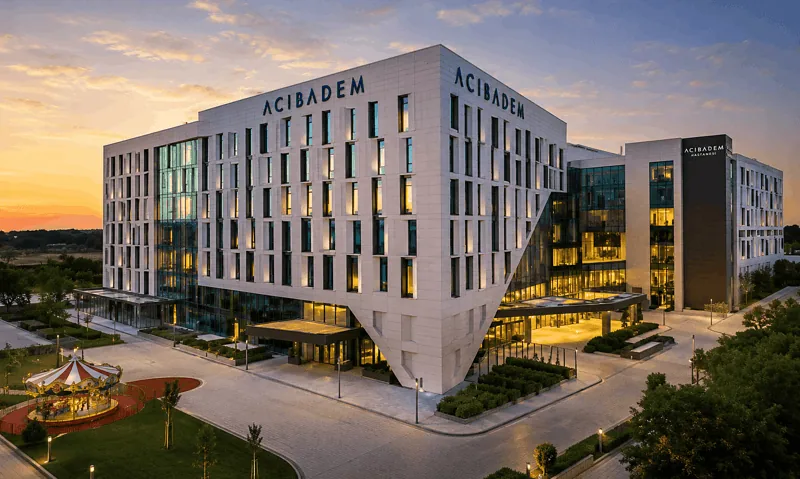
Acibadem approaches minimally invasive dentistry through careful assessment, individualised planning and access to multidisciplinary care when a case needs it. A patient who arrives with a cosmetic concern may also need evaluation of gum health, bite forces, old restorations or tooth vitality. A patient with recurrent decay may benefit from preventive risk management before any restoration is placed. When treatment touches several areas of dentistry — restorative, periodontal, orthodontic, surgical or cosmetic dentistry — the relevant specialists can be involved in planning so decisions reflect the full oral health picture rather than a single tooth in isolation.
The hospital-based setting matters when dentistry intersects with wider health: heart conditions, diabetes, cancer treatment history, bleeding risk, complex medication profiles or a need for sedation or surgical support. Dentistry is not isolated from overall health, and an environment with broader medical resources can accommodate patients whose dental care needs that context.
The dental teams work with modern diagnostic and restorative pathways — digital imaging, intraoral scanning, clinical photography, magnification, adhesive dentistry protocols and digitally supported treatment planning where suitable. The emphasis stays on tools that improve accuracy and patient understanding, not on complexity for its own sake. And because minimally invasive dentistry is technique-sensitive, judgement matters as much as equipment: preserving structure while creating a durable restoration demands careful isolation, detailed preparation and a working command of materials. In aesthetic cases it also demands attention to facial balance, tooth proportions, shade, translucency, gum contours and the character of your natural smile.
Second opinions are a legitimate part of dental decision-making, particularly for patients who have been advised to receive multiple crowns, extensive veneer preparation, or extraction and implant treatment. In some cases those recommendations are exactly right. In others, a more conservative plan is possible. A detailed second opinion clarifies whether teeth can be preserved, whether disease must be treated first, and which options fit your health, timeline and long-term goals. The guiding question in conservative dentistry is not only what can be restored, but what can be preserved, strengthened and maintained.
A Measured Way to Decide
Minimally invasive dentistry offers a considered way to treat dental disease, repair damage and improve smile aesthetics while protecting as much natural tooth structure as possible. For many patients it means smaller restorations, more natural-looking results, reduced treatment complexity and a clearer prevention plan. For others, its real value is diagnostic honesty: it identifies when a more advanced treatment is genuinely necessary, and how to perform even that as conservatively as the situation allows.
The approach rewards early evaluation, accurate diagnosis and steady maintenance more than any single technique. A plan built around the condition of your teeth, the health of your gums, your bite and your aesthetic goals is more likely to hold up over the years than one built around a procedure chosen in advance. Careful, evidence-based dentistry that respects the natural tooth is not the flashiest version of dental care. It is usually the one your teeth thank you for longest.
Preparation
- A dentist evaluates oral health with an examination and any needed digital imaging. Existing cavities, gum health, bite issues, and cosmetic goals are reviewed before planning the most conservative treatment. Patients may be advised to eat beforehand if local anesthesia is planned and to share medical history and current medications.
Aftercare
- Mild sensitivity can occur after fillings, bonding, or enamel-preserving restorations and usually improves within a few days. Patients should follow brushing, flossing, and fluoride guidance, avoid very hard foods if advised, and attend follow-up visits to monitor restorations. Good oral hygiene and regular check-ups help maintain results.
Turkey vs UK, Germany & USA
Minimally invasive dentistry aims to treat dental problems while preserving as much healthy tooth structure as possible. Costs and patient experience vary by country, clinic setting, materials, laboratory work, and the complexity of the case.
The comparison below highlights non-price factors that commonly influence the overall cost and experience of minimally invasive dental care for international patients.
| Factor | Turkey | UK | Germany | USA |
|---|---|---|---|---|
| Care setting | Often delivered in private hospitals or specialist dental departments with international patient support; JCI-accredited hospital environments may be available. | Public and private pathways differ; cosmetic or elective minimally invasive treatments are often accessed privately. | Private dental practices and multidisciplinary clinics are common; regulated standards and laboratory quality influence cost. | Mostly private care with broad variation by state, clinic type, and insurance arrangements. |
| Price drivers | Case complexity, materials, digital imaging, laboratory work, clinician expertise, and whether travel services are bundled. | Private consultation fees, restorative materials, lab work, and availability of specialist care can affect the total cost. | Specialist fees, ceramic or composite materials, diagnostic imaging, and dental laboratory standards are key drivers. | Clinic overheads, insurance status, location, specialist involvement, and advanced digital workflows can strongly affect the final fee. |
| Hospital and dentist factors | Internationally oriented teams may coordinate dentistry with other specialties when needed, such as maxillofacial or medical consultation. | Access depends on whether the patient chooses public, private, or specialist services. | Strong emphasis on structured diagnosis, documentation, and laboratory-supported restorations. | Wide choice of general dentists, cosmetic dentists, and specialists, with variable models of care. |
| Accreditation and quality | Some hospitals serving international patients hold JCI accreditation; patients should confirm the dental team’s qualifications and materials used. | Professional regulation and clinic standards apply; patients should review provider credentials and treatment plans. | Professional regulation and quality frameworks apply; documentation and informed consent are usually detailed. | Licensing and accreditation vary by provider and facility; patients should verify credentials and material choices. |
| Waiting times | Private appointments for international patients may often be coordinated efficiently, depending on availability and treatment complexity. | Public access may involve waiting and eligibility considerations; private appointments may be arranged more quickly. | Private specialist scheduling may vary by region and urgency. | Private access is often appointment-based, with timing influenced by provider availability and insurance processes. |
| Travel and language logistics | International patient departments may assist with scheduling, language support, airport transfers, and treatment itinerary planning. | Travel is simpler for local residents; international patients may need to arrange language and accommodation independently. | Language support may be available in larger clinics, but should be confirmed before travel. | International travel, accommodation, and insurance administration can add complexity for overseas patients. |
| Typical package inclusions | Packages may include consultation, digital diagnostics, treatment planning, procedure fees, and selected coordination services. | Private care is often itemised, with consultation, imaging, treatment, and lab work billed separately. | Treatment plans may itemise diagnostics, restorative work, laboratory components, and follow-up visits. | Fees are commonly itemised and may depend on insurance coverage, deductibles, and network status. |
What affects your final cost
- Extent of decay, wear, cracks, sensitivity, or cosmetic concern.
- Whether the goal is prevention, repair, aesthetics, or full functional rehabilitation.
- Type of material used, such as composite, ceramic, or resin-based systems.
- Need for digital imaging, smile design, laboratory work, or occlusion analysis.
- Dentist or specialist experience and the clinical setting.
- Whether follow-up care, language assistance, transfers, or accommodation support are included.
Compare your options
Minimally invasive dentistry includes several conservative options. Suitability is decided by a dental specialist after examination, imaging, and assessment of bite, enamel, dentine, gums, and overall oral health.
| Option | What it is | Typical use | Key considerations |
|---|---|---|---|
| Preventive and remineralisation care | Fluoride, desensitising agents, hygiene therapy, diet guidance, and enamel-strengthening approaches. | Early enamel changes, sensitivity, high decay risk, or maintenance after treatment. | Requires patient compliance and regular monitoring; not suitable for cavities that already need restoration. |
| Sealants and resin infiltration | Protective or infiltrating resin materials placed without traditional drilling or with very limited preparation. | Early lesions, deep grooves, white spot lesions, and selected non-cavitated decay. | Best for early-stage problems; case selection is important to avoid undertreating active decay. |
| Air abrasion or micro-preparation | Conservative removal of affected tooth tissue using fine instruments or air-based techniques. | Small cavities or replacement of limited defective restorations. | May preserve more tooth structure than conventional preparation, but not every cavity is suitable. |
| Direct composite bonding | Tooth-coloured resin added directly to the tooth surface with minimal or no enamel reduction. | Chips, small gaps, worn edges, discolouration, and conservative aesthetic corrections. | Usually repairable, but may stain or wear over time; bite forces and habits such as grinding matter. |
| Inlays, onlays, and overlays | Conservative restorations made from ceramic or composite to repair larger areas while avoiding full crowns where possible. | Moderate tooth damage, cracked cusps, large old fillings, or structural weakness. | Often involves digital design or laboratory work; material choice and remaining tooth structure guide suitability. |
| Minimal-prep veneers | Thin aesthetic coverings placed with little or carefully planned enamel reduction when clinically appropriate. | Selected cosmetic concerns involving shape, colour, minor alignment, or surface defects. | Not suitable for every bite or enamel condition; expectations, gum health, and long-term maintenance should be discussed. |
General information only — not medical or financial advice. Final costs depend on the factors above and your individual case; request a free, personalised quote.
Frequently Asked Questions
What affects the cost of minimally invasive dentistry?
The main factors are the size and depth of the dental problem, the materials selected, the need for imaging or laboratory work, the dentist’s expertise, and whether the treatment is preventive, restorative, or aesthetic. A consultation is needed to provide a personalised quote.
How can I get a personalised quote before travelling to Turkey?
You can request a free consultation and share recent dental photographs, X-rays if available, and a description of your concerns. The dental team may provide an initial plan, but the final recommendation is confirmed after an in-person examination.
Are minimally invasive techniques always cheaper than traditional dentistry?
Not always. Some conservative options use advanced materials, digital planning, or laboratory-made restorations, which can influence cost. The advantage is that the approach aims to preserve healthy tooth structure when clinically appropriate.
What is usually included in a treatment package for international patients?
Packages may include consultation, diagnostic imaging, treatment planning, the dental procedure, and coordination services such as language assistance or appointment scheduling. Inclusions vary, so they should be confirmed in writing before travel.
Will I need follow-up visits after minimally invasive dental treatment?
Follow-up depends on the treatment type, the bite, oral hygiene, and the material used. Some cases only need routine dental review, while others may require polishing, adjustment, monitoring, or maintenance.
Medically reviewed by the Acıbadem International Medical Board — August 30, 2026
See our medical review board →
Update history
- PublishedJune 8, 2026
- Medical review approvedAugust 30, 2026
- Last content updateAugust 30, 2026
Trusted care for international patients
Doctors Performing This Treatment

Assoc. Prof. Dr. Ferit Bayram
Oral & Dental Health
Dr. Ezgi Gülüm
Oral Dental & Maxillofacial Surgery
Dr. Emre Çengelli
Oral Dental & Maxillofacial Surgery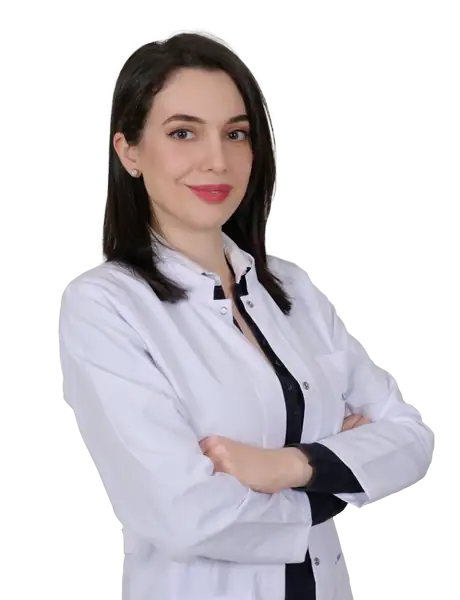
Dr. Arzu Morçiçek
Oral & Dental HealthDr. Deniz Turgut
Oral & Dental Health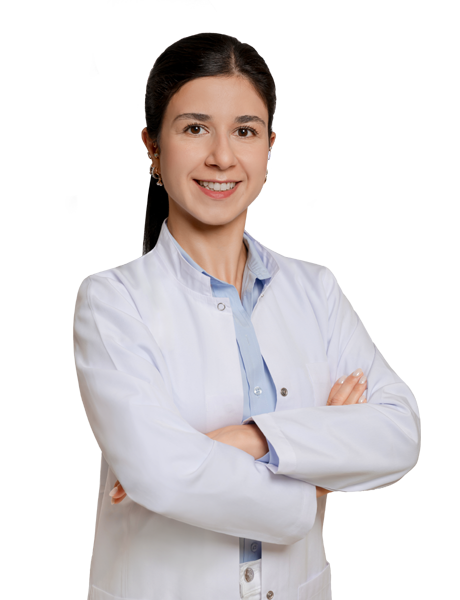
Dr. Ceyda Sabancı
Oral & Dental Health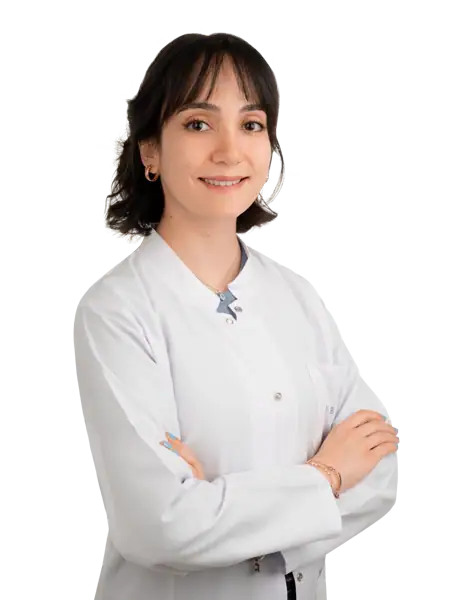
Dr. Çağla Su Doğangün Ayduk
Oral & Dental Health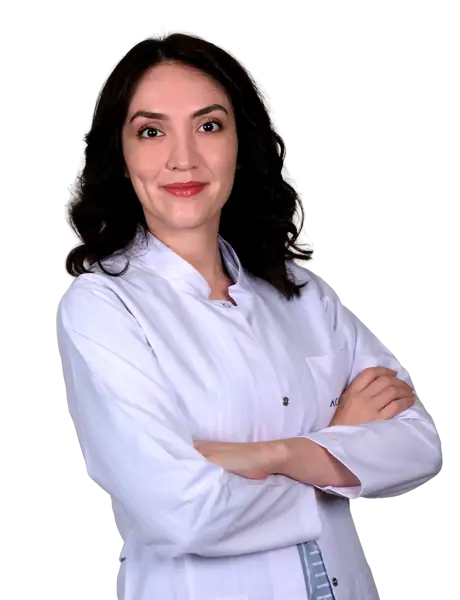
Dr. Begüm Öykü Kesim
Oral & Dental Health
Dr. Eylül Türsen
Oral & Dental Health
Dr. Zeynep Ezgi Akan
Oral & Dental Health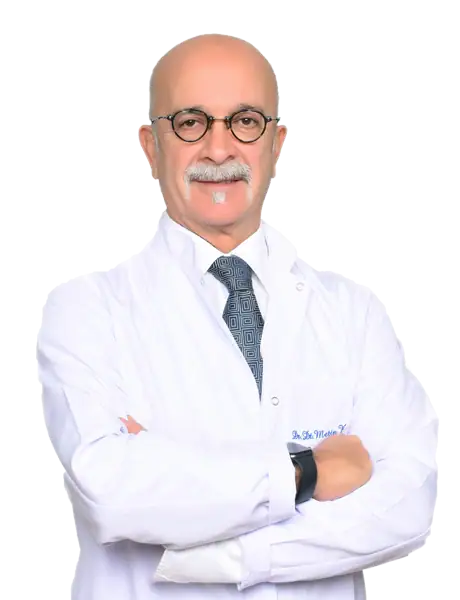
Dr. Metin Kınacı
Oral & Dental Health
Dr. Duygu Yavuzer Karadeniz
PeriodontolgyDr. Ali Riza Özdurmuş
Oral & Dental Health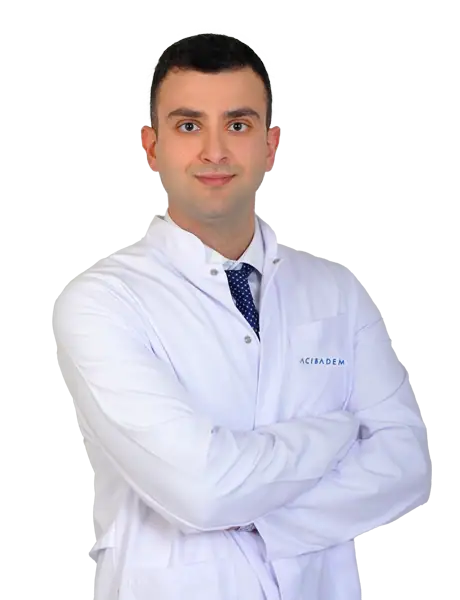
Dr. Bedii Ender Topçu
Oral & Dental Health
Dr. Sebiha Nihal Yılmaz
Oral Dental & Maxillofacial SurgeryDr. Seda Saygılı Özaydın
Oral & Dental Health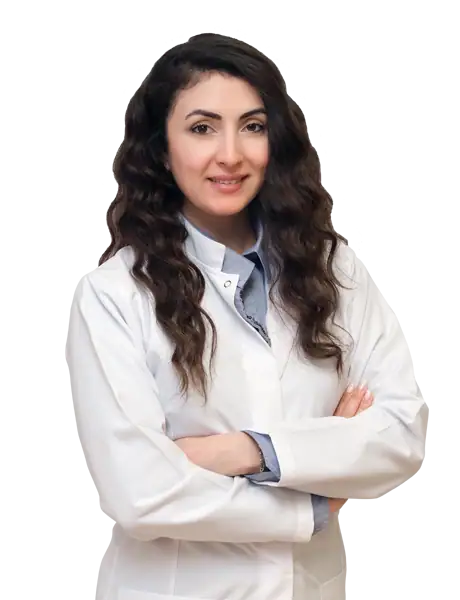
Dr. Zeynep Ekin Kılınç
Oral & Dental Health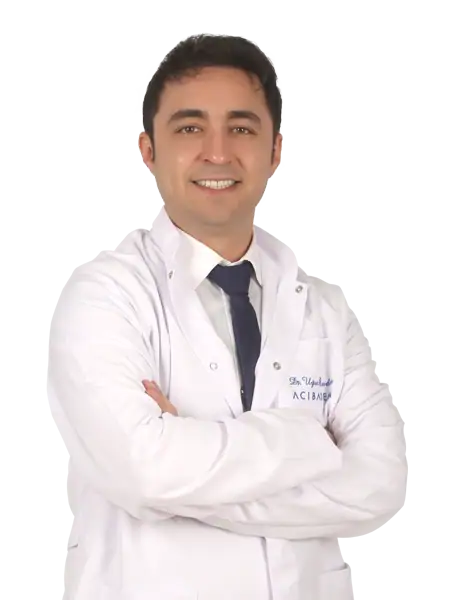
Dr. Uğur Önder
Oral & Dental Health
Dr. Helin Kuşsever Topçu
Oral & Dental Health
Dr. Pelin Açık
Oral & Dental Health
Dr. İpek Saygılı
Oral & Dental Health
Dr. Halime Bayram
Oral & Dental Health
Dr. Havva Gölalan
Oral & Dental Health
Dr. Merve Ağartıoğlu
Oral & Dental HealthMedical Units
Available at These Hospitals