Nipple Reconstruction
Nipple reconstruction recreates the nipple and areola after mastectomy, trauma, or congenital absence. It is often the final stage of breast reconstruction, improving breast contour and symmetry.
Quick answer
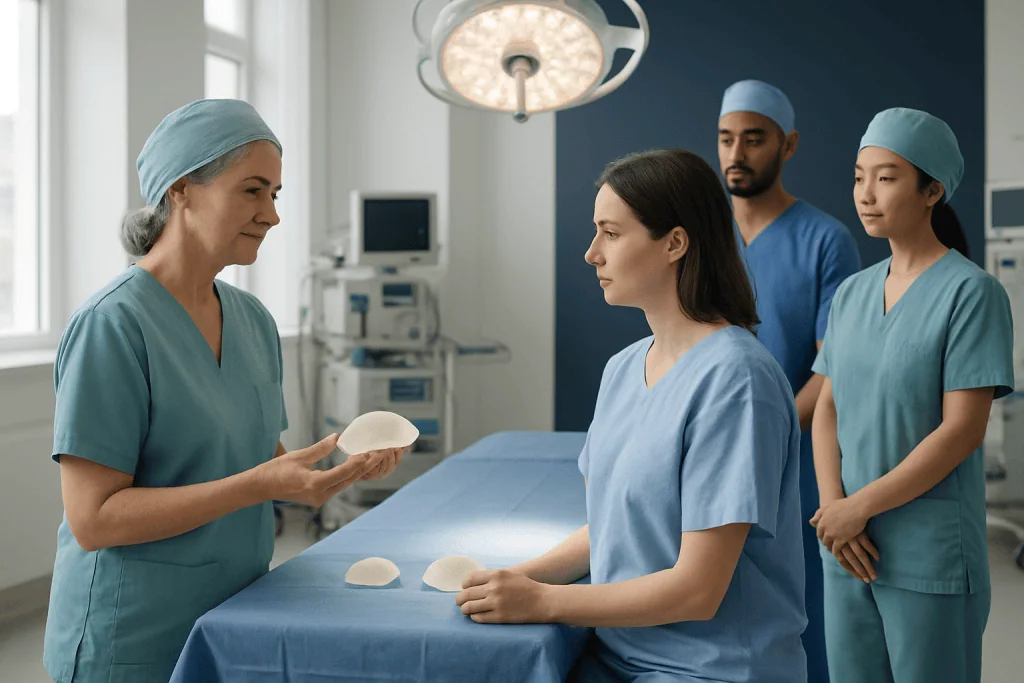
Nipple reconstruction recreates the nipple and areola after mastectomy, trauma, or congenital absence, usually as the final stage of breast reconstruction. At Acibadem in Turkey, it is performed with a personalized plan using techniques such as local tissue reshaping, medical tattooing, or grafting to improve breast symmetry and appearance.
Completing Breast Reconstruction With Care, Precision and Sensitivity
For many people, nipple reconstruction is not simply a cosmetic detail. It can be an important emotional and physical step after mastectomy, breast trauma, previous surgery, or congenital absence of the nipple and areola. Even when the breast mound has already been reconstructed, the absence of the nipple-areola complex may make the breast feel unfinished. Some patients describe feeling that their body still looks “medical” rather than natural. Others are uncertain whether another procedure is worth it, especially after cancer treatment or multiple surgeries.
These feelings are understandable. Breast reconstruction is personal, and there is no single right choice. Some patients choose surgical nipple reconstruction, some prefer areola tattooing alone, and some decide not to have further reconstruction. The purpose of a thoughtful consultation is not to push one option, but to help you understand what is possible, what the limitations are, and which approach best matches your anatomy, prior treatments, lifestyle, and expectations.
Nipple reconstruction is often the final stage of breast reconstruction. It aims to recreate the raised nipple and the surrounding areola to improve breast contour, proportion and symmetry. When carefully planned, it can help the reconstructed breast look more complete in clothing, swimwear and private life. It may also help patients feel more comfortable looking at themselves after treatment.
For international patients considering care abroad, the questions are often practical as well as emotional: Is the procedure safe? How long will I need to stay? Can it be combined with tattooing or revisions? What happens if I had radiation therapy? How natural can the result look? At Acibadem, nipple reconstruction is approached as part of a broader breast reconstruction pathway, with attention to surgical planning, oncologic history, symmetry, scar quality and patient preference.
What Is Nipple Reconstruction?
Nipple reconstruction is a procedure that recreates the nipple and, when needed, the areola after loss, removal, underdevelopment or absence of the nipple-areola complex. It is most commonly performed after breast cancer surgery, particularly after mastectomy with breast reconstruction. It may also be used after traumatic injury, burns, prior surgery, infection, or congenital conditions in which the nipple or areola did not form normally.
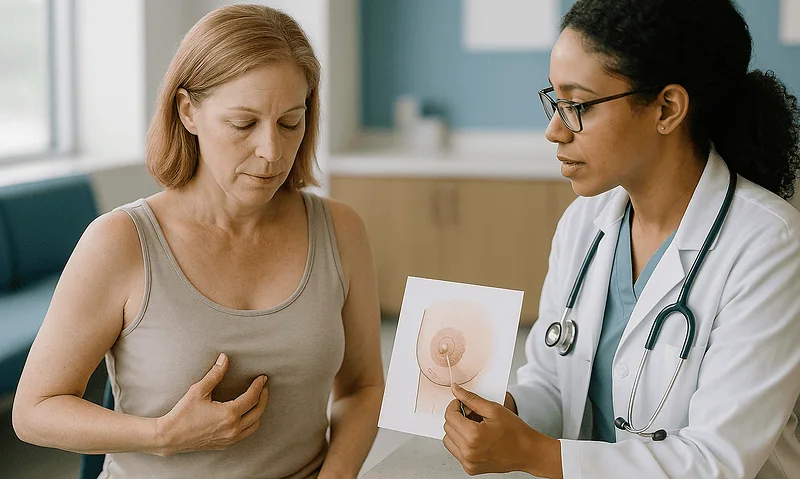
The nipple and areola are two related but distinct structures. The nipple is the central raised projection. The areola is the surrounding circular area of darker skin. Reconstruction may address one or both. In many patients, the raised nipple is created surgically using small local skin flaps from the reconstructed breast. The areola color is then restored with medical tattooing, also called micropigmentation, or with selected skin graft techniques in specific cases.
In some patients, three-dimensional areola tattooing alone may be sufficient. This technique uses shading and color variation to create the visual appearance of a nipple and areola without creating a raised projection. It may be preferred by patients who want to avoid another surgery, patients whose skin is thin or radiated, or patients who are comfortable with a flat but realistic visual result.
Surgical nipple reconstruction is usually a relatively short procedure compared with mastectomy or breast mound reconstruction. It is often performed under local anesthesia, sometimes with sedation depending on the patient’s medical history, level of anxiety, and whether other revision procedures are being done at the same time. It is generally planned only after the reconstructed breast has settled and swelling has decreased, so the surgeon can position the nipple accurately.
The goal is not to recreate breastfeeding function or restore normal nipple sensation. After mastectomy, the milk ducts and many sensory nerves have usually been removed or disrupted. Nipple reconstruction is primarily intended to improve appearance, contour and body image. Some patients may experience light touch sensation over time, but sensation is variable and often limited.
Who May Need Nipple Reconstruction?
Nipple reconstruction may be appropriate for patients who have lost a nipple, were born without a typical nipple-areola complex, or feel that their breast reconstruction would look more complete with additional contour and color restoration. The most common situation is after mastectomy and breast reconstruction for breast cancer or risk-reducing surgery in people with a high genetic risk of breast cancer.
Patients often consider nipple reconstruction when the main breast mound has healed and the overall breast shape is stable. This may be several months after implant-based reconstruction, autologous reconstruction using the patient’s own tissue, or revision surgery. If chemotherapy or radiation therapy is part of the treatment plan, nipple reconstruction may be delayed until the oncology team confirms that healing conditions are appropriate.
Common Reasons Patients Ask About Nipple Reconstruction
- Completion of breast reconstruction after mastectomy for breast cancer
- Completion of reconstruction after preventive mastectomy in patients with inherited cancer risk
- Improvement of symmetry after unilateral breast reconstruction
- Restoration after nipple loss due to trauma, burns or infection
- Correction of congenital absence or underdevelopment of the nipple-areola complex
- Revision of a previous nipple reconstruction that has flattened, shifted or lost definition
- Desire for areola color restoration after breast reconstruction or prior surgery
There are usually no “symptoms” in the medical sense that require nipple reconstruction. Instead, patients may notice asymmetry, lack of projection, absence of areola color, or a feeling that the reconstructed breast does not match the opposite side. In unilateral reconstruction, the position, size, color and projection of the natural nipple guide planning. In bilateral reconstruction, the surgeon and patient decide together where the nipples should be placed for a balanced result.
Diagnosis and planning are based on clinical examination rather than a single test. The plastic surgeon evaluates the breast mound, skin quality, scars, thickness of the tissues, implant or flap position, radiation effects, and the location of the opposite nipple if present. Medical photographs may be used for planning and comparison. If there are concerns about masses, delayed healing, skin changes or cancer surveillance, imaging or breast specialist review may be recommended before reconstruction proceeds.
Not every patient is immediately ready for nipple reconstruction. Active infection, unstable scars, unhealed wounds, ongoing radiation effects, poorly controlled diabetes, smoking, or significant circulation problems may increase risks. Patients who are still deciding about breast mound revisions may also be advised to complete those adjustments first, because changes in breast shape can affect nipple position.
Conditions and Indications Nipple Reconstruction Addresses
Nipple reconstruction addresses the absence, loss or cosmetic alteration of the nipple-areola complex. It is most often considered after oncologic breast surgery, but its use is broader. The indication is usually functional in the emotional and reconstructive sense: restoring proportion, visual balance and a more complete breast appearance after a major change to the body.
After mastectomy, the nipple-areola complex may be removed as part of cancer treatment. In some cases, nipple-sparing mastectomy is possible, but not all patients are candidates. Tumor location, breast anatomy, blood supply, previous surgery, genetic risk considerations and oncologic safety influence that decision. When the nipple cannot be preserved, delayed reconstruction remains an option after the breast mound has healed.
Nipple reconstruction may also help patients who have undergone skin-sparing mastectomy, total mastectomy, or revision surgery after complications. In autologous breast reconstruction, where tissue from the abdomen, back, thigh or other areas is used to create the breast mound, nipple reconstruction can add a final point of definition. In implant-based reconstruction, it can soften the impression of a reconstructed breast by adding natural visual landmarks.
Trauma-related indications include injuries from accidents, burns, bites, surgical complications or severe infection. Congenital indications may include absent nipples, asymmetrical development, or syndromes affecting the chest wall and breast. In these circumstances, timing and technique are individualized, particularly in younger patients or those whose breast development may not be complete.
Revision is another important indication. Reconstructed nipples can lose projection over time because scar tissue contracts and the surrounding skin relaxes. Tattoo color can fade, especially in areas affected by radiation or scar tissue. A secondary procedure, additional tattooing, or adjustment of projection may be considered when the original result no longer meets the patient’s expectations.
How Nipple Reconstruction Is Performed
Nipple reconstruction is a highly individualized procedure. The technique depends on whether the patient needs a raised nipple, areola color, or both; whether reconstruction is unilateral or bilateral; the quality of the skin; the history of radiation; and the shape of the breast mound. The procedure may be brief, but the planning is detailed because millimeters can affect symmetry and appearance.
Preparation and Consultation
The process begins with a medical consultation and review of previous breast surgery, pathology, cancer treatment, radiation therapy, chemotherapy, medications, allergies and healing history. For patients traveling internationally, medical records, operative reports, pathology results, imaging reports and photographs may be reviewed before arrival when appropriate. This helps the care team understand the reconstructive history and plan the timing of evaluation.
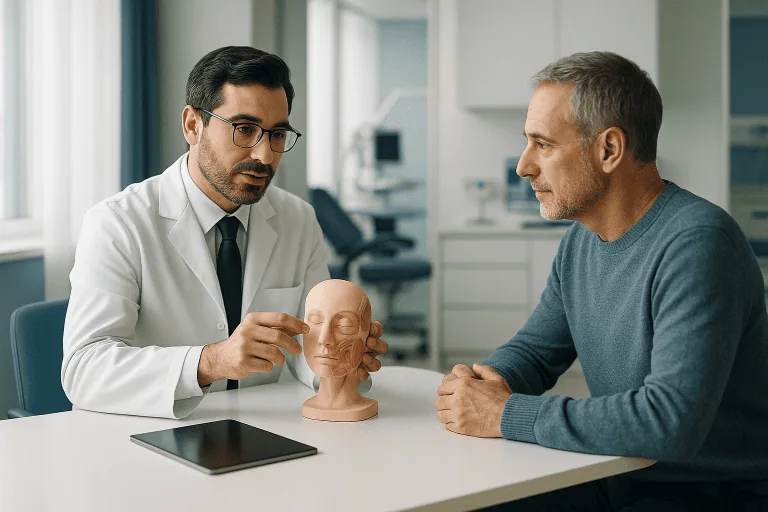
During the physical examination, the surgeon assesses the breast mound while the patient is sitting and standing. This is important because breast position changes with posture. For unilateral reconstruction, the natural nipple is used as a reference for height, direction, diameter and projection. For bilateral reconstruction, the surgeon marks a balanced position based on chest proportions, breast shape, scar placement and patient preference.
Patients are asked about their goals. Some want the most natural visual result possible. Others prefer a modest nipple projection to avoid visibility through clothing. Some want tattooing only. The surgeon explains the likely appearance, expected flattening over time, scar pattern, possible need for tattoo touch-ups, and the limitations created by radiated or thin skin.
Choosing the Technique
Several approaches may be used. A local flap technique uses small sections of skin and underlying tissue on the reconstructed breast to create a raised nipple. The flaps are carefully lifted, folded and shaped to form projection, then sutured in place. This is one of the most common surgical methods because it uses nearby tissue and avoids a donor site elsewhere on the body.
Skin grafting may be considered in selected cases, especially for areola reconstruction. A small piece of skin may be taken from an area with naturally darker pigmentation, such as the groin crease, depending on the patient’s anatomy and preferences. However, medical tattooing is now commonly used for areola color because it avoids a donor-site scar and allows color matching.
Three-dimensional medical tattooing can create the appearance of a nipple and areola through pigment, shading and highlights. It can be used after surgical nipple reconstruction to add areola color, or as a standalone option for patients who do not want a raised nipple. The result is visual rather than structural, but for many patients it is a meaningful and less invasive choice.
For some patients, especially those with a natural nipple on the opposite side, sharing tissue from the opposite nipple may be discussed. This is less common and only suitable in carefully selected patients. The decision depends on nipple size, patient comfort, sensation concerns and the desire to avoid altering the natural breast.
The Procedure Itself
On the day of surgery, the planned nipple position is marked with the patient upright. This step is essential because symmetry is judged most accurately in a natural position. The markings may be adjusted after discussion between the surgeon and patient.
If local anesthesia is used, the area is numbed with injections. Sedation may be added when the patient is anxious or when nipple reconstruction is combined with other revisions, such as scar refinement, fat grafting, implant pocket adjustment or contour correction. The surgeon then creates the nipple using the selected flap design or technique. Fine sutures are used to shape the tissue and close the incisions.
The reconstructed nipple is usually intentionally made slightly more prominent than the desired final result, because some flattening is expected during healing. A protective dressing is placed to avoid pressure on the new projection. Patients receive instructions on how to protect the area from compression, friction and trauma.
Areola tattooing is not always performed on the same day as surgical nipple reconstruction. In many cases, it is delayed until the nipple has healed and the scar has matured, so pigment can be placed more accurately. When tattooing is performed, medical-grade pigments are selected to match the opposite areola or to create a natural tone for bilateral reconstruction. Shading techniques can provide depth and a more realistic appearance.
Technology and Planning Tools
Modern nipple reconstruction relies on careful visual assessment, surgical measurement and precision. Clinical photography, digital planning, magnification, refined surgical instruments and advanced wound-care materials may be used to support accuracy and healing. In more complex reconstruction histories, imaging may be used to evaluate the breast mound or investigate any concerning findings before elective reconstruction.
For patients who need areola tattooing, controlled pigment placement and color selection are important. The aim is to create tone, border softness and shadowing that look appropriate for the individual patient. Technology assists the process, but the result also depends on clinical judgment, artistic planning and understanding how scarred or radiated skin accepts pigment.
Typical Duration and Recovery
Nipple reconstruction is often performed as an outpatient procedure. The surgical portion may take less than an hour in straightforward cases, although timing varies if both breasts are treated or if other revisions are performed. Patients are usually monitored briefly after the procedure and can often return to their accommodation the same day with written instructions.
Recovery is generally easier than earlier stages of breast reconstruction. Mild soreness, swelling, bruising or tightness may occur. Many patients return to light daily activities within a few days, but exercise, swimming, heavy lifting and pressure on the chest are restricted until the surgeon confirms that healing is adequate. A special protective dressing or shield may be used to prevent the new nipple from being flattened.
Healing continues over several weeks. The nipple projection becomes softer and may decrease. Scars gradually mature. If tattooing is planned, it is commonly scheduled after the surgical site has healed sufficiently. Tattoo color may appear darker at first, then soften as the skin heals. A touch-up session may be needed to refine color or improve symmetry.
Why Acting Early Matters and the Risks of Delay
Nipple reconstruction is usually elective and not urgent. However, timely discussion can be valuable. Patients sometimes wait because they feel they should be grateful that cancer treatment is over, or because they worry that asking about appearance is not medically important. In reality, body image, confidence and emotional recovery are legitimate parts of cancer survivorship and reconstructive care.
Acting early does not necessarily mean having the procedure immediately. It means asking the right questions before scars, breast shape, or treatment timelines become barriers to planning. If radiation therapy is expected, the team may recommend waiting until tissue changes stabilize. If breast mound revisions are needed, those may be completed first. If the patient is traveling from abroad, early planning can help coordinate consultation, surgery, tattooing, and follow-up in a realistic schedule.
Delay can also have practical consequences. Scar tissue may mature in ways that affect nipple position or skin mobility. Tattooing over unstable scars may lead to uneven pigment. If a patient has concerns about a new lump, skin change, persistent redness, wound breakdown or unexplained pain, delaying medical assessment can postpone diagnosis of a problem that should be evaluated before cosmetic reconstruction.
There are also emotional aspects. Some patients feel that each month without a nipple-areola complex reinforces the memory of surgery or cancer treatment. Others are comfortable waiting or choosing no further reconstruction. Both perspectives are valid. The important point is that patients should have access to clear information, so the decision is intentional rather than based on uncertainty or fear.
Benefits of Nipple Reconstruction
The benefits of nipple reconstruction are both aesthetic and personal, and they vary depending on the patient’s anatomy, previous treatment and goals.
| Benefit | What It Means for You |
|---|---|
| More complete breast appearance | The reconstructed breast gains a central visual landmark, which can make the overall result look more finished and proportionate. |
| Improved symmetry | In unilateral reconstruction, the nipple position, size and areola color can be planned to better match the opposite breast. |
| Personalized options | Patients may choose surgical projection, medical tattooing, a combination of both, or no further reconstruction based on comfort and preference. |
| Usually limited downtime | Compared with earlier breast reconstruction stages, recovery is often shorter and less physically demanding. |
| Support for emotional recovery | For some patients, completing the nipple-areola complex helps reduce the feeling of being defined by surgery or illness. |
Recovery Timeline After Nipple Reconstruction
Recovery varies, but many patients experience a relatively brief healing period when nipple reconstruction is performed alone.
| Time Period | What Patients Can Expect |
|---|---|
| Day 1 | Mild soreness, swelling or bruising may occur. A protective dressing is placed, and patients are advised to avoid pressure on the reconstructed nipple. |
| First Week | Most patients can perform light daily activities. The dressing is managed as instructed, and friction from tight clothing should be avoided. |
| First Month | Incisions continue to heal, swelling decreases, and the nipple begins to settle. Exercise and swimming resume only after medical clearance. |
| After Tattooing | The areola color may look darker initially and then soften. Gentle skin care is important while pigment heals into the skin. |
| Longer Term | Some loss of projection is expected. Tattoo color may fade over time, and a touch-up or minor revision can be considered if desired. |
Factors That Influence Outcomes and a Good Result
A good nipple reconstruction result depends on surgical planning, tissue quality, healing capacity and realistic expectations. The procedure may be small in size, but it is affected by the entire history of the reconstructed breast.
One of the most important factors is the quality of the skin and underlying tissue. Skin that has been radiated may be thinner, firmer, less elastic and more prone to delayed healing. Scars from previous operations may limit flap design or influence pigment absorption. Implant-based reconstruction may provide a different tissue thickness than autologous reconstruction, and this can affect nipple projection and durability.
Breast mound stability also matters. If the breast is still changing shape after reconstruction, nipple placement may become less accurate over time. For this reason, surgeons often wait until swelling has settled and any planned revisions are complete. In unilateral reconstruction, the opposite breast may also change with aging, weight fluctuation or hormonal changes, so symmetry is planned with both current appearance and natural variation in mind.
Patient health plays a significant role. Smoking and nicotine use can reduce blood flow and increase the risk of wound healing problems. Diabetes, immune suppression, certain medications and nutritional deficiencies may also influence recovery. Patients are often advised to stop nicotine well before and after surgery and to optimize medical conditions before elective reconstruction.
The choice of technique affects outcomes as well. Local flap reconstruction can create real projection, but that projection often decreases over time. Tattooing can create impressive visual realism, but it does not create a raised nipple unless combined with surgery. Skin grafts may offer texture or pigment in selected cases, but they add a donor site and may not match perfectly. The best approach is the one that fits the patient’s tissues and priorities.
Surgeon experience and attention to detail are also essential. Nipple position should be assessed with the patient upright. The reconstructed nipple should be aligned not only with the opposite nipple, if present, but also with the breast mound, chest wall, scars and natural visual balance. In bilateral reconstruction, symmetry is created rather than copied, requiring judgment about proportion and direction.
Expectations should be discussed openly. A reconstructed nipple will not usually have normal sensation, erectile function or breastfeeding ability. Scars are part of the procedure, although they are typically small and designed to blend with the reconstructed nipple and areola. Some patients may need more than one step to achieve the desired appearance, especially if tattoo color requires refinement or if projection decreases more than expected.
Follow-up is another part of a good result. Early follow-up checks healing, dressing technique and signs of irritation. Later follow-up can evaluate scar maturation, nipple projection, pigment quality and symmetry. For international patients, a plan for communication after returning home is important, including when to send photographs, when to seek local care, and when a return visit might be useful.
Why International Patients Choose Acibadem for Nipple Reconstruction
International patients considering nipple reconstruction often want more than technical surgery. They want a team that understands the medical history behind the procedure, the emotional weight of breast reconstruction, and the practical needs of traveling for care. At Acibadem, nipple reconstruction is planned within a comprehensive reconstructive and breast care environment, not as an isolated cosmetic step.
Acibadem Hospitals are JCI-accredited, reflecting structured quality and patient safety processes across clinical care. For patients who have had breast cancer, reconstruction planning may involve plastic and reconstructive surgeons, breast surgeons, medical oncologists, radiation oncologists, radiologists, pathologists and specialist boards when needed. This multidisciplinary structure is especially important for patients with complex histories, prior radiation, implant complications, autologous flap reconstruction, or uncertainty about timing after cancer treatment.
Care is guided by international and evidence-based treatment protocols, while still being individualized. A patient who had a recent mastectomy may need a different plan from someone who completed reconstruction years ago. A patient with radiated skin may be advised to delay, modify the technique, or consider tattooing alone. A patient traveling for a second opinion may need a careful review of previous operative reports before a safe recommendation can be made.
Acibadem’s plastic and reconstructive surgery teams work with modern diagnostic and treatment pathways. Clinical photography, detailed measurements, imaging when medically indicated, precise surgical instruments, refined anesthesia care and wound-care protocols all support planning and recovery. The emphasis is on using technology appropriately: to improve assessment, support accuracy, reduce avoidable risk and help patients understand their options.
For international patients, coordination matters. Acibadem International provides dedicated services for patients traveling from abroad, including assistance with medical record transfer, appointment scheduling, interpreter support in more than 20 languages, hospital admission guidance and coordination of follow-up communication. This is particularly helpful for patients who may need to combine consultation, surgery and postoperative review within a limited travel window.
The patient experience is also shaped by communication. Many patients arrive with anxiety about previous cancer treatment, fear of another procedure, or disappointment with earlier reconstruction. A careful consultation should allow time to discuss what is realistic, what can be improved, what should be left alone, and what risks are worth accepting. The most appropriate plan may be surgical nipple reconstruction, tattooing, revision of the breast mound first, or no procedure at that time.
Second opinions are common in breast reconstruction, and they can be valuable. Patients may seek clarification about whether nipple reconstruction is safe after radiation, whether a flattened nipple can be revised, whether tattooing will work on scar tissue, or whether asymmetry should be corrected before nipple placement. A second opinion can help patients make decisions with clearer expectations and a better understanding of alternatives.
For patients from the United States and other countries, choosing care abroad also requires confidence in continuity. Before returning home, patients should understand wound care, activity limits, warning signs, travel precautions and follow-up steps. When appropriate, the care team can provide written medical summaries and guidance for local physicians. This helps make international care more manageable after the patient leaves the hospital.
A Thoughtful Final Step in Breast Reconstruction
Nipple reconstruction can be a meaningful final stage after mastectomy, trauma or congenital absence. It is a relatively focused procedure, but its significance is often larger than its size. By recreating the nipple and areola, surgery and medical tattooing can help restore balance, contour and a more natural sense of completion.
The best results come from careful timing, honest discussion and individualized planning. Some patients benefit from surgical projection. Others are better served by three-dimensional tattooing alone. Some need breast mound revision first, while others are ready for a short outpatient procedure. The right choice depends on your body, your cancer treatment history if applicable, and your personal priorities.
If you are considering nipple reconstruction, or if you would like a second opinion after previous breast reconstruction, Acibadem can review your medical history and help you understand the options that may be appropriate for you. A consultation can clarify timing, technique, expected recovery, possible limitations and the practical details of traveling for care.
This information is general and is not a substitute for professional medical advice. A qualified physician should evaluate your individual medical history, diagnosis and treatment options before any decision is made.
Preparation
- Your plastic surgeon evaluates breast shape, skin quality, scars, and previous reconstruction before planning the technique. You may be asked to stop smoking and avoid blood-thinning medicines before surgery. If nipple tattooing is planned, timing and color matching are discussed in advance.
Aftercare
- A protective dressing is usually worn to avoid pressure on the reconstructed nipple. Mild swelling, bruising, and tenderness are expected for a short period. Patients should avoid tight bras, direct pressure, and strenuous upper-body activity until cleared by the surgeon.
Frequently Asked Questions
What affects the cost of nipple reconstruction?
Cost is influenced by the reconstruction method, whether areola tattooing is included, anaesthesia needs, hospital setting, surgeon experience, previous breast reconstruction, scar quality, and follow-up requirements. Travel, accommodation, and translation support may also affect the total for international patients.
How can I get a personalised quote from Acibadem?
You can request a free consultation and share your medical history, photos if appropriate, prior operation reports, and treatment goals. A specialist review helps determine the suitable technique and the services that should be included in your quote.
Is nipple reconstruction usually a standalone procedure?
It can be performed alone, but it is often planned after the reconstructed breast mound has settled. Some patients also need scar revision, contour correction, implant or flap assessment, or medical tattooing, which can change the treatment plan and cost.
Does medical areola tattooing change the overall cost?
Yes. Tattooing may be a separate step or part of the overall reconstruction plan, depending on the technique and provider pathway. Pigment choice, scar tissue, skin tone, and the need for future touch-ups can influence planning.
What is typically included in an international patient package?
Packages may include consultation, hospital services, anaesthesia when required, nursing care, standard medicines, translation, appointment coordination, and follow-up guidance. Exact inclusions vary, so they should be confirmed in writing before travel.
Is the cheapest option always the best choice?
Not necessarily. Nipple reconstruction is a personal reconstructive procedure, and quality, safety, surgeon expertise, hospital accreditation, communication, aftercare, and realistic expectations are important. This information is general and is not medical or financial advice.
Medically reviewed by the Acıbadem International Medical Board June 20, 2026
See our medical review board →
Update history
- PublishedJune 8, 2026
- Medical review approvedJune 20, 2026
- Last content updateJune 8, 2026
References2
- Breast Reconstruction After Mastectomy cancer.gov
- Breast Reconstruction medlineplus.gov
Trusted care for international patients
From the Acibadem Blog

Nipple Reconstruction Results: Why Projection Softens Over Time and What Can Be Adjusted
Reconstructed nipples almost always lose some height in the first year because the small skin flap or graft has no ducts, muscle or firm…
Nipple Reconstruction Surgery vs 3D Nipple Tattooing: What Each Option Restores
Nipple reconstruction surgery rebuilds a raised nipple from the skin of the reconstructed breast, restoring shape and some projection but not sensation. 3D nipple…

Healing After Nipple Reconstruction: Protective Dressings, Bras to Avoid and the First Weeks
Nipple reconstruction recovery is usually gentler than earlier breast surgery. Most people wear a protective dressing or shield for the first weeks, choose soft…
Doctors Performing This Treatment



Aesthetic Plastic & Reconstructive Surgery
Prof. Mehmet Veli Karaaltın, MD


Aesthetic Plastic & Reconstructive Surgery
Assoc. Prof. Erdem Güven, MD

Aesthetic Plastic & Reconstructive Surgery
Assoc. Prof. Ahmet Küçükçelebi, MD

Aesthetic Plastic & Reconstructive Surgery
Assoc. Prof. Mehmet Altıparmak, MD

Aesthetic Plastic & Reconstructive Surgery