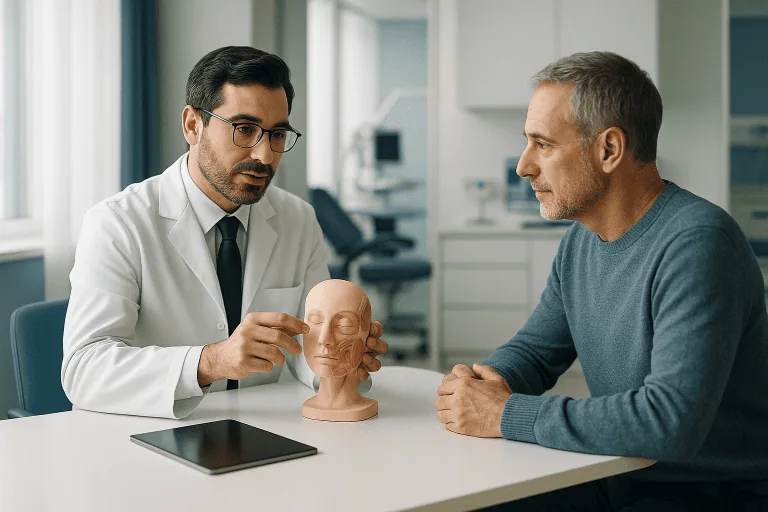
Reconstruction After Trauma
Reconstruction after trauma repairs damaged skin, soft tissue, bone, nerves, or facial structures after accidents or injuries to restore function, appearance, and quality of life.
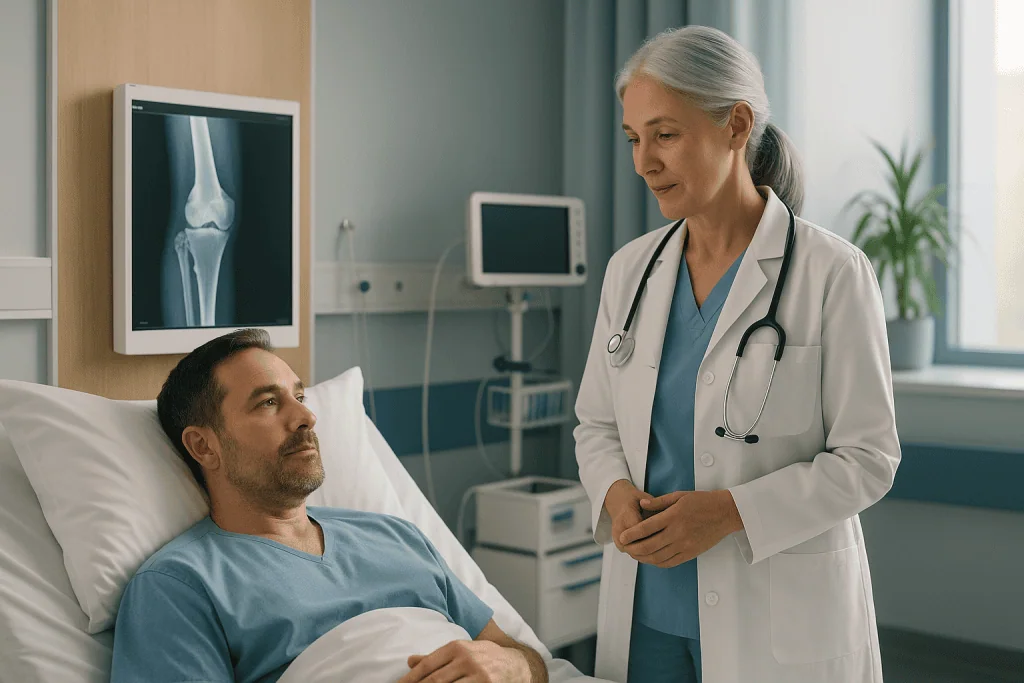
Quick answer
Reconstruction after trauma is surgery to repair skin, soft tissue, bone, nerves, or facial structures damaged by injury, with the aim of restoring function, appearance, and everyday comfort. At Acibadem in Turkey, treatment is planned according to the type and extent of trauma and may involve wound repair, microsurgery, grafts, flaps, fracture reconstruction, and staged rehabilitation by a multidisciplinary team.
Rebuilding Function and Confidence After a Serious Injury
A traumatic injury can change life in a single moment. A car accident, fall, burn, workplace incident, sports injury, animal bite, or violent trauma may damage skin, muscles, tendons, nerves, blood vessels, bones, or facial structures. Beyond the immediate medical emergency, many patients face a second and deeply personal concern: Will I be able to move, work, eat, speak, smile, or recognize myself again?
Reconstruction after trauma is designed to answer those concerns with careful medical planning, advanced surgical techniques, and a realistic path toward recovery. The goal is not only to close a wound or repair a visible defect. It is to restore function, protect vulnerable tissues, reduce pain and deformity, and help the injured area heal in a way that supports daily life. For some patients, this may mean repairing a hand so fine movement becomes possible again. For others, it may involve rebuilding facial bones after a fracture, covering exposed tendons or bone, restoring the shape of the nose or ear, or improving scars that restrict movement or cause emotional distress.
International patients often begin this search at a difficult time. They may be reviewing medical reports from an emergency hospital, comparing surgical opinions, or looking for reconstructive care that can manage both medical complexity and travel logistics. It is normal to feel uncertain about timing, safety, recovery, visible results, and whether more than one operation will be needed. A thoughtful reconstructive plan should address all of these questions openly.
At Acibadem, reconstruction after trauma is approached through coordinated evaluation and individualized planning. Depending on the injury, plastic and reconstructive surgeons may work with orthopedic surgeons, neurosurgeons, maxillofacial teams, ear-nose-throat specialists, ophthalmologists, rehabilitation physicians, radiologists, wound care specialists, and other experts. This collaborative model is important because trauma rarely affects only one tissue layer. A successful reconstruction often depends on understanding the injury as a whole: skin coverage, blood supply, skeletal stability, nerve function, infection risk, scar behavior, and the patient’s personal goals.
What Is Reconstruction After Trauma?
Reconstruction after trauma refers to surgical and medical procedures used to repair or replace tissues damaged by injury. It may involve the skin, soft tissue, muscles, tendons, ligaments, nerves, blood vessels, cartilage, bone, or specialized facial structures such as the eyelids, nose, lips, jaw, and ears. The main purpose is to restore the safest possible structure and function while also improving appearance when this is medically appropriate.
Trauma reconstruction is different from cosmetic surgery, although appearance is an important part of healing. In reconstructive surgery, the first priority is the patient’s health and function: protecting exposed structures, preventing infection, stabilizing fractures, restoring circulation, preserving movement, and repairing essential anatomy. Once the injury is safe and stable, surgeons can also focus on contour, symmetry, scar quality, and visible outcomes.
Some reconstructive procedures are performed urgently, especially when there is exposed bone, tendon, nerve, or hardware; a contaminated wound; severe facial injury; open fracture; compromised blood flow; or tissue loss that cannot heal on its own. Other procedures are delayed until swelling decreases, infection is controlled, or the patient is medically stronger. In many cases, reconstruction happens in stages. A first operation may clean the wound and protect vital structures, while later procedures refine function, contour, or scar quality.
Common techniques include wound cleaning and debridement, skin grafting, local flap surgery, regional flap surgery, free tissue transfer using microsurgery, bone grafting, tendon or nerve repair, scar revision, tissue expansion, facial fracture repair, and reconstruction of the nose, lips, eyelids, ears, jaw, hands, or limbs. The exact plan depends on the type of injury, the time since trauma, the patient’s overall health, and the tissues available for repair.
Modern reconstructive care also uses detailed imaging, careful wound assessment, operating microscopes for delicate blood vessel and nerve repair, computer-assisted planning for selected facial or skeletal injuries, and specialized wound dressings or negative pressure therapy when appropriate. These technologies do not replace surgical judgment; they help teams plan precisely, protect tissue, and monitor healing.
Who May Need Trauma Reconstruction?
Patients may need reconstruction after trauma when an injury causes tissue loss, deformity, impaired movement, unstable bone, poor wound healing, nerve damage, or a visible change that affects quality of life. Some patients are referred immediately after emergency care. Others seek reconstruction weeks, months, or even years later because an old injury has left functional limitations, painful scarring, asymmetry, or a defect that remains difficult to live with.
Typical symptoms and concerns may include an open wound that does not close, exposed bone or tendon, loss of skin or soft tissue, severe scarring, restricted movement, numbness, weakness, pain, facial asymmetry, difficulty chewing or speaking, eyelid problems, nasal obstruction, hand stiffness, tendon injury, loss of sensation, chronic swelling, or unstable fracture healing. Burn injuries may leave tight scar bands that restrict movement. Facial injuries may affect both appearance and essential functions such as breathing, vision protection, dental alignment, and facial expression.
Diagnosis begins with a detailed clinical examination. The reconstructive surgeon assesses the wound or healed injury, tissue quality, blood supply, sensation, movement, scar behavior, and the relationship between the damaged area and nearby structures. Imaging may include X-rays, CT scans, MRI, ultrasound, vascular studies, or three-dimensional planning when needed. For complex injuries, laboratory tests may be used to evaluate infection, inflammation, nutrition, and readiness for surgery.
For international patients, the first assessment may start before travel. Medical photographs, imaging files, operative notes, discharge summaries, pathology or culture reports, and medication lists can help physicians understand the injury and recommend whether urgent evaluation is needed. In some cases, the treatment plan can be outlined in advance; in others, final decisions are made after direct examination and updated imaging at the hospital.
Patient situations that commonly lead to trauma reconstruction include road traffic accidents, industrial and workplace injuries, falls from height, sports trauma, burns, blast or crush injuries, dog bites, sharp injuries, gunshot or penetrating trauma, complicated fractures, and wounds that have failed to heal after previous treatment. Reconstruction may also be needed after emergency life-saving surgery when tissue coverage, scar management, or functional restoration becomes the next priority.
Conditions and Injuries Addressed by Reconstruction After Trauma
Trauma reconstruction covers a wide range of injuries because the body can be damaged in many different ways. The approach is tailored to the affected area, the depth of injury, the time since trauma, and the patient’s functional needs.
Soft tissue loss is one of the most common reasons for reconstruction. When skin, fat, fascia, or muscle is missing, the body may not be able to close the wound safely. Surgeons may use skin grafts or flaps to cover exposed structures and create a stable surface for healing.
Facial trauma may involve fractures of the jaw, cheekbone, eye socket, nose, or forehead, as well as injuries to the lips, eyelids, ears, facial nerves, or tear drainage system. Reconstruction aims to restore facial support, alignment, expression, vision protection, breathing, chewing, speech, and appearance.
Hand and upper limb injuries often require delicate repair because tendons, nerves, vessels, joints, and bones are closely arranged in a small space. Reconstruction may help restore grip, sensation, finger motion, thumb function, or soft tissue coverage after crush, cut, burn, or avulsion injuries.
Lower limb injuries may involve open fractures, exposed orthopedic implants, muscle loss, nerve damage, or wounds with poor blood supply. Stable soft tissue coverage is essential for walking, fracture healing, and infection prevention.
Burn injuries and scar contractures may require reconstruction when tight scars limit movement, distort facial features, or cause discomfort. Procedures may include scar release, skin grafting, flap surgery, tissue expansion, or staged refinement.
Nerve and tendon injuries may lead to weakness, numbness, pain, or loss of fine movement. Depending on the injury, surgeons may perform primary repair, grafting, nerve transfer, tendon repair, tendon transfer, or rehabilitation-focused reconstruction.
Complex wounds and non-healing wounds may develop after infection, repeated surgery, radiation exposure, diabetes, vascular disease, or severe contamination. These wounds require careful assessment of blood flow, bacterial burden, tissue viability, and systemic health before reconstruction.
Traumatic deformities after previous treatment may be addressed months or years later. Patients may seek help for asymmetry, contour defects, painful scars, missing tissue, nasal collapse, eyelid malposition, jaw misalignment, or limitations that affect work, movement, and social confidence.
How Reconstruction After Trauma Is Performed
Reconstruction begins with understanding the injury in detail. The surgical team reviews how the trauma happened, what emergency treatment was performed, whether infection occurred, what materials or implants are present, and how the injury has changed over time. This history matters because a wound that looks similar on the surface may require a very different operation depending on blood supply, contamination, fracture stability, and prior surgery.
Preparation and Planning
Before surgery, patients usually undergo a physical examination, imaging studies, blood tests, anesthesia evaluation, and risk assessment. The team may request previous operative notes, culture results, CT or MRI images, and photographs. If the injury involves bone, joint, nerve, eye, jaw, or airway function, additional specialists may examine the patient. For complex cases, treatment decisions may be discussed in specialist boards or multidisciplinary meetings so that timing and sequence are carefully coordinated.
Preparation also includes optimizing medical conditions that affect healing. Diabetes, smoking, poor nutrition, anemia, vascular disease, immune suppression, and infection can all influence reconstruction. Patients may be advised to stop nicotine, adjust medications, improve nutrition, begin antibiotics if indicated, or undergo wound care before definitive surgery. When travel is involved, the plan should account for flight timing, length of stay, wound checks, rehabilitation, and safe return home.
The Procedure Itself
The first step in many trauma reconstructions is debridement, which means removing dead, contaminated, or severely damaged tissue. This is essential because reconstruction over unhealthy tissue increases the risk of infection and poor healing. The surgeon then assesses what structures need repair and what tissue is available for coverage.
If the wound is shallow and has a healthy bed, a skin graft may be used. A thin layer of skin is taken from another area of the body and placed over the wound. Skin grafting can be effective for many surface defects, but it requires good blood supply underneath and does not replace bulk, muscle, or structural support.
When deeper coverage is needed, surgeons may use a flap. A flap is tissue moved with its blood supply. It may come from nearby skin and soft tissue, from a regional area, or from a distant part of the body. In free flap reconstruction, tissue is completely detached and reconnected to blood vessels at the injury site using microsurgical techniques. This is often used for large or complex defects, exposed bone or implants, and injuries requiring durable coverage.
Bone injuries may require fracture fixation, bone grafting, or reconstruction of missing segments. Facial trauma may involve restoring alignment with plates or other fixation systems, rebuilding orbital support, repairing the jaw, or reconstructing nasal and ear cartilage. Tendons and nerves may be repaired directly when possible, or reconstructed with grafts or transfers when the gap is too large. In some cases, scar tissue is released and replaced with healthier tissue to restore movement.
Some patients require more than one stage. An initial operation may control contamination and protect vital structures. A second stage may provide definitive coverage. Later procedures may refine scars, improve contour, restore symmetry, adjust eyelid or nasal position, or improve tendon function. Staging is not a sign that treatment has failed; in complex trauma, staged care is often the safest and most precise way to rebuild damaged anatomy.
Technology Used in Trauma Reconstruction
Technology supports both planning and execution. High-resolution CT and MRI imaging can show fractures, soft tissue defects, nerve pathways, or hidden infection. Vascular imaging may help identify reliable blood vessels for flap surgery. Three-dimensional planning can be useful in selected facial and skeletal reconstructions, especially when alignment and symmetry are critical. In the operating room, magnification and microsurgical instruments allow surgeons to connect very small blood vessels and nerves. Specialized wound therapy systems may help prepare wounds before closure by reducing fluid buildup and supporting tissue readiness. Intraoperative monitoring and modern anesthesia care help manage safety during longer or more complex procedures.
Typical Duration and Hospital Stay
The duration of surgery varies widely. A small scar revision or skin graft may be relatively short, while microsurgical reconstruction, facial fracture repair, or multi-tissue reconstruction can take several hours. Hospital stay depends on the size and location of the reconstruction, the need for monitoring, pain control, antibiotics, wound care, and rehabilitation. Free flap procedures often require close observation in the first days to ensure blood flow remains strong. Patients traveling internationally may be advised to remain near the hospital for follow-up even after discharge, especially if stitches, drains, dressings, or rehabilitation appointments are needed.
Recovery and Rehabilitation
Recovery is not only wound healing. It may involve swelling reduction, scar maturation, physical therapy, occupational therapy, hand therapy, speech or swallowing support, dental or jaw rehabilitation, or psychological adjustment after visible trauma. Early movement may be encouraged for some injuries, while immobilization is essential for others. The care team provides specific instructions about dressings, bathing, medications, activity limits, elevation, compression, splints, and warning signs.
Scars change gradually over many months. They may begin red, firm, raised, or sensitive and then soften and fade with time. Scar management may include silicone products, massage, sun protection, pressure garments, injections, laser-based treatments, or later revision when appropriate. Functional recovery also takes time. Nerves may recover slowly, and tendon or joint stiffness may require consistent therapy. A realistic recovery plan helps patients understand what progress should look like and when additional intervention may be needed.
Why Acting Early Matters
Timing can significantly affect reconstructive options. In the early period after trauma, tissues are swollen and vulnerable, but there may also be an opportunity to clean the wound, stabilize bone, protect exposed structures, and preserve function before complications develop. Waiting too long may allow infection, tissue shrinkage, scarring, joint stiffness, tendon adhesions, nerve degeneration, or bone healing in a poor position.
Delay can be especially risky when there is exposed bone, tendon, nerve, blood vessel, or orthopedic hardware. These structures are not designed to remain uncovered. Without stable soft tissue coverage, the risk of infection and tissue loss may rise. In open fractures, timely coordination between orthopedic and reconstructive teams can help protect the bone and support healing. In facial injuries, delayed treatment may lead to malalignment, bite problems, eye position changes, breathing obstruction, or more complex secondary correction.
That said, not every reconstruction should be rushed. Some wounds need repeated cleaning, infection control, vascular assessment, or medical optimization before definitive repair. The key is early expert evaluation, even if the final operation is scheduled later. A reconstructive surgeon can determine whether immediate action is needed, whether the wound should be prepared first, and which sequence gives the best chance of a stable and functional result.
Benefits of Reconstruction After Trauma
The benefits of reconstruction depend on the injury, but the main goal is to help patients recover safer function, more stable healing, and a more acceptable appearance.
| Benefit | What It Means for You |
|---|---|
| Restored tissue coverage | Healthy skin or flap coverage can protect exposed bone, tendons, nerves, vessels, or implants and help reduce the risk of ongoing wound problems. |
| Improved function | Repairing tendons, nerves, bones, or scar contractures may support movement, grip, walking, chewing, speaking, breathing, or eye protection. |
| Better wound healing | Debridement, infection control, and appropriate reconstruction can create conditions for a wound to close and remain stable. |
| Improved appearance and symmetry | Reconstruction can reduce visible deformity, refine contours, and help the injured area look more natural while respecting medical limits. |
| Reduced pain or discomfort | Addressing unstable scars, exposed structures, nerve irritation, or poor soft tissue padding may decrease symptoms in selected patients. |
| Support for return to daily life | A stable reconstruction and guided rehabilitation can help patients return to work, family roles, social activities, and independence. |
Recovery Timeline After Trauma Reconstruction
Every injury is different, but the following timeline gives a general sense of what many patients can expect after reconstructive surgery.
| Time Period | What Patients Can Expect |
|---|---|
| Day 1 | Patients are monitored closely after anesthesia. Pain control, circulation checks, dressings, drains, splints, and limb elevation may be part of early care. For flap surgery, blood flow may be checked frequently. |
| First Week | Swelling, bruising, and fatigue are common. The team assesses wound healing, adjusts dressings, manages medications, and determines when gentle movement or therapy should begin. |
| First Month | Many wounds become more stable, stitches may be removed when appropriate, and rehabilitation often becomes more active. Patients may still need restrictions on lifting, weight bearing, facial pressure, or joint movement. |
| Three to Six Months | Strength, motion, scar quality, and swelling usually continue to improve. Nerve-related recovery, hand function, walking tolerance, or facial refinement may progress gradually with therapy and follow-up. |
| Longer Term | Scars mature over many months. Some patients may benefit from secondary procedures, scar treatments, contour refinement, implant adjustment, or functional revisions depending on healing and goals. |
What Influences a Good Result?
Outcomes after trauma reconstruction depend on many factors, some related to the injury and others related to the patient’s overall health and recovery process. A clean, well-vascularized wound generally heals more predictably than a contaminated wound with poor blood supply. Injuries treated earlier may offer more options, but even delayed reconstructions can achieve meaningful improvement when carefully planned.
The severity and mechanism of injury are important. Crush injuries often damage tissues beyond what is visible on the surface. Burns can cause progressive scar tightening. Bite wounds may carry a higher infection risk. High-energy fractures may compromise blood supply and surrounding soft tissue. Penetrating injuries may involve hidden nerve, vessel, or tendon damage. Understanding these patterns helps the team anticipate complications and choose the safest reconstruction.
Patient health also matters. Smoking and nicotine use can reduce blood flow and impair wound healing. Diabetes, vascular disease, immune suppression, malnutrition, anemia, and chronic infection may increase risk. Medications such as blood thinners, steroids, or certain immune therapies may need special planning. Patients should provide a complete medical history and follow preoperative instructions closely.
The quality of rehabilitation is another major factor. Surgery can repair anatomy, but movement, strength, coordination, scar flexibility, and function often require structured therapy. Hand injuries, tendon repairs, nerve reconstructions, burns, and lower limb trauma may need weeks or months of guided rehabilitation. Patients who participate consistently in therapy and protect the reconstruction during early healing generally support better functional recovery.
Realistic expectations are essential. Reconstruction can often make substantial improvements, but it may not erase every sign of injury or restore the body exactly as it was before trauma. Scars are permanent, although they can often be improved. Nerve recovery may be incomplete. Severe tissue loss may require staged operations. The most responsible surgical plan balances ambition with safety, prioritizing stable healing and meaningful function.
Follow-up care influences outcomes as well. Wounds can change quickly in the early postoperative period, and subtle circulation, infection, or healing concerns are easier to manage when identified promptly. For international patients, clear follow-up planning is particularly important. The care team may coordinate dressing changes, therapy instructions, imaging review, remote follow-up, and communication with physicians in the patient’s home country when appropriate.
Why International Patients Choose Acibadem for Trauma Reconstruction
Patients traveling abroad for reconstructive care need more than a surgical appointment. They need confidence that their case will be evaluated thoroughly, that the right specialists can be involved, and that communication will remain clear from the first inquiry through recovery. At Acibadem, trauma reconstruction is supported by JCI-accredited hospitals, experienced physicians, multidisciplinary collaboration, and international patient services designed for people traveling from outside Turkey.
Complex trauma often requires several specialties to work together. A facial injury may involve plastic and reconstructive surgery, maxillofacial surgery, ophthalmology, ear-nose-throat care, dentistry, and radiology. A severe limb injury may require coordination between reconstructive microsurgery, orthopedics, vascular assessment, infectious disease, pain management, and rehabilitation. Acibadem’s hospital network allows these cases to be reviewed in a coordinated way, with treatment plans shaped around the specific injury rather than a single procedure.
Evidence-based protocols guide decision-making, but the plan is personalized. Two patients with similar wounds may need different care because one has diabetes, another has an old fracture, another has exposed hardware, and another has already undergone several operations. The team considers timing, surgical risk, available donor tissue, expected function, appearance, rehabilitation demands, travel plans, and personal priorities. This is especially important for patients seeking a second opinion after emergency treatment elsewhere.
Advanced diagnostic and surgical resources support careful planning. Modern imaging helps define fractures, soft tissue defects, blood vessel anatomy, and areas of concern. Microsurgical techniques allow transfer of living tissue for complex defects. Specialized wound care methods can help prepare difficult wounds for closure. Rehabilitation services support recovery after hand, limb, burn, nerve, or facial injuries. The purpose of these resources is practical: to help the team see the injury clearly, operate precisely, monitor healing, and guide the patient through recovery.
International patient services are also a meaningful part of care. Patients coming from the United States, Europe, the Middle East, Africa, and other regions may need assistance with medical record transfer, appointment scheduling, translation, hospital admission, accommodation guidance, airport transfers, and follow-up communication. Acibadem International provides support in more than 20 languages, helping patients and families navigate medical and practical details in a foreign country.
For many patients, choosing care abroad also involves emotional trust. Trauma can affect identity, independence, employment, family life, and confidence in public. A good reconstructive team should listen carefully, explain options honestly, and help patients understand both possibilities and limits. At Acibadem, the treatment discussion aims to be clear and realistic: what can be repaired now, what may need staging, what recovery will require, and what outcomes are medically reasonable for the injury.
Taking the Next Step
If you or a loved one is living with the effects of a serious injury, reconstruction after trauma may offer a path toward safer healing, improved function, and a more natural appearance. The right timing and technique depend on the details of the injury, previous treatment, overall health, and personal goals. An expert review can clarify whether urgent care is needed, whether reconstruction should be staged, and what recovery may involve.
International patients may request a consultation or second opinion by sharing medical reports, imaging, operative notes, and photographs when available. After review, the team can help outline possible treatment options, expected hospital stay, follow-up needs, and travel considerations. A careful plan can make the process more understandable and help you make decisions with greater confidence.
This information is general and is not a substitute for professional medical advice. Diagnosis and treatment recommendations should always be made by a qualified physician after an individual medical evaluation.
Preparation
- Patients are evaluated with a physical examination, imaging, wound assessment, and review of previous trauma care. Blood tests and anesthesia assessment may be required before surgery. Smoking cessation and medication adjustments may be recommended to support healing.
Aftercare
- After surgery, wound care, pain control, antibiotics if prescribed, and follow-up visits are essential. Patients may need splints, dressings, physiotherapy, or additional staged procedures depending on injury severity. Strenuous activity should be avoided until the surgeon confirms safe recovery.
Frequently Asked Questions
What affects the cost of reconstruction after trauma?
The final cost depends on the injury pattern, the tissues involved, imaging needs, surgical complexity, implants or grafts, hospital stay, anaesthesia, rehabilitation, wound care, and follow-up. A personalised quote can be prepared after a specialist reviews your medical records and images.
How can I get a personalised quote from Acibadem?
You can request a free consultation by sharing medical reports, photographs of the injury if appropriate, imaging results, previous operation notes, and current treatment details. The international patient team can then coordinate specialist review and provide an individual treatment plan and cost estimate.
Does a package usually include everything I need?
Packages may include consultation, surgery, anaesthesia, standard hospital services, routine tests, interpreter support, and care coordination, but inclusions vary by case. Items such as advanced imaging, special implants, additional procedures, prolonged hospital stay, rehabilitation, or travel may be quoted separately.
Can trauma reconstruction be planned before I travel?
In many cases, an initial plan can be prepared remotely using medical documents and images. However, the final surgical plan may change after physical examination, updated imaging, infection assessment, or specialist consultation on arrival.
Will I need more than one procedure?
Some trauma cases can be treated with a single planned operation, while complex injuries may require staged reconstruction, wound preparation, bone repair, soft tissue coverage, or later scar and functional procedures. Your specialist will explain the expected pathway before treatment.
Is this information medical or financial advice?
No. This content is general educational information and does not replace medical evaluation or financial guidance. A free consultation with the care team is recommended to understand suitable options, expected recovery, and a personalised quote.
Medically reviewed by the Acıbadem International Medical Board June 20, 2026
See our medical review board →
Update history
- PublishedJune 8, 2026
- Medical review approvedJune 20, 2026
- Last content updateJune 8, 2026
Trusted care for international patients
From the Acibadem Blog
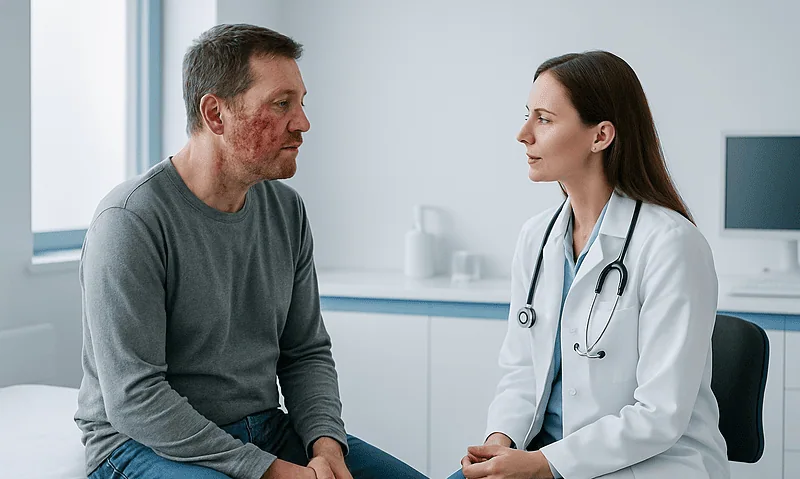
Facial Reconstruction After Trauma: How Bone, Nerve and Soft-Tissue Repairs Are Sequenced
Facial trauma reconstruction surgery is sequenced by priority, not by appearance. Life-threatening problems come first: the airway, bleeding, the brain and the neck. Sight-threatening…
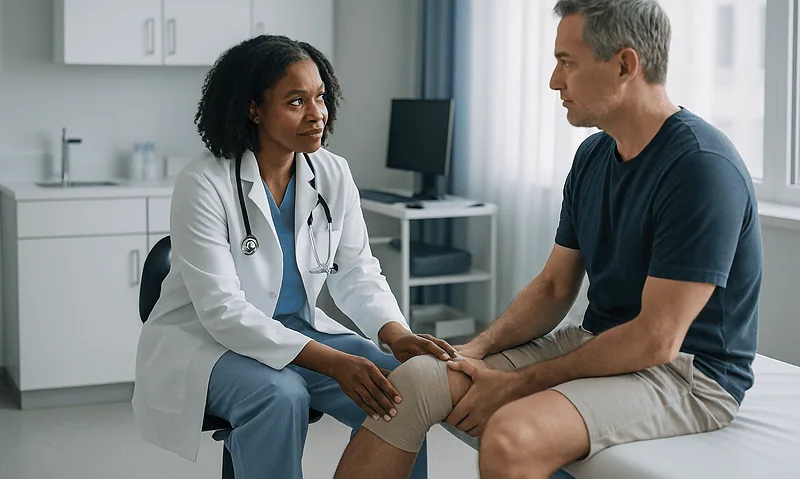
When an Injury Needs Reconstruction: How Surgeons Decide Timing After Trauma
Reconstruction after trauma is needed when an injury has changed the structure or function of a body part in a way the body cannot…
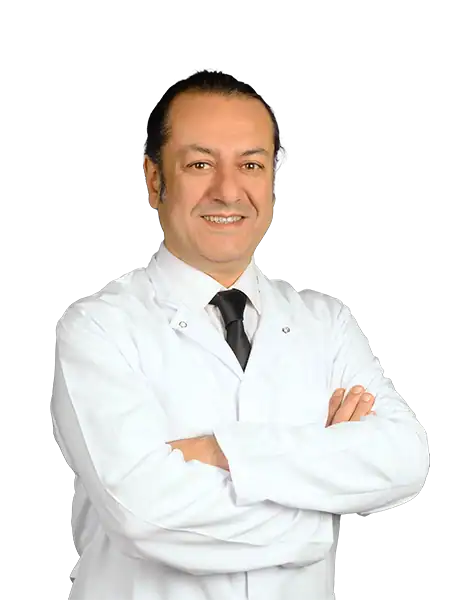
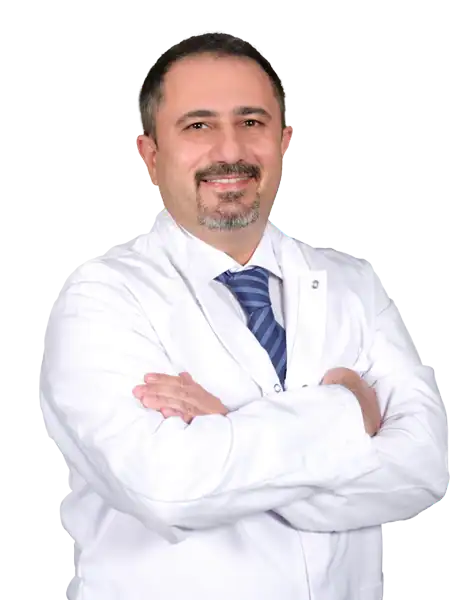
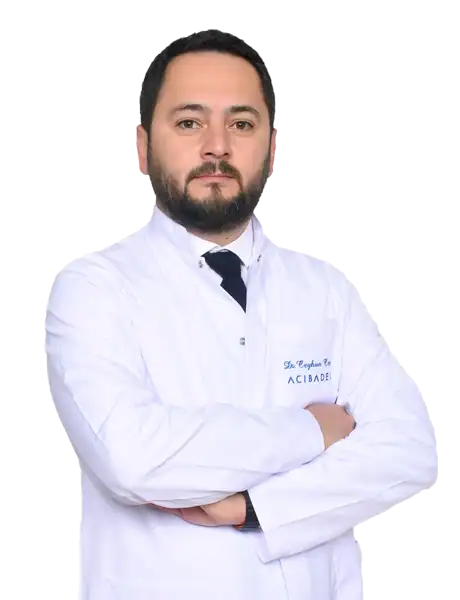
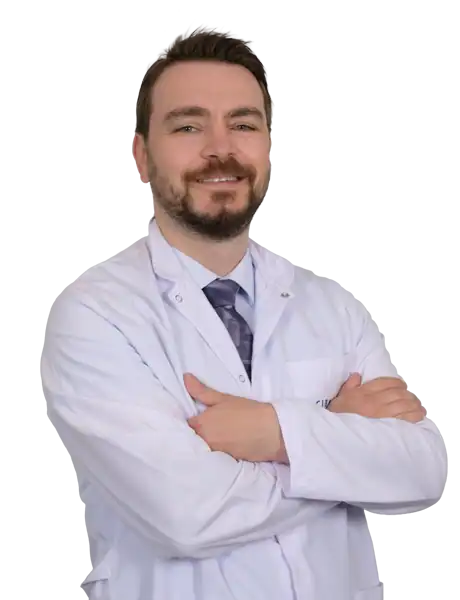
Doctors Performing This Treatment


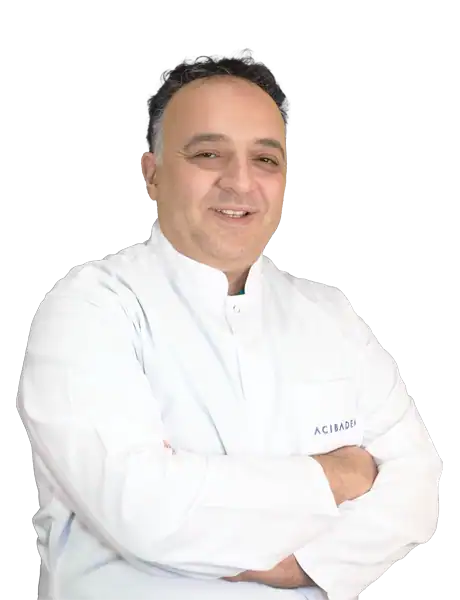
Aesthetic Plastic & Reconstructive Surgery
Prof. Mehmet Veli Karaaltın, MD

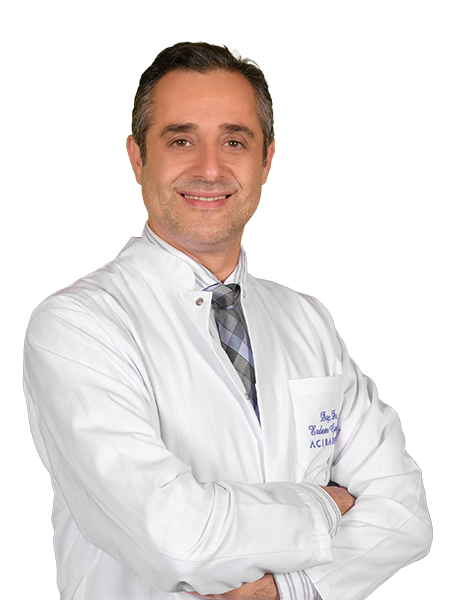
Aesthetic Plastic & Reconstructive Surgery
Assoc. Prof. Erdem Güven, MD

Aesthetic Plastic & Reconstructive Surgery
Assoc. Prof. Ahmet Küçükçelebi, MD
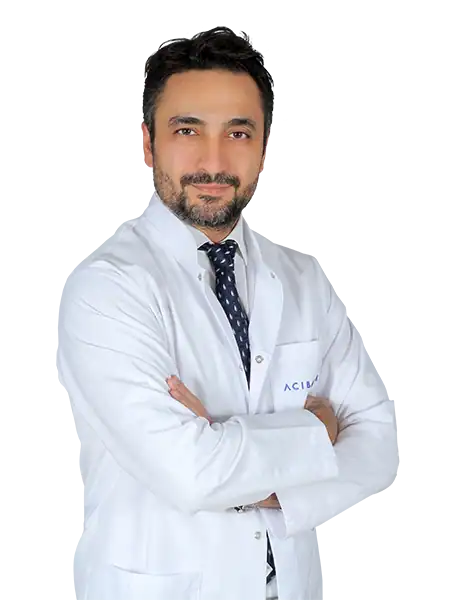
Aesthetic Plastic & Reconstructive Surgery
Assoc. Prof. Mehmet Altıparmak, MD

Aesthetic Plastic & Reconstructive Surgery