

Pseudomonas: An Evidence-Based Guide for Patients

Pseudomonas is a common environmental bacterium that can cause infections in the lungs, urinary tract, skin, ears, blood, and wounds. Risk is higher in people who are hospitalized, immunocompromised, have chronic lung disease, or use catheters or breathing tubes.
Key Takeaways
- Pseudomonas is a common environmental bacterium that can cause infections in the lungs, urinary tract, skin, ears, blood, and wounds.
- Risk is higher in people who are hospitalized, immunocompromised, have chronic lung disease, or use catheters or breathing tubes.
- Symptoms depend on the body site involved and may range from mild local irritation to serious systemic illness.
- Diagnosis usually relies on examination and laboratory cultures, with antibiotic choice guided by susceptibility testing.
- Good hygiene, careful device care, and prompt medical review of concerning symptoms help lower complications.
Pseudomonas usually refers to Pseudomonas aeruginosa, a bacterium that can live in water, soil, and moist environments and sometimes cause infection. It often affects people with weakened defenses, medical devices, chronic lung disease, burns, or recent healthcare exposure, but many infections can be treated effectively when diagnosed early.
What pseudomonas is and why it matters
Pseudomonas most often means Pseudomonas aeruginosa, a bacterium found widely in the environment, especially in water and damp areas. In healthy people, contact with this bacterium does not usually lead to illness. Problems arise when it enters vulnerable tissues or when a person’s natural defenses are reduced.
This bacterium is known as an “opportunistic” pathogen because it takes advantage of certain conditions, such as open wounds, chronic lung disease, immune suppression, or medical devices like urinary catheters and ventilators. It can cause infections in many parts of the body, including the lungs, urinary tract, skin, ears, eyes, and bloodstream.
Pseudomonas is important in both community and hospital settings. It is especially relevant in healthcare because it can survive on moist surfaces and may be resistant to some antibiotics. That does not mean every infection is severe, but it does mean that proper testing and tailored treatment are important rather than guessing with a broad approach.
How pseudomonas infections can affect the body
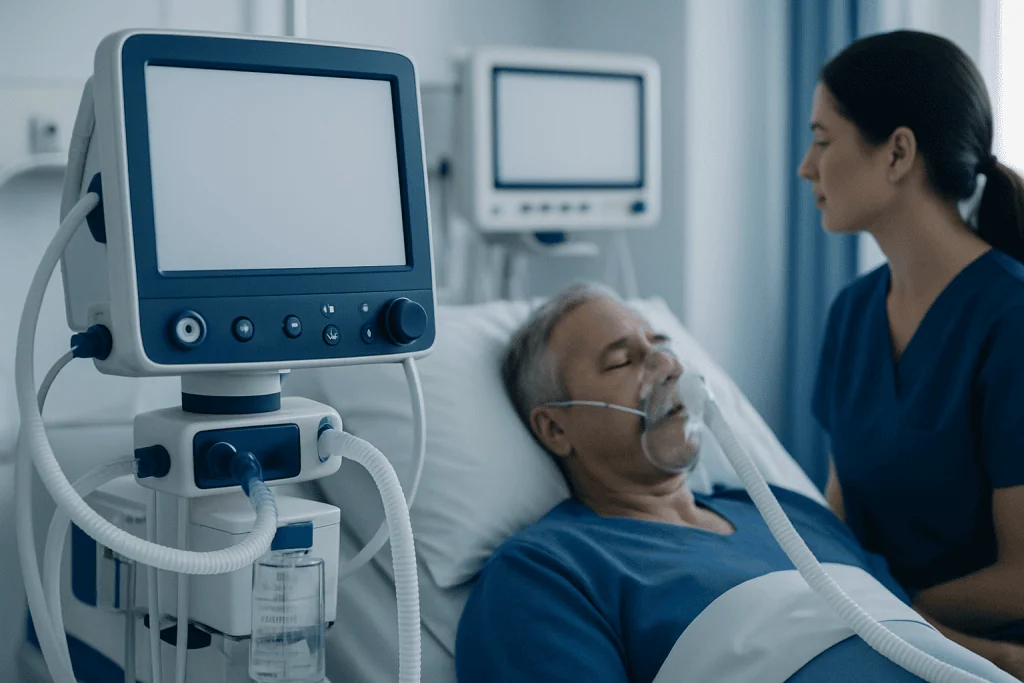
The symptoms of pseudomonas depend on where the infection occurs. In the lungs, it may cause cough, shortness of breath, chest discomfort, fever, or increased mucus production. People with cystic fibrosis, bronchiectasis, chronic obstructive pulmonary disease, or those using breathing support may be more prone to lung involvement.
In the urinary tract, symptoms can include burning during urination, frequent urination, lower abdominal discomfort, cloudy urine, or fever. In the skin, pseudomonas may infect burns, surgical wounds, pressure injuries, or cuts exposed to contaminated water. The area may become red, painful, swollen, or drain fluid. It can also cause “hot tub folliculitis,” a rash of itchy or tender bumps after exposure to poorly maintained warm water.
Ear infections are another recognized form, especially “swimmer’s ear,” which may cause ear pain, itching, discharge, or reduced hearing. In people who wear contact lenses, pseudomonas can infect the cornea and threaten vision if not treated promptly. In more serious cases, the bacteria can enter the bloodstream and cause fever, chills, low blood pressure, confusion, or rapid worsening illness.
- Lung infection: cough, breathlessness, fever, increased sputum
- Urinary infection: pain with urination, urgency, fever
- Skin or wound infection: redness, swelling, drainage, delayed healing
- Ear infection: pain, itch, discharge
- Eye infection: redness, pain, light sensitivity, blurred vision
- Bloodstream infection: fever, weakness, confusion, severe illness
Who is at higher risk
Anyone can develop a pseudomonas infection, but certain groups are more susceptible. Risk is higher in people who are hospitalized, especially in intensive care units, or who have recently had surgery. Medical devices such as catheters, IV lines, ventilators, feeding tubes, and drainage devices can give bacteria a route into the body.
People with weakened immune systems are also at greater risk. This includes those receiving chemotherapy, transplant recipients, people taking immune-suppressing medicines, and some patients with advanced diabetes or severe chronic illnesses. If the immune system is less able to control bacteria, infections may become more frequent or more severe.
Specific medical conditions can also create a favorable setting for pseudomonas. Chronic lung disease, cystic fibrosis, bronchiectasis, major burns, long-standing wounds, and frequent antibiotic exposure are well-recognized risk factors. Repeated or prolonged antibiotic use can reduce competing bacteria and sometimes make it easier for resistant organisms to grow. For related background on severe infection, patients may find sepsis helpful to understand how bloodstream infections can become urgent.
How doctors diagnose pseudomonas
Diagnosis begins with a clinical evaluation of symptoms, recent exposures, underlying health conditions, and the site of possible infection. A doctor may ask about recent hospitalization, wound care, catheter use, contact lens use, hot tub exposure, or chronic respiratory disease. This history helps determine whether pseudomonas is a likely cause and how urgent the situation may be.
Laboratory testing is usually central to diagnosis. Samples may include urine, sputum, wound swabs, ear discharge, blood, or other body fluids, depending on where the infection appears to be. The laboratory can culture the bacteria and identify whether Pseudomonas aeruginosa is present. Importantly, susceptibility testing can show which antibiotics are likely to work and which are not.
Additional tests may be needed based on symptoms. Blood tests can help assess inflammation or signs of spreading infection. Imaging, such as chest imaging for suspected pneumonia or other radiology studies for deeper infection, may be used when clinically appropriate. In respiratory disease, bronchoscopy or specialist evaluation may occasionally be part of the assessment; in some cases, broader support from bronchoscopy evaluation or a general medical check-up can help clarify the cause of persistent symptoms.
Treatment options and what recovery depends on
Treatment depends on the location and severity of the infection, the person’s overall health, and the results of culture testing. Many pseudomonas infections are treated with antibiotics, but the choice should ideally be based on susceptibility results because resistance is common. Some mild localized infections may be managed with topical or targeted treatment, while more serious infections may require intravenous antibiotics and hospital care.
Supportive care is also important. This may include wound cleaning, removal or replacement of infected devices, drainage of collections if needed, hydration, oxygen support for respiratory illness, and close monitoring for complications. If pseudomonas is found in a chronic wound or in the lungs of a person with long-term respiratory disease, doctors also look at the broader context to decide whether it represents active infection, colonization, or a flare of an existing condition.
Recovery varies widely. A simple ear or skin infection may improve quickly with the right treatment, while bloodstream infection, pneumonia, or infection in an immunocompromised patient may require longer care. Because related conditions can overlap, some patients also need assessment for pneumonia or advanced inpatient support such as intensive care. Near the end of the care pathway, Acibadem International’s multidisciplinary specialists and JCI-accredited hospitals diagnose and treat complex infections for international patients when specialist input is needed.
Prevention and everyday self-care
Prevention focuses on reducing exposure where the bacterium thrives and protecting vulnerable body sites. Good hand hygiene remains one of the most effective steps. Proper cleaning of wounds, careful catheter and device care, and following hospital infection-control measures are especially important for people at higher risk.
People who use contact lenses should follow lens hygiene carefully, avoid sleeping in lenses unless specifically advised, and never use nonsterile water for cleaning or storage. Swimmers and hot tub users should avoid poorly maintained pools and spas, and anyone with a rash or ear pain after water exposure should stop further exposure until symptoms are assessed. For chronic respiratory disease, following treatment plans, attending routine reviews, and reporting changes in sputum or breathlessness early can help reduce complications.
Self-care at home should never replace medical treatment when an infection is suspected. It is reasonable to keep the affected area clean, rest, stay hydrated, and monitor symptoms, but antibiotics should only be taken under professional guidance. Using leftover antibiotics or stopping treatment early can make future infections harder to treat.
When to seek medical care
Medical review is advisable if symptoms suggest infection and do not improve quickly, especially in people who are older, immunocompromised, recently hospitalized, or using medical devices. A person should contact a doctor for worsening cough with fever, painful urination with fever, a wound that becomes more red or drains pus, persistent ear pain, or eye redness and pain after contact lens use.
Urgent care is needed for signs of serious infection. These include high fever, shaking chills, shortness of breath, confusion, severe weakness, blue lips, rapidly spreading redness, severe pain, low blood pressure symptoms such as fainting, or reduced urine output. If a person has a known pseudomonas infection and symptoms worsen despite treatment, prompt reassessment is important because the antibiotic may need to be changed based on test results.
Patients should feel comfortable seeking help early rather than waiting for symptoms to become more severe. Early diagnosis can shorten illness, reduce complications, and help ensure the treatment fits the specific infection and the individual’s health needs.
Frequently asked questions
Is pseudomonas always dangerous?
No. Pseudomonas can range from a mild local infection, such as swimmer’s ear or a skin rash, to a serious infection in vulnerable patients. The level of concern depends on where the infection is, how strong the person’s immune system is, and whether treatment starts promptly.
Can a healthy person get a pseudomonas infection?
Yes, but it is less common and often milder than in high-risk patients. Healthy people may develop ear infections, hot tub folliculitis, or eye infections related to contact lenses. More severe disease is more likely when there is a wound, chronic illness, or weakened immunity.
Why do doctors order a culture for pseudomonas?
A culture helps confirm whether pseudomonas is actually present and identifies the exact site of infection. It also allows antibiotic susceptibility testing, which shows which medicines are likely to work. This is especially important because pseudomonas can be resistant to some commonly used antibiotics.
How is pseudomonas different from other bacterial infections?
Pseudomonas is distinctive because it often affects moist environments, medical devices, chronic wounds, and people with weakened defenses. It is also known for variable antibiotic resistance, so treatment often needs to be more individualized than for routine infections.
Can pseudomonas go away without antibiotics?
Some minor rashes or irritation after water exposure may settle with simple care, but true bacterial infections often need targeted treatment. Because pseudomonas can become serious in certain people, it is safest to have suspected infection assessed by a qualified clinician rather than relying on self-treatment alone.
When is pseudomonas an emergency?
It may be an emergency when there are signs of severe or spreading infection, such as difficulty breathing, confusion, fainting, very high fever, rapid heart rate, or a rapidly worsening wound. Eye symptoms in contact lens users and symptoms in immunocompromised patients also deserve prompt attention because complications can develop quickly.
References
- World Health Organization
- Centers for Disease Control and Prevention
- National Institute of Allergy and Infectious Diseases
- MedlinePlus
- Merck Manual Consumer Version
This article is for general information only and is not a substitute for professional medical advice. Please consult a qualified doctor about your individual situation.
Explore treatments in Turkey — costs, top hospitals & a free quote
JCI-accredited · board-certified surgeons · reply within 24h
Add us as a Preferred Source to see more of our trusted health content across Google Search, AI Overviews and Discover.
Check your numbers in seconds
BMI, calories, due date, blood pressure and 30+ more clinical calculators — free, instant, doctor-reviewed ranges.

More from the Health Library


Related Specialists

Dr. Evren Baca
Ophthalmology
Asst. Prof. Dr. Yiğit Umur Cırdı
Orthopedic Surgery & Traumatology
Dt. Şevval Çelebi
Oral & Dental Health
Prof. Dr. Cihangir Tetik
Orthopedic Surgery & Traumatology