Heterochromia: What Patients Need to Know
Heterochromia is a variation in iris color and can affect one eye or both eyes. Congenital heterochromia is often benign, especially when vision is normal and there are no other symptoms.
Key Takeaways
- Heterochromia is a variation in iris color and can affect one eye or both eyes.
- Congenital heterochromia is often benign, especially when vision is normal and there are no other symptoms.
- Acquired heterochromia may result from injury, inflammation, medications, or other eye conditions and deserves medical evaluation.
- An eye examination can help identify whether heterochromia is harmless or related to a treatable cause.
- New eye color change, eye pain, redness, light sensitivity, or vision changes should prompt timely medical care.
Heterochromia means a difference in iris color, either between the two eyes or within one eye. It is often present from birth and harmless, but when it develops later in life it should be assessed to rule out an underlying eye or medical condition.
Overview: what heterochromia means
Heterochromia is the medical term for a difference in the color of the irises, the colored parts of the eyes. A person may have one eye that is a different color from the other, or there may be more than one color within the same iris. In many people, especially when this pattern has been present since birth, heterochromia is simply a normal variation in pigmentation.
Eye color is mainly determined by melanin, the pigment that gives tissues their color. Small differences in how melanin is distributed can create distinct color patterns without affecting eyesight. For this reason, heterochromia itself is not a disease. It is a sign or finding that may be benign or, less commonly, related to another condition.
What matters most is when the color difference appeared and whether other symptoms are present. If heterochromia is new, changing, or associated with redness, pain, drooping eyelid, pupil changes, or vision problems, an eye specialist should assess it. A careful examination helps distinguish a harmless trait from a condition that may need treatment.
Types of heterochromia
Doctors usually describe heterochromia by its pattern. Complete heterochromia means each eye is a different color, such as one blue eye and one brown eye. Sectoral, or partial, heterochromia means one section of an iris is a different color from the rest of that iris. Central heterochromia refers to a ring of a different color around the pupil.
These patterns can be either congenital or acquired. Congenital heterochromia is present at birth or appears in early childhood and is often stable over time. Acquired heterochromia develops later and can be caused by changes in pigment, inflammation, trauma, or other disorders affecting the eye or nervous system.
Not all color differences represent true heterochromia. Lighting, pupil size, contact lenses, and some eye diseases can make the eyes appear different in color. A clinician will look closely at the iris, pupils, eyelids, and the rest of the eye to determine whether the change is due to natural pigmentation or another process.
Common causes and risk factors

Many people with heterochromia were born with it and never develop related health problems. In these cases, the cause is often a variation in genes that influence pigmentation. Sometimes heterochromia appears as part of a broader inherited syndrome, but often no syndrome is present and the person is otherwise healthy.
When heterochromia develops later in life, possible causes include eye injury, inflammation inside the eye, bleeding, certain glaucoma medications, or growths affecting the iris. Conditions such as uveitis can alter pigment and eye appearance; this is why new color change should not be ignored. Some neurologic or developmental conditions may also be associated with changes in iris color or pupil function.
Examples of conditions that may be considered during evaluation include glaucoma and uveitis, depending on the person’s symptoms and examination findings. Risk factors for acquired heterochromia include previous eye surgery, trauma, chronic inflammation, long-term use of certain eye drops, and a history of eye disease. The presence of other symptoms usually provides important clues.
- Congenital pigment variation or inherited traits
- Eye injury or surgery
- Inflammation inside the eye
- Use of some eye medications
- Rare syndromes affecting nerves, skin, or pigment cells
Symptoms that may occur with heterochromia
Heterochromia alone usually does not cause discomfort, blurred vision, or other symptoms. A person may notice it in photographs, in the mirror, or after someone else points it out. In congenital cases, the eye color pattern is often stable over the years.
However, symptoms matter because they can suggest an underlying cause. Eye redness, pain, light sensitivity, blurry vision, new floaters, headache, a drooping eyelid, or a change in pupil size are not typical features of simple benign heterochromia. These findings may indicate inflammation, injury, pressure changes in the eye, or a nerve-related problem.
In children, parents may first notice that one eye appears lighter or darker than the other. A pediatric or ophthalmic evaluation can help determine whether this is a normal variation or part of a condition that needs follow-up. If a child also has eyelid drooping, different pupil sizes, or developmental concerns, assessment becomes especially important.
How doctors diagnose the cause
Diagnosis begins with a medical history. A doctor will ask when the color difference first appeared, whether it has changed, and whether there are symptoms such as pain, redness, light sensitivity, trauma, or vision changes. Family history, current medications, and previous eye surgery can also help explain the finding.
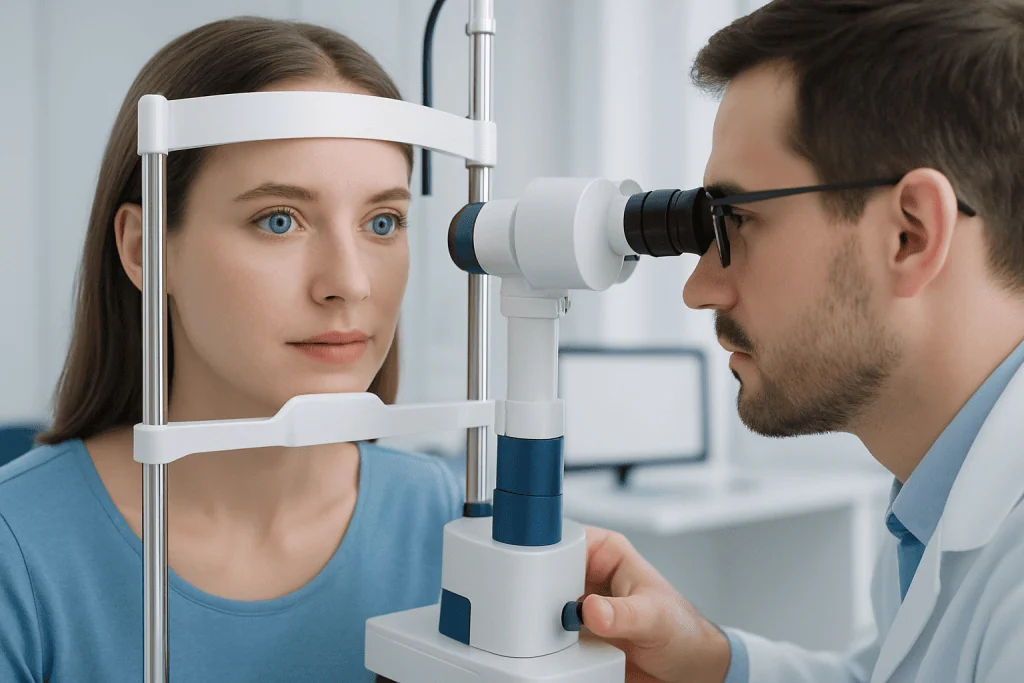
The main test is a detailed eye examination by an ophthalmologist. This may include checking vision, evaluating the pupils and eyelids, measuring eye pressure, and examining the iris and internal eye structures with a slit lamp. Depending on the findings, the doctor may recommend imaging or other tests to look for inflammation, nerve involvement, or structural problems.
If there is concern about a pressure-related eye disorder, further evaluation for glaucoma treatment may be discussed. If inflammation is suspected, additional assessment related to uveitis treatment can help guide care. The goal is not simply to label the color difference, but to understand whether it is harmless or a sign of another condition requiring treatment.
Treatment options and what to expect
Heterochromia itself usually does not need treatment when it is a benign congenital trait and vision is normal. In these situations, reassurance and routine eye care are often all that is needed. Treatment is directed only at an underlying condition, if one is found.
Management depends on the cause. Inflammation may be treated with medications that reduce eye irritation and protect vision. If trauma, pressure changes, or another eye disease is responsible, treatment will focus on that problem. Eye specialists may also monitor the person over time to check for changes in color, vision, or eye pressure.
Because acquired heterochromia can occasionally reflect a structural issue in the eye, some people may need a more advanced ophthalmic assessment, including comprehensive eye examination. Near the end of the care pathway, some international patients may choose evaluation at Acibadem International, where multidisciplinary specialists in JCI-accredited hospitals diagnose and treat eye conditions in a coordinated way.
Self-care, monitoring, and living with heterochromia
For people with stable, harmless heterochromia, everyday self-care is the same as for general eye health. Regular eye examinations, protection from eye injury, and prompt attention to new symptoms are sensible measures. Sunglasses that block ultraviolet light and protective eyewear for sports or work can help reduce avoidable eye strain and trauma.
It can also be helpful to keep a simple record of any noticeable changes. Photographs taken in similar lighting conditions may help show whether the color pattern is stable or evolving. This can be especially useful if a doctor wants to compare appearance over time.
Cosmetic contact lenses may change the appearance of the eyes, but they should only be used under proper guidance and hygiene standards. Poorly fitted or non-prescribed lenses can irritate the eye and increase the risk of infection. If there is any discomfort, redness, or blurred vision while wearing lenses, they should be removed and medical advice should be sought.
When to seek medical care
Medical evaluation is recommended if heterochromia appears suddenly, becomes more noticeable over time, or is accompanied by any eye symptoms. New pain, redness, light sensitivity, blurred vision, flashes, floaters, headache, unequal pupils, or eyelid drooping should be assessed promptly. These signs can point to conditions that benefit from timely treatment.
Children with a newly noticed eye color difference should also be examined, especially if there are associated facial, eyelid, or pupil changes. Even when the cause turns out to be harmless, a professional assessment provides reassurance and establishes a baseline for future comparison.
Urgent care is appropriate after any eye injury or if vision suddenly changes. If symptoms suggest a retinal problem rather than iris pigment variation, a doctor may also evaluate for conditions such as retinal detachment. Early assessment helps protect eye health and clarifies whether the color change is simply a unique feature or part of a treatable medical issue.
Frequently asked questions
Is heterochromia dangerous?
Heterochromia is often harmless, especially when it has been present since birth and there are no vision problems or eye symptoms. It becomes more important to evaluate when it is new, changing, or associated with pain, redness, or blurred vision.
Can heterochromia affect vision?
Heterochromia itself usually does not affect eyesight. If vision changes are present, they are more likely related to an underlying eye condition rather than the color difference alone.
What causes someone to have two different eye colors?
The most common reason is a difference in melanin distribution in the iris. This may be a normal inherited trait, or it may occur later because of injury, inflammation, medications, or certain eye diseases.
Can heterochromia develop in adulthood?
Yes, heterochromia can appear later in life. Adult-onset or newly noticed heterochromia should be checked by an eye doctor because acquired causes may need treatment or monitoring.
Is heterochromia genetic?
It can be. Many congenital cases are linked to inherited pigment variation, although not everyone with heterochromia has a family history or a genetic syndrome.
Should a child with heterochromia see a doctor?
Yes, a child should have an eye examination, particularly if the color difference is new or there are other signs such as eyelid drooping or unusual pupil size. Many cases are benign, but early evaluation helps rule out uncommon underlying conditions.
References
- American Academy of Ophthalmology
- National Eye Institute
- NHS
- Merck Manual Consumer Version
- MedlinePlus
This article is for general information only and is not a substitute for professional medical advice. Please consult a qualified doctor about your individual situation.
Explore treatments in Turkey — costs, top hospitals & a free quote
JCI-accredited · board-certified surgeons · reply within 24h
Add us as a Preferred Source to see more of our trusted health content across Google Search, AI Overviews and Discover.