Miosis: Early Signs, Risk Factors, and How It Is Treated

Miosis is the medical term for an abnormally small pupil. It may be harmless in bright light, but persistent or one-sided miosis can signal an underlying problem.
Key Takeaways
- Miosis is the medical term for an abnormally small pupil.
- It may be harmless in bright light, but persistent or one-sided miosis can signal an underlying problem.
- Common causes include medications, eye inflammation, neurologic conditions, and chemical exposures.
- Diagnosis usually includes an eye exam, review of medicines, and sometimes neurologic assessment or imaging.
- Treatment depends on the cause and may involve changing medications, treating eye disease, or urgent care for poisoning or neurologic symptoms.
Miosis means the pupil is smaller than usual. It can be a normal response to bright light, but it may also happen with certain medicines, eye inflammation, nerve problems, or exposure to toxins, so treatment focuses on finding and addressing the cause.
Overview: what miosis means
Miosis is the medical term for a pupil that is smaller than normal. The pupil is the dark opening in the center of the eye that changes size to control how much light enters. In bright light, the pupil normally becomes smaller. In dim light, it usually becomes larger. Miosis describes a pupil that stays unusually constricted or appears smaller than expected for the situation.
Many cases of miosis are not dangerous. For example, it can happen as a normal reaction to bright light or with aging. However, miosis can also be a clue to an eye problem, a reaction to a medication, or a condition affecting the brain, nerves, or autonomic nervous system. Because the causes range from harmless to urgent, the context matters.
Miosis may affect one eye or both eyes. A person may notice that the pupils look uneven, that the eyes are unusually sensitive to darkness, or that vision feels different in low light. When miosis appears suddenly, especially with eye pain, headache, drooping of the eyelid, confusion, or exposure to drugs or chemicals, prompt medical evaluation is important.
Signs and symptoms that can occur with miosis
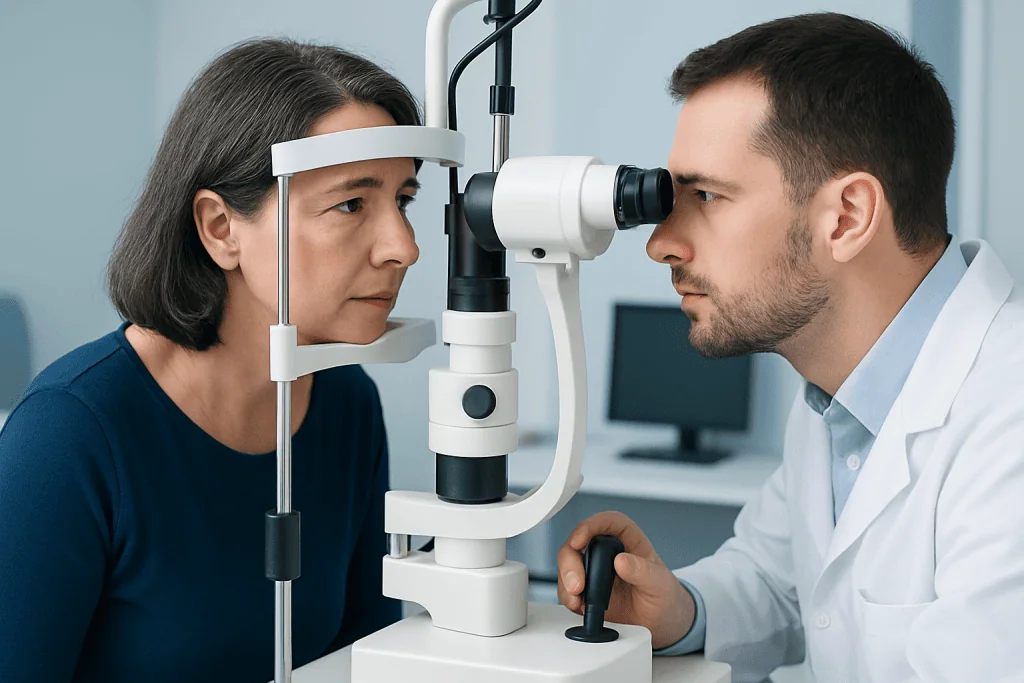
The most obvious sign of miosis is a pupil that looks very small, sometimes described as a pinpoint pupil. This may be noticed in one eye or both. Some people do not feel any symptoms and only learn about it during an eye examination, while others notice changes in vision or comfort.
Symptoms linked to miosis depend on the underlying cause. In dim settings, a small pupil may make it harder to see clearly because less light enters the eye. Some people report blurred vision, difficulty adjusting between light and dark environments, or reduced night vision. If there is inflammation in the eye, symptoms may include redness, pain, tearing, and sensitivity to light.
When miosis is related to a neurologic or toxic cause, other warning signs can appear. These may include:
- Drooping eyelid
- Unequal pupil size
- Headache or neck pain
- Confusion, drowsiness, or slowed breathing
- Nausea, sweating, or weakness
- Eye injury or sudden vision changes
These associated symptoms often provide the most useful clues about whether the pupil change is benign or needs urgent attention.
Common causes and risk factors

Miosis can result from normal body responses, medications, eye disease, nerve pathway disorders, and toxic exposures. Bright light is the simplest and most common cause. Age can also play a role, since pupils often become smaller and less reactive over time. In many people, this is a normal finding rather than a disease.
Medications are another frequent cause. Opioid pain medicines and other opioid substances can cause very small pupils. Some prescription or eye-drop treatments used for glaucoma may also constrict the pupil. In addition, certain medicines that affect the nervous system can change pupil size. A careful review of current prescriptions, over-the-counter products, and recreational substances is often essential when evaluating miosis.
Eye-related causes include inflammation inside the eye, especially uveitis or iritis, where the pupil may become constricted and painful. Other eye conditions can affect pupil function indirectly, and an ophthalmologist may assess for problems such as glaucoma when symptoms suggest increased eye pressure or use of glaucoma medicines. Damage to structures in the iris can also alter how the pupil reacts.
Neurologic causes deserve special attention. Horner syndrome, which occurs when part of the sympathetic nerve supply to the eye is disrupted, often causes one small pupil along with a mild drooping eyelid. Brainstem disorders, stroke, head trauma, and some infections may also affect pupil control. Exposure to organophosphate chemicals or other toxins can cause miosis along with sweating, breathing difficulty, and excess secretions, which is a medical emergency.
How doctors diagnose the cause
Diagnosing miosis begins with understanding when it started, whether one or both eyes are affected, and what symptoms came with it. A doctor will usually ask about light sensitivity, vision changes, eye pain, headaches, recent injuries, medication use, and possible exposure to drugs or chemicals. This history helps narrow the list of causes quickly.
The physical examination includes checking the pupils in bright and dim light, comparing both eyes, and looking for signs such as eyelid drooping or abnormal eye movements. A detailed eye exam may assess visual acuity, eye pressure, the front structures of the eye, and the retina. If inflammation is suspected, an ophthalmology evaluation is especially helpful. Depending on the findings, the doctor may recommend a comprehensive eye examination to look for eye disease or injury.
If the pattern suggests a neurologic cause, further evaluation may be needed. This can include a neurologic examination, blood tests, toxicology testing, or imaging such as CT or MRI to assess the brain, neck, or chest. Imaging is particularly important when miosis appears with severe headache, trauma, stroke-like symptoms, or concern for Horner syndrome. In selected cases, clinicians may also perform special pupil tests under controlled conditions.
The main goal of diagnosis is not simply to confirm that the pupil is small, but to identify why. Once the underlying cause is clear, treatment decisions become much more targeted and effective.
Treatment options for miosis
Miosis itself is a sign, not a disease, so treatment depends on the cause. If bright light or aging is responsible, no treatment may be needed. When medications are the cause, a doctor may adjust the dose, switch the medicine, or stop it if safe to do so. People should not stop prescription medicines on their own without medical advice.
If the cause is an eye condition such as uveitis or iritis, treatment may include prescription anti-inflammatory drops and close monitoring by an eye specialist. If miosis is related to a pressure problem in the eye or the use of glaucoma drops, care focuses on balancing symptom relief with protection of vision. In some cases, doctors may combine evaluation with glaucoma treatment or other eye-focused care when pressure-related disease is present.
When miosis is linked to opioid use or overdose, emergency treatment may be required, especially if breathing is slow or a person is difficult to wake. Toxic exposures, including pesticides or nerve-agent-like chemicals, also require urgent treatment in a monitored setting. Neurologic causes such as stroke, head injury, or tumors are managed according to the specific diagnosis and may involve emergency medicine, neurology, or neurosurgery teams.
If a structural nerve problem is suspected, further specialty care may be recommended, sometimes alongside neurology consultation and targeted imaging. Near the end of the care pathway, international patients may also choose centers such as Acibadem International, where multidisciplinary specialists in JCI-accredited hospitals evaluate eye and neurologic causes of miosis and plan treatment based on the underlying diagnosis.
Prevention and self-care
Not all cases of miosis can be prevented, but some practical steps can reduce risk. Medicines should be used exactly as prescribed, including eye drops. People should avoid sharing prescriptions, misusing opioids, or taking non-prescribed substances, since these can affect pupil size and overall health. Chemical products such as pesticides should be handled with proper protective equipment and according to safety instructions.
Regular eye checkups can help detect conditions that may alter pupil function before symptoms become more noticeable. This is especially helpful for older adults and for anyone with chronic eye disease, neurologic illness, or long-term use of medications that affect the nervous system. A doctor may suggest follow-up if one pupil is consistently different from the other or if there are changes in night vision.
At home, it can help to note when the pupil change happens and whether it is linked to light, new medicines, eye discomfort, or headaches. Wearing sunglasses outdoors may improve comfort if the eyes feel sensitive. However, self-care should not replace medical assessment when miosis is sudden, unexplained, painful, or accompanied by neurologic symptoms.
When to seek medical care
Medical attention is advisable if miosis is new, persistent, or occurs in only one eye without an obvious reason. A person should also arrange an evaluation if small pupils are accompanied by blurred vision, trouble seeing in dim light, eye redness, or eye pain. These features can suggest an eye condition that may need treatment to protect vision.
Urgent care is needed if miosis appears suddenly with severe headache, weakness, confusion, double vision, eyelid drooping, chest or neck trauma, or trouble breathing. Emergency help is especially important when there is suspected opioid overdose or chemical exposure, because prompt treatment can be lifesaving. If symptoms point to a serious eye or nerve problem, doctors may investigate related conditions such as brain tumor or other neurologic disorders based on the clinical picture.
Seeking care early often makes diagnosis simpler and treatment more effective. Even when the cause turns out to be harmless, professional evaluation can provide reassurance and help rule out urgent problems.
Frequently asked questions
Is miosis always a sign of a serious problem?
No. Miosis can be a normal response to bright light or a common effect of aging and certain medications. It becomes more concerning when it is new, persistent, affects only one eye, or occurs with pain, neurologic symptoms, or breathing problems.
What is the difference between miosis and anisocoria?
Miosis means a pupil is smaller than normal. Anisocoria means the pupils are different sizes. A person can have both if one pupil is unusually small compared with the other.
Can medications cause miosis?
Yes. Opioids are a well-known cause of pinpoint pupils, and some eye drops or neurologic medications can also constrict the pupil. A doctor may review all prescription, over-the-counter, and recreational substances when looking for the cause.
Can miosis affect vision?
It can. A small pupil may reduce the amount of light entering the eye, which can make it harder to see in dim environments. Vision changes are more likely if the miosis is linked to eye inflammation or another underlying eye disorder.
How is miosis treated?
Treatment depends on the reason the pupil is small. Some cases need no treatment, while others improve after adjusting medications or treating eye inflammation, toxin exposure, or a neurologic condition. The best approach starts with identifying the underlying cause.
When should someone go to the emergency room for miosis?
Emergency care is important if miosis happens with slow breathing, extreme drowsiness, confusion, severe headache, weakness, head or neck injury, or suspected poisoning. These symptoms can point to overdose, toxic exposure, stroke, or another urgent condition.
References
- American Academy of Ophthalmology
- National Eye Institute
- Merck Manual Professional Edition
- Mayo Clinic
- MedlinePlus
This article is for general information only and is not a substitute for professional medical advice. Please consult a qualified doctor about your individual situation.
Explore treatments in Turkey — costs, top hospitals & a free quote
JCI-accredited · board-certified surgeons · reply within 24h
Add us as a Preferred Source to see more of our trusted health content across Google Search, AI Overviews and Discover.