Systole: A Complete Medical Overview

Systole is the contraction phase of the heartbeat. During systole, the ventricles pump blood to the lungs and the rest of the body.
Key Takeaways
- Systole is the contraction phase of the heartbeat.
- During systole, the ventricles pump blood to the lungs and the rest of the body.
- The top number in a blood pressure reading is the systolic pressure.
- Systole works together with diastole, the relaxation phase, to maintain circulation.
- Problems affecting systole may be linked to high blood pressure, valve disease, arrhythmias, or heart muscle weakness.
- Persistent chest pain, fainting, severe shortness of breath, or very high blood pressure need prompt medical evaluation.
Systole is the part of the cardiac cycle when the heart muscle contracts and pushes blood out of the chambers. Understanding systole helps explain how the heart pumps blood and why the top number in a blood pressure reading matters.
Overview: what systole means
Systole is the phase of the heartbeat when the heart contracts and pushes blood forward. In simple terms, it is the “pumping” part of the cardiac cycle. This process allows oxygen-rich blood to travel from the heart to the body and oxygen-poor blood to move from the heart to the lungs.
Each heartbeat has two main phases: systole and diastole. During systole, the lower chambers of the heart, called the ventricles, tighten. During diastole, they relax and refill with blood. These two phases repeat continuously to keep circulation steady.
The term systole also appears in blood pressure readings. The systolic blood pressure is the top number, and it reflects the pressure in the arteries when the heart contracts. Although systole is a normal, essential body function, changes in how effectively it happens can sometimes point to heart-related problems.
How systole works in the cardiac cycle
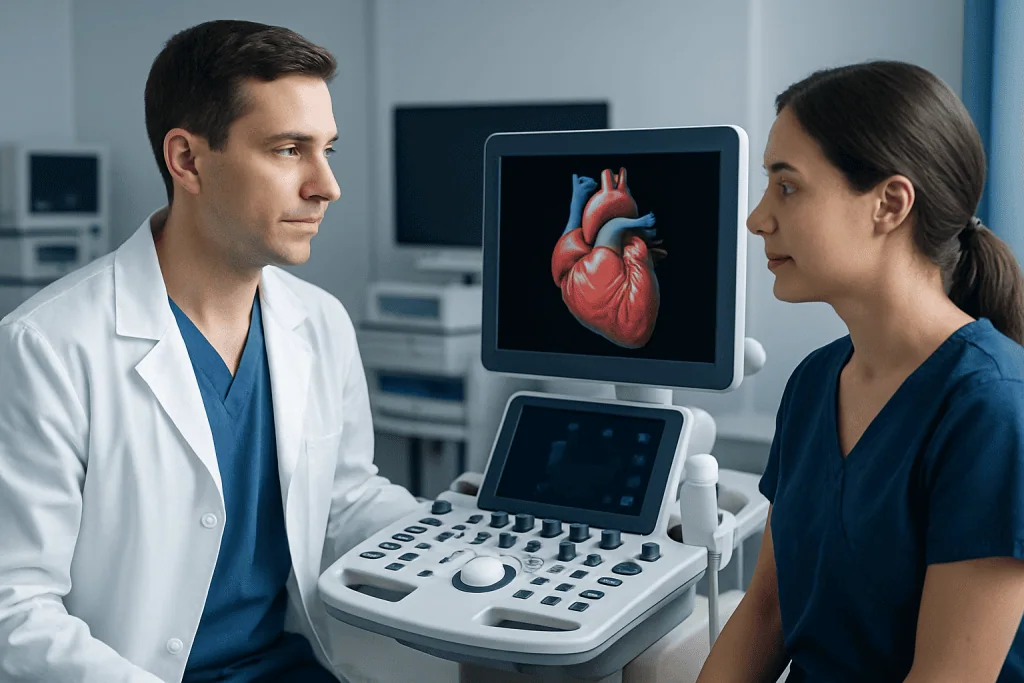
The heart has four chambers: two upper chambers called atria and two lower chambers called ventricles. Blood first enters the atria, then moves into the ventricles. When systole begins, the ventricles contract to send blood out through the major arteries.
There are actually coordinated steps within the cardiac cycle. Atrial contraction helps top off the ventricles with blood, and then ventricular systole follows. The right ventricle pumps blood to the lungs through the pulmonary artery, while the left ventricle pumps blood to the body through the aorta.
Heart valves play an important role during systole. The mitral and tricuspid valves close to prevent blood from flowing backward into the atria. At the same time, the aortic and pulmonary valves open so blood can move forward efficiently. This carefully timed sequence depends on healthy heart muscle, valves, and electrical signaling.
When clinicians assess how well the heart contracts, they may evaluate systolic function. One common measure is ejection fraction, which estimates how much blood the left ventricle pumps out with each beat. Reduced pumping ability may be seen in conditions such as heart failure.
Systole and blood pressure

Blood pressure is recorded as two numbers, such as 120/80 mmHg. The first number is the systolic pressure, which represents the force of blood against artery walls when the heart contracts. The second number is the diastolic pressure, measured when the heart relaxes between beats.
Systolic pressure naturally changes during the day. It can rise with exercise, stress, pain, or strong emotions and fall during rest or sleep. Temporary changes are normal, but consistently high systolic readings may suggest hypertension and should be checked by a doctor.
High systolic pressure becomes more common with aging because blood vessels may become less flexible over time. However, it can also affect younger adults, especially in the presence of obesity, smoking, diabetes, kidney disease, or a strong family history of cardiovascular disease. Good blood pressure control helps reduce the risk of stroke, heart attack, and kidney damage.
If blood pressure remains elevated, a doctor may recommend home monitoring, lifestyle changes, or specialist care. In some cases, further assessment may involve cardiology evaluation to look for underlying heart or vascular causes.
What can affect systole
Systole depends on several systems working together. The heart muscle must contract strongly, the electrical system must trigger the heartbeat in the right sequence, the valves must open and close properly, and the arteries must allow blood to flow onward. A problem in any of these areas can affect how efficiently systole occurs.
Common factors that may influence systolic function include high blood pressure, coronary artery disease, heart valve disorders, abnormal heart rhythms, previous heart attack, and diseases of the heart muscle. For example, a weakened left ventricle may not pump blood effectively, while severe valve narrowing or leakage can make the heart work harder than normal.
Lifestyle and general health also matter. Smoking, long-term uncontrolled diabetes, obesity, sleep apnea, heavy alcohol use, and lack of physical activity can place strain on the cardiovascular system. In some people, inherited conditions may affect the heart muscle or electrical pathways.
Symptoms do not always appear early, but when they do, they may include shortness of breath, reduced exercise tolerance, swelling in the legs, palpitations, chest discomfort, or fatigue. These symptoms do not always mean systole itself is the problem, but they can signal a condition that affects the heart’s pumping action, such as arrhythmia.
How doctors evaluate systole
Doctors usually begin with a medical history, symptom review, blood pressure measurement, and physical examination. They may ask about chest pain, breathlessness, dizziness, fainting, exercise tolerance, swelling, or a family history of heart disease. A stethoscope exam can sometimes detect murmurs or irregular rhythms.
Tests are chosen based on the clinical picture. An electrocardiogram records the heart’s electrical activity and may show rhythm abnormalities or signs of strain. An echocardiogram is especially useful because it shows heart structure, valve function, and how well the ventricles contract during systole.
Additional testing may be needed in certain cases. Blood tests can help assess strain on the heart or identify contributing conditions such as thyroid disease, anemia, or kidney problems. Exercise testing, ambulatory rhythm monitoring, CT, MRI, or coronary imaging may also be considered when doctors need more detail.
When there is concern about reduced pumping function, valve disease, or symptoms with exertion, doctors may refer patients for advanced assessment, including echocardiography or other heart imaging studies. The goal is not only to identify whether systolic function is normal, but also to find the cause of any abnormality.
Treatment and management when systole is affected
Systole itself is not a disease, so treatment focuses on the condition affecting the heart’s pumping phase. Management depends on the cause. For example, high blood pressure may be treated with lifestyle changes and medication, while valve disease, coronary artery disease, or rhythm disorders may need more targeted care.
In people with reduced systolic function, treatment often aims to improve symptoms, support heart performance, and reduce complications. This can include medicines, monitoring, treatment of fluid retention, and careful follow-up. If a rhythm problem is contributing, doctors may recommend therapies ranging from medication to procedures.
Some patients need interventional or surgical treatment. Examples include procedures for blocked coronary arteries, valve repair or replacement, or therapies for advanced rhythm disorders. In selected situations, doctors may discuss cardiac ablation or coronary angiography as part of diagnosis or treatment planning.
Near the end of the care pathway, some people benefit from coordinated follow-up with multiple specialists. Acibadem International’s multidisciplinary specialists and JCI-accredited hospitals diagnose and treat heart conditions affecting systolic function for international patients when advanced evaluation is needed.
Prevention, self-care, and heart-healthy habits
Many of the factors that affect systole can be improved by protecting overall cardiovascular health. A balanced eating pattern, regular physical activity, maintaining a healthy weight, and avoiding tobacco all support normal heart function. Limiting excess salt and alcohol may also help, especially in people with high blood pressure or fluid retention.
Blood pressure, cholesterol, blood sugar, and sleep quality are also important. Treating conditions such as diabetes, sleep apnea, and kidney disease can reduce stress on the heart. Taking prescribed medicines as directed and keeping routine medical appointments helps prevent small problems from becoming larger ones.
People with known heart disease should pay attention to symptom changes. Sudden weight gain, increasing ankle swelling, worsening breathlessness, or a noticeable drop in exercise capacity can be signs that the heart needs reassessment. Self-care works best when it is combined with regular medical guidance.
- Check blood pressure regularly if advised.
- Stay physically active within a doctor’s recommendations.
- Choose a heart-healthy diet rich in vegetables, fruits, whole grains, and lean proteins.
- Avoid smoking and discuss support for quitting if needed.
- Seek review for persistent palpitations, dizziness, or unusual fatigue.
When to seek medical care
Medical care is appropriate if there are repeated high blood pressure readings, ongoing palpitations, new shortness of breath, exercise intolerance, or swelling in the legs or abdomen. These symptoms can have many causes, but they deserve proper evaluation, especially in people with known heart disease or cardiovascular risk factors.
Urgent medical attention is needed for chest pain that does not go away, severe shortness of breath, fainting, sudden confusion, weakness on one side of the body, or symptoms of a possible stroke or heart attack. These symptoms are not specific to systole, but they may signal a serious cardiovascular emergency.
Anyone uncertain about symptoms should speak with a qualified doctor rather than self-diagnose from a blood pressure number or wearable device reading alone. Timely evaluation can clarify whether the issue is related to blood pressure, rhythm, valve function, circulation, or another health condition.
Frequently asked questions
What is systole in simple terms?
Systole is the part of the heartbeat when the heart muscle contracts and pumps blood out of the ventricles. It is the active pumping phase that helps move blood to the lungs and the rest of the body.
What is the difference between systole and diastole?
Systole is when the heart contracts, while diastole is when the heart relaxes and fills with blood. Both phases are necessary for a normal heartbeat and healthy circulation.
Is systole the top or bottom blood pressure number?
Systole is the top number in a blood pressure reading. It reflects the pressure in the arteries at the moment the heart contracts.
Can systole be abnormal?
Yes, the heart's systolic function can be reduced or affected by conditions such as high blood pressure, valve disease, coronary artery disease, or heart muscle disorders. Doctors usually assess this with symptoms, examination, blood pressure checks, and heart imaging such as echocardiography.
Does a high systolic blood pressure always mean heart disease?
Not always, because blood pressure can rise temporarily with stress, exercise, pain, or stimulants. However, repeated high systolic readings should be evaluated because persistent hypertension increases cardiovascular risk.
What symptoms might suggest a problem related to systolic function?
Possible symptoms include breathlessness, fatigue, swelling in the legs, chest discomfort, dizziness, or reduced exercise tolerance. These symptoms are not specific, so a doctor should evaluate them in context.
References
- American Heart Association
- National Heart, Lung, and Blood Institute
- Centers for Disease Control and Prevention
- European Society of Cardiology
- Mayo Clinic
This article is for general information only and is not a substitute for professional medical advice. Please consult a qualified doctor about your individual situation.
Heart care in Turkey — expert evaluation and treatment
JCI-accredited · board-certified surgeons · reply within 24h
Add us as a Preferred Source to see more of our trusted health content across Google Search, AI Overviews and Discover.
Check your numbers in seconds
BMI, calories, due date, blood pressure and 30+ more clinical calculators — free, instant, doctor-reviewed ranges.