Varicella Pox — Explained by Medical Evidence, Not Myths
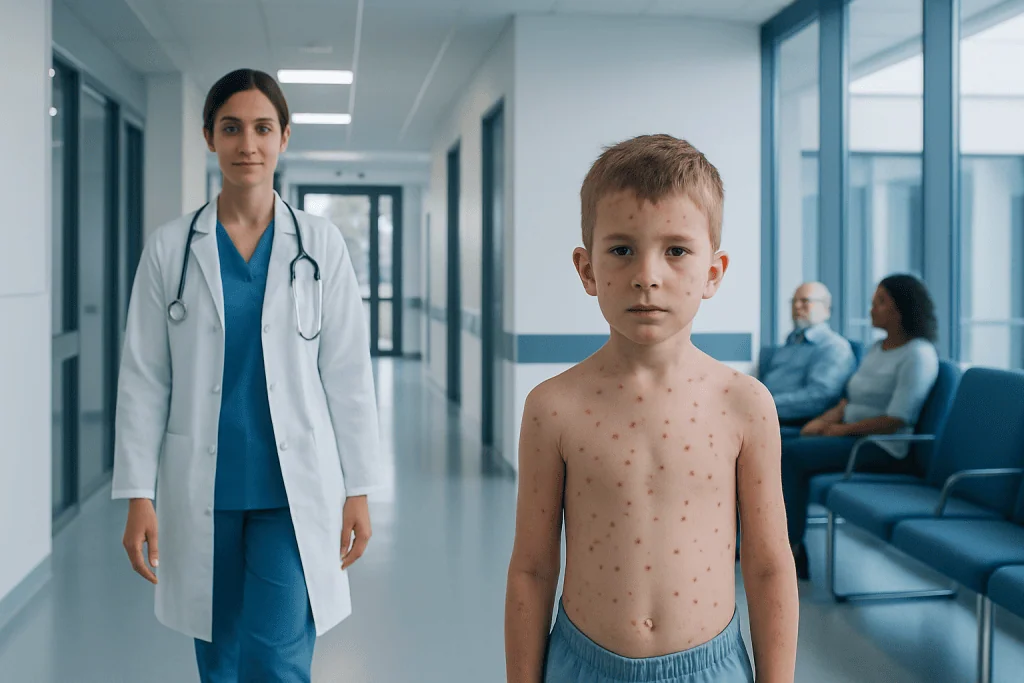
Varicella pox is chickenpox, caused by the varicella-zoster virus. It spreads easily through respiratory droplets and direct contact with blister fluid.
Key Takeaways
- Varicella pox is chickenpox, caused by the varicella-zoster virus.
- It spreads easily through respiratory droplets and direct contact with blister fluid.
- Typical symptoms include fever, tiredness, and an itchy rash that forms blisters and then crusts over.
- Vaccination is the most effective way to prevent varicella pox and reduce complications.
- Infants, adults, pregnant people, and people with weakened immune systems may face higher risks.
- Medical care is important if breathing problems, dehydration, confusion, or severe skin infection develop.
Varicella pox is the medical term for chickenpox, a highly contagious infection caused by the varicella-zoster virus. It usually causes an itchy blistering rash with fever and fatigue, and most people recover well with supportive care, though some need closer medical attention.
What varicella pox is
Varicella pox is the medical name for chickenpox. It is an infection caused by the varicella-zoster virus, a member of the herpes virus family. In many children it is a self-limited illness, but it can be more serious in adults, newborns, pregnant people, and anyone with a weakened immune system.
The condition is best known for causing an itchy rash with small fluid-filled blisters, along with fever, tiredness, and loss of appetite. Although many people think of chickenpox as a routine childhood illness, medical evidence shows that it can lead to complications such as bacterial skin infection, pneumonia, dehydration, and, less commonly, brain inflammation.
A key reason varicella pox behaves differently from some other common rashes is that the virus remains in the body after recovery. Later in life it can reactivate and cause shingles, which is a separate condition but comes from the same virus. This is one reason prevention through vaccination is important even when the first infection seems mild.
Symptoms and how the rash changes over time
Symptoms of varicella pox often begin 1 to 2 days before the rash appears. A person may feel unwell, with mild fever, headache, fatigue, decreased appetite, or general body aches. In young children, the rash may be the first obvious sign.
The rash usually starts on the face, chest, or back and then spreads to the rest of the body. It tends to appear in crops, which means new spots can develop over several days. Because of this, red bumps, clear blisters, and crusted lesions may all be present at the same time.
The skin lesions are usually very itchy. The blisters eventually break, dry out, and form scabs. Many people recover within about a week, but the exact course varies by age, immune status, and whether any complications develop.
- Early stage: small red spots or bumps
- Blister stage: fluid-filled vesicles that itch
- Crusting stage: blisters dry and scab over
- Associated symptoms: fever, tiredness, irritability, poor appetite
How varicella pox spreads and who is at higher risk

Varicella pox spreads very easily from person to person. The virus can pass through respiratory droplets released when an infected person coughs or sneezes, and it can also spread through direct contact with fluid from the blisters. A person can be contagious before the rash appears and remains contagious until all lesions have crusted over.
Anyone who has not had chickenpox and has not been vaccinated can become infected after exposure. Outbreaks are more likely in households, schools, childcare settings, and other close-contact environments. Because the virus is highly contagious, one case can spread quickly among susceptible people.
Some groups are more likely to develop severe illness or complications. These include infants, adults, pregnant people, and individuals with weakened immune systems due to illness or medication. Doctors may also pay close attention to symptoms that overlap with other viral or skin conditions, especially when the diagnosis is uncertain. In some cases, the differential diagnosis may include rashes caused by measles or other childhood infections.
Causes, complications, and common myths
The cause of varicella pox is the varicella-zoster virus. It is not caused by poor hygiene, food, weather changes, or insect bites. Myths can delay proper care, so it helps to rely on evidence-based information. For example, while many people assume chickenpox is always mild, it can sometimes lead to serious complications even in previously healthy people.
Complications can affect the skin, lungs, brain, or bloodstream. Scratching may break the skin and allow bacteria to enter, leading to secondary infection. In some patients, especially adults or immunocompromised individuals, the virus can cause pneumonia. Less commonly, it may contribute to neurologic problems such as cerebellar inflammation or encephalitis.
Another frequent myth is that all rashes with blisters are varicella pox. In reality, doctors consider the pattern of the rash, exposure history, vaccination status, and overall symptoms. Certain blistering skin disorders or viral infections may look similar at first glance. If a person later develops a painful one-sided blistering rash after a past varicella infection, this may suggest shingles rather than a new chickenpox infection.
How doctors diagnose varicella pox
Doctors often diagnose varicella pox based on the appearance of the rash and the history of exposure. The combination of itchy lesions in different stages, fever, and recent contact with someone who has chickenpox is often enough to make the diagnosis.
Laboratory testing may be helpful when symptoms are unusual, when the patient is at high risk for complications, or when confirming the diagnosis would change treatment or infection-control decisions. Tests may include a sample from a skin lesion for viral detection. Blood tests are sometimes used in selected situations, such as checking immunity or assessing exposure in pregnancy.
Clinical evaluation also helps doctors look for signs of complications or dehydration and decide whether antiviral treatment, monitoring, or hospital care is needed. If chest symptoms, severe headache, neurologic changes, or widespread skin infection are present, further tests may be recommended to understand the full extent of the illness.
Treatment options and supportive care
For many otherwise healthy children, treatment focuses on comfort and preventing complications while the infection runs its course. Supportive care may include adequate fluids, rest, measures to reduce itching, and careful skin care to lower the risk of scratching and bacterial infection. A doctor may advise suitable fever management and other symptom-relief steps based on age and medical history.
Antiviral treatment may be considered for certain people, especially adults, pregnant patients, people with chronic health conditions, or those with weakened immune systems. These medicines work best when started early, so timely medical advice matters. Severe cases may require hospital-based care, especially if there are breathing problems, neurologic symptoms, poor oral intake, or significant complications.
Because some illnesses can look similar and some patients need specialist input, care may involve pediatrics, infectious diseases, dermatology, or pulmonary teams. When respiratory symptoms are concerning, doctors may evaluate for complications that need advanced lung assessment and treatment, although pneumonia from varicella is managed according to its specific cause and severity. If skin lesions become unusually extensive or infected, a clinical review in dermatology care can be helpful.
Near the end of the care journey, some international patients may seek coordinated evaluation in centers with multiple specialties. Acibadem International’s multidisciplinary specialists in JCI-accredited hospitals diagnose and treat varicella-related complications and similar infectious or skin conditions when specialist assessment is needed.
Prevention, isolation, and self-care at home
Vaccination is the most effective way to prevent varicella pox and reduce the risk of severe disease. Public health guidance in many countries recommends routine childhood vaccination and catch-up vaccination for people who are not immune. A doctor can advise whether vaccination is appropriate based on age, pregnancy status, past infection, and immune health.
People with active chickenpox should stay home and avoid close contact with others who may be vulnerable until all lesions have crusted over. This is especially important around newborns, pregnant people without immunity, older adults with major health problems, and anyone with a weakened immune system. Good hand hygiene and avoiding direct contact with blister fluid also help limit spread.
At home, self-care centers on comfort and skin protection. Keeping nails short, wearing loose clothing, and using gentle skin-care measures can reduce scratching. Drinking enough fluids is important, especially if fever is present. If eating, drinking, or urination decreases significantly, medical advice is advisable.
Some families ask whether prior infection gives lifelong protection. Most people do develop long-term immunity after chickenpox, but the virus remains dormant in the body and may reactivate later as shingles. People who are unsure about immunity or who have had a significant exposure can discuss prevention and follow-up with a qualified doctor.
When to seek medical care
Medical care should be sought promptly if varicella pox is suspected in an infant, pregnant person, adult with severe symptoms, or anyone with a weakened immune system. Professional advice is also important if there has been a known exposure and the person may be at high risk for complications or may need preventive treatment.
Urgent assessment is needed if there is difficulty breathing, severe drowsiness, confusion, repeated vomiting, dehydration, a stiff neck, seizures, or a rapidly worsening rash. Skin that becomes very red, swollen, painful, or oozing may suggest a bacterial infection and should be checked by a doctor.
Persistent high fever, chest pain, trouble drinking fluids, or severe headache are also reasons not to wait. When symptoms are complex or overlap with other conditions, doctors may involve teams such as pediatric care or infectious disease specialists to confirm the diagnosis and guide safe treatment.
Frequently asked questions
Is varicella pox the same as chickenpox?
Yes. Varicella pox is the medical term for chickenpox, an infection caused by the varicella-zoster virus. The two names refer to the same illness.
How long is someone with varicella pox contagious?
A person is usually contagious from about 1 to 2 days before the rash appears until all the lesions have crusted over. This is why the infection can spread before it is recognized. Avoiding close contact during this period helps protect others.
Can adults get varicella pox?
Yes, adults can get varicella pox if they have never had chickenpox and have not been vaccinated. In adults, the illness is more likely to be severe and more likely to cause complications than in young children. That is one reason prompt medical advice is important.
What does the varicella pox rash look like?
The rash usually starts as small red spots that become itchy, fluid-filled blisters and then crust over. New lesions can appear over several days, so different stages may be seen at the same time. The rash often begins on the trunk, face, or scalp before spreading.
Can varicella pox be prevented?
Yes. Vaccination is the most effective way to prevent varicella pox and reduce the chance of severe illness. A doctor can advise who should receive the vaccine based on age, health status, and previous infection or vaccination history.
When should someone with chickenpox see a doctor?
They should seek medical advice if symptoms are severe, if the person is pregnant, very young, an adult, or immunocompromised, or if there are signs of complications. Breathing problems, dehydration, confusion, worsening skin redness, or persistent high fever need prompt attention. Early assessment can help guide safe treatment.
References
- World Health Organization
- Centers for Disease Control and Prevention
- American Academy of Pediatrics
- National Health Service
- Mayo Clinic
This article is for general information only and is not a substitute for professional medical advice. Please consult a qualified doctor about your individual situation.
Explore treatments in Turkey — costs, top hospitals & a free quote
JCI-accredited · board-certified surgeons · reply within 24h
Add us as a Preferred Source to see more of our trusted health content across Google Search, AI Overviews and Discover.

More from the Health Library


Related Specialists
Assoc. Prof. Dr. Nezih Ziroğlu
Orthopedic Surgery & Traumatology
Prof. Dr. Selami Çakmak
Orthopedic Surgery & Traumatology
Dr. Arda Eminzade
Dermatology
Prof. Dr. Şükrü Aktan
General Surgery