

Bronchoscopy: Candidacy, Procedure Steps, and Recovery Timeline
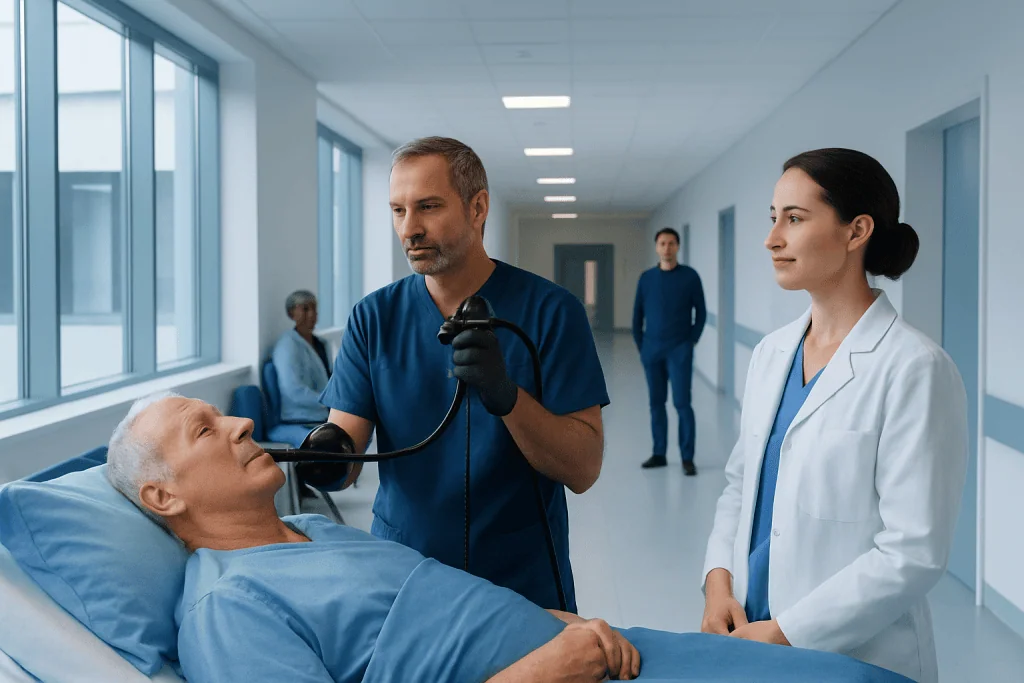
Bronchoscopy uses a thin tube with a camera to examine the airways and lungs. It may be recommended for ongoing cough, abnormal imaging, infection, bleeding, or suspected airway blockage.
Key Takeaways
- Bronchoscopy uses a thin tube with a camera to examine the airways and lungs.
- It may be recommended for ongoing cough, abnormal imaging, infection, bleeding, or suspected airway blockage.
- Doctors can use bronchoscopy to diagnose problems, take biopsies, remove mucus plugs, or deliver treatment.
- Recovery is usually measured in hours to a day, although biopsy results may take longer.
- The procedure is generally safe, but risks can include bleeding, infection, low oxygen, or reactions to sedation.
- Patients should seek medical care promptly for severe shortness of breath, chest pain, heavy bleeding, or fever after the procedure.
Bronchoscopy is a medical procedure that helps doctors examine the airways, collect tissue or fluid samples, and sometimes treat blockages or bleeding without major surgery. Most people recover quickly, but the reasons for having bronchoscopy, the exact steps, and the recovery timeline depend on the lung or airway problem being evaluated.
Overview: What Bronchoscopy Is and Why It Is Done
Bronchoscopy is a procedure that allows a doctor to see inside the breathing passages using a thin, flexible tube called a bronchoscope. The scope passes through the nose or mouth and into the throat, windpipe, and branching airways. A small camera and light help the doctor inspect the lining of the airways in real time.
This procedure is often used when symptoms or imaging suggest a problem in the lungs or airways that needs closer evaluation. It can help investigate a long-lasting cough, coughing up blood, unexplained infections, abnormal chest X-ray or CT findings, airway narrowing, or a possible tumor. In some cases, bronchoscopy is also used as a treatment, not only as a test.
Compared with open surgical approaches, bronchoscopy is minimally invasive and usually has a shorter recovery time. It can help doctors collect samples of mucus, tissue, or fluid, and some specialized tools can be passed through the bronchoscope to remove secretions, control bleeding, or place stents in narrowed airways.
Because bronchoscopy can both diagnose and manage several lung conditions, it often plays an important role in respiratory care. It may be part of the evaluation of conditions such as lung cancer or used alongside other tests when doctors are assessing infection, inflammation, or blockage in the chest.
Who May Need Bronchoscopy
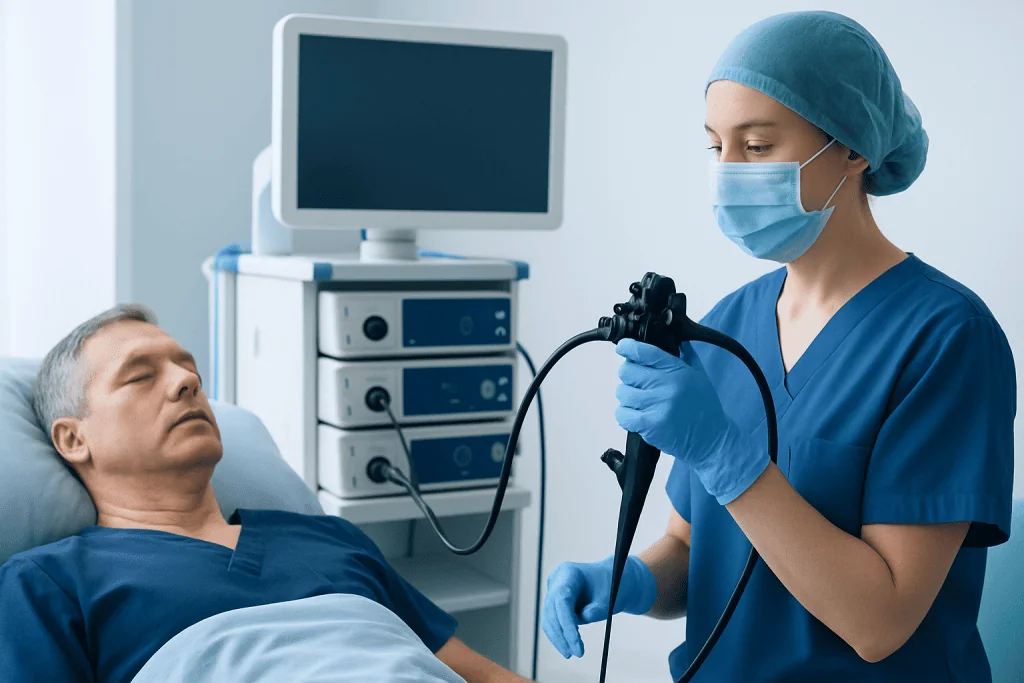
Bronchoscopy is usually recommended when less invasive tests cannot fully explain a lung or airway problem. A doctor may suggest it if a person has persistent symptoms, suspicious imaging findings, or a condition that requires direct airway evaluation. The decision depends on the person’s symptoms, medical history, medications, and overall health.
Common reasons to consider bronchoscopy include:
- A cough that does not improve or has no clear cause
- Coughing up blood
- Abnormal chest imaging, such as a spot, mass, collapse, or infection
- Repeated pneumonia or suspected airway obstruction
- Need for tissue sampling to diagnose inflammation, infection, or cancer
- Need to remove mucus plugs, inhaled objects, or secretions
- Evaluation of airway narrowing, hoarseness linked to airway issues, or unexplained wheezing
Some people are stronger candidates for bronchoscopy than others. Doctors review blood-thinning medicines, heart and lung function, oxygen levels, allergies, and prior reactions to sedation. They may postpone or modify the procedure if there is an active medical issue that raises the risk, such as unstable heart disease, severe breathing distress, or certain bleeding concerns.
Bronchoscopy may also be part of the workup for complex respiratory illnesses such as COPD when symptoms change unexpectedly or when infection, airway collapse, or another complication is suspected. The goal is to choose the least invasive test that can safely answer the clinical question.
How the Procedure Works: Step by Step
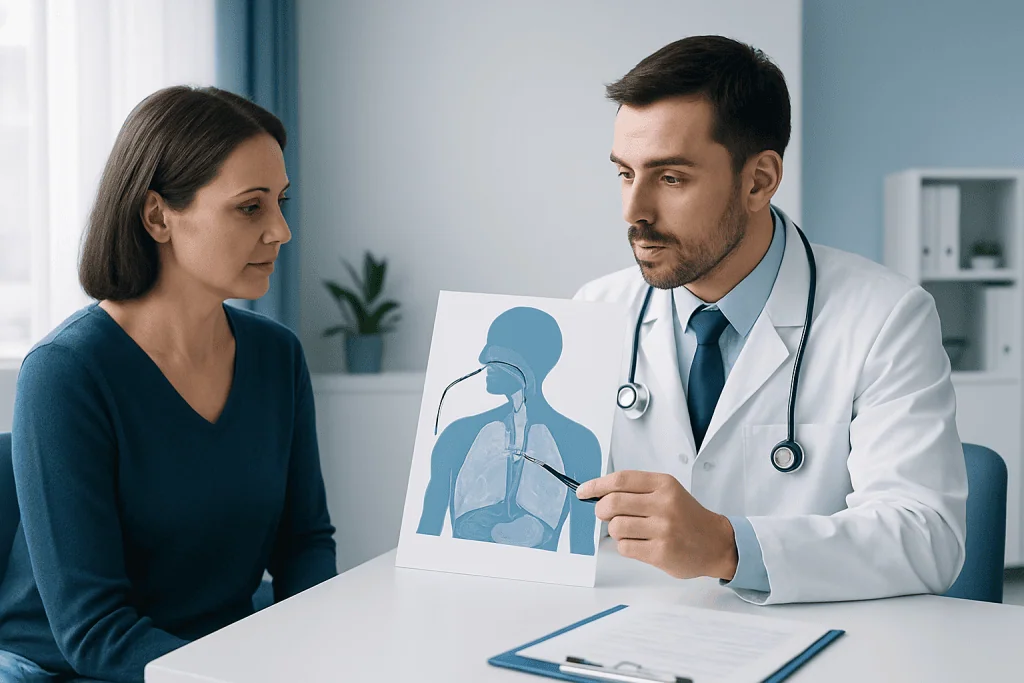
Before bronchoscopy, patients are usually asked not to eat or drink for several hours. The care team reviews medications, allergies, and recent illnesses, and may perform blood tests or imaging if needed. Dentures or removable dental appliances are taken out before the procedure. An intravenous line is often placed so that sedative medicines can be given.
During the procedure, the throat or nose is numbed with a local anesthetic spray to reduce coughing and discomfort. Many bronchoscopies are done with light or moderate sedation, while some cases require deeper sedation or general anesthesia. The bronchoscope is then guided through the nose or mouth into the airways. Patients may feel pressure or an urge to cough, but the numbing medicine usually helps.
Once inside, the doctor examines the airway lining and may perform additional steps depending on the reason for the test. These can include washing the airways with sterile fluid to collect cells or germs, taking a biopsy, brushing a suspicious area, or using ultrasound-guided techniques to sample lymph nodes. In selected cases, therapeutic bronchoscopy may involve bronchoscopy treatment to remove mucus plugs, control bleeding, or open a narrowed passage.
The procedure length varies, but many standard bronchoscopies take less than an hour. More advanced procedures may take longer, especially if multiple samples are needed or if a treatment is performed at the same time. Afterward, the patient is monitored until the effects of sedation begin to wear off and swallowing has safely returned.
What Doctors Can Diagnose or Treat During Bronchoscopy
One of the advantages of bronchoscopy is that it can answer several clinical questions in a single session. Doctors can directly view inflammation, swelling, irritation, narrowing, abnormal growths, or bleeding inside the airways. This can be especially helpful when imaging shows a problem but does not reveal exactly what it is.
Bronchoscopy may help diagnose infections caused by bacteria, fungi, or other organisms, especially when sputum tests are unclear. It can also support the diagnosis of inflammatory conditions, scarring, and some immune-related lung diseases. If a suspicious growth is seen, tissue samples can be sent to the laboratory to help confirm or rule out cancer.
It is also used therapeutically in selected patients. Through the bronchoscope, doctors may suction thick secretions, remove inhaled foreign material, place a stent in a narrowed airway, or help manage airway bleeding. In some cases, bronchoscopy is part of a broader care plan that may include lung cancer treatment or other targeted respiratory interventions once the diagnosis is established.
If enlarged lymph nodes near the airways need sampling, specialized bronchoscopy techniques can collect tissue without an external incision. This may reduce the need for more invasive procedures and can help guide treatment decisions more quickly and precisely.
Recovery Timeline: What to Expect After Bronchoscopy
Recovery after bronchoscopy is usually straightforward, but the exact timeline depends on whether sedation, biopsy, or treatment was performed. Immediately after the procedure, patients remain under observation while the numbness in the throat wears off and the sedative effects lessen. Because swallowing may be temporarily impaired, eating and drinking are usually delayed until the care team says it is safe.
It is common to have a mild sore throat, hoarseness, tiredness, or a small amount of cough for several hours. If a biopsy was taken, a small streak of blood in the sputum may occur for a short time. Most patients go home the same day, but they usually need someone else to drive if sedation was used. Resting for the remainder of the day is often advised.
By the next day, many people are able to return to light normal activities, although the doctor may recommend waiting longer after a more complex procedure. Biopsy or culture results are not immediate and can take days, depending on the test. Patients should follow instructions about medicines, especially blood thinners, and should ask when to restart them.
Some individuals need closer follow-up if bronchoscopy was done to evaluate a significant abnormality or if a therapeutic procedure was performed. Where appropriate, ongoing care may involve respiratory medicine, thoracic surgery, or oncology teams. Acibadem International’s multidisciplinary specialists in JCI-accredited hospitals diagnose and treat respiratory conditions for international patients and may coordinate follow-up when bronchoscopy is part of a larger treatment plan.
Benefits, Risks, and Possible Complications
The main benefit of bronchoscopy is that it provides direct access to the airways without major surgery. It can help doctors make a diagnosis more accurately, choose the most appropriate treatment, and sometimes provide immediate relief by removing a blockage or clearing secretions. For many patients, it shortens the time needed to understand what is causing a lung problem.
Bronchoscopy is generally considered safe, especially when performed by experienced teams. However, no procedure is completely risk-free. Possible complications include bleeding, infection, low oxygen levels during the test, fever, irregular heartbeat, breathing difficulty, or a reaction to sedative or anesthetic medicines. The risk can be higher if a biopsy is taken or if the patient has significant underlying lung disease.
A less common but important complication is pneumothorax, or a collapsed lung, which can happen after certain deeper biopsies. If this is a possibility, the doctor may arrange a chest X-ray after the procedure. Most complications are recognized promptly because patients are monitored before, during, and after bronchoscopy.
Patients can improve safety by sharing a full medication list, reporting allergies, following fasting instructions, and arranging appropriate support for the trip home. If symptoms feel worse instead of better after the procedure, it is important to contact a healthcare professional for guidance.
Preparation and Self-care After the Procedure
Good preparation helps bronchoscopy go more smoothly. Patients should ask exactly when to stop eating and drinking, whether any regular medicines should be adjusted, and if blood thinners need special instructions. Smoking should be avoided before and after the procedure, as it can irritate the airways and slow recovery.
After going home, most people benefit from fluids, rest, and avoiding strenuous activity for the rest of the day. Hot drinks or soft foods may feel more comfortable once swallowing is normal again. If the throat feels irritated, simple supportive care such as cool liquids or physician-approved lozenges may help.
It is best to avoid driving, alcohol, signing important documents, or operating machinery until the effects of sedation have fully passed. Patients should carefully read the discharge instructions and keep any follow-up appointments, especially if samples were taken and results are pending.
If bronchoscopy was performed because of a chronic respiratory condition, self-care may also include continuing inhalers or other prescribed therapies exactly as directed. Some people go on to additional evaluation or procedures, including lobectomy or other interventions, depending on what the bronchoscopy shows.
When to Seek Medical Care
Most symptoms after bronchoscopy are mild and temporary, but patients should know when to contact a doctor. A small amount of throat discomfort or light cough can be normal. The care team should explain what is expected in the first several hours after the procedure.
Medical advice should be sought promptly if there is increasing shortness of breath, chest pain, fever, heavy or ongoing bleeding, severe wheezing, fainting, or persistent vomiting. These symptoms do not always mean there is a serious complication, but they should be assessed without delay.
If a patient has underlying heart or lung disease, lower oxygen levels, or a more complex bronchoscopy, the threshold for calling the care team may be lower. It is always reasonable to ask for guidance if symptoms are unclear or recovery is not following the expected course.
Bronchoscopy can be an important step toward diagnosis and relief, but its results are only part of the overall medical picture. Follow-up with a qualified doctor is essential so that the findings can be interpreted correctly and matched with the next best treatment plan.
Frequently asked questions
Is bronchoscopy painful?
Bronchoscopy is usually not described as painful, although it can feel uncomfortable. The throat or nose is numbed, and sedative medicines are often used to help the patient relax. Some coughing or pressure may still be felt during parts of the procedure.
How long does a bronchoscopy take?
Many routine bronchoscopies take less than an hour, but the total visit is longer because preparation and recovery are also needed. More advanced procedures, biopsies, or therapeutic treatments can increase the procedure time. The care team usually gives an estimated schedule in advance.
How long is recovery after bronchoscopy?
Most people recover from the immediate effects of bronchoscopy within a few hours. Mild throat irritation, cough, or tiredness can last into the next day. If a biopsy was taken or a more complex procedure was done, recovery instructions may be more specific.
Can you eat after a bronchoscopy?
Eating and drinking are usually delayed until the numbness in the throat has worn off and swallowing is safe again. This helps prevent choking or aspiration. The healthcare team will say when it is safe to start with sips of water and then food.
What are the risks of bronchoscopy?
Bronchoscopy is generally safe, but possible risks include bleeding, infection, low oxygen levels, reactions to sedation, and breathing-related complications. Some biopsy techniques can also rarely cause a collapsed lung. The exact risk depends on the patient's health and the type of bronchoscopy performed.
Why would a doctor order a bronchoscopy instead of only a CT scan?
A CT scan can show that something is abnormal, but it cannot always identify exactly what the problem is. Bronchoscopy allows direct viewing of the airways and can provide tissue or fluid samples for laboratory testing. In some cases, it can also treat the problem during the same procedure.
References
- American Thoracic Society
- National Heart, Lung, and Blood Institute
- Cleveland Clinic
- Mayo Clinic
- National Cancer Institute
This article is for general information only and is not a substitute for professional medical advice. Please consult a qualified doctor about your individual situation.
Explore treatments in Turkey — costs, top hospitals & a free quote
JCI-accredited · board-certified surgeons · reply within 24h
Add us as a Preferred Source to see more of our trusted health content across Google Search, AI Overviews and Discover.

More from the Health Library


Related Specialists
Dt. Aydın Akçakoca
Oral & Dental Health
Dr. Nezail Demircler
Aesthetic Plastic & Reconstructive Surgery
Dr. Cemile Ertan
Dermatology
Assoc. Prof. Dr. Gülfem Başol
Gynecology & Obstetrics