Post Menopausal: What Patients Need to Know

Post menopausal means periods have stopped for 12 consecutive months. Hot flashes may continue, but long-term changes such as bone loss and heart risk also become more important.
Key Takeaways
- Post menopausal means periods have stopped for 12 consecutive months.
- Hot flashes may continue, but long-term changes such as bone loss and heart risk also become more important.
- Postmenopausal bleeding is not considered normal and should be assessed by a doctor.
- Lifestyle habits, regular checkups, and individualized treatment can help manage symptoms and protect long-term health.
- Care may include symptom relief, screening tests, and treatment for related conditions such as osteoporosis.
Post menopausal describes the stage of life that begins 12 months after a person’s last menstrual period. It is a normal transition, but ongoing hormone changes can affect comfort, bone strength, heart health, vaginal and urinary tissues, and overall wellbeing.
Overview: what post menopausal means
Post menopausal refers to the life stage after menopause, when a person has gone 12 full months without a menstrual period. At this point, the ovaries are producing much lower levels of estrogen and progesterone, and fertility has ended naturally. This stage is a normal part of aging, not a disease.
Although the transition into menopause gets much of the attention, the post menopausal years are often when longer-term health questions become more relevant. Some symptoms such as hot flashes may ease over time, while other changes involving bones, the heart, sleep, mood, skin, and the urinary or vaginal tissues may persist or gradually develop.
The experience is not the same for everyone. Some people have few symptoms and feel well, while others notice significant discomfort or changes in quality of life. The goal of post menopausal care is not only symptom control but also prevention, screening, and support for healthy aging.
Common symptoms and body changes
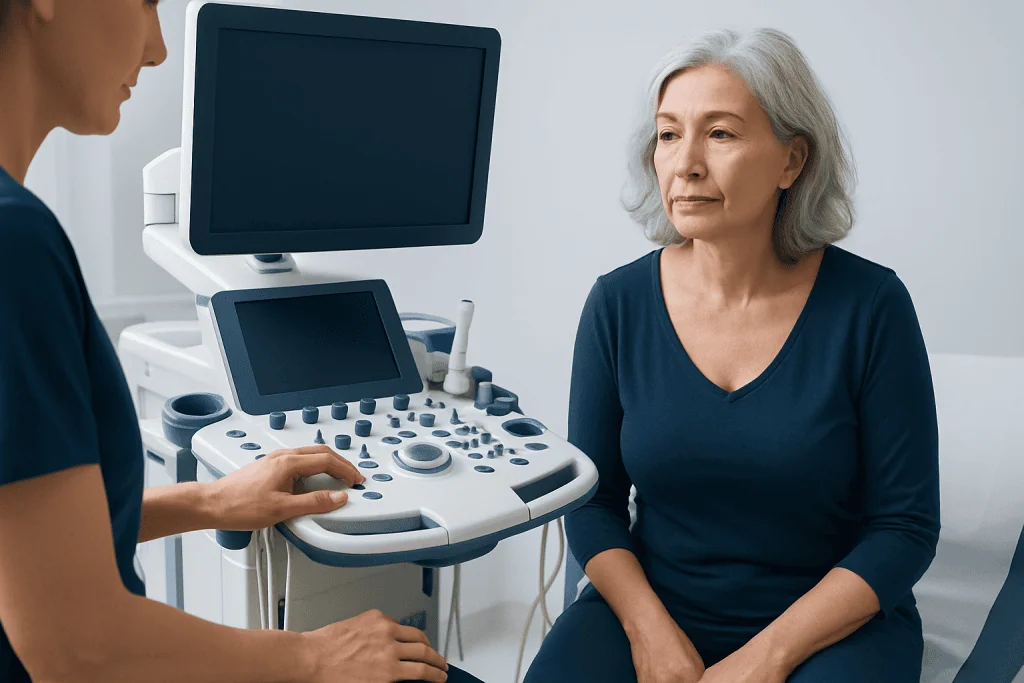
In the post menopausal stage, symptoms may continue from the years around menopause or appear in new ways. Lower estrogen levels can affect temperature regulation, sleep, and body tissues. Many people notice that symptoms come and go rather than following a predictable pattern.
Common symptoms and changes include:
- Hot flashes and night sweats
- Sleep disturbance or lighter sleep
- Vaginal dryness, discomfort, or pain during sex
- Urinary urgency, burning, or repeated urinary tract infections
- Mood changes, irritability, or difficulty concentrating
- Joint aches or a sense of stiffness
- Changes in skin, hair, and body composition
- Reduced sexual desire in some individuals
One important issue is vaginal and urinary tissue thinning, sometimes called genitourinary syndrome of menopause. This can lead to dryness, itching, discomfort, pain with intercourse, urinary frequency, or recurrent infections. Unlike hot flashes, these symptoms often do not improve on their own and may become more noticeable over time if left untreated.
Weight distribution may also change, with more fat stored around the abdomen and less muscle mass than before. This shift is influenced by age, hormones, sleep, activity level, and genetics. It can affect energy, mobility, and long-term metabolic health.
Why health risks change after menopause

After menopause, lower estrogen is linked to changes that can increase the risk of certain medical conditions. This does not mean illness is inevitable, but it does mean preventive care becomes especially important. Doctors often focus on bone health, cardiovascular health, and vaginal and urinary wellbeing during this stage.
Bone density tends to decline more quickly after menopause, raising the risk of osteopenia and osteoporosis. Bones may become weaker without causing symptoms at first, which is why screening may be recommended based on age and risk factors. Adequate calcium, vitamin D, exercise, and other treatments when needed can help protect bone strength.
Heart and blood vessel risk also changes over time. Blood pressure, cholesterol, blood sugar, and body fat distribution may shift after menopause, partly due to hormones and partly due to aging. Healthy habits and routine checkups can help lower the chance of problems such as heart disease and stroke.
People who have an early menopause, had both ovaries removed, smoke, are underweight, use certain medications, or have a family history of fracture or cardiovascular disease may need closer follow-up. A clinician can help assess individual risk and guide prevention.
How post menopausal concerns are evaluated
Evaluation begins with a medical history and discussion of symptoms, menstrual history, medications, and overall health. In most cases, menopause itself is diagnosed clinically based on age and the absence of periods for 12 months. Blood tests are not always needed, especially in the typical age range, but they may be considered when symptoms are unclear or menopause happens early.
A doctor may also review sleep, mood, sexual health, bladder symptoms, exercise habits, diet, and family history. This broader assessment matters because post menopausal care often goes beyond hormones. Blood pressure checks, cholesterol screening, diabetes screening, and review of cancer screening schedules may be part of the visit.
Depending on symptoms and risk factors, testing may include a bone density scan, pelvic exam, or targeted blood tests. For people with persistent vaginal symptoms, local treatment can be discussed after evaluation. If pelvic pain, urinary symptoms, or bleeding are present, further assessment may be needed to look for structural or other causes.
Any bleeding after menopause should be investigated. The cause may be benign, but postmenopausal bleeding can sometimes be linked to uterine lining changes, polyps, or cancer. Assessment may involve imaging such as pelvic ultrasound and, in some situations, hysteroscopy or tissue sampling to examine the lining of the uterus more closely.
Treatment options for symptoms and long-term health
Treatment depends on symptoms, personal health history, age, and individual preferences. Many people benefit from a combination of lifestyle measures, nonhormonal therapies, and targeted medical treatment. A clinician will weigh expected benefits against possible risks, especially when discussing hormone therapy.
For bothersome hot flashes and night sweats, options may include menopausal hormone therapy for appropriate candidates or selected nonhormonal medications. Hormone therapy is not suitable for everyone, so decisions are individualized. The lowest effective approach for the shortest appropriate duration is often discussed, with regular review over time.
Vaginal dryness and urinary discomfort often improve with moisturizers, lubricants, or local vaginal estrogen when appropriate. Pelvic floor support, hydration, and treatment of infections can also help. If symptoms are related to a specific gynecologic condition, management may overlap with care for uterine fibroids or other pelvic disorders identified during assessment.
Long-term health protection may include treatment for low bone density, support for blood pressure or cholesterol control, and programs to maintain mobility and muscle strength. In people at high risk for fracture or with confirmed osteoporosis, medical therapy may be recommended in addition to exercise and nutrition measures.
Self-care, prevention, and healthy aging
Self-care after menopause focuses on reducing symptoms and protecting future health. Regular physical activity is one of the most effective tools. Weight-bearing exercise, resistance training, balance work, and daily movement can support bone strength, heart health, mood, and sleep.
Nutrition also matters. A balanced eating pattern rich in vegetables, fruit, protein, fiber, and calcium-containing foods supports overall wellbeing. Vitamin D may be important for bone health, especially if intake or sunlight exposure is limited. Avoiding tobacco and limiting alcohol can further lower health risks.
Sleep routines, stress management, and maintaining social connection may also improve quality of life. Some people benefit from cooling strategies at night, layered clothing, reducing caffeine or spicy foods if they trigger flushing, and using vaginal moisturizers regularly rather than only when symptoms flare.
Preventive care should continue on schedule. This may include screening for blood pressure, cholesterol, diabetes, osteoporosis, cervical cancer, breast cancer, and colorectal cancer based on age and personal history. Small, steady steps are often more helpful than trying to change everything at once.
When to seek medical care
A routine review with a healthcare professional is helpful for anyone who is post menopausal, even if symptoms seem mild. Medical advice is especially important if symptoms interfere with sleep, work, exercise, mood, intimacy, or daily comfort. Early evaluation can make treatment simpler and more effective.
Prompt medical care is recommended for bleeding after menopause, new pelvic pain, a breast lump, repeated urinary infections, burning urination, or symptoms of significant depression or anxiety. Chest pain, sudden shortness of breath, weakness on one side, or other emergency symptoms need urgent attention.
People who enter menopause early, have a strong family history of fracture or heart disease, or have had cancer treatment, ovarian surgery, or chronic steroid use may need closer follow-up. A personalized plan can help address symptom relief and prevention together.
For international patients who need coordinated evaluation, Acibadem International’s multidisciplinary specialists and JCI-accredited hospitals diagnose and treat postmenopausal concerns, including imaging, gynecologic assessment, and bone health evaluation, in a comprehensive setting.
Frequently asked questions
How long does the post menopausal stage last?
Post menopause begins 12 months after the last menstrual period and continues for the rest of life. Symptoms may lessen with time for some people, but certain changes such as bone loss or vaginal dryness can continue and may need ongoing attention.
Is it normal to have symptoms years after menopause?
Yes, some people continue to have hot flashes, sleep problems, or mood-related symptoms for years. Vaginal dryness and urinary symptoms may become more noticeable over time because they are linked to lower estrogen in local tissues.
What does postmenopausal bleeding mean?
Bleeding after menopause is not considered normal and should be evaluated by a doctor. Many causes are not serious, but bleeding can sometimes be related to polyps, thinning tissues, uterine lining changes, or cancer, so it should not be ignored.
Can a person get pregnant after becoming post menopausal?
Natural pregnancy is not expected after menopause because ovulation has stopped. If there is uncertainty about whether 12 full months have passed since the last period, a doctor can help clarify the situation and discuss contraception if needed.
Does everyone need hormone therapy after menopause?
No. Hormone therapy can be very helpful for some people with bothersome symptoms, but it is not necessary or appropriate for everyone. The decision depends on symptoms, age, medical history, timing since menopause, and personal preferences.
How can bone health be protected after menopause?
Bone health is supported by weight-bearing and strength exercises, enough calcium and vitamin D, not smoking, and limiting alcohol. Some people also need bone density testing or prescription treatment if they have low bone density or a higher fracture risk.
This article is for general information only and is not a substitute for professional medical advice. Please consult a qualified doctor about your individual situation.
Heart care in Turkey — expert evaluation and treatment
JCI-accredited · board-certified surgeons · reply within 24h
Add us as a Preferred Source to see more of our trusted health content across Google Search, AI Overviews and Discover.
Check your numbers in seconds
BMI, calories, due date, blood pressure and 30+ more clinical calculators — free, instant, doctor-reviewed ranges.

More from the Health Library

Pooping — Explained by Medical Evidence, Not Myths

Tooth Filling: A Complete Medical Overview

Codependency: What Patients Need to Know

Baby Hairs — Explained by Medical Evidence, Not Myths

Pulse: What Patients Need to Know