

General Dentistry
General dentistry covers routine dental checkups, professional cleaning, fillings, gum care and preventive treatments to maintain oral health and detect problems early.
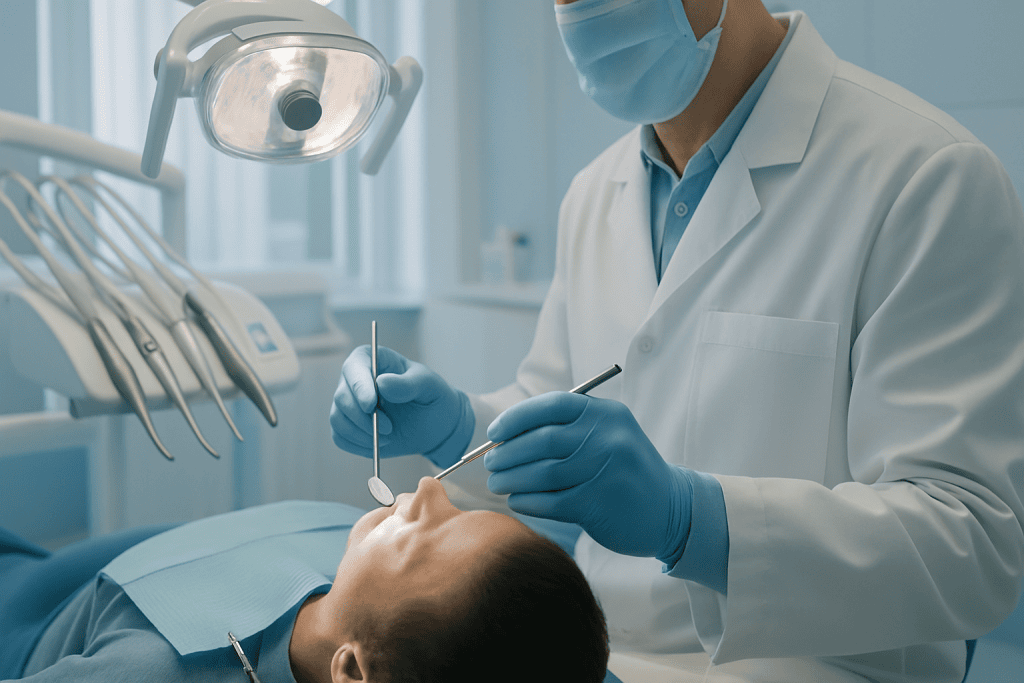
Quick answer
General dentistry focuses on preventing, detecting, and treating common problems affecting the teeth, gums, and overall oral health through routine checkups, professional cleaning, fillings, and gum care. At Acibadem in Turkey, general dentistry is provided through dental examination and imaging when needed, followed by preventive or restorative treatments planned according to the patient’s oral condition.
General Dentistry: Protecting Oral Health Before Problems Become Complex
For many patients, a dental visit is not only about teeth. It can involve anxiety about discomfort, uncertainty about what a dentist may find, concerns about appearance, and practical questions about time, travel, language, and cost. International patients may also wonder whether routine dental care abroad will meet familiar standards of safety, communication, and clinical judgment. General dentistry is designed to address these concerns early, carefully, and in a structured way.
General dentistry is the foundation of long-term oral health. It includes routine dental checkups, professional cleaning, fillings, gum care, preventive treatments, oral hygiene guidance, and early diagnosis of dental and gum disease. These services may seem simple, but they often determine whether a small cavity remains a small repair, whether gum inflammation can be reversed, and whether dental pain, infection, or tooth loss can be avoided.
Oral health is closely connected to overall well-being. Untreated dental infections can cause pain, swelling, difficulty eating, disturbed sleep, and in some cases wider health concerns. Gum disease may progress silently for years before a patient notices loose teeth or changes in the bite. Worn, cracked, or decayed teeth can affect nutrition, speech, confidence, and facial comfort. Regular general dental care helps detect these issues when treatment is usually less invasive and recovery is shorter.
At Acibadem, general dentistry is approached as both preventive care and diagnostic medicine. The aim is not only to treat the problem that brought a patient to the clinic, but also to understand why it occurred, how it may progress, and how future dental disease can be reduced. For international patients, this means clear explanations, careful planning, and access to coordinated dental and medical expertise when needed.
What General Dentistry Is
General dentistry is the primary care specialty of oral health. A general dentist evaluates the teeth, gums, jaw, bite, oral tissues, and supporting structures, then provides or coordinates treatment for common dental conditions. The focus is prevention, early diagnosis, conservative treatment, and maintenance.
A general dentistry visit may include a comprehensive oral examination, dental X-rays when indicated, professional cleaning, assessment of gum health, oral cancer screening, bite evaluation, and discussion of symptoms such as sensitivity, pain, bleeding gums, bad breath, jaw discomfort, or tooth wear. Treatment may include fillings, replacement of old or leaking restorations, fluoride or other preventive applications, management of early gum disease, polishing, scaling, simple tooth extractions when necessary, and referral to specialists for more complex needs.
For many patients, general dentistry is also the entry point into a broader dental treatment plan. A routine examination may identify the need for endodontic care, periodontal therapy, implant planning, orthodontic evaluation, prosthetic dentistry, oral surgery, or cosmetic procedures. In these situations, the general dentist helps establish the diagnosis and may work with relevant specialists to create a personalized plan.
Modern general dentistry is not limited to treating cavities. It also considers the patient’s medical history, medications, lifestyle, diet, oral hygiene habits, previous dental experiences, and future goals. A patient with diabetes, for example, may need closer periodontal monitoring. A patient taking blood-thinning medication may require medical coordination before certain procedures. A patient planning major dental rehabilitation may first need the gums stabilized and active decay treated. This broader view supports safer, more predictable care.
Who May Need General Dentistry
Nearly everyone benefits from regular general dental care, even when there is no pain. Dental disease often develops quietly. Early enamel demineralization, small cavities between teeth, gum inflammation, and early bone loss may not cause obvious symptoms. A patient may feel well while a treatable problem is already progressing.
Adults and children may need a general dentistry appointment for routine prevention, a new symptom, or follow-up after previous dental work. Common reasons include tooth sensitivity, toothache, bleeding gums, swollen gums, persistent bad breath, chipped or cracked teeth, food trapping between teeth, pain when biting, loose fillings, stained teeth, jaw tightness, or concern about a change in the mouth. Patients who have not seen a dentist for several years may also benefit from a comprehensive evaluation, even if they are not currently uncomfortable.
Diagnosis begins with a conversation. The dentist asks about symptoms, timing, triggers, medical conditions, allergies, medications, previous dental treatment, and the patient’s priorities. A clinical examination follows, including inspection of the teeth, gums, tongue, cheeks, palate, bite, and existing restorations. The dentist may measure gum pocket depths, assess tooth mobility, check for signs of grinding or clenching, and test teeth for sensitivity or vitality when needed.
Dental imaging is used selectively. Digital dental X-rays can help identify cavities between teeth, infection at the root, bone loss around teeth, impacted teeth, or problems beneath older restorations. In some cases, 3D imaging may be recommended for more detailed evaluation, particularly when surgical planning, complex anatomy, or implant assessment is involved. Intraoral cameras and magnified visualization may help patients see and understand what the dentist is describing.
Some patient situations require special attention. People with diabetes, heart valve conditions, immune system disorders, cancer treatment history, osteoporosis medications, pregnancy, or bleeding disorders may need tailored dental planning. Patients with dental anxiety may need additional time, careful communication, and pain-control strategies. International patients may also need efficient scheduling if they are combining diagnosis, cleaning, fillings, and specialty consultations during a limited stay.
Conditions and Indications Treated Through General Dentistry
General dentistry addresses a wide range of common oral health conditions. The most frequent is dental caries, often called tooth decay. Decay occurs when bacteria in dental plaque produce acids that weaken the enamel and dentin. If detected early, it may be managed with preventive care and monitoring. If a cavity forms, the damaged tooth structure usually needs to be cleaned and restored with a filling.
Gingivitis is another common condition. It is inflammation of the gums caused by plaque accumulation around the teeth. Patients may notice bleeding when brushing, tenderness, redness, or swelling. Gingivitis is often reversible with professional cleaning and improved home care. If inflammation spreads deeper and affects the supporting bone, it becomes periodontitis, a more serious gum disease that may require more intensive periodontal treatment.
General dentistry also manages tooth sensitivity, which may be caused by enamel wear, gum recession, exposed dentin, tooth grinding, cracks, cavities, or recent dental procedures. Identifying the cause is important because sensitivity is not always a minor issue. Pain when biting, for example, may suggest a cracked tooth or inflammation inside the tooth.
Other indications include broken or worn fillings, fractured teeth, mild dental trauma, plaque and tartar buildup, early tooth wear from grinding, dietary erosion, dry mouth, oral hygiene difficulties, and preventive care for patients with higher cavity risk. General dentists may also detect oral lesions, ulcers, infections, or changes that require monitoring or referral to an oral medicine or oral surgery specialist.
For patients considering cosmetic dentistry, orthodontics, implants, crowns, or full-mouth rehabilitation, general dentistry often comes first. Teeth and gums must be healthy before elective or advanced treatment can begin. A stable oral foundation reduces the risk of complications and supports better long-term function.
How General Dentistry Is Performed
General dentistry begins with preparation that is both medical and practical. Before the appointment, patients are usually asked to share their medical history, current medications, allergies, previous dental records if available, and any recent dental X-rays. International patients may send images or reports in advance so the clinical team can better understand their needs and plan the visit efficiently.
At the first visit, the dentist reviews the patient’s concerns and performs an oral examination. The goal is to identify active problems, assess risk factors, and prioritize care. A routine checkup may take less time, while a comprehensive evaluation for a patient with several concerns may require a longer appointment. Dental imaging may be taken during the same visit if needed. Digital imaging allows the dentist to examine areas that are not visible during the clinical examination and to explain findings more clearly.
Professional cleaning is often part of general dentistry. During cleaning, plaque and hardened tartar are removed from the teeth and around the gumline. The teeth may be polished to remove surface staining and make plaque accumulation more difficult. If there is gum inflammation or deeper periodontal pocketing, the dentist or periodontal team may recommend more detailed cleaning below the gumline, sometimes performed in stages and with local anesthesia for comfort.
If a cavity is found, a filling may be recommended. The dentist numbs the area when necessary, removes the decayed portion of the tooth, cleans the cavity, and restores the tooth with an appropriate dental material. Tooth-colored restorative materials are commonly used for many fillings because they can preserve tooth structure and provide a natural appearance. The dentist shapes and polishes the filling so the bite feels comfortable. For larger defects, old restorations, or weakened teeth, an inlay, onlay, or crown may be discussed instead of a simple filling.
Preventive treatments may include fluoride application, desensitizing agents, fissure sealants in selected patients, personalized oral hygiene instruction, diet counseling, and guidance on brushing and interdental cleaning techniques. Patients who grind or clench their teeth may be evaluated for a protective night guard. Those with dry mouth may receive recommendations to reduce cavity risk and protect oral tissues.
General dentistry relies on a careful combination of clinical expertise and appropriate technology. Digital radiography can reduce imaging time and support diagnosis with lower radiation exposure than older techniques. Intraoral cameras help document findings and allow patients to see cracks, worn restorations, plaque accumulation, or gum changes. Magnification and enhanced lighting support precision during examination and restorative work. Electronic records help track findings over time. Sterilization systems and infection-control protocols are essential for patient safety.
The duration of treatment depends on the type and complexity of care. A routine checkup and cleaning may be completed in a single visit. One or more fillings may often be performed during the same appointment or scheduled shortly afterward. More advanced gum care may require several sessions. If several dental issues are present, the dentist may create a staged plan that treats urgent problems first, stabilizes oral health, and then addresses longer-term functional or aesthetic goals.
Most general dentistry procedures involve minimal recovery time. After a cleaning, gums may feel mildly tender if there was inflammation or significant tartar buildup. After a filling, the mouth may remain numb for a few hours, and the tooth may be temporarily sensitive to temperature or pressure. This usually improves as the tooth settles. Patients are advised to avoid chewing while numb and to contact the clinic if the bite feels high, pain increases, or symptoms persist.
For international patients, scheduling is planned with travel logistics in mind. Some patients need only a preventive visit during a short stay. Others may need diagnostic evaluation and a sequence of treatments. Clear planning helps patients understand which procedures can be completed during the visit, which require follow-up, and whether specialty care should be coordinated during the same trip.
Why Acting Early Matters
Dental problems tend to become more complex when ignored. A small cavity may be repaired with a conservative filling. If decay progresses, it can reach the nerve of the tooth, causing significant pain and infection that may require root canal treatment or extraction. A cracked filling may seem minor until bacteria enter beneath it and damage more of the tooth. Gum bleeding may appear harmless, yet persistent inflammation can progress to bone loss and tooth mobility.
Early care often means simpler treatment, shorter appointments, lower biological impact on the tooth, and easier recovery. It also helps reduce the likelihood of emergency dental visits, which can be particularly difficult when traveling or living between countries. For patients planning business travel, relocation, university study, or medical treatment abroad, addressing dental problems in advance may prevent interruptions and unexpected discomfort.
Delaying dental care can also affect general health and quality of life. Oral infections may spread locally, causing swelling, fever, difficulty opening the mouth, or difficulty swallowing. Chronic gum inflammation can make eating uncomfortable and may worsen oral hygiene because brushing becomes painful. Missing or painful teeth may change chewing patterns, strain other teeth, and contribute to jaw or muscle discomfort.
Regular checkups allow the dentist to compare findings over time. Subtle changes in gum pocket measurements, tooth wear, enamel cracks, or X-ray findings can guide timely intervention. This is one of the main values of general dentistry: it helps patients and clinicians see patterns before they become urgent problems.
Benefits of General Dentistry
General dentistry supports oral health in practical ways that patients can feel day to day and over the long term.
| Benefit | What It Means for You |
|---|---|
| Early detection of dental problems | Small cavities, gum inflammation, cracks, and failing restorations can often be identified before they cause severe pain or require more complex treatment. |
| Prevention of tooth and gum disease | Professional cleaning, fluoride or other preventive care, and personalized hygiene guidance help reduce the risk of decay, gingivitis, and periodontal progression. |
| Comfort and function | Treating cavities, sensitivity, damaged fillings, and bite issues can make chewing, speaking, and daily oral care more comfortable. |
| Better long-term treatment planning | A clear diagnosis helps determine whether you need simple care, monitoring, specialist referral, or a staged plan for more advanced dental goals. |
| Support for overall well-being | Healthy teeth and gums can reduce oral infection risk, improve nutrition, support confidence, and make routine medical or travel plans less vulnerable to dental emergencies. |
Recovery Timeline After Common General Dentistry Procedures
Recovery is usually brief after routine general dental care, although the experience depends on the procedure performed and the condition of the teeth and gums before treatment.
| Time Period | What Patients Can Expect |
|---|---|
| Day 1 | After a checkup or cleaning, most patients return to normal activities immediately. Mild gum tenderness or temporary sensitivity may occur, especially if there was inflammation. After a filling, numbness may last for a few hours. |
| First Week | Gums often feel healthier as inflammation decreases and home care improves. A restored tooth may have mild sensitivity to cold or pressure, which commonly settles. Patients should report persistent pain or a bite that feels uneven. |
| First Month | Improved brushing, interdental cleaning, and dietary changes begin to influence plaque control. If gum treatment was performed, follow-up may be scheduled to assess healing and pocket depths. |
| Longer Term | Regular maintenance visits help preserve results, monitor restorations, and detect new problems early. The recommended interval depends on cavity risk, gum health, medical conditions, and previous dental history. |
Factors That Influence Outcomes
A good result in general dentistry depends on more than one appointment. It is influenced by the accuracy of diagnosis, the quality of the dental work, the patient’s oral hygiene, medical conditions, diet, habits, and commitment to maintenance.
The condition at the time of treatment matters. A small cavity in an otherwise healthy tooth is usually more straightforward to restore than a deep cavity near the nerve. Mild gingivitis is easier to reverse than advanced periodontal disease with bone loss. A tooth with a small chip may need a simple repair, while a heavily cracked tooth may require a crown, root canal treatment, or extraction. Early diagnosis improves the range of conservative options.
Home care is one of the strongest predictors of long-term oral health. Even excellent professional treatment can fail if plaque control remains poor or if high sugar exposure continues throughout the day. Effective brushing, cleaning between teeth, appropriate toothpaste, and regular replacement of toothbrushes or brush heads all contribute. Patients with limited dexterity, dental implants, bridges, orthodontic appliances, or periodontal pockets may need special tools and coaching.
Medical conditions and medications can affect oral health. Diabetes may increase periodontal risk, especially if blood sugar is not well controlled. Dry mouth from medications, autoimmune disease, or previous radiation therapy can increase decay risk. Acid reflux, eating disorders, or frequent acidic drinks can erode enamel. Smoking and tobacco products affect gum healing and increase the risk of periodontal disease and oral tissue changes. These factors do not prevent dental care, but they require a tailored prevention and maintenance plan.
Bite forces also influence outcomes. Grinding and clenching can fracture fillings, wear enamel, strain jaw muscles, and contribute to tooth sensitivity. If the dentist sees signs of excessive wear, a protective appliance or bite evaluation may be recommended. For patients with multiple restorations or crowns, managing bite forces helps protect the investment in dental treatment.
Communication is another important factor. Patients should tell the dentist if they have dental anxiety, difficulty becoming numb, previous adverse reactions, a strong gag reflex, or limited time in the country. Clear information allows the clinical team to adjust appointment length, anesthesia approach, explanation style, and treatment sequence. For international patients, sharing previous X-rays or treatment records can help avoid duplication and support more efficient decision-making.
Finally, maintenance determines durability. Fillings, gum therapy, and preventive care all require monitoring. A restoration that was well placed can still develop leakage or wear over time. Gums can become inflamed again if plaque returns. Regular recall visits allow small adjustments before major intervention is needed.
Why International Patients Choose Acibadem for General Dentistry
International patients often seek dental care abroad for a combination of clinical quality, access, scheduling efficiency, and confidence in the healthcare environment. At Acibadem, general dentistry is delivered within a hospital-based healthcare group that is accustomed to caring for patients from many countries, cultures, and medical backgrounds.
One important distinction is the connection between dental care and broader medical expertise. Some dental patients have complex health histories, are undergoing medical treatment, or need coordination with physicians before procedures. In a hospital setting, dentists can take a more informed approach to patients with cardiovascular disease, diabetes, cancer history, immune conditions, or medication-related risks. When needed, care can be discussed with relevant medical specialists or referred to appropriate departments.
Acibadem hospitals are JCI-accredited, reflecting structured standards for patient safety, quality improvement, infection control, and clinical governance. For dental patients, this environment supports careful sterilization practices, organized documentation, and attention to risk assessment. These details may not be visible during a brief appointment, but they are central to safe healthcare delivery.
General dentistry at Acibadem also benefits from multidisciplinary planning. A patient may come for a routine checkup and discover a need for periodontal care, root canal treatment, oral surgery, prosthetic dentistry, orthodontic evaluation, or implant planning. Rather than viewing these as isolated services, the dental team can coordinate a step-by-step plan according to priority, urgency, medical considerations, and the patient’s travel schedule. Specialist boards and multidisciplinary discussions are particularly valuable when treatment decisions are complex or when dental findings intersect with broader health concerns.
Technology is used to support diagnosis, communication, precision, and patient comfort. Digital imaging helps identify disease that cannot be seen during examination. Intraoral visualization can make explanations more understandable, especially for patients deciding between treatment options. Modern restorative materials allow many teeth to be repaired in a conservative and natural-looking way. Careful anesthesia techniques and minimally invasive approaches are used whenever appropriate to reduce discomfort and preserve healthy tooth structure.
For international patients, the experience around the clinical appointment matters. Acibadem International provides dedicated services in more than 20 languages, helping patients with appointment coordination, medical record transfer, interpretation, and practical questions related to travel and care planning. This is particularly important in dentistry, where a patient may need several appointments in a defined timeframe and may need to understand which treatments are urgent, which can be staged, and which may be continued after returning home.
Patients from the United States and other countries may also value a second opinion before beginning extensive dental work. General dentistry can provide the diagnostic foundation for that opinion: clinical examination, imaging review, periodontal assessment, and a clear explanation of options. A second opinion may confirm a proposed plan, suggest a more conservative sequence, or identify health issues that should be addressed before cosmetic or reconstructive treatment.
Personalized treatment planning is central to the process. Not every cavity, sensitive tooth, or gum concern requires the same response. The dentist considers clinical findings, risk level, symptoms, aesthetics, function, medical status, time constraints, and patient preferences. The goal is to recommend care that is appropriate to the condition and sustainable for the patient after returning home.
Patients who feel anxious about dental treatment are also taken seriously. Anxiety is common and can be shaped by previous painful experiences, fear of needles, embarrassment about the condition of the teeth, or uncertainty about receiving care in another country. A respectful clinical approach includes clear explanations, permission to pause, appropriate local anesthesia, and discussion of comfort measures. Many patients find that understanding each step reduces fear and helps them return to regular preventive care.
Taking the Next Step
General dentistry is often the simplest and most effective way to protect oral health. A routine checkup can confirm that everything is stable, while an early diagnosis can prevent a small concern from becoming an urgent or complex problem. Whether you need a professional cleaning, a filling, gum evaluation, preventive care, or a second opinion on a dental treatment plan, the first step is a careful examination and a clear explanation of your options.
For international patients, Acibadem can help organize the process before arrival by reviewing available records, planning appointments, and coordinating language support when needed. If more advanced dental or medical care is required, the team can guide you through the appropriate next steps within an integrated healthcare environment.
If you are experiencing tooth pain, bleeding gums, sensitivity, a broken filling, or if it has been some time since your last dental checkup, you may request a consultation or share your records for an initial review. Timely general dental care can help preserve comfort, function, and confidence for the years ahead.
This information is general and is not a substitute for professional medical or dental advice. A dentist can recommend the most appropriate care only after evaluating your individual health history, symptoms, examination findings, and diagnostic results.
Preparation
- Bring previous dental records or X-rays if available and inform your dentist about medications, allergies, pregnancy or chronic conditions. Brush and floss before the visit, but avoid heavy meals if a procedure requiring local anesthesia may be planned.
Aftercare
- Follow your dentist’s instructions for brushing, flossing and any prescribed medication. Avoid very hot, hard or sticky foods for a short time after fillings or gum treatments, and attend scheduled follow-up visits to maintain oral health.
Turkey vs UK, Germany & USA
General dentistry costs depend on the type of visit, materials used, diagnostics needed and whether additional care is found during examination. Comparing destinations can help international patients understand how fees, scheduling and support services may differ.
For routine dental care, the final experience is shaped by clinic standards, dentist expertise, diagnostic needs, appointment availability and the level of support offered to international patients.
| Factor | Turkey | UK | Germany | USA |
|---|---|---|---|---|
| Price drivers | Private-care model with bundled international patient support often available | Private fees vary; public pathways may have eligibility and availability limits | Costs vary between statutory and private pathways, materials and clinic setting | Fees often depend on private practice billing, location and insurance terms |
| Hospital and dentist factors | Costs may reflect dentist experience, multidisciplinary access and hospital-based dental units | Fees may vary by private clinic location, dentist seniority and required referrals | Specialist involvement, clinic technology and insurance status can affect cost | Provider network status, specialist referrals and facility location may influence fees |
| Accreditation and quality | Some hospital groups, including Acibadem, operate within internationally accredited healthcare systems such as JCI-accredited settings | Quality is regulated through national professional and healthcare standards | Quality is supported by national regulation and professional dental standards | Quality oversight varies by state, provider network and professional accreditation |
| Typical waiting times | Private appointments for international patients may be coordinated around travel plans | Private appointments may be quicker than public pathways, depending on local demand | Scheduling varies by clinic, insurance route and specialist availability | Access depends on provider availability, insurance networks and local demand |
| Travel and language logistics | International patient teams may assist with scheduling, translation and travel coordination | Language is usually straightforward for English speakers; travel support varies by provider | Interpreter needs and documentation support may vary by clinic | Long-distance travel may add cost; administrative insurance communication can be complex |
| Typical package inclusions | May include consultation planning, dental examination, selected imaging and interpreter support when arranged | Often itemised by consultation, cleaning, imaging and treatment | May be itemised or partially covered depending on insurance and treatment type | Often itemised, with coverage depending on insurance benefits and provider network |
What affects your final cost:
- The type of dental service needed, such as checkup, cleaning, filling or gum care
- The number and complexity of teeth or gum areas requiring treatment
- Whether digital imaging, laboratory work or specialist referral is required
- The materials used for fillings, restorations or preventive applications
- The dentist’s experience and the clinic or hospital setting
- Travel, accommodation, translation and follow-up planning for international patients
Compare your options
General dentistry includes preventive, diagnostic and restorative options. Suitability for any option is decided by a dentist or relevant specialist after examination.
| Option | What it is | Typical use | Key considerations |
|---|---|---|---|
| Dental checkup | A clinical examination of teeth, gums, bite and oral tissues, sometimes supported by imaging | Routine monitoring, early detection of decay, gum disease or oral health changes | Findings may lead to cleaning, fillings, gum treatment or referral for specialist care |
| Professional cleaning | Removal of plaque, tartar and surface staining by a dental professional | Preventive maintenance and support for gum health | Frequency and depth of cleaning depend on gum condition and oral hygiene needs |
| Dental fillings | Removal of decayed or damaged tooth tissue followed by restoration with a suitable material | Treatment of cavities, small fractures or worn tooth areas | Cost and outcome can vary by tooth location, cavity size and material choice |
| Gum care | Assessment and treatment aimed at controlling inflammation and supporting gum stability | Bleeding gums, gum sensitivity, tartar buildup or periodontal concerns | More advanced gum problems may require staged treatment and specialist follow-up |
| Preventive treatments | Measures such as fluoride application, fissure sealants or personalised hygiene guidance | Reducing future risk of decay and supporting long-term oral health | Recommended according to age, risk profile, diet, hygiene habits and dental history |
| Diagnostic imaging | Dental X-rays or other imaging used to view areas not visible during examination | Checking decay, bone levels, roots, impacted teeth or treatment planning needs | Used only when clinically indicated and interpreted alongside the dental examination |
Trusted care for international patients
General information only — not medical or financial advice. Final costs depend on the factors above and your individual case; request a free, personalised quote.
Doctors Performing This Treatment

Dt. Ahmet Ziya Yazgan
Oral & Dental Health
Dt. Akif Aydın Şen
Oral & Dental Health
Dt. Alara Naz Kenir
Oral & Dental Health
Dt. Anil Ayvat
Oral & Dental Health
Dt. Anil Yavuzyilmaz
Oral & Dental Health
Dt. Avi Karako
Dentistry
Dt. Ayşe Nur Gümüş
Oral & Dental Health
Dt. Berna Atıcı
Oral & Dental Health
Dt. Beyhan Kasapoğlu
Oral & Dental Health
Dt. Bilge Baş
Oral & Dental Health
Dt. Cüneyt Işıker
Oral & Dental Health
Dt. Ece Büyükbaşaran
Dentistry
Dt. Elif Ceren Güzeler
Oral & Dental Health
Dt. Emin Gökalp Baş
Oral & Dental Health
Dt. Fatma Zehra Ekinci
Dentistry
Dt. Fulden Kalelioğlu
Oral & Dental Health
Dt. Gonca Katmer
Oral & Dental Health
Dt. Hakan Necip İşcan
Dentistry
Dt. Hayrunnisa Batur
Oral & Dental Health
Dt. Kübel Özkut
Oral & Dental Health
Dt. Memduha Merve Kinay
Oral & Dental Health
Dt. Mete Dalbeler
Oral & Dental Health
Dt. Nadin Gemrekoğlu
Oral & Dental Health
Dt. Nehir Erdal
Oral & Dental HealthMedical Units
Available at These Hospitals












Guides for This Treatment
Frequently Asked Questions
What affects the cost of general dentistry?
The final cost depends on the type of service needed, findings during examination, imaging requirements, materials used, dentist expertise and whether follow-up or specialist care is recommended.
How can I get a personalised quote?
You can request a free consultation and share your dental concerns, recent images if available and any previous treatment notes. A dental team can then outline likely options and provide a personalised estimate.
Are checkups and cleaning usually quoted together?
They may be offered together or itemised separately depending on the clinic and the patient’s needs. Additional imaging, fillings or gum treatment are usually assessed after the dental examination.
Can the cost change after my examination?
Yes. General dentistry can reveal hidden decay, gum disease or restoration needs that were not clear before examination or imaging. Your dentist should explain any recommended changes before treatment proceeds.
What should international patients ask before travelling?
Ask what is included in the proposed plan, whether imaging or cleaning is included, how follow-up is managed, whether interpreter support is available and how appointments can be coordinated with travel dates.
Is this information medical or financial advice?
No. This is general educational information. A dentist or specialist should assess your oral health, and a personalised quote should be requested before making treatment or travel decisions.