

Gingival Aesthetics
Gingival aesthetics reshapes or balances the gum line to improve smile symmetry and tooth proportions. It may involve gum contouring, gingivectomy, or related cosmetic periodontal procedures.
Quick answer
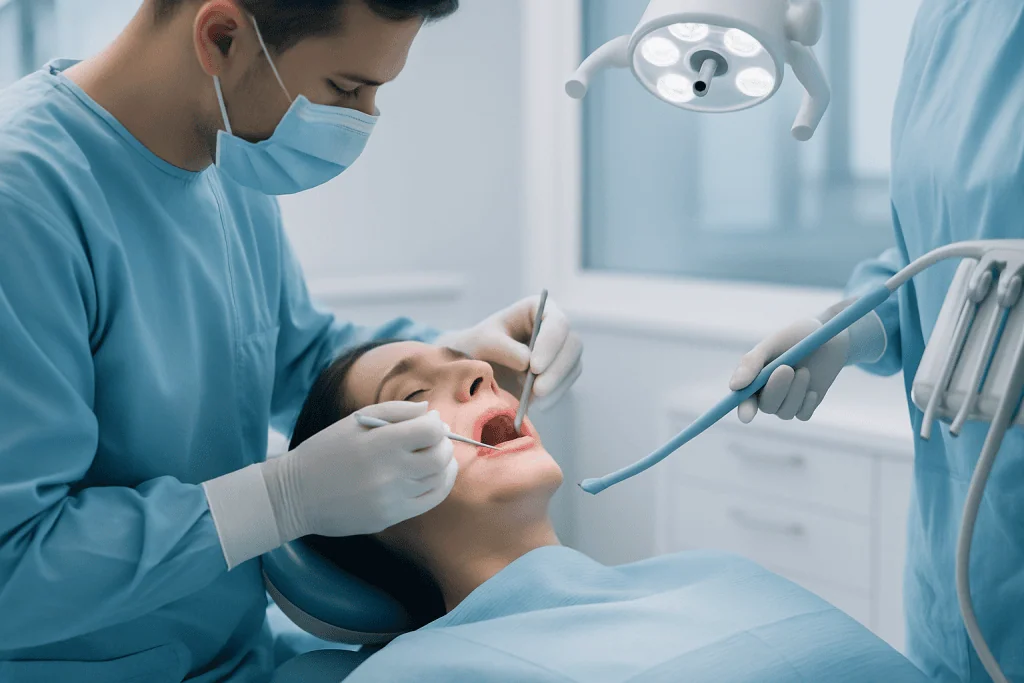
Gingival aesthetics is a dental treatment that reshapes the gum line to create a more balanced, natural-looking smile and improve the visible proportions of the teeth. At Acibadem in Turkey, it is assessed by dental and periodontal specialists and performed with techniques such as gum contouring or gingivectomy, depending on the gum structure and cosmetic goals.
When the Gum Line Affects How You Feel About Your Smile
A smile is not shaped by the teeth alone. The gums frame the teeth, influence tooth length and symmetry, and affect how balanced the smile appears in conversation, photographs and everyday expression. For many people, a high or uneven gum line, excessive gum display, short-looking teeth or irregular contours can make an otherwise healthy smile feel incomplete. Some patients describe feeling self-conscious when laughing. Others cover their mouth in photos or feel that previous dental work never looked fully natural because the gum line was not in harmony with the teeth.
Gingival aesthetics focuses on this relationship between the gums, teeth and lips. It is a refined area of cosmetic dentistry and periodontology that aims to create a more balanced gum contour while protecting periodontal health. For international patients considering care abroad, the decision is often both personal and practical. You may want to improve your smile before a major life event, combine gum reshaping with veneers or crowns, or seek a second opinion after being told your teeth look “too short” or your gum line is uneven.
It is natural to have questions: Will the result look natural? Will the gums grow back? Is it painful? How long does healing take? Can it be completed in one visit? The best answers depend on a careful diagnosis. A gummy smile, for example, may be caused by excess gum tissue, tooth eruption patterns, jaw development, lip movement or a combination of factors. Treating it effectively requires understanding the reason behind the appearance, not simply removing tissue.
At Acibadem, gingival aesthetics is approached as a medically guided cosmetic procedure. Dentists and periodontal specialists evaluate gum health, tooth proportions, bite, bone levels, facial dynamics and the patient’s expectations before recommending treatment. The goal is not to create an artificial “perfect” smile, but to design a gum line that fits the patient’s face, respects dental biology and supports long-term oral health.
What Is Gingival Aesthetics?
Gingival aesthetics is a group of dental and periodontal procedures that reshape, rebalance or correct the gum line to improve the appearance and proportion of the smile. It may involve removing a small amount of excess gum tissue, recontouring irregular margins, correcting asymmetry, lengthening the visible portion of teeth or improving the transition between natural teeth and restorations.
The term may include several related procedures. Gum contouring is often used to describe minor reshaping of the gum margins for symmetry. Gingivectomy refers to the removal of gum tissue, usually when there is excess tissue, overgrowth or a cosmetic need to reveal more of the tooth surface. Crown lengthening may involve reshaping both gum tissue and, when necessary, the underlying bone to expose more tooth structure while maintaining a healthy space between the gum and bone. In some cases, soft tissue grafting may be recommended if the issue is gum recession rather than excessive gum display.
Although gingival aesthetics is often considered cosmetic, it must be planned with periodontal principles. The gums are living tissue that protect the teeth, cover the supporting bone and contribute to oral stability. Removing too much tissue or ignoring bone position can cause sensitivity, recession, inflammation or an unstable result. For this reason, a precise evaluation is essential.
Modern gingival aesthetic treatment may use digital smile analysis, intraoral imaging, periodontal probing, dental photography, X-rays or three-dimensional imaging when clinically indicated. These tools help the clinician assess tooth length, gum levels, bone support, root position and how the lips move during smiling and speech. In selected cases, a digital or physical mock-up may be used to preview the expected change before treatment begins.
The procedure can be performed as a standalone treatment or as part of a broader smile design plan. Many patients combine gingival contouring with teeth whitening, veneers, crowns, orthodontic treatment or implant restoration. In these situations, gum line planning is often one of the first steps because the final tooth shape and restoration margins must align with the gingival architecture.
Who May Need Gingival Aesthetic Treatment?
Patients usually seek gingival aesthetics because they notice a mismatch between the gums and teeth. The concern may be visible in the mirror, in photographs, or after dental restorations are placed. Some patients have healthy teeth but feel their smile appears childish, heavy or uneven because too much gum is visible. Others have one or two teeth that look shorter than the rest due to an irregular gum margin.
Common reasons for consultation include a “gummy smile,” teeth that appear too short, uneven gum levels between the right and left sides, gum tissue covering part of the tooth surface, or a gum line that does not match veneers, crowns or implant restorations. Some patients notice gum enlargement after orthodontic treatment, medication use, inflammation or poor plaque control. Others have gum recession, which can make teeth look too long and expose sensitive root surfaces.
Diagnosis begins with a clinical examination. The dentist or periodontist evaluates gum thickness, inflammation, pocket depths, tooth mobility, bite, plaque levels, restoration margins and the position of the gum relative to the enamel. Dental photographs are often taken from different angles, including a natural smile and full smile, because gum display changes with facial expression. The clinician may also examine the relationship between the upper lip and the teeth to determine whether the cause is primarily dental, gingival, skeletal or muscular.
X-rays help assess bone levels and root anatomy. If the procedure may involve bone reshaping, additional imaging may be considered to map the supporting structures more clearly. The clinician also reviews the patient’s medical history, including medications, smoking status, diabetes control, previous gum disease, bleeding tendency and any history of delayed healing. These factors can influence treatment timing and recovery.
Patient expectations are an important part of diagnosis. A balanced gum line should suit the individual’s face and dental anatomy. A very high gum line is not automatically better, and a result that looks attractive in one person may not look natural in another. During consultation, the care team discusses what can reasonably be changed, what may require combined treatment, and what limitations should be respected to preserve oral health.
Conditions and Smile Concerns Gingival Aesthetics Can Address
Gingival aesthetics may be appropriate for a range of cosmetic and functional situations. One of the most common is excessive gingival display, often called a gummy smile. This can occur when the teeth have not fully erupted into their visible position, when gum tissue is thick or overgrown, when the upper jaw is vertically prominent, or when the upper lip rises strongly during smiling. The treatment approach depends on the underlying cause.
Another indication is altered passive eruption, a condition in which the teeth are anatomically normal in size but remain partly covered by gum tissue. Patients with this pattern often say their teeth look short or square. Crown lengthening or gum recontouring can reveal more natural tooth length, improving proportion while preserving healthy tissue relationships.
Uneven gum margins are also common. A single front tooth may appear shorter because the gum margin sits lower than the neighboring tooth. The canine areas may look asymmetrical. The gum line may slope or show small irregularities after orthodontic movement, previous dental work or natural variation. Minor contouring can often improve symmetry, while more complex discrepancies may require periodontal treatment, orthodontics or restorative planning.
Gingival overgrowth can develop due to chronic inflammation, inadequate oral hygiene around orthodontic appliances, certain medications or genetic predisposition. In these cases, treatment is not only aesthetic; it may also make cleaning easier and reduce plaque-retentive tissue folds. However, inflammation must usually be controlled before cosmetic reshaping is performed.
Gum recession is a different type of gingival aesthetic concern. Instead of too much gum coverage, the patient has loss of gum tissue, exposed roots or elongated-looking teeth. Treatment may involve gum grafting or soft tissue procedures rather than gingivectomy. The goal may be to improve appearance, reduce sensitivity, protect the root surface or create a healthier soft tissue band.
Patients planning veneers, crowns or implant restorations may also need gingival aesthetic planning. The gum line is central to how restorations emerge from the tissue. If gum levels are not corrected before final restorations, even high-quality ceramics can look uneven or artificial. Coordinating periodontal and restorative care helps create a more coherent result.
How Gingival Aesthetic Treatment Is Performed
Gingival aesthetic treatment begins with planning. During the first consultation, the dentist or periodontist listens to the patient’s concerns, examines the mouth and documents the smile with photographs and imaging as needed. The evaluation includes gum health, tooth proportions, bite forces, oral hygiene, bone levels and the position of the lips during smiling. If inflammation, gum disease or decay is present, these issues are usually treated first. Healthy tissue responds more predictably and heals more comfortably.
In many cases, the clinician performs a smile analysis. This may include measuring the visible length and width of the teeth, comparing right and left gum levels, evaluating midline alignment and assessing how much gum shows when the patient smiles naturally. Digital planning tools can help visualize proposed changes. Some patients may receive a wax-up, mock-up or temporary preview, especially when gum reshaping is combined with veneers or crowns. This planning step helps align the clinical plan with the patient’s expectations.
Preparation depends on the complexity of the procedure. For minor gum contouring, patients may need only a routine cleaning and local anesthesia on the day of treatment. For cases involving crown lengthening, bone reshaping or multiple teeth, a more detailed periodontal plan is prepared. The team may provide instructions about medications, smoking avoidance, oral hygiene and eating before the appointment. Patients taking blood thinners or managing systemic conditions may require coordination with their physician.
Most gingival aesthetic procedures are performed under local anesthesia. The area is numbed so the patient should feel pressure or movement rather than sharp pain. For anxious patients or more extensive treatment, sedation options may be discussed when appropriate. The procedure itself varies according to the diagnosis.
In gum contouring or gingivectomy, the clinician carefully marks the desired gum line and removes excess tissue in controlled increments. The reshaping may be performed with periodontal instruments, electrosurgical techniques or dental lasers, depending on the clinical need and available technology. Laser or energy-based tools can reduce bleeding in selected soft tissue procedures and may support precision, but they are not a substitute for proper diagnosis. The central question remains how much tissue can be safely removed while preserving periodontal health.
When crown lengthening is required, reshaping the gum alone may not be enough. The periodontist may gently lift the gum tissue to access and contour the underlying bone around the tooth. This creates adequate biological space between the bone and the future gum margin. The tissue is then repositioned and sutured. This approach is often used when teeth look short because they are partially covered by gum and bone, or when restorative dentistry requires more tooth structure for a stable crown margin.
For gum recession, treatment may involve soft tissue grafting rather than removal. Tissue may be taken from the patient’s palate or another suitable source and positioned over the recession area. The objective is to improve root coverage, tissue thickness and gum stability. This is a different recovery experience from simple gum contouring and requires careful postoperative care.
Technology supports treatment in several ways. Digital photography and smile design software help evaluate proportions. Intraoral scanners can create digital impressions without traditional impression material in many cases. Digital X-rays and three-dimensional imaging, when indicated, help assess bone and root anatomy. Magnification and microsurgical instruments may be used for delicate soft tissue work. For international patients, digital records also help the team coordinate treatment planning before arrival and communicate clearly across specialties.
The duration of the procedure depends on the number of teeth involved and the type of intervention. Minor contouring of a few teeth may be completed in a relatively short visit. Crown lengthening, gum grafting or full-smile periodontal reshaping takes longer and may be staged when combined with restorative dentistry. If veneers or crowns are planned, the gums may need time to stabilize before final impressions and definitive restorations are made.
After the procedure, the patient receives detailed instructions. These usually include how to clean the area, what foods to avoid, which mouth rinses or medications to use, and when to return for review. Mild swelling, tenderness or minor bleeding can occur in the first days. Soft foods are generally recommended initially. Most patients return to daily activities soon after minor treatment, while more extensive periodontal surgery may require a quieter recovery period.
Healing is gradual. The gums may look improved immediately, but the final contour becomes clearer as swelling subsides and the tissue matures. For procedures involving bone reshaping or grafting, stabilization can take longer. Follow-up visits allow the clinician to monitor healing, remove sutures if needed and decide when additional cosmetic or restorative steps can safely proceed.
Why Acting Early Matters and the Risks of Delay
Gingival aesthetic concerns are not always urgent, but delaying evaluation can allow underlying problems to progress. If the gum line appears uneven because of inflammation, gum overgrowth or periodontal disease, waiting may lead to deeper pockets, bone loss, bleeding, bad breath or tooth mobility. In such cases, the aesthetic concern may be an early sign of a health issue that should be addressed promptly.
Patients planning veneers, crowns or implants benefit from early gum assessment because soft tissue position influences the final result. If restorations are placed before the gum line is properly evaluated, the patient may later need corrective periodontal treatment, replacement restorations or additional procedures. Early planning can reduce the risk of mismatched margins, black triangles, bulky restorations or tooth proportions that do not look natural.
In gummy smile cases, early diagnosis helps distinguish between conditions that can be treated with gum reshaping and those that require orthodontic, surgical or combined care. Removing gum tissue without identifying the cause may produce limited improvement or an unstable result. For example, if the issue is primarily jaw position or strong upper lip movement, gingivectomy alone may not meet the patient’s goals.
For gum recession, delay can allow further tissue loss, root sensitivity, root surface wear and higher risk of decay on exposed root surfaces. Early evaluation may make treatment more conservative and may help preserve tissue before recession becomes more advanced.
Acting early also gives patients more time for thoughtful planning. This is especially important for international patients arranging travel, time away from work and possible combined treatments. A well-timed consultation can clarify whether the procedure can be completed in one trip, whether healing time is needed before final restorations, and what type of follow-up may be arranged after returning home.
Potential Benefits of Gingival Aesthetic Treatment
When carefully planned, gingival aesthetic treatment can improve both smile appearance and the health environment around the teeth.
| Benefit | What It Means for You |
|---|---|
| More balanced gum line | The gums frame the teeth more evenly, helping the smile appear more symmetrical and proportionate. |
| Improved tooth proportions | Teeth that looked short or hidden may appear longer and more natural when excess tissue is carefully reshaped. |
| Better foundation for veneers or crowns | Restorative dentistry can be planned around stable gum contours, supporting a more refined final appearance. |
| Easier cleaning in selected cases | Removing inflamed or overgrown tissue may reduce areas where plaque collects, making daily hygiene more effective. |
| Greater confidence in expression | Many patients feel more comfortable smiling, speaking and being photographed when the gum line looks harmonious. |
Recovery Timeline After Gingival Aesthetic Treatment
Recovery varies according to whether treatment involves simple contouring, gingivectomy, crown lengthening or gum grafting, but the general healing pattern is usually predictable with proper care.
| Time Period | What Patients Can Expect |
|---|---|
| Day 1 | Numbness wears off gradually. Mild tenderness, swelling or small amounts of bleeding may occur. Soft foods and careful oral hygiene are usually advised. |
| First Week | The gums begin to settle. Patients may use prescribed rinses or medications and avoid brushing directly over surgical areas until instructed. Sutures may be checked or removed depending on the procedure. |
| First Month | Most visible swelling has improved. The gum contour becomes clearer, although tissue maturation continues. For crown lengthening or grafting, the clinician may monitor stability before proceeding with final restorations. |
| Longer Term | The final result depends on tissue stability, oral hygiene, bite forces and follow-up care. Maintenance visits help protect both the aesthetic result and periodontal health. |
What Influences the Outcome of Gingival Aesthetic Treatment?
A good result depends on more than the technical act of reshaping tissue. The first factor is an accurate diagnosis. The clinician must determine whether the concern is caused by excess gum tissue, altered tooth eruption, gum inflammation, bone position, tooth wear, orthodontic alignment, lip movement, jaw structure or recession. The treatment plan should match the cause.
Gum health is another major factor. Inflamed gums are swollen and bleed easily, making the gum line harder to judge. If contouring is performed while the gums are unhealthy, the final position may change after inflammation resolves. Professional cleaning, improved home care and treatment of periodontal disease may be needed before cosmetic reshaping.
Tooth and bone anatomy also influence what is possible. The distance between the gum margin and supporting bone must be respected to avoid chronic irritation or relapse. Root shape, tooth length, enamel position and existing restorations all affect the safe limits of tissue removal. In crown lengthening, the periodontist considers how bone contouring will affect neighboring teeth and the overall smile line.
Oral hygiene strongly affects long-term stability. Plaque accumulation can cause inflammation, swelling and changes in the gum margin. Patients who maintain careful brushing, interdental cleaning and professional maintenance visits are more likely to preserve both health and appearance. Smoking and poorly controlled diabetes can impair healing and increase periodontal risk; these factors should be discussed openly before treatment.
The quality of restorative coordination matters when gingival aesthetics is part of a smile design plan. If veneers, crowns or implants are planned, the periodontal and restorative teams should agree on tooth proportions, final margin positions and timing. Final ceramic restorations are often best completed after the gums have stabilized, particularly in more extensive cases.
Patient expectations also shape satisfaction. Gingival aesthetic treatment can produce meaningful refinement, but it has biological limits. Some gummy smiles require orthodontics, jaw surgery or other therapies for a more complete correction. Some recession defects cannot be fully covered. A careful consultation helps patients understand likely improvements, alternatives and the trade-offs of each option.
Why International Patients Choose Acibadem for Gingival Aesthetics
For patients traveling from the United States, Europe, the Middle East or other regions, choosing a hospital group abroad involves trust. Gingival aesthetics may seem like a small procedure compared with major surgery, but the details matter. The gum line is highly visible, and treatment should be planned with the same seriousness as any procedure affecting living tissue, long-term oral health and facial appearance.
Acibadem Hospitals provide care within JCI-accredited hospital environments, with dental and periodontal services integrated into a broader medical setting. This can be important for patients with medical conditions, complex medication histories or the need for coordinated care. When appropriate, clinicians can consult with other medical specialties to support safe planning, particularly for patients with diabetes, cardiovascular conditions, bleeding concerns or immune-related issues.
The treatment process is individualized. Patients are evaluated by experienced dental professionals who consider aesthetics, periodontal biology, restorative needs and facial balance. Where complex planning is required, cases may be discussed among relevant specialists, such as periodontists, prosthodontists, orthodontists, oral surgeons and aesthetic dentists. This multidisciplinary approach helps ensure that the gum line, teeth and restorations are planned together rather than as separate elements.
Acibadem’s clinical approach is based on international treatment protocols and evidence-aware decision-making. The emphasis is on diagnosis first: identifying why the gum line looks the way it does, then selecting the least invasive effective option. For some patients, this may be minor contouring. For others, it may involve periodontal therapy, crown lengthening, gum grafting, orthodontic preparation or staged restorative treatment.
Technology supports accuracy and communication. Digital dental photography, intraoral scanning, radiographic imaging and treatment planning tools may be used to evaluate proportions, document the case and guide the procedure. For patients combining treatment with veneers or crowns, digital planning can help the team discuss tooth shape, gum levels and timing before final work begins. These tools are especially valuable for international patients who want a clear understanding of the plan before travel.
International patient services are a significant part of the experience. Acibadem International supports patients in more than 20 languages, helping with appointment coordination, medical record transfer, travel planning, interpreter services and communication with clinical teams. For many patients, this coordination reduces uncertainty and makes it easier to focus on the clinical decisions that matter.
Travel planning is handled thoughtfully. Some gingival aesthetic procedures can be completed during a short stay, while others require healing time, follow-up visits or coordination with restorative dentistry. The team can advise whether treatment is likely to be suitable for a single visit or whether staged care is more appropriate. If follow-up is needed after the patient returns home, records and clinical recommendations can often be shared with the patient’s local dentist, depending on the case.
Patients also choose Acibadem because the care environment recognizes the emotional side of aesthetic treatment. Concerns about the smile can be deeply personal. A professional consultation should not minimize those concerns, but it should also protect the patient from unnecessary or overly aggressive treatment. The aim is to create a result that looks natural, feels healthy and is supported by sound dental judgment.
Taking the Next Step Toward a More Balanced Smile
If your gum line makes your teeth look short, uneven or out of proportion, gingival aesthetic treatment may offer a precise and conservative way to refine your smile. The most important first step is a proper evaluation. By identifying the cause of the gum display or asymmetry, your clinician can explain whether gum contouring, gingivectomy, crown lengthening, grafting or a combined treatment plan is most appropriate.
For international patients, a consultation or second opinion can help clarify the diagnosis, expected recovery, timing and whether treatment can be coordinated with other dental procedures. Sharing photographs, dental X-rays and previous treatment records may allow the team to provide an initial assessment before you travel, followed by an in-person examination for final planning.
At Acibadem, gingival aesthetics is planned with attention to both appearance and periodontal health. The goal is a gum line that complements your teeth and face while respecting the biology that supports long-term stability. If you are considering treatment, you may request a consultation to discuss your concerns, understand your options and receive a personalized care plan.
This information is general and is not a substitute for professional medical or dental advice. A qualified clinician should evaluate your individual condition and recommend the most appropriate treatment for you.
Preparation
- A dentist evaluates gum levels, tooth proportions, oral health, and smile design goals before treatment. Dental cleaning, X-rays, or periodontal assessment may be needed. Patients should inform the dentist about medications, bleeding disorders, and existing gum disease.
Aftercare
- Mild swelling, tenderness, or sensitivity may occur for several days after gingival aesthetics. Patients are usually advised to follow a soft diet, maintain gentle oral hygiene, and use prescribed mouthwash or medication if given. Follow-up visits help confirm healing and final gum contour.
Turkey vs UK, Germany & USA
Gingival aesthetics can be planned as a small cosmetic refinement or as part of a broader smile design and periodontal treatment plan. Costs and patient experience vary by country, hospital setting, technique, and whether additional dental procedures are needed.
The comparison below highlights practical factors that may influence the overall cost and experience of gingival aesthetics for international patients.
| Factor | Turkey | UK | Germany | USA |
|---|---|---|---|---|
| Care setting | Private dental and hospital groups often offer coordinated cosmetic dentistry and periodontal care. | Cosmetic gum procedures are usually private, while medically necessary periodontal care may follow different pathways. | Private and specialist dental clinics commonly provide structured periodontal and aesthetic dentistry services. | Care is commonly delivered in private dental, periodontal, or multidisciplinary cosmetic practices. |
| Price drivers | Cost is influenced by specialist expertise, technology used, treatment complexity, and whether the procedure is part of a smile design package. | Private clinic fees, specialist periodontal input, diagnostics, and follow-up arrangements affect the final cost. | Specialist planning, clinic location, technology, and laboratory or restorative work can affect the fee. | Provider fees, facility costs, diagnostics, anesthesia choice, and any restorative dentistry can significantly influence total billing. |
| Quality and accreditation | International hospitals such as Acibadem may combine dental care with JCI-accredited hospital standards and multilingual coordination. | Quality is guided by national regulation, professional registration, and clinic standards. | Care is supported by strict professional regulation and established dental quality systems. | Quality varies by provider and setting, with professional board certification and facility standards important to review. |
| Waiting times | Elective private appointments may often be arranged with shorter scheduling windows for international patients. | Private cosmetic appointments may be scheduled faster than public pathways, depending on demand. | Specialist appointments are generally planned in advance and depend on clinic capacity. | Private access can be flexible, but timing depends on specialist availability and treatment complexity. |
| Travel and language logistics | International patient departments may assist with translation, appointments, transfers, and treatment coordination. | Travel may be simpler for local patients, while international patients arrange their own logistics unless the clinic offers support. | International patients may need to confirm language support and travel coordination directly with the clinic. | International patients usually need to plan travel, accommodation, and follow-up logistics carefully. |
| Typical package elements | Packages may include consultation, dental imaging, treatment planning, the gum procedure, local follow-up, and patient coordination. | Quotes may be itemised by consultation, diagnostics, procedure, anesthesia, and follow-up. | Quotes may separate specialist consultation, imaging, procedure, materials, and aftercare. | Billing is often itemised across provider, facility, diagnostics, anesthesia, and follow-up services. |
What affects your final cost
- The extent of gum reshaping required and whether one area or multiple smile-zone areas are treated.
- The technique used, such as laser, electrosurgery, or conventional periodontal instruments.
- Whether treatment is purely cosmetic or also addresses gum overgrowth, inflammation, or uneven tissue levels.
- The need for dental imaging, periodontal assessment, professional cleaning, or treatment of gum disease before aesthetics.
- Whether veneers, crowns, orthodontics, whitening, or implant-related planning are included in the smile plan.
- The experience of the dentist or periodontist, hospital standards, sedation needs, and follow-up arrangements.
Compare your options
Gingival aesthetics can involve different clinical approaches. Suitability is decided by a dentist, periodontist, or relevant specialist after examining the gums, teeth, bite, and overall oral health.
| Option | What it is | Typical use | Key considerations |
|---|---|---|---|
| Gum contouring | Reshaping small amounts of gum tissue to create a more balanced gum line. | Used for mild asymmetry, uneven margins, or a smile where teeth appear shorter than desired. | Requires healthy gums and careful planning to protect tooth support and natural proportions. |
| Gingivectomy | Removal of excess gum tissue by a dental professional using an appropriate surgical or energy-based technique. | Used when gum tissue covers too much of the tooth surface or when overgrowth affects aesthetics or hygiene. | Healing time, tissue thickness, and the cause of gum enlargement must be considered. |
| Crown lengthening | Adjustment of gum tissue and sometimes underlying bone to expose more tooth structure. | Used when more tooth surface is needed for aesthetic balance or for a future crown or veneer. | More involved than simple contouring and must preserve periodontal health and tooth stability. |
| Laser-assisted gum reshaping | Use of dental laser technology to contour soft tissue with controlled precision. | May be selected for suitable soft-tissue reshaping cases and minor cosmetic adjustments. | Not appropriate for every case, especially where bone adjustment or deeper periodontal treatment is needed. |
| Combined smile design | Gum reshaping planned together with whitening, veneers, crowns, orthodontics, or other aesthetic dental treatments. | Used when tooth shape, colour, alignment, and gum line all contribute to smile appearance. | Usually needs multidisciplinary planning and a clear staged treatment plan. |
| Periodontal therapy before aesthetics | Treatment to improve gum health before cosmetic reshaping is performed. | Used when inflammation, bleeding, gum disease, or hygiene concerns are present. | Aesthetic treatment should generally wait until gum tissues are healthy and stable. |
Trusted care for international patients
General information only — not medical or financial advice. Final costs depend on the factors above and your individual case; request a free, personalised quote.
Doctors Performing This Treatment

Assoc. Prof. Dr. Ferit Bayram
Oral & Dental HealthDr. Ali Riza Özdurmuş
Oral & Dental Health
Dr. Arzu Morçiçek
Oral & Dental Health
Dr. Bedii Ender Topçu
Oral & Dental HealthDr. Begüm Öykü Kesim
Oral & Dental Health
Dr. Ceyda Sabancı
Oral & Dental HealthDr. Deniz Turgut
Oral & Dental Health
Dr. Destina Suay Sarı
Oral & Dental Health
Dr. Emre Çengelli
Oral Dental & Maxillofacial Surgery
Dr. Eylül Türsen
Oral & Dental HealthDr. Ezgi Gülüm
Oral Dental & Maxillofacial Surgery
Dr. Halime Bayram
Oral & Dental Health
Dr. Havva Gölalan
Oral & Dental Health
Dr. Helin Kuşsever Topçu
Oral & Dental Health
Dr. Melike Zeynep Çapoğlu
Oral & Dental Health
Dr. Merve Ağartıoğlu
Oral & Dental Health
Dr. Metin Kınacı
Oral & Dental Health
Dr. Mücahit Güner
Oral & Dental Health
Dr. Pelin Açık
Oral & Dental Health
Dr. Sebiha Nihal Yılmaz
Oral Dental & Maxillofacial SurgeryDr. Seda Saygılı Özaydın
Oral & Dental Health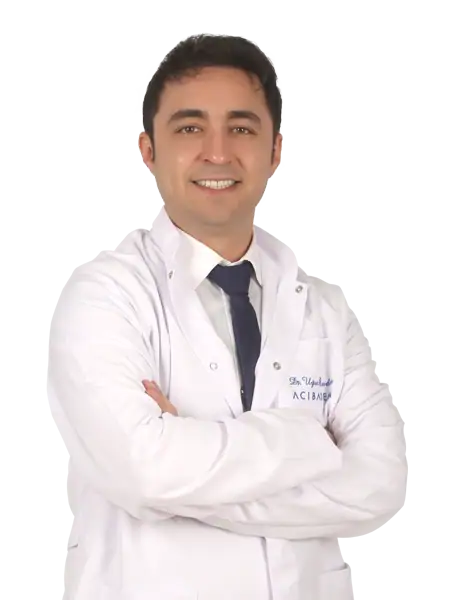
Dr. Uğur Önder
Oral & Dental Health
Dr. Zeynep Ekin Kılınç
Oral & Dental Health
Dr. Çağla Su Doğangün Ayduk
Oral & Dental HealthMedical Units
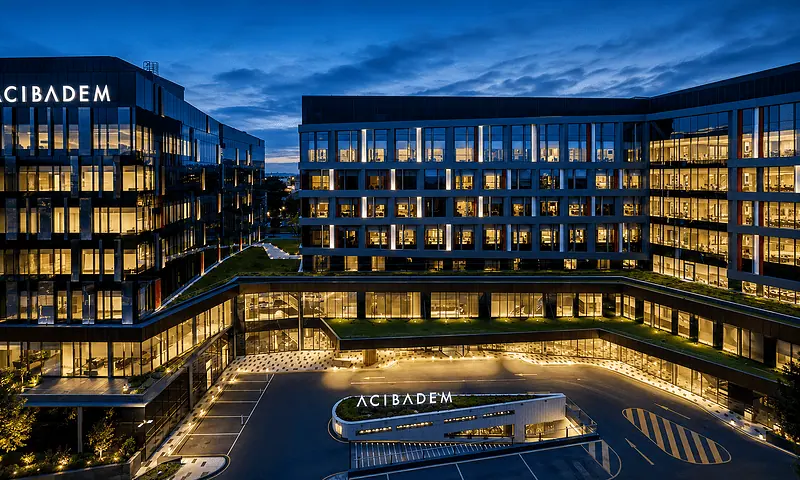
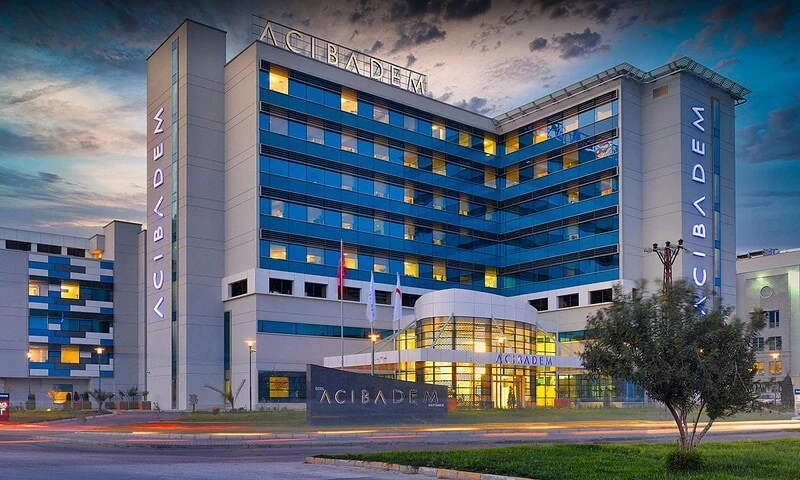
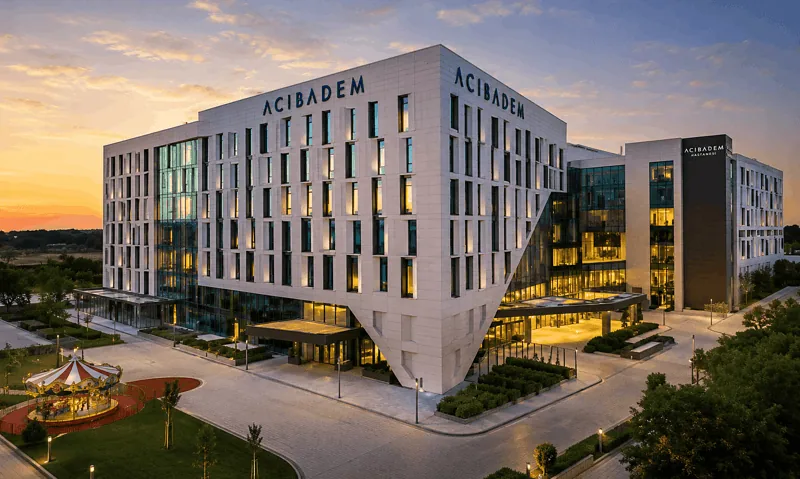
Available at These Hospitals









Frequently Asked Questions
What affects the cost of gingival aesthetics?
The final cost depends on the size of the treatment area, the technique used, specialist involvement, imaging needs, anesthesia or sedation requirements, and whether other cosmetic or restorative dental treatments are included. A personalised assessment is needed before a reliable quote can be prepared.
How can I get a personalised quote from Acibadem?
You can request a free consultation by sharing smile photos, dental records if available, and your main concerns. The clinical team can review your case and advise whether an in-person examination or additional imaging is needed before confirming a treatment plan and quote.
Is gingival aesthetics usually included in a package?
For international patients, a package may include consultation, dental imaging, treatment planning, the gum procedure, follow-up, translation support, and patient coordination. The exact inclusions should be confirmed in writing because every treatment plan is individual.
Will I need other dental treatments as well?
Some patients need only gum reshaping, while others may benefit from cleaning, periodontal therapy, orthodontics, veneers, crowns, or whitening as part of a broader smile plan. Suitability is decided by a specialist after examining oral health and smile proportions.
Does insurance cover gingival aesthetics?
Purely cosmetic gum reshaping is often not covered by insurance, while treatment linked to periodontal health may be assessed differently by insurers. Patients should check their policy terms and request documentation from the clinic if needed.