Broken Heart: A Complete Medical Overview

Broken heart syndrome is a temporary weakening of the heart muscle often triggered by sudden emotional or physical stress. Its symptoms can look very similar to a heart attack, including chest pain and shortness of breath.
Key Takeaways
- Broken heart syndrome is a temporary weakening of the heart muscle often triggered by sudden emotional or physical stress.
- Its symptoms can look very similar to a heart attack, including chest pain and shortness of breath.
- Diagnosis usually requires urgent testing to rule out a heart attack and other serious causes.
- Many people recover well with medical care, rest, and follow-up.
- Stress management and treatment of underlying health conditions may help reduce future risk.
A broken heart can mean emotional distress after loss or stress, but it can also refer to a real heart condition called takotsubo syndrome. This condition can mimic a heart attack, so sudden chest pain or shortness of breath should always be assessed by a doctor promptly.
What does “broken heart” mean medically?
The phrase broken heart is often used to describe deep sadness after grief, shock, or disappointment. In medicine, however, it can also refer to broken heart syndrome, also called takotsubo syndrome or stress cardiomyopathy. This is a real heart condition in which part of the heart muscle suddenly becomes weak, usually after intense emotional or physical stress.
Broken heart syndrome can cause chest pain, breathlessness, and changes on heart tests that closely resemble a heart attack. Even though it is often temporary, it should never be assumed to be harmless at home. Emergency evaluation is important because only testing can distinguish it from a heart attack or another serious cardiac problem.
Unlike a classic heart attack, broken heart syndrome is not usually caused by a completely blocked coronary artery. Instead, stress-related surges in hormones and changes in heart function appear to play a major role. Many patients improve over days to weeks, but some develop complications and need close monitoring and treatment.
How broken heart syndrome affects the body
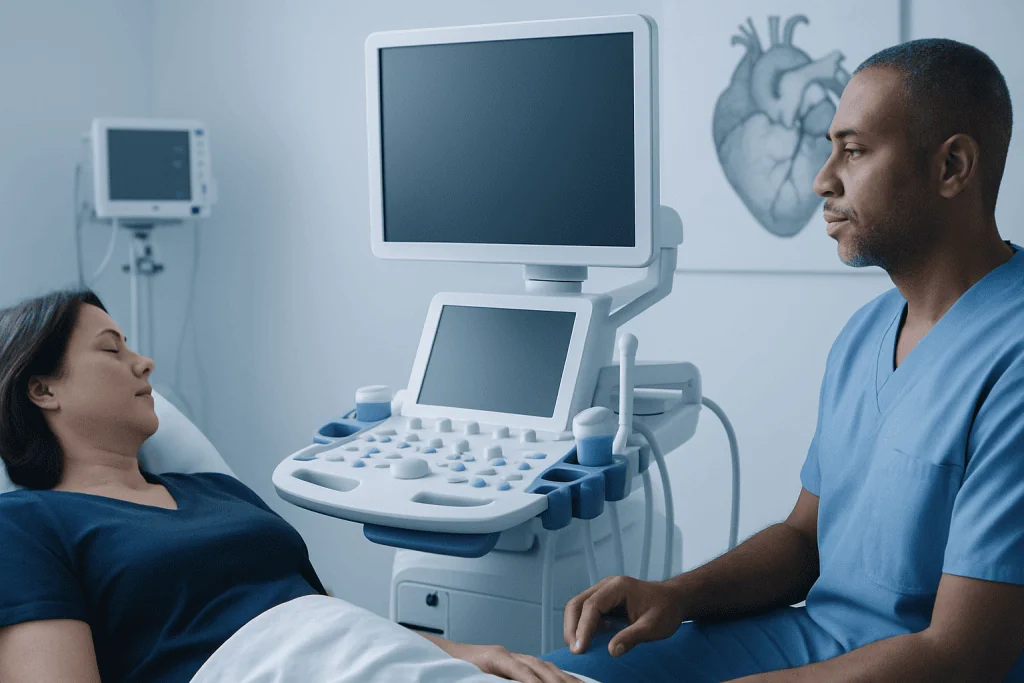
In broken heart syndrome, the heart’s main pumping chamber, the left ventricle, changes shape and does not contract normally for a period of time. Doctors believe a sudden stress response may temporarily affect heart muscle cells, blood flow in the small vessels of the heart, or both. This can reduce the heart’s pumping strength and trigger symptoms similar to a heart attack.
The condition may follow events such as bereavement, a frightening experience, an accident, surgery, severe pain, or a major illness. Positive emotional surprises have also been reported as triggers in some people. Not everyone who experiences stress develops this syndrome, which suggests that age, hormones, underlying health, and individual susceptibility also matter.
Although the term sounds emotional, the condition is primarily physical and should be treated seriously. It belongs within the spectrum of heart conditions that may require hospital care, heart monitoring, and imaging such as cardiac MRI or echocardiography to assess how well the heart is working.
Symptoms and warning signs

The most common symptoms of broken heart syndrome are sudden chest pain and shortness of breath. Some people also notice a racing heartbeat, faintness, unusual fatigue, nausea, or sweating. These symptoms often begin soon after an emotionally or physically stressful event, but not always.
Because the symptoms can be almost identical to a heart attack, they should not be self-diagnosed. A person may have changes on an electrocardiogram, elevated blood markers, or a feeling of pressure or tightness in the chest. In older adults and people with other medical conditions, symptoms may be less typical and can include weakness, confusion, or sudden decline in exercise tolerance.
Possible symptoms include:
- Chest pain or pressure
- Shortness of breath
- Palpitations or rapid heartbeat
- Dizziness or fainting
- Extreme tiredness
- Nausea or sweating
If symptoms are severe, especially chest pain or breathing difficulty, emergency care is needed. It is safer to assume a heart attack until a clinician confirms the cause.
Causes, triggers, and risk factors
The exact cause of broken heart syndrome is still being studied, but it is strongly linked to sudden surges of stress hormones such as adrenaline. These changes may temporarily affect heart muscle contraction or the tiny blood vessels that supply the heart. The result is a temporary but sometimes significant weakening of the heart’s pumping action.
Common emotional triggers include grief after the death of a loved one, relationship loss, intense fear, bad news, financial stress, or major conflict. Physical triggers may include infection, asthma flare, surgery, stroke, seizures, severe pain, or another acute illness. In some people, no clear trigger is found.
Risk appears to be higher in older adults, especially postmenopausal women, though the condition can occur in men and younger people as well. A history of anxiety, depression, neurological illness, or major medical stressors may increase susceptibility. People with chest pain may also need evaluation for other conditions such as coronary artery disease or heart attack, because these can present in a similar way and may require different treatment.
How doctors diagnose a broken heart
Diagnosis begins with urgent assessment, because the first priority is to rule out a heart attack and other emergencies. Doctors typically ask about the timing of symptoms, recent stressors, past medical history, and medications. A physical examination is followed by heart tests to look for signs of injury, rhythm problems, or reduced pumping function.
Common tests include an electrocardiogram, blood tests for cardiac enzymes, chest imaging, and an echocardiogram. In many cases, doctors also perform coronary angiography or CT-based imaging to check whether the heart’s arteries are blocked. This helps distinguish broken heart syndrome from a classic heart attack caused by a blocked artery.
Additional evaluation may include echocardiography to assess movement of the heart walls and coronary angiography when a blocked artery must be excluded. Sometimes the pattern of heart muscle weakness and recovery over time supports the diagnosis. Follow-up imaging is often important to confirm that heart function improves as expected.
Treatment and recovery
Treatment depends on symptoms, severity, and whether complications are present. Many patients are admitted to hospital at least initially, because the condition can resemble a heart attack and may cause abnormal heart rhythms, low blood pressure, or fluid buildup in the lungs. Supportive care is the main approach while the heart recovers.
Doctors may prescribe medicines to help the heart pump more effectively, lower blood pressure, reduce strain on the heart, or control fluid retention. The exact treatment varies from person to person and may change as test results become clearer. If another condition triggered the episode, that condition also needs treatment.
Recovery is often good, and many people regain normal or near-normal heart function within weeks to a few months. Even so, follow-up matters because some patients can have ongoing fatigue, repeated symptoms, or recurrence. A cardiologist may recommend gradual return to activity, repeat imaging, and careful management of other cardiovascular risks such as high blood pressure, diabetes, or smoking.
Near the end of care planning, some patients benefit from a broader review of heart health, stress exposure, sleep, and mental wellbeing. Acibadem International’s multidisciplinary specialists and JCI-accredited hospitals diagnose and treat heart conditions for international patients, with coordinated follow-up when needed.
Self-care, emotional recovery, and prevention
There is no guaranteed way to prevent broken heart syndrome, but reducing overall stress load and treating underlying health problems may help. Sleep, regular movement, balanced nutrition, and avoidance of tobacco support both heart health and resilience during stressful periods. Limiting alcohol and following medical advice for blood pressure, cholesterol, and blood sugar are also important.
Emotional recovery deserves attention as well. Grief, anxiety, and trauma can affect the body in powerful ways, and support from family, counseling, or structured stress-management strategies may be useful. Breathing exercises, mindfulness practices, social connection, and realistic pacing during recovery can all help reduce strain.
People who have had broken heart syndrome should attend follow-up visits even if they feel better. They should ask when it is safe to return to work, exercise, and travel. Any return of chest discomfort, palpitations, fainting, or breathlessness should be reported promptly, since recurrence is possible and other heart problems can still occur.
When to seek medical care
Immediate medical care is needed for sudden chest pain, shortness of breath, fainting, severe palpitations, or new confusion. These symptoms may be caused by broken heart syndrome, but they can also signal a heart attack, serious rhythm problem, or another emergency. Calling emergency services is safer than waiting to see if symptoms pass.
Medical review is also important after a major emotional or physical stressor if a person develops unusual fatigue, reduced exercise tolerance, swelling, or persistent chest discomfort. People with known heart disease, older adults, and those with multiple medical conditions should be especially cautious.
After diagnosis, follow-up care helps make sure the heart is recovering and complications are not missed. A doctor should also be consulted if symptoms of grief, anxiety, or depression are becoming hard to manage, since emotional support is an important part of overall recovery.
Frequently asked questions
Is a broken heart a real medical condition?
Yes. While the phrase often describes emotional pain, it can also refer to broken heart syndrome, also called takotsubo syndrome. This is a real, temporary weakening of the heart muscle that needs medical evaluation.
Can broken heart syndrome feel like a heart attack?
Yes, and that is one of the most important reasons to seek urgent care. Chest pain, shortness of breath, sweating, and abnormal heart tests can look very similar to a heart attack. Only medical assessment can tell the difference safely.
What usually triggers broken heart syndrome?
It often follows sudden emotional stress such as grief, fear, or shocking news. It can also happen after physical stress like surgery, infection, severe pain, or another acute illness. In some cases, no clear trigger is identified.
Who is most likely to develop broken heart syndrome?
It is more commonly diagnosed in older adults, especially postmenopausal women. However, it can occur in men and younger people too. Individual stress response, hormone changes, and other health conditions may influence risk.
Does broken heart syndrome go away?
In many cases, heart function improves significantly within days to weeks and often returns to normal over time. Even so, recovery should be monitored by a doctor because complications can occur. Follow-up imaging is often used to confirm improvement.
Can stress alone really affect the heart?
Yes. Intense stress can influence heart rate, blood pressure, stress hormone levels, and blood vessel function. In susceptible people, these changes may contribute to broken heart syndrome or worsen other heart conditions.
References
- American Heart Association
- National Heart, Lung, and Blood Institute
- Mayo Clinic
- European Society of Cardiology
- British Heart Foundation
This article is for general information only and is not a substitute for professional medical advice. Please consult a qualified doctor about your individual situation.
Heart care in Turkey — expert evaluation and treatment
JCI-accredited · board-certified surgeons · reply within 24h
Add us as a Preferred Source to see more of our trusted health content across Google Search, AI Overviews and Discover.

More from the Health Library

Newborn Lip Blister: An Evidence-Based Guide for Patients
Milk Thistle Tea: An Evidence-Based Guide for Patients

Lime Powder — Explained by Medical Evidence, Not Myths

Life Expectancy After Mini Stroke: What Patients Need to Know

Eczema on Lips — Explained by Medical Evidence, Not Myths

Mint Water Benefits — Explained by Medical Evidence, Not Myths
Cardiology Specialists at Acibadem
Prof. Dr. Ahmet Tulga Ulus
Cardiovascular Surgery
Prof. Dr. Ahmet Ümit Güllü
Cardiovascular Surgery
Prof. Dr. Aleks Değirmencioğlu
Cardiology
Prof. Dr. Ali Aydınlar
Cardiology