

Wisdom Teeth
Wisdom teeth treatment usually involves monitoring or removing third molars that are impacted, painful, infected, or crowding other teeth. Evaluation includes dental examination and imaging to plan safe extraction.
Quick answer
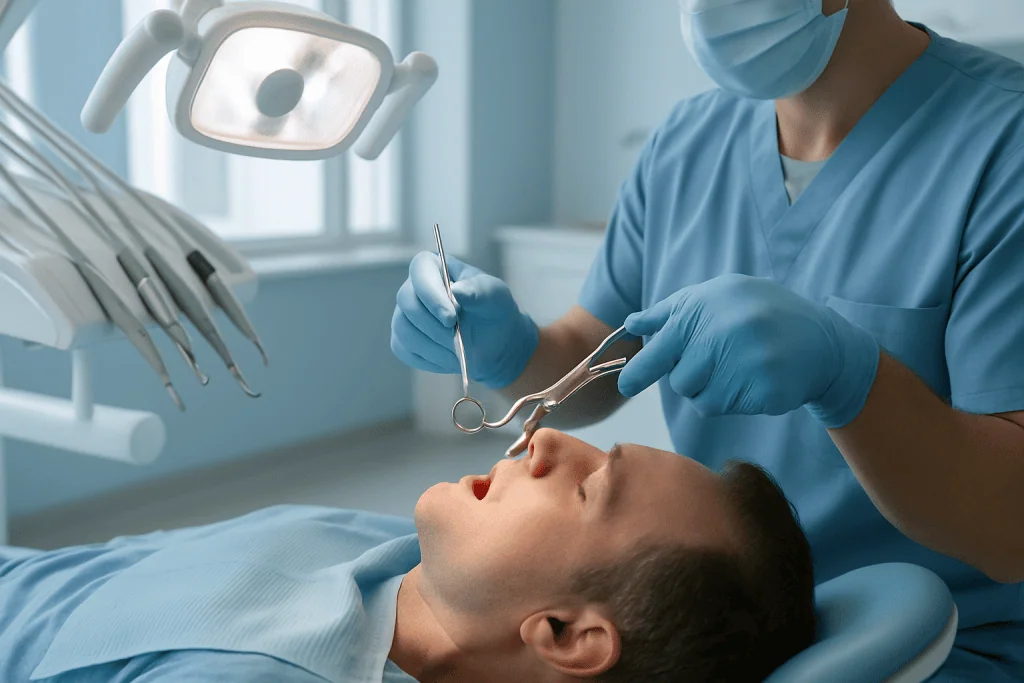
Wisdom teeth treatment involves assessing the third molars and, when needed, removing them if they are impacted, painful, infected, or affecting nearby teeth. At Acibadem in Turkey, oral and maxillofacial specialists evaluate wisdom teeth with dental examination and imaging, then plan monitoring or extraction under appropriate anesthesia.
When Wisdom Teeth Become a Health Decision
Wisdom teeth can feel like a small dental issue until they begin to cause pain, swelling, infection, or pressure on other teeth. For many people, these third molars emerge in late adolescence or early adulthood, often at a time when the jaw no longer has enough space to accommodate them comfortably. Some wisdom teeth come through normally and need only routine monitoring. Others remain trapped under the gum or bone, grow at an angle, or partially erupt, creating areas that are difficult to clean and prone to repeated inflammation.
If you are researching wisdom teeth treatment from abroad, you may be trying to understand whether removal is truly necessary, how complex the procedure might be, whether it can be done safely, and what recovery will feel like. These are reasonable concerns. Wisdom tooth extraction is one of the most common oral surgical procedures, but the right approach depends on careful diagnosis, the position of the tooth, its relationship to nearby nerves and sinuses, your general health, and your symptoms.
Treatment matters because impacted or infected wisdom teeth can affect more than the tooth itself. They may contribute to gum disease around the second molars, cavities in hard-to-reach areas, jaw discomfort, cyst formation, or recurrent infections that interfere with eating, sleep, work, and travel. A well-planned evaluation helps determine whether observation, preventive care, or extraction is the safest and most appropriate path.
At Acibadem, wisdom teeth care is approached as a planned clinical decision rather than a routine appointment. Dental and oral surgery teams evaluate symptoms, imaging findings, medical history, and patient expectations before recommending treatment. For international patients, this planning is especially important because it helps align treatment timing, recovery, follow-up, and travel with the individual’s needs.
What Wisdom Teeth Treatment Is
Wisdom teeth treatment refers to the assessment, monitoring, and, when necessary, removal of the third molars. These teeth are located at the very back of the mouth, one in each corner. They typically develop after the other permanent teeth and may erupt fully, partially erupt, or remain impacted beneath the gum or within the jawbone.
Not every wisdom tooth must be removed. If a wisdom tooth is fully erupted, healthy, easy to clean, correctly positioned, and not affecting nearby teeth, it may simply be monitored during routine dental visits. However, when a wisdom tooth is painful, infected, decayed, damaging adjacent teeth, associated with gum disease, or likely to cause future problems, extraction may be recommended.
Wisdom tooth removal may be simple or surgical. A simple extraction is generally possible when the tooth is visible in the mouth and can be removed without extensive manipulation. A surgical extraction may be required when the tooth is impacted, covered by gum tissue, partly enclosed in bone, angled toward the neighboring tooth, or located close to important anatomical structures such as the inferior alveolar nerve in the lower jaw or the maxillary sinus in the upper jaw.
The goal of treatment is to relieve symptoms, reduce the risk of recurrent infection or damage, preserve the health of adjacent teeth and gums, and perform the procedure with careful attention to comfort and safety. Depending on the complexity, treatment may involve local anesthesia, sedation options, or, in selected cases, a hospital-based setting for patients with complex medical histories or multiple procedures planned at the same time.
Who May Need Wisdom Teeth Evaluation or Removal
People seek wisdom teeth treatment for different reasons. Some have sudden pain and swelling. Others are referred after a routine dental X-ray shows impaction. Some patients have repeated episodes of gum inflammation around a partially erupted tooth. International patients may also seek evaluation before orthodontic treatment, jaw surgery, long-term travel, or a major life event when they want to avoid unexpected dental emergencies.
Typical symptoms that may suggest a wisdom tooth problem include pain at the back of the mouth, swelling of the gum or jaw, difficulty opening the mouth fully, bad taste or odor caused by infection, bleeding or tender gums, pain when chewing, headaches or jaw discomfort, and recurring inflammation around the tooth. In some cases, symptoms come and go. This pattern is common with partially erupted wisdom teeth, where a flap of gum tissue traps food and bacteria.
Diagnosis begins with a dental and oral examination. The clinician checks the position of the wisdom teeth, signs of infection, gum health, jaw opening, bite relationships, and whether nearby teeth are affected. Imaging is an essential part of planning. Panoramic dental X-rays are commonly used to view all wisdom teeth, roots, surrounding bone, and adjacent structures. When the anatomy is more complex, three-dimensional imaging may be used to assess the tooth’s relationship to nerves, sinuses, or other important structures.
Patients who may need wisdom teeth removal include those with acute or recurrent infection, impacted teeth causing pain or pressure, cavities in wisdom teeth that cannot be predictably restored, decay or root damage on adjacent second molars, cysts or other pathology around the tooth, gum disease in the area, difficulty cleaning the tooth, or orthodontic and oral surgery plans that require additional space or reduce future risk. In younger patients, removal may sometimes be considered before roots are fully developed if imaging suggests a high likelihood of future impaction or disease. In adults, the decision is individualized, because root development, bone density, medical conditions, and recovery considerations can affect planning.
A careful evaluation is especially valuable for patients who have medical conditions such as diabetes, bleeding disorders, heart valve disease, immune system concerns, or those who take blood thinners, osteoporosis medications, or other medications that may influence healing. These factors do not always prevent extraction, but they do require coordinated planning and clear instructions before and after treatment.
Conditions and Indications Addressed by Wisdom Teeth Treatment
Wisdom teeth treatment addresses a range of dental and oral health problems. The most common indication is impaction, which occurs when the tooth cannot erupt normally because of limited space, an abnormal angle, or obstruction by bone, gum tissue, or another tooth. Impacted wisdom teeth may be painless for years, but they can also contribute to infection, periodontal problems, or damage to the second molars.
Partial eruption is another common reason for treatment. When only part of the wisdom tooth emerges, bacteria can collect under the gum tissue. This may lead to pericoronitis, a painful inflammation or infection around the crown of the tooth. Symptoms can include swelling, bad taste, difficulty chewing, and sometimes fever or limited mouth opening. Antibiotics may help control a significant infection temporarily, but recurrent episodes often require removal of the source.
Wisdom teeth can also develop cavities. Because they are located far back in the mouth, cleaning them properly can be difficult, even for patients with good oral hygiene. Cavities in wisdom teeth may be challenging to restore successfully, particularly when the tooth is partially erupted or poorly positioned. In addition, decay can develop on the back surface of the second molar when a wisdom tooth presses against it or creates a food trap.
Other indications include gum disease behind the second molar, cysts or benign lesions associated with the tooth follicle, orthodontic concerns, preparation for prosthetic or restorative dental work, and persistent jaw discomfort when other causes have been excluded. Treatment decisions are based on the overall clinical picture rather than imaging alone. A wisdom tooth that looks unusual on an X-ray may still be monitored if it is stable and low risk, while a tooth that appears less dramatic may require removal if it is repeatedly infected or damaging nearby structures.
How Wisdom Teeth Treatment Is Performed
Preparation and Treatment Planning
Preparation begins with a consultation. Your dentist or oral and maxillofacial surgeon reviews your symptoms, dental history, general medical history, current medications, allergies, previous anesthesia experiences, and any relevant medical conditions. If you are traveling internationally, this review may also include practical questions about travel dates, planned length of stay, and whether you need treatment for one tooth or multiple teeth.
Imaging helps define the safest approach. A panoramic X-ray is often sufficient for straightforward cases. When the wisdom tooth is close to the nerve canal in the lower jaw, has unusual root shape, is deeply impacted, or is near the sinus in the upper jaw, three-dimensional imaging may be recommended. This allows the clinician to examine the tooth from multiple angles and plan the incision, bone removal, sectioning of the tooth, and path of removal more precisely.
Before the procedure, you receive instructions based on the type of anesthesia or sedation planned. For local anesthesia alone, eating instructions may be different than for sedation or general anesthesia. If sedation is used, fasting may be required and you will need an escort after the procedure. Medication adjustments may be necessary for some patients, but these should only be made under medical supervision. Patients who smoke are usually advised to stop before and after extraction because smoking increases the risk of delayed healing and dry socket.
The Procedure Itself
On the day of treatment, the clinical team confirms the treatment plan, reviews consent, verifies the tooth or teeth to be treated, and answers final questions. Local anesthesia is used to numb the area. Many patients remain awake and comfortable with local anesthesia, feeling pressure but not sharp pain. For anxious patients, complex surgical extractions, or multiple wisdom teeth, sedation options may be considered according to medical suitability and facility protocols.
If the tooth is fully erupted, the clinician loosens it gently and removes it using dental instruments designed to widen the socket and deliver the tooth with controlled force. If the tooth is impacted, the surgeon may make a small incision in the gum to access it. In some cases, a limited amount of bone is removed to expose the tooth. The tooth may be divided into sections so it can be removed through a smaller opening with less pressure on the surrounding structures. The area is then cleaned, and stitches may be placed if needed. Some stitches dissolve on their own; others may require removal at a follow-up visit.
The duration varies with the number of teeth, their position, root shape, bone density, and the complexity of impaction. A single straightforward extraction may be relatively brief, while multiple impacted wisdom teeth can take longer. Most procedures are performed as outpatient care, meaning patients return to their accommodation or home the same day after appropriate observation.
Technology Used to Support Safety and Precision
Modern wisdom teeth treatment relies on accurate imaging, careful surgical planning, and appropriate anesthesia monitoring. Digital dental imaging helps clinicians assess tooth position, root development, bone levels, and the health of adjacent teeth. Three-dimensional imaging can be particularly useful when the roots are close to the lower jaw nerve or when an upper wisdom tooth is near the sinus. This information helps the clinician choose an approach that reduces unnecessary tissue trauma and supports a more predictable recovery.
During the procedure, surgical instruments and techniques are selected according to the anatomy. Tooth sectioning, controlled bone removal, irrigation, and soft-tissue handling all aim to remove the tooth while protecting surrounding structures. When sedation is used, monitoring equipment tracks vital signs throughout the procedure. In hospital-based settings, additional medical support can be available for patients with complex health needs.
Recovery Process
Recovery begins immediately after the tooth is removed. A blood clot forms in the socket, and this clot is essential for healing. You will usually bite gently on gauze for a period of time to control bleeding. Mild oozing during the first day can be normal. Swelling often develops over the first 24 to 48 hours and then gradually improves. Discomfort is usually managed with prescribed or recommended pain medication, cold compresses in the early phase, and careful adherence to aftercare instructions.
Patients are generally advised to rest on the day of the procedure, avoid strenuous activity for a short period, eat soft foods, drink fluids, and avoid using a straw because suction can disturb the clot. Gentle oral hygiene is important, but brushing directly over the surgical site should be avoided initially. Your clinician may recommend warm salt-water rinses after the first day, depending on the case. If antibiotics are prescribed, they should be taken exactly as directed.
Most people return to light daily activities within a few days, depending on the complexity of extraction and their personal healing response. More demanding work, exercise, long flights, or important events should be scheduled with recovery in mind. International patients are typically advised to allow enough time for early healing and, when appropriate, a follow-up check before traveling long distances.
Why Acting Early Matters
Wisdom teeth problems often develop gradually. A tooth may be partially erupted and only mildly uncomfortable at first, then become repeatedly infected. A wisdom tooth pressing against the second molar may silently create decay or periodontal bone loss before significant pain occurs. By the time symptoms become severe, treatment may be more urgent, more uncomfortable, and more complicated.
Early evaluation does not always mean early extraction. It means having enough information to make a safe decision. If monitoring is appropriate, your clinician can recommend how often to review the tooth and what symptoms should prompt reassessment. If removal is recommended, planning it before a severe infection develops may reduce the likelihood of emergency treatment, intense swelling, limited mouth opening, and disruption to work or travel.
Delaying necessary treatment can increase the risk of recurrent pericoronitis, abscess formation, spread of infection to nearby tissues, cavities in the wisdom tooth or second molar, gum disease behind the second molar, cyst development, and more complex surgery later. In some adults, roots may become fully formed and bone may become denser over time, which can make extraction more technically demanding. This does not mean adults cannot be treated safely; rather, it reinforces the importance of individualized assessment and careful planning.
Benefits of Wisdom Teeth Treatment
When wisdom teeth are causing disease or are likely to create significant problems, timely treatment can protect oral health and reduce future complications.
| Benefit | What It Means for You |
|---|---|
| Relief from pain and inflammation | Removing the source of pressure, infection, or gum irritation can help resolve recurrent discomfort at the back of the mouth. |
| Reduced risk of repeated infection | Extraction can prevent recurring episodes of pericoronitis or abscess when a partially erupted tooth repeatedly traps bacteria. |
| Protection of neighboring teeth | Treatment may help prevent decay, root damage, or gum problems affecting the second molars next to impacted wisdom teeth. |
| Improved ability to clean the area | Removing a poorly positioned tooth can eliminate hard-to-reach spaces where food and bacteria collect. |
| Better planning for orthodontic or restorative care | Addressing wisdom teeth may support broader dental treatment plans when third molars interfere with stability, hygiene, or access. |
| Lower chance of urgent dental problems during travel | For international patients, planned treatment can reduce the likelihood of an unexpected wisdom tooth emergency away from home. |
Recovery Timeline After Wisdom Tooth Removal
Recovery varies from person to person, but most patients follow a general pattern of early swelling, gradual comfort improvement, and continued tissue healing over several weeks.
| Time Period | What Patients Can Expect |
|---|---|
| Day 1 | Numbness wears off over several hours. Mild bleeding or oozing can occur. Rest, soft foods, cold compresses, and careful biting on gauze may be recommended. |
| First Week | Swelling and bruising may peak early and then improve. Discomfort usually becomes easier to manage. Patients should avoid strenuous activity, smoking, straws, and disturbing the socket. |
| First Month | Gum tissue continues to close and tenderness decreases. Most daily routines are usually resumed, although deeper sockets may still feel like they are filling in gradually. |
| Longer Term | Bone remodeling continues beneath the gum. The area typically becomes easier to clean, and the risk related to the removed wisdom tooth is eliminated. |
Factors That Influence Outcomes
A good result after wisdom tooth treatment depends on several clinical and personal factors. Tooth position is one of the most important. A fully erupted tooth with simple roots is usually easier to remove than a deeply impacted tooth angled toward the second molar. Root shape and root proximity to the lower jaw nerve can influence both surgical planning and the risk profile. Upper wisdom teeth may require attention to their relationship with the sinus.
Age and stage of root development may also affect treatment. In many younger patients, bone can be more flexible and roots may be less complex. In adults, fully developed roots and denser bone can make removal more involved, though experienced oral surgery teams manage adult wisdom teeth regularly. The presence of active infection may influence timing; sometimes an infection must be controlled before definitive treatment, while in other cases removal is part of resolving the problem.
General health matters. Diabetes control, immune status, bleeding risk, medication use, smoking, and nutritional status can all influence healing. Patients taking anticoagulants, antiplatelet medications, certain osteoporosis drugs, or immunosuppressive therapies need individualized planning. Clear communication about your health history is essential, even if the information seems unrelated to dental care.
Technique and planning are also central. Accurate imaging, careful handling of soft tissue and bone, appropriate anesthesia, and clear postoperative instructions all contribute to recovery. For impacted teeth, the ability to section the tooth and remove it in a controlled way may reduce pressure on the jaw and adjacent structures. When a tooth is very close to the nerve, the surgeon may discuss specific risks such as temporary or, rarely, longer-lasting altered sensation in the lip, chin, or tongue. In selected high-risk situations, alternative approaches may be considered, depending on the case.
Patient aftercare is a major factor. Protecting the blood clot, avoiding smoking, following diet instructions, maintaining gentle oral hygiene, taking medications as prescribed, and attending follow-up when recommended can reduce the risk of complications. One of the better-known complications is dry socket, a painful condition that occurs when the clot is lost or does not develop properly. It is treatable, but prevention through careful aftercare is important.
Why International Patients Choose Acibadem for Wisdom Teeth Treatment
For patients considering dental or oral surgery abroad, the decision is rarely about the procedure alone. It is about clinical confidence, communication, coordination, and knowing that the care team understands the needs of someone traveling for treatment. Acibadem combines dental and oral surgery expertise with the broader infrastructure of a major healthcare group, which can be especially valuable for patients with complex medical histories or those who prefer treatment in a hospital-based environment.
Acibadem hospitals are JCI-accredited, reflecting structured quality and patient safety processes across the organization. Wisdom teeth care is provided with attention to evidence-based protocols, appropriate imaging, infection control, anesthesia safety, and individualized treatment planning. When a patient’s case involves additional medical considerations, coordination with relevant specialists can be arranged. This multidisciplinary capability is important for patients who have heart conditions, bleeding risks, diabetes, immune concerns, or medication-related healing considerations.
Experienced dentists and oral and maxillofacial surgeons assess whether a wisdom tooth should be monitored or removed, rather than assuming extraction is always required. Treatment plans are personalized according to symptoms, imaging findings, anatomy, medical history, and the patient’s travel schedule. For some patients, this means removing one problematic tooth. For others, it may mean treating multiple wisdom teeth in a single planned session, or addressing infection first and scheduling definitive care when safer.
Advanced diagnostic pathways support safer decision-making. Digital imaging and, when needed, three-dimensional assessment help clarify the relationship between the wisdom tooth and nearby structures. This is particularly important when lower wisdom tooth roots appear close to the nerve canal or when upper wisdom teeth are near the sinus. Technology does not replace clinical judgment; it strengthens planning and helps the clinician explain risks and options more clearly.
International patient services at Acibadem support patients before, during, and after their visit. Assistance may include appointment coordination, medical record transfer, interpretation in multiple languages, travel-related guidance, and communication with clinical teams. For a patient traveling from the United States or another country, this coordination can reduce uncertainty and help ensure that consultation, imaging, treatment, recovery time, and follow-up are arranged realistically.
Patients also benefit from the wider resources of an integrated healthcare setting. If sedation is planned, if medical clearance is needed, or if a patient requires additional evaluation before oral surgery, the necessary expertise can often be coordinated within the same healthcare network. This is particularly helpful for patients who want a second opinion or who have been told their wisdom tooth is close to a nerve, deeply impacted, or otherwise complex.
The aim is not to make treatment feel larger than it is, but to make it appropriately planned. Wisdom tooth removal is common, yet it should still be performed with respect for anatomy, patient comfort, and safe recovery. For international patients, that level of organization can make the difference between a stressful dental emergency and a controlled treatment experience.
Moving Forward with Confidence
If you have wisdom tooth pain, swelling, repeated infections, or an X-ray showing impacted third molars, a professional evaluation can help clarify your options. You may not need extraction immediately, but you do need a clear understanding of the tooth’s position, the risks of leaving it untreated, and the safest timing if removal is recommended.
Acibadem provides wisdom teeth evaluation and treatment with careful diagnostic planning, experienced clinicians, modern imaging, and coordinated support for international patients. Whether you are seeking treatment, a second opinion, or guidance before traveling, the next step is to share your dental images, symptoms, and medical history so the care team can recommend an appropriate plan.
This information is general and is not a substitute for professional medical advice, diagnosis, or treatment. Please consult a qualified dental or medical professional for recommendations based on your individual condition.
Preparation
- A dentist or oral and maxillofacial surgeon examines the mouth and reviews panoramic X-rays or other imaging. Patients should share medical history, medications, allergies, and any bleeding disorders. If sedation or general anesthesia is planned, fasting and escort instructions may be given.
Aftercare
- Bite gently on gauze, use prescribed pain relief, and apply cold compresses as advised. Avoid smoking, straws, hard foods, and vigorous rinsing for the first days to reduce the risk of dry socket. Follow-up may be recommended if swelling, fever, worsening pain, or bleeding occurs.
Turkey vs UK, Germany & USA
Wisdom teeth care may involve monitoring, planned extraction, or urgent treatment when pain, infection, impaction, or crowding is present. Costs and patient experience vary according to imaging needs, case complexity, anaesthesia, hospital standards, and travel logistics.
This comparison highlights common factors that influence the overall cost and experience of wisdom teeth evaluation and removal for international patients.
| Factor | Turkey | UK | Germany | USA |
|---|---|---|---|---|
| Price drivers | Often package-based for international patients; cost depends on imaging, complexity, anaesthesia, and whether several teeth are treated in the same visit. | Costs vary between public and private pathways; private care may be influenced by clinic location, imaging, and specialist involvement. | Costs depend on insurance status, oral surgery setting, imaging, and anaesthesia requirements. | Costs can vary widely by provider, insurance coverage, surgical complexity, imaging, and anaesthesia. |
| Hospital and surgeon factors | Care may be provided by dentists, oral surgeons, or maxillofacial specialists in hospital-based settings. | Simple cases may be managed in dental clinics; complex impactions may require referral to oral surgery services. | Specialist dental and oral surgery practices are common, with hospital referral for more complex cases. | Care is often delivered by oral surgeons or dental specialists, with facility fees depending on setting. |
| Accreditation and quality | International patients may choose hospitals with global quality systems such as JCI accreditation and coordinated care pathways. | Regulated dental and hospital services, with quality standards depending on provider type and setting. | Regulated dental and hospital services with structured specialist referral pathways. | Regulated dental and surgical facilities; accreditation and quality systems vary by provider. |
| Typical waiting times | International scheduling can often be coordinated in advance, subject to specialist availability and imaging review. | Waiting times differ between public referral routes and private appointments. | Appointment timing depends on region, provider availability, and whether specialist referral is needed. | Timing depends on provider availability, insurance approvals, and urgency. |
| Travel and language logistics | International patient departments may assist with appointment planning, interpreters, transfers, and follow-up coordination. | Travel is usually simpler for local patients; international patients may need to arrange language and logistics independently. | International patients may need support with language, documentation, and local travel planning. | International patients may need to coordinate travel, insurance documents, and follow-up arrangements separately. |
| What a package typically includes | Packages may include consultation, dental examination, imaging review, procedure planning, extraction, standard medication guidance, and follow-up instructions. | Private packages may include consultation and procedure fees, while imaging, sedation, and follow-up may be billed separately. | Packages and billing structures vary; imaging, surgery, anaesthesia, and aftercare may be itemised. | Billing is commonly itemised, including consultation, imaging, surgeon fee, facility fee, anaesthesia, and aftercare where applicable. |
What affects your final cost
- Whether the tooth is erupted, partially erupted, or impacted.
- The position of the tooth in relation to nerves, sinus, and neighbouring teeth.
- The type of imaging needed, such as panoramic dental imaging or CBCT.
- The need for local anaesthesia, sedation, or hospital-based care.
- The extent of infection, swelling, cyst formation, or damage to nearby teeth.
- The specialist’s experience and the clinical setting.
- Whether additional dental treatment or follow-up care is required.
- Travel, accommodation, interpreter support, and transfer arrangements for international patients.
Compare your options
Wisdom teeth management is personalised after dental examination and imaging. Suitability for each option is decided by a dental specialist, oral surgeon, or maxillofacial specialist.
| Option | What it is | Typical use | Key considerations |
|---|---|---|---|
| Monitoring | Regular clinical checks and imaging when needed, without immediate removal. | Wisdom teeth that are not causing symptoms, infection, damage, or crowding risk. | Requires follow-up, as symptoms or dental changes may develop later. |
| Simple extraction | Removal of a fully erupted wisdom tooth using standard dental extraction techniques. | Teeth that are visible in the mouth and accessible without complex surgery. | Usually less complex than impacted tooth surgery, but planning still depends on root shape and surrounding anatomy. |
| Surgical extraction | Removal of an impacted or partially erupted wisdom tooth through a minor surgical approach. | Teeth trapped under gum or bone, angled teeth, recurrent infections, or teeth affecting neighbouring molars. | May require advanced imaging, sutures, and a longer recovery plan; nerve and sinus proximity are assessed carefully. |
| Infection control before extraction | Treatment of swelling, pain, or gum infection before definitive removal when appropriate. | Acute infection, limited mouth opening, or significant inflammation around the wisdom tooth. | Medication may help stabilise symptoms, but extraction may still be needed to prevent recurrence. |
| Removal with sedation or hospital support | Extraction performed with additional comfort measures or in a hospital-based environment. | Dental anxiety, complex impaction, medical considerations, or need for more controlled monitoring. | Requires anaesthesia assessment and may affect preparation, recovery, and total cost. |
Trusted care for international patients
General information only — not medical or financial advice. Final costs depend on the factors above and your individual case; request a free, personalised quote.
Doctors Performing This Treatment

Assoc. Prof. Dr. Ferit Bayram
Oral & Dental HealthDr. Ali Riza Özdurmuş
Oral & Dental Health
Dr. Arzu Morçiçek
Oral & Dental Health
Dr. Bedii Ender Topçu
Oral & Dental HealthDr. Begüm Öykü Kesim
Oral & Dental Health
Dr. Ceyda Sabancı
Oral & Dental HealthDr. Deniz Turgut
Oral & Dental Health
Dr. Destina Suay Sarı
Oral & Dental Health
Dr. Emre Çengelli
Oral Dental & Maxillofacial Surgery
Dr. Eylül Türsen
Oral & Dental HealthDr. Ezgi Gülüm
Oral Dental & Maxillofacial Surgery
Dr. Halime Bayram
Oral & Dental Health
Dr. Havva Gölalan
Oral & Dental Health
Dr. Helin Kuşsever Topçu
Oral & Dental Health
Dr. Melike Zeynep Çapoğlu
Oral & Dental Health
Dr. Merve Ağartıoğlu
Oral & Dental Health
Dr. Metin Kınacı
Oral & Dental Health
Dr. Mücahit Güner
Oral & Dental Health
Dr. Pelin Açık
Oral & Dental Health
Dr. Sebiha Nihal Yılmaz
Oral Dental & Maxillofacial SurgeryDr. Seda Saygılı Özaydın
Oral & Dental Health
Dr. Uğur Önder
Oral & Dental Health
Dr. Zeynep Ekin Kılınç
Oral & Dental Health
Dr. Çağla Su Doğangün Ayduk
Oral & Dental HealthMedical Units
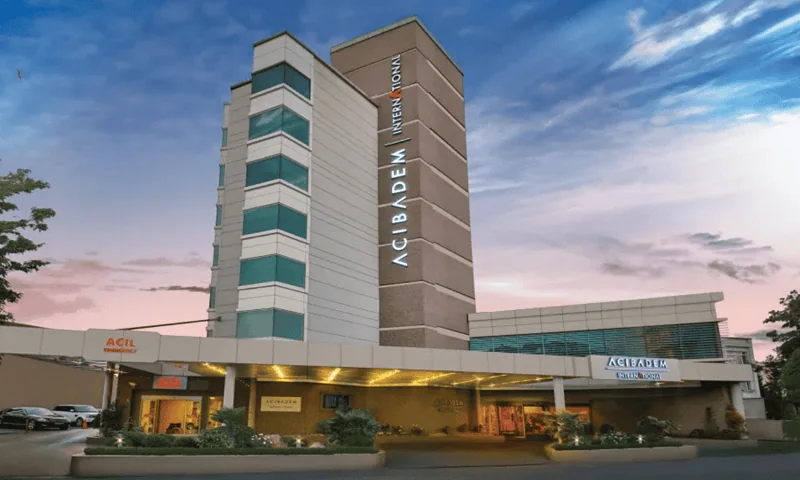
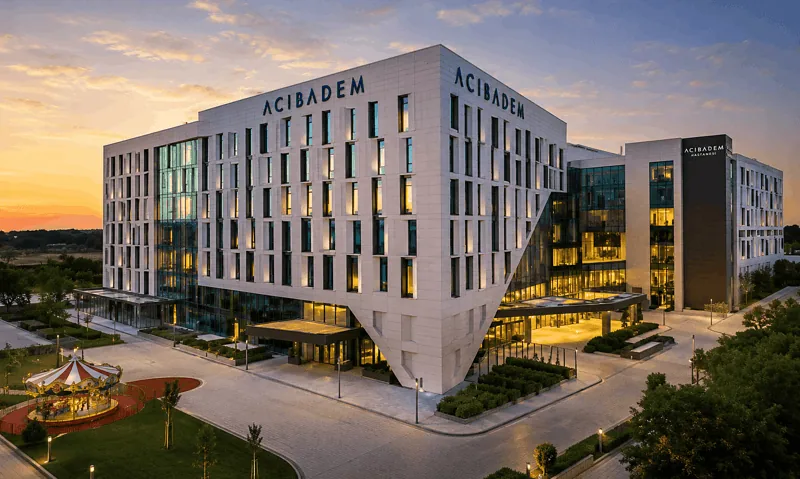
Available at These Hospitals









Frequently Asked Questions
What affects the cost of wisdom teeth removal?
The main factors are tooth position, impaction severity, imaging needs, infection status, anaesthesia or sedation choice, specialist involvement, and whether care is delivered in a clinic or hospital setting. Travel and support services may also affect the overall cost for international patients.
How can I get a personalised quote for wisdom teeth treatment in Turkey?
You can request a free consultation by sharing your symptoms, dental history, and any available dental imaging. A specialist team can review the case, advise whether monitoring or extraction is appropriate, and prepare a personalised estimate based on your treatment plan.
Is imaging always needed before wisdom tooth extraction?
A dental examination is always important, and imaging is commonly used to understand root shape, tooth angle, bone position, and the relationship to nerves or sinus areas. The specialist decides which imaging is necessary for safe planning.
Does the quote usually include sedation or anaesthesia?
This depends on the planned approach. Local anaesthesia may be part of routine extraction, while sedation or hospital-based anaesthesia may be quoted separately or included in a package. The care team should clarify exactly what is included before treatment.
Can international patients complete evaluation and treatment in one trip?
In many cases, consultation, imaging, and extraction can be coordinated within a planned visit, but this depends on infection, case complexity, and recovery needs. A pre-travel review helps confirm whether the schedule is realistic.
Is wisdom teeth removal always necessary?
No. Some wisdom teeth can be monitored if they are healthy, accessible for cleaning, and not causing damage or symptoms. Removal is usually considered when there is pain, infection, impaction, cyst risk, decay, gum problems, or harm to nearby teeth.