

Zirconium Crown
A zirconium crown is a durable, tooth-colored dental restoration used to improve tooth strength, shape, and appearance. It is commonly chosen for natural-looking smile restoration.
Quick answer
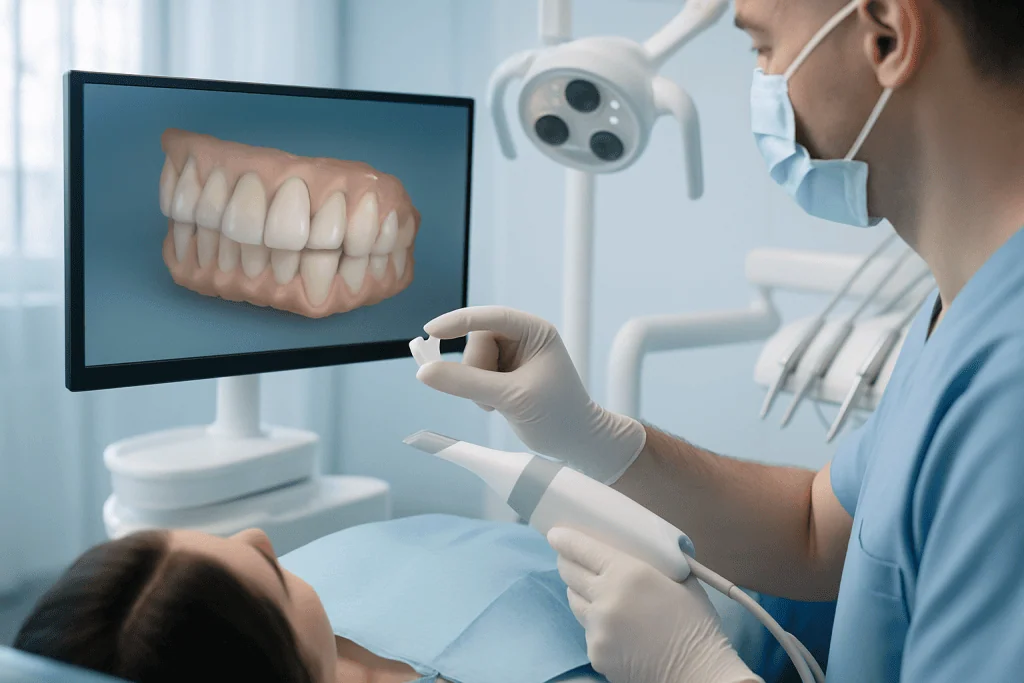
A zirconium crown is a tooth-colored dental cap used to restore a damaged or weakened tooth while improving its shape, strength, and appearance. At Acibadem in Turkey, zirconium crowns are planned after dental evaluation and imaging, then custom-made to fit the tooth and placed to provide a durable, natural-looking restoration.
Choosing a Zirconium Crown When Your Tooth Needs Strength and a Natural Appearance
When a tooth is weakened, cracked, heavily filled, discolored, worn down, or misshapen, the decision to place a dental crown is both functional and personal. Patients often want to know whether the tooth can be saved, whether the restoration will look natural, how long it will last, and whether the treatment will be comfortable. For international patients considering dental care abroad, there are additional questions: How many visits will be needed? Can the treatment be coordinated with travel? Will the dental team understand both the clinical and aesthetic expectations of patients from different countries?
A zirconium crown is one of the most commonly selected modern crown options for people who need strength, durability, and a tooth-colored result. It can help restore chewing function, protect a compromised tooth, and improve the visible appearance of the smile. Because the material is strong and can be crafted in shades that blend with surrounding teeth, zirconium crowns are used both in the front of the mouth, where aesthetics matter most, and in the back teeth, where biting forces are greater.
The need for a crown can also carry emotional weight. A damaged front tooth may affect how freely you smile or speak. A broken molar may make eating uncomfortable. A tooth that has had root canal treatment may feel fragile, even after the infection has been treated. In these situations, a carefully planned crown is not simply a cosmetic choice; it is a restorative treatment designed to help preserve the tooth and support normal oral function.
At Acibadem, zirconium crown treatment is planned with attention to both the dental diagnosis and the patient’s personal goals. The process may involve restorative dentists, prosthodontic expertise, endodontic evaluation, periodontal assessment, digital imaging, and dental laboratory collaboration. For patients traveling from abroad, the treatment plan is also coordinated around medical suitability, timing, language support, and follow-up needs.
What Is a Zirconium Crown?
A zirconium crown is a custom-made dental cap that covers the visible portion of a tooth. It is made from zirconia, a high-strength ceramic material known for its durability and tooth-colored appearance. Once placed, the crown restores the tooth’s shape, size, strength, and appearance. It is cemented onto the prepared tooth or, in some cases, attached to an implant abutment when replacing a missing tooth.
Zirconium crowns are part of the broader category of ceramic dental restorations. Unlike traditional metal-based crowns, they do not require a dark metal substructure. This can be especially helpful in the smile zone, where light reflection, gumline appearance, and natural translucency are important. Depending on the clinical situation, the dentist may recommend a full-contour zirconia crown for maximum strength, a layered zirconia crown for enhanced aesthetics, or a design that balances both.
The crown itself is not a generic covering. It is individually designed to match the bite, neighboring teeth, gum contour, and color characteristics of the smile. A well-designed crown should allow you to bite and chew comfortably, speak normally, and maintain daily oral hygiene. It should also look proportionate in relation to your facial features, lip line, and the rest of your teeth.
Zirconium crowns may be used on natural teeth or dental implants. When placed on a natural tooth, the dentist first reshapes the tooth to create space for the crown and remove damaged or weakened structure. When used as part of implant treatment, the crown is connected to the implant through an abutment after the implant has integrated with the jawbone. The planning differs, but the goal remains the same: a stable, functional, natural-looking restoration.
It is important to understand that a crown does not make a tooth immune to future dental problems. The tooth beneath the crown, the surrounding gum tissue, and the bite all require ongoing care. However, when properly planned, placed, and maintained, zirconium crowns can provide long-term service and a highly aesthetic result for many patients.
Who May Need a Zirconium Crown?
A zirconium crown may be recommended when a tooth cannot be reliably restored with a filling, inlay, onlay, or veneer alone. In many cases, the tooth has lost too much structure to withstand normal chewing forces without full coverage. The dentist’s role is to determine whether the tooth is still restorable, whether the nerve and root are healthy, and whether the surrounding bone and gum tissues can support a crown over time.
Patients commonly seek evaluation for a crown because of pain, fracture, visible damage, or cosmetic concerns. Some notice that an old filling is breaking down. Others have a tooth that has darkened after trauma or root canal treatment. Some patients have severe wear from grinding or clenching, while others want to correct the appearance of a tooth that is poorly shaped or out of harmony with the smile.
Typical signs that a tooth may need crown treatment include sensitivity when chewing, pain when biting on a cracked tooth, visible fracture lines, a large existing filling, repeated filling failure, significant discoloration, or a tooth that has become weak after root canal treatment. Not every symptom means a crown is necessary, and not every damaged tooth can be crowned. A careful diagnosis is essential before treatment begins.
Diagnosis usually starts with a clinical examination. The dentist checks the tooth structure, bite relationship, gum condition, mobility, and sensitivity. Dental X-rays or three-dimensional imaging may be used to assess the root, bone, existing restorations, hidden decay, infection, or previous root canal treatment. In some cases, photographs, digital scans, shade analysis, and bite records are taken to plan the restoration more precisely.
For international patients, this diagnostic phase is especially important. A patient may arrive with a general idea that they want a crown, but the dental team must confirm whether a crown is appropriate. Sometimes a tooth first needs root canal treatment, gum treatment, crown lengthening, replacement of a failed restoration, or implant planning. In other cases, a more conservative option may be suitable. The treatment recommendation should be based on dental health, not appearance alone.
Conditions and Indications Addressed by Zirconium Crowns
Zirconium crowns are used for a range of restorative and aesthetic indications. One of the most common is protection of a tooth that has been weakened by decay or a large filling. When too much natural tooth structure has been lost, a conventional filling may not provide enough support. A crown surrounds the tooth and helps distribute chewing forces more evenly.
Another frequent indication is restoration after root canal treatment. A tooth that has had root canal therapy may become more brittle, particularly if it was already heavily damaged before treatment. A crown can help protect the remaining structure and reduce the risk of fracture. The need for a crown after root canal treatment depends on the tooth’s position, the amount of remaining structure, and the forces placed on it during chewing.
Zirconium crowns are also used for cracked or fractured teeth. If the crack is limited and the tooth is otherwise restorable, a crown may hold the tooth together and reduce symptoms. However, if the crack extends too deeply into the root or is associated with severe infection, other treatment options may be needed. Early evaluation is important when a crack is suspected.
For aesthetic concerns, zirconium crowns may improve the appearance of teeth that are severely discolored, irregularly shaped, undersized, worn, or structurally compromised. While veneers are often used for cosmetic changes to relatively healthy front teeth, crowns may be more appropriate when the tooth also needs reinforcement. The decision depends on enamel thickness, bite forces, tooth position, and the amount of existing damage.
Zirconium crowns can also be part of implant-supported tooth replacement. After a dental implant has integrated with the jawbone, a zirconium crown can be used to recreate the visible tooth. In this setting, the crown is not protecting a natural tooth; it is completing the implant restoration. The design must respect the gum contour, bite, and relationship with neighboring teeth.
In some patients, multiple zirconium crowns are used as part of a broader smile restoration or full-mouth rehabilitation. This may be considered when there is severe wear, bite collapse, multiple failing restorations, or extensive aesthetic concerns. Such cases require more advanced planning because the dentist is not treating a single tooth in isolation; the bite, jaw joints, muscles, tooth proportions, and long-term maintenance all matter.
How Zirconium Crown Treatment Is Performed
Zirconium crown treatment begins with consultation and diagnosis. The dentist evaluates the tooth, reviews symptoms, takes appropriate imaging, and discusses the patient’s expectations. If the tooth is painful or infected, treatment may first focus on controlling disease. If there is gum inflammation, decay below the gumline, or an unstable bite, those issues may need attention before the final crown is made.
Preparation also includes aesthetic planning. The dental team considers tooth shade, translucency, gumline symmetry, smile line, tooth width and length, and how the crown will appear in different lighting. For front teeth, shade matching may be more detailed because a single crown must blend with natural neighboring teeth. For molars, strength and bite stability may be the primary focus, while still maintaining a natural tooth color.
Before the procedure, local anesthesia is typically used to numb the tooth and surrounding tissues. For most patients, crown preparation is comfortable with standard dental anesthesia. Patients who are anxious should discuss this openly with the dental team. Depending on the case and the facility, additional comfort measures may be considered. The goal is to provide treatment in a controlled, respectful, and well-explained manner.
During tooth preparation, the dentist removes decay, old weakened filling material when necessary, and a precise amount of tooth structure to create space for the crown. The remaining tooth is shaped so the crown can fit securely and support chewing forces. If there is not enough natural tooth structure, a core build-up may be placed to rebuild the foundation. In some cases, a post may be used after root canal treatment, although this is not necessary for every tooth.
After preparation, the dentist captures the shape of the tooth and bite. This may be done with digital scanning or conventional impressions, depending on the clinical need. Digital scanning can improve patient comfort by reducing the need for impression material and can support accurate communication with the dental laboratory. The bite record helps ensure the final crown contacts the opposing teeth correctly.
A temporary crown is often placed while the final zirconium crown is being made. This protects the prepared tooth, helps maintain appearance, and allows the patient to chew carefully. Temporary crowns are not as strong or refined as final restorations, so patients are usually advised to avoid sticky, hard, or very chewy foods on that side and to clean gently around the area.
The zirconium crown is then designed and fabricated using dental laboratory processes. Computer-aided design and manufacturing may be used to create a precise restoration from zirconia material. The crown is shaped, adjusted, colored, and finished to match the treatment plan. In aesthetic cases, ceramic layering or staining may be used to create a more natural appearance, including subtle variations in shade and translucency.
At the placement visit, the dentist removes the temporary crown and checks the final restoration. Fit, margins, contacts with neighboring teeth, bite, color, and overall shape are assessed. Small adjustments may be made before final cementation. The dentist then bonds or cements the crown in place using materials selected for the case. After placement, the bite is checked again to reduce the risk of high spots that could cause discomfort or excessive force.
The length of treatment depends on the number of crowns, the condition of the tooth, laboratory timing, and whether additional procedures are needed. A single crown may often be completed over a small number of appointments, while complex multi-tooth or implant-related cases require more planning and time. International patients should avoid assuming that all crowns can be completed in one visit. The safest schedule depends on diagnosis, tissue health, laboratory requirements, and the need for follow-up adjustments.
Recovery after a zirconium crown is usually straightforward. Some patients experience mild gum tenderness or temporary sensitivity to temperature or pressure, especially if the tooth was already irritated or if a deep preparation was required. This typically improves as the tooth and gum tissues settle. Persistent pain, a feeling that the bite is too high, swelling, or discomfort when chewing should be reported promptly, as adjustments or further evaluation may be needed.
Long-term care is similar to caring for natural teeth. Patients should brush twice daily, clean between teeth, attend professional dental check-ups, and avoid using crowned teeth to open packages, bite hard objects, or chew ice. If the patient grinds or clenches, a night guard may be recommended to protect the crown and the rest of the dentition. The crown material may be strong, but the supporting tooth, cement seal, gums, and opposing teeth still require protection.
Why Acting Early Matters
Dental problems that may require a crown often progress over time. A cracked tooth may begin with mild discomfort and later develop deeper fracture lines. A large filling may weaken the surrounding tooth structure until part of the tooth breaks away. Decay around an old restoration can spread beneath the surface before it becomes visible. Delaying care can reduce the amount of healthy tooth available to support a crown.
Early assessment gives the dentist more options. If a tooth is evaluated before the damage becomes extensive, it may be possible to restore it with a crown and preserve the natural root. If treatment is postponed until the tooth fractures below the gumline, develops severe infection, or loses too much structure, extraction and implant or bridge treatment may become necessary. While tooth replacement can be effective, preserving a natural tooth when clinically appropriate is often preferable.
Delay can also affect comfort and quality of life. Patients may begin chewing on one side to avoid pain, which can strain other teeth and jaw muscles. A damaged front tooth may cause self-consciousness in professional or social settings. Infection, when present, can spread locally and may require urgent care. For patients planning international treatment, early communication also allows enough time for records review, travel coordination, and realistic scheduling.
Not every dental issue is an emergency, but symptoms such as swelling, spontaneous pain, fever, a pimple-like gum lesion, a loose crown, fracture, or sharp pain when biting should be evaluated promptly. Acting early does not mean rushing into treatment; it means getting an accurate diagnosis before the situation becomes more complex.
Benefits of Zirconium Crown Treatment
The potential benefits of a zirconium crown depend on the condition of the tooth, the quality of planning, and ongoing oral care.
| Benefit | What It Means for You |
|---|---|
| Improved tooth strength | A crown can protect a weakened or heavily restored tooth by covering it and helping distribute chewing forces more evenly. |
| Natural tooth-colored appearance | Zirconia can be shaded and shaped to blend with surrounding teeth, supporting a more natural-looking smile. |
| Durability for daily function | The material is suitable for areas exposed to significant biting forces, including many back teeth, when designed appropriately. |
| Metal-free restoration | Because zirconium crowns do not require a metal base, they can avoid the dark margin sometimes associated with older metal-ceramic crowns. |
| Support after root canal treatment | For selected teeth, a crown can help protect remaining tooth structure after the internal infection has been treated. |
| Improved shape and bite contact | A custom crown can restore worn, broken, or misshapen tooth contours and help create more comfortable chewing contact. |
Recovery Timeline After a Zirconium Crown
Most patients return to routine daily activities quickly, but the tooth and surrounding tissues may need a short adjustment period.
| Time Period | What Patients Can Expect |
|---|---|
| Day 1 | Numbness wears off within several hours. Mild gum soreness or sensitivity may occur. Patients should avoid chewing until sensation has fully returned. |
| First Week | The tooth may feel slightly different as the mouth adapts. If the bite feels high or chewing is uncomfortable, the dentist should check and adjust it. |
| First Month | Most temporary sensitivity improves. Patients should be comfortable chewing normally unless the tooth had deeper pre-existing problems. |
| Longer Term | Regular check-ups, oral hygiene, and protection from grinding or clenching help maintain the crown, gum health, and supporting tooth. |
Factors That Influence a Good Result
The success and longevity of a zirconium crown are influenced by more than the crown material itself. A strong material cannot compensate for untreated infection, poor gum health, inaccurate bite planning, or inadequate oral hygiene. A good result begins with proper diagnosis and continues through preparation, laboratory design, placement, and long-term maintenance.
One key factor is the amount and quality of remaining tooth structure. A crown needs a stable foundation. If the tooth is severely decayed, fractured, or broken near the gumline, additional procedures may be required to create a predictable base. In some cases, the dentist may advise that the tooth cannot be reliably saved and that implant or bridge treatment should be considered instead.
Gum and bone health are also essential. Inflamed gums can bleed during impressions or scanning, making it more difficult to capture accurate margins. Periodontal disease can reduce support around the tooth. Before placing a final crown, the dental team may recommend professional cleaning, periodontal treatment, or improved home care to create a healthier environment.
Bite forces play a major role. Patients who grind or clench may place heavy stress on crowns, natural teeth, jaw joints, and muscles. The crown must be designed with the bite in mind, and a protective night guard may be recommended. For patients with extensive wear or multiple failing restorations, treating one tooth without understanding the overall bite may not be enough.
Aesthetic expectations should be discussed clearly before treatment begins. Zirconium crowns can look very natural, but the best shade and shape depend on neighboring teeth, skin tone, lip movement, and whether the patient plans whitening treatment. If whitening is desired, it is usually done before the final crown shade is chosen, because crowns do not whiten like natural enamel.
Laboratory quality and communication are important as well. The dentist and dental laboratory must work from accurate records and a clear design plan. Digital scans, clinical photographs, shade references, and bite information all help the laboratory create a restoration that fits the mouth and matches the smile. For front teeth, small details such as translucency, surface texture, and edge shape can significantly affect the final appearance.
Finally, the patient’s daily habits affect the long-term outcome. Brushing, flossing or interdental cleaning, regular dental visits, and attention to early symptoms help protect the crown margins and surrounding gums. A crown can cover the tooth, but decay can still develop at the edge if plaque control is poor. Long-term care is a partnership between patient and dental team.
Why International Patients Choose Acibadem for Zirconium Crowns
For international patients, choosing where to receive zirconium crown treatment involves more than selecting a dental material. Patients are often comparing clinical expertise, diagnostic standards, communication, travel logistics, and continuity of care. Acibadem’s approach is structured around careful evaluation, individualized planning, and coordinated support for patients arriving from abroad.
Acibadem hospitals are JCI-accredited, reflecting institutional systems for patient safety, quality processes, and coordinated healthcare delivery. For dental patients, this environment can be especially valuable when treatment requires medical review, management of chronic conditions, or coordination with other specialties. A patient with diabetes, heart disease, a history of cancer treatment, or complex medication use may need more than a routine dental visit before restorative care is planned.
Zirconium crown treatment is often provided within a broader dental and medical framework. Depending on the case, patients may benefit from input by restorative dentists, prosthodontic-focused clinicians, endodontists, periodontists, oral surgeons, radiology teams, and other specialists. Complex cases may be reviewed through a collaborative planning process, particularly when crowns are part of implant treatment, full-mouth rehabilitation, or care after trauma or disease.
Modern diagnostic pathways help the team understand the tooth before treatment begins. Digital dental imaging, intraoral scanning, clinical photography, three-dimensional imaging when indicated, and bite analysis can support accurate planning. These technologies are not used simply for convenience; they help the dentist evaluate root health, bone support, tooth position, restoration fit, and the relationship between the crown and the rest of the mouth.
Advanced restorative workflows may also support more precise communication between the dentist and dental laboratory. Digital design systems can help plan crown shape, thickness, contact points, and bite relationships. For the patient, this may mean a restoration that is better adapted to the prepared tooth and more carefully aligned with functional and aesthetic goals. The specific technologies used may vary by facility and case, but the purpose remains consistent: to improve planning, fit, comfort, and long-term maintainability.
Experienced physicians and dental clinicians are central to decision-making. A zirconium crown is not automatically the right answer for every damaged or discolored tooth. At Acibadem, the treatment plan is based on the condition of the tooth, the patient’s medical and dental history, the smile goals, and the risk factors that may affect longevity. When a more conservative restoration is appropriate, it may be recommended. When a tooth cannot be saved predictably, alternatives can be discussed.
International patient services are an important part of the experience. Acibadem International supports patients in more than 20 languages, helping with appointment coordination, medical record transfer, travel-related planning, and communication between the patient and clinical team. For dental treatment, this support is particularly useful because crown care may require more than one appointment, laboratory timing, and follow-up checks before travel home.
Patients traveling from the United States or other countries often want clarity before they commit to a trip. Whenever possible, preliminary information such as dental X-rays, photographs, treatment history, and specific concerns can be reviewed before arrival. This remote review does not replace an in-person diagnosis, but it can help estimate the likely treatment pathway, appointment sequence, and whether additional dental or medical evaluations may be needed.
Personalized treatment planning also includes honest scheduling. Some patients may be appropriate for a relatively short restorative visit plan. Others may need gum treatment, root canal therapy, implant integration time, bite stabilization, or temporary restorations before final crowns are placed. A careful timeline is particularly important for international patients who must coordinate flights, accommodation, work responsibilities, and return visits.
The aesthetic dimension is approached with similar care. Smile preferences vary across cultures and individuals. Some patients want a bright, uniform appearance; others prefer a subtle result that closely matches their natural teeth. The dental team discusses shade, shape, tooth proportions, and smile harmony so that the final crown supports the patient’s goals without overlooking biology and function.
Moving Forward With Confidence in Your Dental Decision
A zirconium crown can be an excellent option when a tooth needs durable protection and a natural-looking restoration. It may help preserve a weakened tooth, restore comfortable chewing, improve smile appearance, and support long-term oral function. The best outcomes come from accurate diagnosis, skilled preparation, thoughtful material selection, careful laboratory work, and consistent maintenance after treatment.
If you are considering a zirconium crown at Acibadem, the first step is a detailed consultation. The dental team can review your symptoms, existing dental records, X-rays, photographs, and expectations. For international patients, Acibadem International can help coordinate communication and appointment planning so you understand the likely pathway before you travel.
Whether you need a single crown, replacement of an old restoration, a crown after root canal treatment, or a more comprehensive smile restoration, a personalized evaluation is essential. Requesting a consultation or second opinion can help you understand your options, the condition of the tooth, the expected timeline, and the care required to maintain the result.
This information is general and is not a substitute for professional medical or dental advice. Diagnosis and treatment recommendations should always be made by a qualified clinician after an individual examination.
Preparation
- Your dentist examines the teeth, gums, bite, and smile goals before treatment. Digital imaging or impressions may be taken to design the crown accurately. Any decay, gum inflammation, or old restoration problems are treated before crown placement.
Aftercare
- Mild sensitivity or gum tenderness may occur for a few days after tooth preparation or crown fitting. Maintain good oral hygiene, avoid biting very hard objects, and attend follow-up visits if your bite feels uncomfortable. Regular dental check-ups help protect the crown and surrounding teeth.
Turkey vs UK, Germany & USA
Zirconium crown treatment costs and the overall patient experience can vary by country, clinic setting, dentist expertise, dental laboratory standards, and the need for additional procedures. The comparison below is intended as general information and a specialist consultation is needed for a personalised treatment plan and quote.
Zirconium crowns are often chosen for a natural-looking, durable restoration, but the total cost depends on clinical complexity, materials, laboratory work, and patient logistics.
| Factor | Turkey | UK | Germany | USA |
|---|---|---|---|---|
| Price drivers | Private dental packages may combine consultation, imaging, crown preparation, temporary crowns, and laboratory work. | Costs are often influenced by private clinic fees, laboratory selection, and whether treatment is cosmetic or restorative. | Fees may vary by dental practice, material choice, lab standards, and reimbursement arrangements. | Costs can vary widely by state, clinic, dental laboratory, insurance coverage, and specialist involvement. |
| Dentist and clinic factors | Experience in smile design, prosthetic dentistry, and international patient coordination can affect planning and service scope. | General dentists and prosthodontic-focused clinics may offer different approaches and fee structures. | Dental training, technology use, and lab collaboration can influence treatment planning and final aesthetics. | Specialist prosthodontists, cosmetic dentists, and location-based overheads can influence the overall fee. |
| Quality and accreditation | International patients may choose hospitals or clinics with structured quality systems, including JCI-accredited hospital groups where applicable. | Care is regulated through national professional standards, with quality depending on the individual provider and setting. | Dental care is generally delivered within a regulated healthcare environment, with provider-specific quality differences. | Quality standards depend on licensing, clinic protocols, laboratory quality, and provider experience. |
| Waiting times | Private appointments for international patients may often be arranged with coordinated scheduling. | Private dental care may be quicker than public pathways, while availability depends on the clinic. | Appointment timing varies by region, provider demand, and whether specialist input is needed. | Access may be prompt in private clinics, but scheduling varies by provider and insurance processes. |
| Travel and language logistics | International patient teams may help with appointments, translation, airport transfers, and hotel coordination. | Travel logistics are usually simpler for local patients; international patients may need to arrange accommodation and translation if required. | Patients may need to plan travel, language support, and follow-up visits depending on the clinic. | Travel, accommodation, and insurance communication can add complexity for international patients. |
| Typical package scope | Packages may include examination, digital imaging, treatment planning, temporary restorations, zirconium crown fabrication, fitting, and basic follow-up. | Items may be billed separately depending on the clinic, including consultation, scans, temporaries, lab fees, and follow-up. | Billing may separate clinical work, laboratory work, imaging, and any additional dental procedures. | Separate fees may apply for consultation, scans, preparation, temporary crowns, lab work, fitting, and specialist visits. |
What affects your final cost:
- How many teeth require crowns and whether the case is cosmetic, restorative, or both.
- The type of zirconia used and the level of custom shading, layering, and laboratory craftsmanship.
- Whether root canal treatment, post and core build-up, gum treatment, extraction, implant treatment, or bite adjustment is needed.
- The dentist’s experience, clinic setting, technology used, and dental laboratory quality.
- Temporary crowns, diagnostic imaging, digital smile design, follow-up visits, and any warranty or aftercare terms.
- Travel, accommodation, interpreter support, and scheduling needs for international patients.
Compare your options
Several dental restoration options may be considered for smile restoration or tooth protection. Suitability is decided by a dentist or prosthodontic specialist after examination, imaging, bite assessment, and discussion of aesthetic goals.
| Option | What it is | Typical use | Key considerations |
|---|---|---|---|
| Monolithic zirconium crown | A crown milled from solid zirconia, designed for strength and tooth-colored appearance. | Commonly used for back teeth and patients who need high durability. | Very durable, but achieving highly translucent aesthetics may require careful material selection and expert shade matching. |
| Layered zirconium crown | A zirconia base with an added ceramic layer for enhanced natural appearance. | Often considered for visible front teeth where aesthetics are a priority. | Can look very natural, but the ceramic layer requires careful design and bite management. |
| Porcelain-fused-to-metal crown | A metal substructure covered with tooth-colored porcelain. | Used for strength in restorative dentistry and in some bridge cases. | Durable, but may be less translucent than all-ceramic options and a dark margin may appear in some gum situations. |
| Lithium disilicate ceramic crown | An all-ceramic crown known for translucency and aesthetic blending. | Often considered for front teeth or cases with strong aesthetic demands. | Excellent appearance in suitable cases, but material choice depends on bite forces, remaining tooth structure, and location. |
| Veneer or partial ceramic restoration | A thinner ceramic restoration that covers only part of the tooth surface. | May be suitable when the tooth is mostly healthy and the goal is cosmetic improvement. | More conservative in selected cases, but not appropriate when a tooth needs full coverage or major strengthening. |
Trusted care for international patients
General information only — not medical or financial advice. Final costs depend on the factors above and your individual case; request a free, personalised quote.
Doctors Performing This Treatment

Assoc. Prof. Dr. Ferit Bayram
Oral & Dental HealthDr. Ali Riza Özdurmuş
Oral & Dental Health
Dr. Arzu Morçiçek
Oral & Dental Health
Dr. Bedii Ender Topçu
Oral & Dental HealthDr. Begüm Öykü Kesim
Oral & Dental Health
Dr. Ceyda Sabancı
Oral & Dental HealthDr. Deniz Turgut
Oral & Dental Health
Dr. Destina Suay Sarı
Oral & Dental Health
Dr. Emre Çengelli
Oral Dental & Maxillofacial Surgery
Dr. Eylül Türsen
Oral & Dental HealthDr. Ezgi Gülüm
Oral Dental & Maxillofacial Surgery
Dr. Halime Bayram
Oral & Dental Health
Dr. Havva Gölalan
Oral & Dental Health
Dr. Helin Kuşsever Topçu
Oral & Dental Health
Dr. Melike Zeynep Çapoğlu
Oral & Dental Health
Dr. Merve Ağartıoğlu
Oral & Dental Health
Dr. Metin Kınacı
Oral & Dental Health
Dr. Mücahit Güner
Oral & Dental Health
Dr. Pelin Açık
Oral & Dental Health
Dr. Sebiha Nihal Yılmaz
Oral Dental & Maxillofacial SurgeryDr. Seda Saygılı Özaydın
Oral & Dental Health
Dr. Uğur Önder
Oral & Dental Health
Dr. Zeynep Ekin Kılınç
Oral & Dental Health
Dr. Çağla Su Doğangün Ayduk
Oral & Dental HealthMedical Units
Available at These Hospitals












Frequently Asked Questions
What affects the cost of a zirconium crown?
The final cost depends on the number of teeth treated, the type of zirconia, the complexity of preparation, laboratory customization, dentist expertise, imaging needs, temporary crowns, and whether additional dental treatment is required.
How can I get a personalised quote?
A personalised quote requires a dental consultation, photographs, dental imaging, and an assessment of your bite and tooth condition. International patients can request a free consultation to receive a treatment plan and cost estimate tailored to their needs.
Are zirconium crowns more expensive than other crown types?
They may cost more than some alternatives because of material quality, digital design, milling, finishing, and shade customization. However, the most suitable option should be selected according to clinical need, aesthetics, durability, and specialist advice.
Does the quoted cost usually include all steps?
Package contents vary by provider. A quote may include consultation, imaging, tooth preparation, temporary crowns, zirconium crown fabrication, fitting, and follow-up, but additional procedures such as root canal treatment or gum care may be quoted separately.
Can travel costs change the total budget for international patients?
Yes. Flights, accommodation, local transport, interpreter support, and the need for follow-up visits can affect the overall budget. Coordinated scheduling can help patients understand the likely timeline before travelling.