Causes of Joint Discomfort: A Complete Medical Overview

Joint discomfort can come from the joint, nearby tissues, or referred pain from another area. Common causes include overuse, injury, osteoarthritis, gout, infections, and autoimmune diseases.
Key Takeaways
- Joint discomfort can come from the joint, nearby tissues, or referred pain from another area.
- Common causes include overuse, injury, osteoarthritis, gout, infections, and autoimmune diseases.
- Swelling, redness, warmth, morning stiffness, fever, or sudden severe pain may point to a more urgent cause.
- Diagnosis usually combines medical history, physical examination, and sometimes blood tests or imaging.
- Treatment depends on the cause and may include rest, exercise therapy, medicines, weight management, or specialist care.
- Persistent, worsening, or unexplained joint symptoms should be assessed by a qualified doctor.
The causes of joint discomfort include everyday strain, minor injuries, and age-related wear, but also inflammatory arthritis, infection, autoimmune conditions, and problems outside the joint itself. Understanding the pattern of symptoms—such as which joints are affected, how long discomfort lasts, and whether swelling or stiffness is present—helps guide diagnosis and treatment.
Overview: what joint discomfort can mean
The causes of joint discomfort range from simple muscle strain and overuse to arthritis, autoimmune disease, crystal-related conditions such as gout, infection, and injuries affecting cartilage, ligaments, or tendons. In many people, the most likely explanation depends on the pattern: whether one joint or many joints are involved, whether symptoms started suddenly or gradually, and whether swelling, warmth, stiffness, or reduced movement are also present.
Joint discomfort does not always mean the joint itself is damaged. Pain may also come from surrounding structures such as tendons, bursae, ligaments, or muscles. Sometimes discomfort seems to be inside a joint when the real source is the back, neck, or nerves. For that reason, a careful medical assessment focuses not only on where pain is felt, but on how it behaves over time.
A useful way to understand joint symptoms is to think in categories. Mechanical causes, such as overuse or age-related wear, often worsen with activity and improve with rest. Inflammatory causes, such as rheumatoid arthritis, often lead to prolonged morning stiffness, swelling, and symptoms that improve somewhat with gentle movement. Sudden, intense pain in a single swollen joint raises concern for gout or infection and should be evaluated promptly.
How symptoms help narrow the cause
The body often gives clues about why a joint hurts. A doctor may ask whether symptoms affect one joint, several joints on one side, or many joints symmetrically. For example, osteoarthritis often affects knees, hips, hands, and spine gradually, while inflammatory conditions may affect smaller joints of the hands and feet as well as larger joints. Pain after an injury may point to a sprain, meniscus tear, or other structural problem.
Timing matters as much as location. Morning stiffness lasting only a few minutes is more often linked to mechanical wear or inactivity, while stiffness lasting longer than 30 to 60 minutes may suggest inflammation. Sudden nighttime pain in a hot, swollen joint can occur with gout. Discomfort that gets worse after repetitive activity may be related to tendinitis or bursitis rather than arthritis inside the joint.
Other symptoms may also be important. Swelling, redness, warmth, fever, rash, eye inflammation, weight loss, fatigue, bowel symptoms, or skin changes can point toward a broader medical condition. Reduced range of motion, locking, clicking, or a feeling that the joint gives way may suggest a structural issue. If numbness, tingling, or weakness occurs, pain may be partly nerve-related rather than purely joint-related.
- Mechanical pattern: activity-related pain, brief stiffness, less swelling
- Inflammatory pattern: prolonged stiffness, swelling, warmth, fatigue
- Acute single-joint pattern: consider injury, gout, or infection
- Widespread pattern: consider autoimmune disease, viral illness, or referred pain
Common causes of joint discomfort

One of the most common causes of joint discomfort is osteoarthritis, a condition in which cartilage and other joint structures change over time. It commonly affects the knees, hips, hands, and spine and tends to develop gradually. Symptoms often include pain during or after activity, a grinding sensation, and stiffness after rest. People with persistent degenerative joint symptoms may later be assessed for conditions such as knee osteoarthritis when the knee is mainly affected.
Injuries and overuse are also frequent explanations. Sprains, cartilage injuries, meniscus problems, and repetitive strain can all cause pain, swelling, and reduced function. Tendinitis and bursitis may feel like joint pain even though the inflammation is in tissues around the joint. These problems are especially common after sports, new exercise programs, repetitive work tasks, or sudden increases in activity.
Inflammatory and autoimmune diseases are another important group. Rheumatoid arthritis, psoriatic arthritis, ankylosing spondylitis, and lupus can all affect the joints. These conditions may cause swelling, warmth, prolonged morning stiffness, and fatigue, and they sometimes affect the skin, eyes, or internal organs. Joint symptoms may be part of a wider condition rather than an isolated problem.
Crystal-related diseases such as gout and calcium pyrophosphate deposition disease can cause sudden attacks of severe pain, redness, and swelling, often in one joint at a time. Infection inside a joint, called septic arthritis, is less common but medically urgent because it can damage the joint quickly. Viral illnesses, thyroid disease, some medications, and even referred pain from the spine can also contribute to joint discomfort. In selected cases, joint symptoms may overlap with other musculoskeletal problems such as osteoporosis, especially in older adults with bone pain, fractures, or reduced mobility.
Risk factors that can make joint problems more likely
Age is one important factor, especially for osteoarthritis, but joint discomfort is not only a problem of older adults. Previous injury, repetitive motion, heavy physical work, and certain sports can increase the risk of both short-term and long-term joint problems. Poor muscle strength, limited flexibility, and sudden changes in training load may also contribute to strain around the joints.
Body weight can influence symptoms, particularly in the knees, hips, and lower back. Extra weight increases mechanical load on joints and may also contribute to low-grade inflammation in the body. However, even people at a healthy weight can develop joint disorders, especially if there is a strong family history or an autoimmune condition.
Some medical and lifestyle factors raise the likelihood of specific causes. High uric acid levels, kidney disease, dehydration, and dietary factors can contribute to gout in some people. Smoking is associated with a higher risk of rheumatoid arthritis and can worsen overall musculoskeletal health. Certain infections, intestinal inflammation, psoriasis, and metabolic conditions can also be linked to joint symptoms.
It is also important to consider occupation and daily habits. Long hours kneeling, squatting, typing, lifting, or standing may aggravate vulnerable joints or surrounding tendons. Not every risk factor is preventable, but identifying them can help shape both diagnosis and treatment.
How doctors diagnose the cause
Diagnosis starts with a detailed medical history and physical examination. A doctor will usually ask when symptoms began, which joints are affected, whether stiffness is present, and if there are triggers such as exercise, infection, injury, or new medication use. The physical exam checks swelling, warmth, tenderness, alignment, stability, movement, and nearby muscles or tendons.
Blood tests may be used when inflammation, infection, autoimmune disease, or crystal-related disease is suspected. These can include markers of inflammation and tests that help assess conditions such as rheumatoid arthritis or gout. Blood tests alone do not diagnose every joint disorder, but they can support the overall picture.
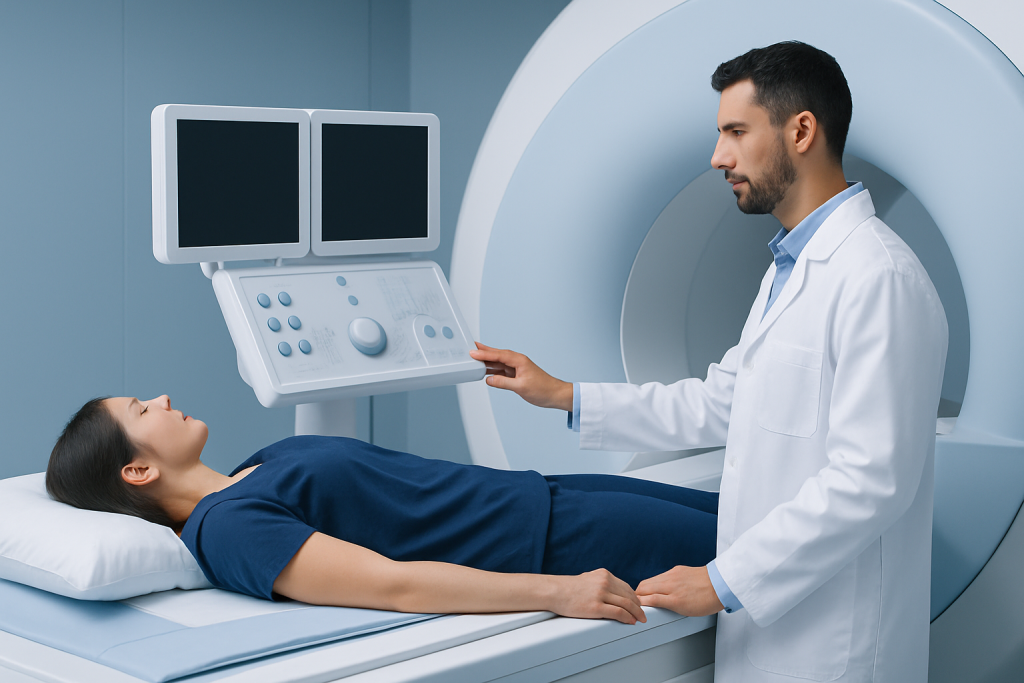
Imaging can be very helpful, especially if injury or structural damage is possible. Standard X-rays can show alignment changes, fractures, and signs of osteoarthritis. Ultrasound may identify inflammation in tendons, bursae, or joints, while MRI can provide more detail about cartilage, ligaments, menisci, and soft tissues. When symptoms are severe or complex, the diagnostic plan may include MRI scanning or other forms of radiology evaluation to clarify the source of pain.
If a joint is swollen, a doctor may recommend aspiration, in which a small amount of joint fluid is removed with a needle. This fluid can be tested for crystals, infection, or inflammatory changes. Joint aspiration is especially valuable when there is sudden swelling in one joint, because it helps distinguish gout from infection and other causes.
Treatment options depend on the underlying cause
There is no single treatment that fits every cause of joint discomfort. Management is based on the diagnosis, the severity of symptoms, and how much daily function is affected. For minor strains or overuse, initial care may include activity modification, brief rest, cold packs, and gradual return to movement. Prolonged immobilization is usually avoided unless a doctor recommends it for a specific injury.
For osteoarthritis and many chronic joint conditions, treatment often combines exercise therapy, weight management when appropriate, supportive footwear, and medications to ease pain and inflammation. Strengthening the muscles around a joint can improve support and reduce symptoms. Physical therapy may help improve mobility, posture, and movement patterns, especially after injury or in long-standing pain.
Inflammatory arthritis may require prescription medicines that control the immune system and reduce joint damage risk. Gout is treated differently, with management aimed at controlling inflammation during attacks and reducing future crystal buildup when indicated. Infection inside a joint usually needs urgent treatment, often including antibiotics and drainage. If severe structural joint damage develops over time, some patients may benefit from specialist orthopedic care or procedures such as knee replacement or hip replacement after individualized assessment.
Treatment decisions are safest when guided by a qualified clinician, because the same symptom can have very different causes. A painful swollen joint should not automatically be treated at home without evaluation, particularly if the onset is sudden or accompanied by fever or marked redness.
Prevention and self-care that may reduce discomfort
Many causes of joint discomfort cannot be prevented completely, but healthy habits may lower risk and reduce flare-ups. Regular low-impact exercise such as walking, swimming, or cycling helps maintain joint mobility and muscle strength. Warm-up before activity and gradual progression in exercise intensity can help lower the chance of overuse injuries.
Weight management can reduce stress on weight-bearing joints, particularly the knees and hips. Good sleep, smoking cessation, and balanced nutrition also support overall musculoskeletal health. People prone to gout may be advised by their doctor to address hydration, alcohol intake, and other personalized triggers, but self-treatment should not replace a formal diagnosis.
At home, simple measures can be useful for mild symptoms. Short periods of rest after overactivity, heat for stiffness, and cold for recent swelling may provide temporary relief. Supportive braces or splints can help some conditions, but they should be used thoughtfully so they do not lead to stiffness or muscle weakening.
Anyone with recurring symptoms should keep track of patterns, such as which activities worsen pain, how long morning stiffness lasts, and whether swelling appears. This information can help a doctor identify the cause more quickly and recommend the most appropriate care plan.
When to seek medical care
Medical review is important if joint discomfort lasts more than a few weeks, keeps returning, limits walking or daily activities, or is associated with visible swelling. New pain after a fall or sports injury should also be assessed, especially if the joint feels unstable, cannot bear weight, or has lost range of motion. Even when symptoms seem mild, early assessment may prevent unnecessary delay in diagnosing treatable conditions.
Urgent care is needed for a hot, red, swollen joint; sudden severe pain; fever with joint symptoms; or inability to move the joint. These features can be seen with infection, acute crystal arthritis, or significant injury. A doctor should also be consulted if joint pain occurs with rash, eye symptoms, unexplained fatigue, chest symptoms, or weight loss.
People living with chronic inflammatory disease, prior joint disease, or immune suppression should be especially cautious about new joint swelling. If symptoms are difficult to explain or do not improve as expected, specialist assessment may be appropriate. Near the end of the care pathway, some patients may be referred for multidisciplinary evaluation; Acibadem International’s JCI-accredited hospitals and specialists diagnose and treat joint conditions for international patients when advanced assessment is needed.
Frequently asked questions
What are the most common causes of joint discomfort?
Common causes include osteoarthritis, overuse, sprains, tendinitis, bursitis, and inflammatory arthritis. Sudden pain in a single joint may also be caused by gout or, less commonly, infection.
How can someone tell whether joint discomfort is from arthritis or an injury?
Arthritis often develops gradually and may come with stiffness, swelling, or symptoms in more than one joint. An injury is more likely after a fall, twist, impact, or sudden increase in activity, and may cause immediate pain, bruising, or instability.
Is joint discomfort always a sign of aging?
No. While age-related wear can contribute to osteoarthritis, joint discomfort can affect people of any age. Sports injuries, autoimmune diseases, infections, and crystal-related conditions are examples of non-aging causes.
When is joint discomfort considered urgent?
It should be treated as urgent if a joint becomes suddenly swollen, red, hot, extremely painful, or difficult to move. Fever, inability to bear weight, or recent injury with deformity are also reasons to seek prompt medical care.
What tests are used to find the cause of joint discomfort?
Doctors usually begin with a medical history and physical examination. Depending on the suspected cause, they may order blood tests, X-rays, ultrasound, MRI, or joint fluid analysis.
Can joint discomfort improve without surgery?
Yes, many causes improve with non-surgical treatment such as rest, physical therapy, exercise modification, weight management, and medicines. Surgery is usually considered only when there is significant structural damage or symptoms do not respond to other treatments.
This article is for general information only and is not a substitute for professional medical advice. Please consult a qualified doctor about your individual situation.
Joint and spine care in Turkey — expert assessment & treatment
JCI-accredited · board-certified surgeons · reply within 24h
Add us as a Preferred Source to see more of our trusted health content across Google Search, AI Overviews and Discover.

More from the Health Library

Depo Provera: An Evidence-Based Guide for Patients

Blood Brain Barrier: A Complete Medical Overview

Saliva During Sleep: What Patients Need to Know

Boil Under Armpit — Explained by Medical Evidence, Not Myths

White Caterpillar: An Evidence-Based Guide for Patients

Acromegaly — Explained by Medical Evidence, Not Myths
Physical Medicine & Rehabilitation Specialists at Acibadem

Prof. Dr. Ahmet Alanay
Orthopedic Surgery & Traumatology
Ahmet Turan
Physical Medicine & Rehabilitation
Fzt. Ahsen Ercan
Physical Medicine & Rehabilitation
Fzt. Ali Furkan Gürler
Physical Medicine & Rehabilitation