Vulva Hair Itching: A Complete Medical Overview

Vulva hair itching often comes from irritation of the skin and hair follicles rather than a serious illness. Common triggers include shaving, waxing, tight clothing, sweat, fragranced products, and ingrown hairs.
Key Takeaways
- Vulva hair itching often comes from irritation of the skin and hair follicles rather than a serious illness.
- Common triggers include shaving, waxing, tight clothing, sweat, fragranced products, and ingrown hairs.
- Yeast infections, bacterial imbalance, lice, and skin conditions such as eczema can also cause itching.
- Medical care is important if itching lasts, disrupts sleep, causes sores or discharge, or comes with pain or bleeding.
- Gentle skin care and avoiding irritants can help prevent recurring symptoms.
Vulva hair itching is commonly linked to skin irritation around the pubic hair, including shaving, sweat, friction, ingrown hairs, or sensitivity to products. It can also be related to infections or inflammatory skin conditions, so persistent, severe, or unusual symptoms should be assessed by a clinician.
Overview: what vulva hair itching usually means
Vulva hair itching refers to itching in the hair-bearing skin around the outer genital area, especially the pubic mound and outer labia where pubic hair grows. In many cases, the cause is local skin irritation rather than a dangerous condition. Shaving, waxing, friction from clothing, sweat, trapped moisture, and reactions to soaps or scented products are among the most common explanations.
That said, vulva hair itching is a symptom, not a diagnosis. The feeling may come from the surface skin, the hair follicles, or nearby vulvar tissue. Infections, inflammatory skin disorders, and parasites can also cause itch, and some people have more than one contributing factor at the same time.
A useful way to think about this symptom is by asking where it is felt and what else is happening. Itching that is mostly on the hair-bearing skin may suggest irritation, folliculitis, or ingrown hairs. Itching that extends deeper into the vulvar tissue or is accompanied by discharge, odor, rash, or pain may point to another condition that needs targeted treatment.
How the symptoms can feel
The symptom pattern can vary from person to person. Some people notice mild itching only after hair removal or exercise, while others have a constant urge to scratch. The skin may feel prickly, dry, hot, or tender, and the sensation can become worse at night, after sweating, or when wearing tight underwear or leggings.
Visible changes may or may not be present. The area can look normal, or there may be redness, small bumps, flaky patches, scratch marks, or a few painful pustules around hair follicles. Ingrown hairs often cause a small raised bump, sometimes with a visible trapped hair. Folliculitis may look like tiny pimples centered on the follicles.
Symptoms that suggest the itch is not just from hair or shaving include unusual vaginal discharge, strong odor, burning with urination, open sores, blisters, thickened white patches, or intense pain. If itching occurs alongside a broad vulvar rash, a clinician may also consider vaginal infections or a chronic skin disorder affecting the vulva.
Common causes and risk factors

Simple irritation is the most frequent cause of vulva hair itching. Hair removal can leave the skin inflamed and more sensitive, especially if a dull razor, dry shaving, or aggressive waxing has been used. Tight clothes, prolonged moisture, menstrual pads, panty liners, laundry detergents, and fragranced wipes or washes can all disrupt the skin barrier and trigger itch.
Ingrown hairs and folliculitis are also common. When a hair curls back into the skin or a follicle becomes inflamed, itching may be joined by bumps, tenderness, or small pus-filled spots. Friction from exercise, shaving against the direction of hair growth, and coarse regrowth can increase this risk.
Other causes include yeast overgrowth, bacterial imbalance, pubic lice, contact dermatitis, eczema, psoriasis, and lichen sclerosus. Less commonly, persistent itching can be related to hormonal change, nerve irritation, diabetes, or other medical conditions that affect skin health. Risk factors include sensitive skin, recent antibiotic use, obesity, heavy sweating, immunosuppression, and a history of allergies or chronic skin disease.
- Shaving, waxing, or depilatory products
- Sweat, humidity, and friction
- Scented soaps, sprays, wipes, and detergents
- Ingrown hairs or inflamed follicles
- Yeast infection or other vulvovaginal infection
- Eczema, psoriasis, or chronic vulvar skin conditions
How doctors evaluate the problem
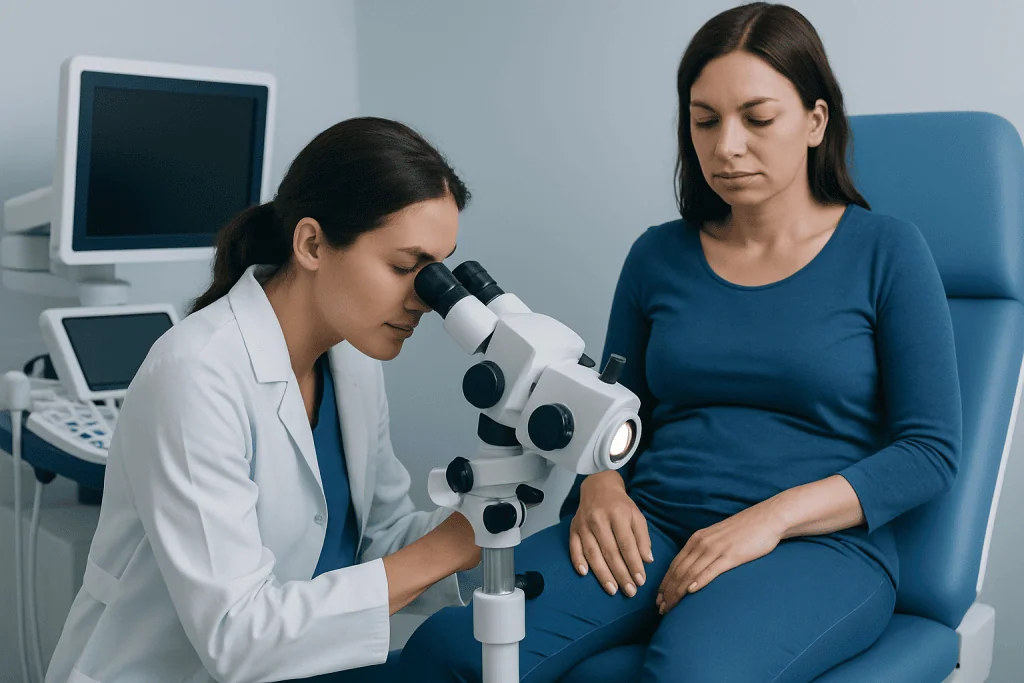
Diagnosis begins with a careful history and physical examination. A doctor will usually ask when the itching started, whether it is linked to shaving or products, whether there is discharge or odor, and whether the symptoms are constant or intermittent. It is also helpful to mention any recent antibiotics, new sexual partners, menstrual products, or changes in laundry detergent or hygiene routines.
The examination focuses on the hair-bearing skin, hair follicles, and vulvar tissue. Doctors look for signs such as razor bumps, pustules, excoriations from scratching, scale, patches of color change, or lesions that suggest infection or inflammatory disease. The location of the itch matters: symptoms limited to the pubic hair area can point toward skin and follicle causes, while broader vulvar involvement may need a wider workup.
Sometimes additional tests are needed. These may include swabs for infection, inspection for lice or nits, or, in selected cases, referral to gynecology or dermatology. If another condition is suspected, evaluation for genital warts or other vulvar disorders may be appropriate. People with recurring or unexplained symptoms may also benefit from a structured assessment of skin care habits and potential allergens.
Treatment options depend on the cause
Treatment is based on the underlying reason for the itching. If irritation is the cause, the first step is to remove triggers and allow the skin barrier to recover. This may include pausing shaving or waxing, switching to breathable cotton underwear, avoiding fragrances, and using a gentle, non-irritating cleanser only on the external skin. Cool compresses and bland moisturizers may also help calm the area.
If there are ingrown hairs or folliculitis, clinicians may advise modified hair removal practices, warm compresses, and avoiding picking or squeezing bumps. Bacterial folliculitis can sometimes require prescription treatment. If the itch is due to a yeast infection, bacterial imbalance, or another vulvovaginal condition, treatment may include antifungal or other targeted therapy. In more persistent cases, a gynecologic examination and tailored management may be part of gynecology care.
Inflammatory skin conditions such as eczema, psoriasis, or lichen sclerosus may need medicated creams prescribed by a clinician. It is important not to self-treat repeatedly with over-the-counter products if the diagnosis is uncertain, because this can further irritate the skin and delay correct care. For selected patients with a persistent structural or vulvar concern, doctors may coordinate further assessment through a comprehensive gynecology check-up.
Prevention and self-care
Good vulvar skin care is usually simple and gentle. The aim is to reduce friction, moisture buildup, and chemical irritation. Many people improve when they stop using perfumed products and keep the area dry and cool after exercise or hot weather. Loose, breathable clothing and changing out of wet garments promptly can make a meaningful difference.
Hair removal, if preferred, should be done carefully. Using a clean sharp razor, shaving in the direction of hair growth, avoiding repeated passes, and not shaving over inflamed skin can reduce irritation. Some people do better by trimming rather than removing hair completely, especially if they are prone to ingrown hairs.
- Wash the external area gently; avoid harsh scrubbing
- Choose unscented soaps, detergents, and pads when possible
- Do not apply deodorants, powders, or fragranced sprays to the vulva
- Wear cotton underwear and avoid prolonged tight clothing
- Do not scratch, squeeze bumps, or pick ingrown hairs
- Seek medical advice before using repeated antifungal or steroid creams
If symptoms return often, keeping a symptom diary may help identify patterns such as certain products, exercise routines, menstrual cycles, or hair removal methods. For individuals with recurrent skin or vulvar symptoms, specialist input can help separate irritation from infection or chronic dermatologic disease.
When to seek medical care
Medical evaluation is sensible if vulva hair itching lasts more than a short time, keeps coming back, or does not improve after removing common irritants. A doctor should also be consulted if there is severe redness, swelling, pain, bleeding, open sores, blisters, foul odor, unusual discharge, or fever. These features suggest that the problem may be more than simple skin irritation.
Care is also important if there are visible patches of skin color change, thickened skin from chronic scratching, painful lumps, or symptoms that interfere with sleep, sex, exercise, or daily comfort. People with diabetes, weakened immunity, or a history of chronic skin disease may need earlier assessment because they can be more vulnerable to infection or slower healing.
In some cases, coordinated care between gynecology and dermatology is helpful, especially when symptoms persist or the diagnosis is unclear. Acibadem International’s multidisciplinary specialists and JCI-accredited hospitals diagnose and treat vulvar and skin-related conditions for international patients, including evaluation through dermatology services when a skin disorder is suspected.
Frequently asked questions
Is vulva hair itching usually caused by an infection?
Not always. Many cases are related to irritation from shaving, sweat, friction, or reactions to products used on the skin. However, infections such as yeast overgrowth or other vulvovaginal conditions can also cause itching, especially if discharge, odor, or burning are present.
Can pubic hair itself cause itching?
Pubic hair can contribute indirectly by trapping sweat and increasing friction, especially in hot weather or tight clothing. Hair regrowth after shaving can also feel prickly and itchy. Usually, the symptom comes from irritated skin or hair follicles rather than the hair alone.
How can someone tell if it is an ingrown hair?
An ingrown hair often appears as a small bump in the hair-bearing area and may be itchy, tender, or slightly inflamed. Sometimes a curved or trapped hair is visible under the skin. If the bump becomes very painful, drains pus, or keeps returning, a clinician should assess it.
Should fragranced intimate washes be used for vulva hair itching?
In most cases, no. Fragranced washes, sprays, and wipes can irritate the delicate vulvar skin and make itching worse. Gentle cleansing of the external area with mild, unscented products is usually better tolerated.
When is vulva hair itching a reason to see a doctor?
Medical advice is important if the itch is severe, lasts more than a short period, or keeps returning. A doctor should also be consulted if there is discharge, odor, pain, sores, rash, bleeding, swelling, or trouble sleeping because of the symptoms.
Can shaving be continued if the area is itchy?
It is usually best to pause shaving or waxing until the skin has settled. Continuing hair removal over irritated skin can worsen inflammation and lead to more ingrown hairs or folliculitis. Once symptoms improve, a gentler hair removal method may help reduce recurrence.
This article is for general information only and is not a substitute for professional medical advice. Please consult a qualified doctor about your individual situation.
Hair transplant in Turkey — costs, graft counts & a free assessment
JCI-accredited · board-certified surgeons · reply within 24h
Add us as a Preferred Source to see more of our trusted health content across Google Search, AI Overviews and Discover.

More from the Health Library

Schizencephaly — Explained by Medical Evidence, Not Myths

Ocular Migraine: An Evidence-Based Guide for Patients

Scab Inside Nose: A Complete Medical Overview

Octocrylene: An Evidence-Based Guide for Patients

Types of Bug Bites: What Patients Need to Know