Sharp Pain in Eye: Common Causes, Related Conditions, and When to See a Doctor
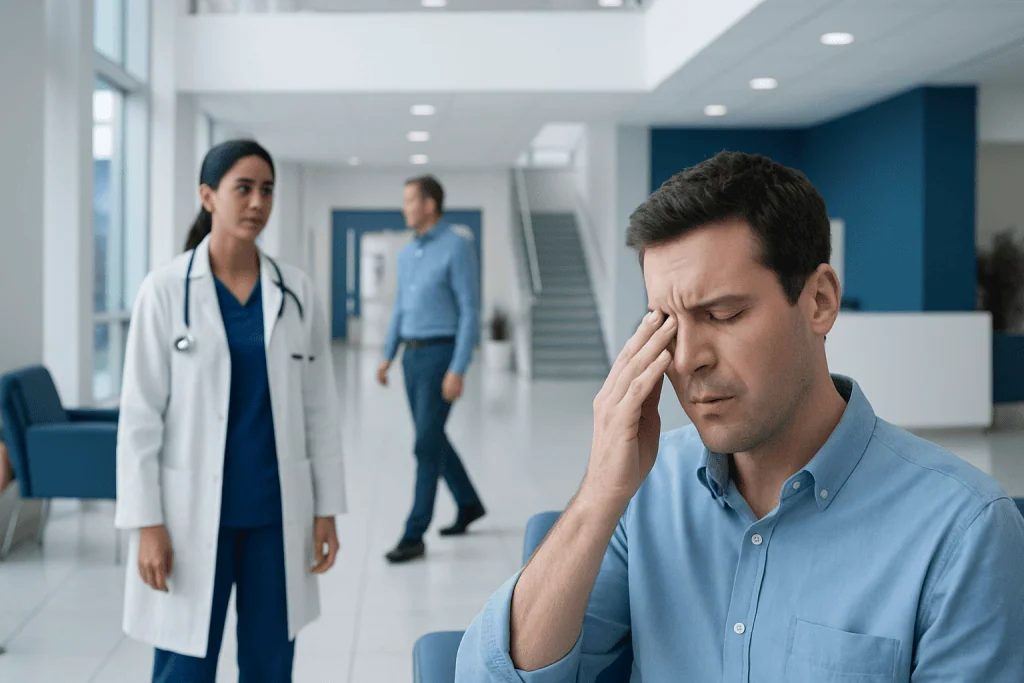
Sharp eye pain has many possible causes, from dry eye and corneal scratches to glaucoma and infections. Pain with vision changes, light sensitivity, redness, nausea, or injury should be assessed urgently.
Key Takeaways
- Sharp eye pain has many possible causes, from dry eye and corneal scratches to glaucoma and infections.
- Pain with vision changes, light sensitivity, redness, nausea, or injury should be assessed urgently.
- Doctors diagnose the cause with an eye exam, medical history, and sometimes pressure testing or imaging.
- Treatment depends on the source and may include lubricating drops, medicines, removal of a foreign body, or urgent specialist care.
- Contact lens safety, eye protection, and prompt treatment of eye irritation can help prevent some causes.
Sharp pain in eye is a symptom rather than a diagnosis. It may come from a minor surface problem such as dryness or irritation, but it can also signal infection, inflammation, pressure-related eye disease, or injury that needs prompt medical care.
Overview: What sharp pain in eye can mean
Sharp pain in eye can happen for many reasons. In some people it comes from irritation on the eye’s surface, such as dryness, a trapped eyelash, or a small scratch on the cornea. In others, the pain is deeper and may be linked to inflammation, infection, pressure inside the eye, or problems in nearby tissues such as the eyelids, sinuses, or nerves.
The symptom can be brief and mild or sudden and severe. Because the eye contains many sensitive structures, even a small problem can feel intense. At the same time, severe pain does not always mean the condition is dangerous, and mild pain does not always rule out a serious issue.
What matters most is the overall pattern. Pain that comes with blurred vision, halos around lights, marked redness, discharge, headache, nausea, light sensitivity, or recent injury deserves medical attention sooner rather than later. A clinician can determine whether the pain is coming from the surface of the eye, inside the eye, or from a related condition outside it.
How eye pain may feel and the symptoms that matter
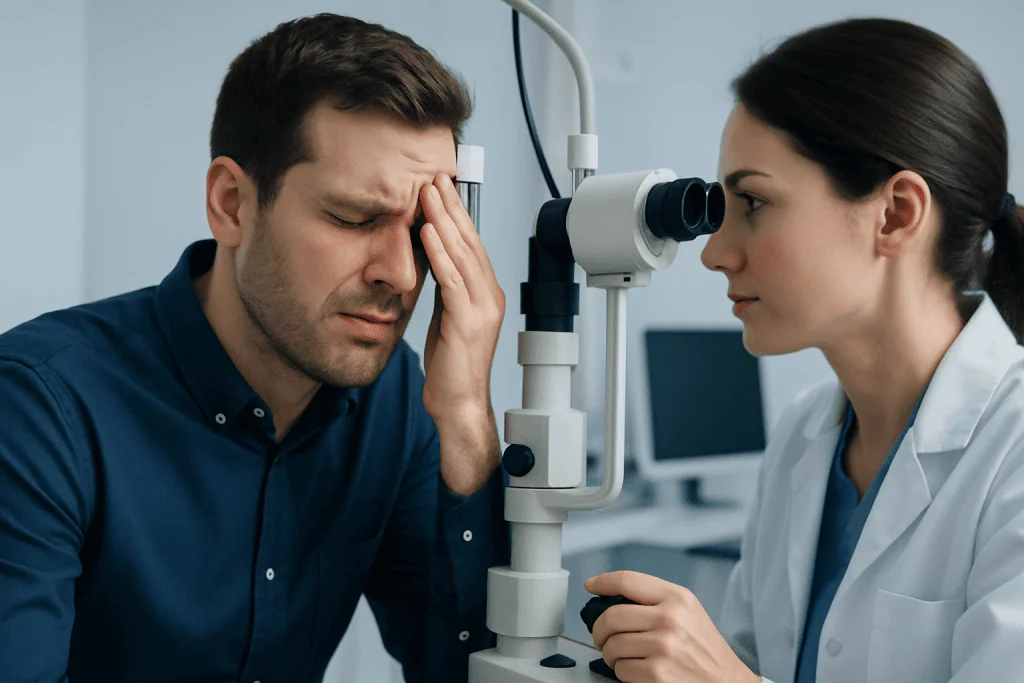
People describe sharp eye pain in different ways. It may feel like stabbing, burning, grittiness, throbbing, pressure, or pain when blinking. Some notice it only in one eye, while others have symptoms in both eyes. The location also matters: pain on the surface often feels scratchy or foreign-body-like, while deeper pain may feel as if it is behind the eye.
Associated symptoms help narrow the cause. Surface problems commonly cause tearing, redness, sensitivity to light, and the sensation that something is in the eye. Deeper eye problems may cause headache, nausea, reduced vision, rainbow halos around lights, or pain with eye movement.
A helpful way to think about symptoms is to separate discomfort from warning signs. Important red flags include:
- sudden decrease in vision or double vision
- severe redness, swelling, or pus-like discharge
- pain after trauma, chemical exposure, or metal grinding
- marked sensitivity to light
- nausea, vomiting, or severe headache with eye pain
- contact lens use with increasing pain or redness
These features do not confirm a particular diagnosis, but they do suggest that the eye should be examined promptly by a qualified doctor.
Common causes of sharp eye pain

One of the most common explanations for sharp pain in eye is a problem on the cornea, the clear front layer of the eye. A corneal abrasion, or scratch, can occur after rubbing the eye, a fingernail injury, makeup irritation, or contact lens use. The pain is often sudden and sharp, and blinking tends to make it worse. Dry eye can also cause stinging or intermittent sharp pain, especially in windy air, after screen use, or on waking.
Infections and inflammation are another major group of causes. Conjunctivitis usually causes irritation, discharge, and redness, but stronger pain may suggest corneal involvement. Keratitis, an inflammation or infection of the cornea, can become serious quickly, especially in contact lens wearers. Inflammation inside the eye, such as uveitis, may cause pain, redness, blurred vision, and sensitivity to light. Patients who need evaluation for these problems may be assessed for uveitis or other inflammatory eye conditions.
Eyelid and surrounding tissue problems can also hurt. A stye may cause a tender, localized painful bump on the eyelid. Blepharitis can lead to burning, crusting, and irritation. Sinus disease, migraine, and some nerve-related headaches may create pain around or behind the eye even when the eye itself is normal.
Some causes are less common but more urgent. Sudden severe pain with blurred vision, headache, nausea, and halos around lights can occur in acute angle-closure glaucoma, a medical emergency related to a rapid rise in eye pressure. Sharp pain after trauma or with a suspected foreign body also needs timely assessment. In select cases, advanced evaluation by ophthalmology care is important to protect vision and identify the exact source.
Related conditions that may be linked to eye pain
Sharp eye pain may appear as part of a broader eye disorder rather than an isolated symptom. For example, dry eye disease can cause recurrent stinging, fluctuating vision, and discomfort that seems worse late in the day. Corneal disease can produce intense pain because the cornea has many nerve endings. Inflammatory conditions may affect the iris, sclera, or tissues around the eye and can cause deeper aching or pain with light exposure.
Pressure-related eye disease is another important category. Although most forms of glaucoma are painless at first, acute angle-closure glaucoma can cause severe pain and rapid vision symptoms. People may already know they are at risk, but sometimes the first sign is a sudden painful episode. If glaucoma is suspected, doctors may evaluate for glaucoma and measure intraocular pressure promptly.
Neurologic and referred causes should also be considered. Migraine, cluster headache, trigeminal neuralgia, and sinus inflammation can all produce pain in or around one eye. In these cases, the eye exam may help distinguish a primary eye problem from pain arising in surrounding structures or the nervous system.
Rarely, sharp pain accompanies a retinal problem or another vision-threatening disorder, particularly if flashes, floaters, or a curtain-like shadow occur. Treatments such as retinal detachment surgery are not used for routine eye pain, but urgent retinal evaluation is essential when pain appears together with sudden visual phenomena suggestive of a retinal emergency.
How doctors diagnose the cause
Diagnosis begins with a careful history. The doctor usually asks when the pain started, whether it is constant or intermittent, and whether it affects one eye or both. They also ask about contact lens use, recent trauma, chemical exposure, allergies, past eye disease, headaches, autoimmune conditions, and any changes in vision.
The examination may include checking visual acuity, examining the eyelids and eye surface, and looking for redness, swelling, discharge, or a foreign body. A slit-lamp exam allows the eye specialist to view the cornea and front of the eye in detail. Special dye may be used to highlight a corneal scratch or ulcer.
Depending on the situation, the doctor may also measure eye pressure, check the pupil reaction, and assess eye movements. If there is concern about a deeper problem, additional tests may be needed. These can include imaging, blood tests, or referral to specialists in eye surgery and advanced eye treatment when structural disease is suspected.
The goal is not only to relieve pain but also to identify whether vision is at risk. Because treatment differs widely by cause, self-diagnosis can be misleading. An eye that feels merely irritated may have a corneal problem, while pain around the eye may actually come from a headache or sinus disorder.
Treatment options and what may help
Treatment for sharp pain in eye depends entirely on the cause. Lubricating eye drops may help when dryness or minor irritation is responsible. A trapped eyelash or small superficial foreign body can sometimes be removed safely in a clinic setting. Corneal abrasions often improve with supportive care and monitoring, while contact lens-related problems need more careful assessment.
If infection is present, the doctor may recommend appropriate prescription treatment based on whether the problem is bacterial, viral, or another type. Inflammatory conditions may require anti-inflammatory medicines under medical supervision. Elevated eye pressure, especially in acute angle-closure glaucoma, requires urgent treatment to lower pressure and protect vision.
Home care should be cautious. It is generally wise to avoid rubbing the eye, wearing contact lenses, or using leftover prescription drops unless a doctor advises it. For mild irritation, preservative-free artificial tears and rest from screens may be reasonable, but persistent pain should not be ignored.
If specialist care is needed, treatment can range from medical therapy to procedures that address the underlying condition. Near the end of the care pathway, some patients may be managed through multidisciplinary eye services; Acibadem International’s specialists in JCI-accredited hospitals also diagnose and treat eye conditions for international patients.
Prevention and self-care
Not every cause of eye pain can be prevented, but several practical steps can lower risk. Contact lens hygiene is especially important. Lenses should be cleaned and replaced as directed, and they should not be worn longer than recommended or used while swimming or sleeping unless specifically approved.
Eye protection matters during home repairs, sports, gardening, and any work involving dust, chemicals, or flying particles. Screens and dry indoor air can worsen eye surface symptoms, so regular blinking, breaks from prolonged device use, and humidification may help some people. For those prone to dryness, lubricating eye drops recommended by a clinician can be useful.
Good hand hygiene can reduce the spread of infectious conjunctivitis. Makeup and skincare products should be used carefully around the eyes, and old products should be discarded. People with allergies may benefit from discussing targeted management with a doctor if rubbing and irritation are frequent.
Self-care is appropriate only for mild symptoms without red flags. New, severe, or worsening pain should not be managed at home for long. Early assessment often leads to simpler treatment and can help prevent complications.
When to seek medical care
Prompt medical care is recommended if sharp pain in eye is severe, sudden, or associated with reduced vision. The same is true if there is significant redness, light sensitivity, swelling, nausea, vomiting, or a severe headache. Pain after trauma, chemical splash, or a suspected foreign body should also be assessed urgently.
Contact lens wearers should seek care quickly if they develop increasing pain, redness, or blurred vision, because corneal infection can progress rapidly. Children, older adults, and people with weakened immune systems may need earlier evaluation as well. If the eye is painful and vision is changing, it is safest not to wait.
For mild irritation without warning signs, a short period of observation with lubricating drops may be reasonable. However, if symptoms last more than a day or two, keep returning, or worsen despite simple care, a doctor should examine the eye. Early diagnosis is the best way to preserve comfort and vision.
Frequently asked questions
Is sharp pain in eye always an emergency?
No. Sharp eye pain can come from minor causes such as dryness, irritation, or a small corneal scratch. However, sudden severe pain, especially with blurred vision, redness, nausea, or light sensitivity, needs prompt medical assessment.
Can dry eye cause sharp stabbing pain?
Yes. Dry eye can sometimes cause brief, sharp, stinging pain rather than just a dry or gritty feeling. Symptoms often worsen with screen use, air conditioning, wind, or waking up in the morning.
What should a person do if something feels stuck in the eye?
They should avoid rubbing the eye, as this can worsen a scratch or push a particle deeper. Rinsing gently with clean water or sterile saline may help, but ongoing pain, blurred vision, or a visible foreign body should be checked by a doctor.
Why does eye pain happen with a headache?
Pain around the eye can occur with migraine, cluster headache, sinus inflammation, or nerve-related pain. In some cases, the eye itself is normal and the pain is referred from nearby structures, but an exam may still be needed to rule out an eye condition.
Should contact lenses be worn if the eye hurts?
No. Contact lenses should usually be removed if the eye is painful, red, or sensitive to light. Because contact lens wear raises the risk of corneal infection, persistent symptoms should be evaluated promptly.
Can glaucoma cause sharp eye pain?
Most common forms of glaucoma do not cause pain early on. However, acute angle-closure glaucoma can cause sudden severe eye pain, blurred vision, halos around lights, headache, and nausea, and it requires urgent treatment.
References
- American Academy of Ophthalmology
- National Eye Institute
- American Optometric Association
- Mayo Clinic
- MedlinePlus
This article is for general information only and is not a substitute for professional medical advice. Please consult a qualified doctor about your individual situation.
Explore treatments in Turkey — costs, top hospitals & a free quote
JCI-accredited · board-certified surgeons · reply within 24h
Add us as a Preferred Source to see more of our trusted health content across Google Search, AI Overviews and Discover.

More from the Health Library



Related Specialists

Dr. Injı Suleymanova
Gynecology & Obstetrics
Dr. Süheyla Yeldan Vatansever
Pediatrics
Dr. Berkhan Savaşçın
General Surgery
Assoc. Prof. Dr. Pelin Doğan
Pediatrics