Strep Pneumonia — Explained by Medical Evidence, Not Myths

Strep pneumonia is a bacterial lung infection most often linked to Streptococcus pneumoniae. Common symptoms include cough, fever, chills, chest pain, fatigue, and trouble breathing.
Key Takeaways
- Strep pneumonia is a bacterial lung infection most often linked to Streptococcus pneumoniae.
- Common symptoms include cough, fever, chills, chest pain, fatigue, and trouble breathing.
- Older adults, young children, smokers, and people with chronic illness or weak immunity have higher risk.
- Doctors diagnose it using symptoms, a physical exam, and sometimes chest imaging and lab tests.
- Treatment often includes antibiotics, rest, fluids, and monitoring for complications.
- Vaccination, hand hygiene, and managing chronic conditions can help lower the risk.
Strep pneumonia usually refers to pneumonia caused by Streptococcus bacteria, most commonly Streptococcus pneumoniae. It is a lung infection that can cause fever, cough, chest discomfort, and shortness of breath, and it often improves with timely medical evaluation and appropriate treatment.
What strep pneumonia means
Strep pneumonia is a common way people describe pneumonia caused by Streptococcus bacteria, especially Streptococcus pneumoniae. This bacterium is also called pneumococcus, so the infection may be called pneumococcal pneumonia or streptococcal pneumonia. In practical terms, it is a bacterial infection in the lungs that inflames the air sacs and can fill them with fluid or pus.
Medical evidence shows that this infection can range from mild to severe. Some people recover at home with oral antibiotics and supportive care, while others need hospital treatment, especially if breathing becomes difficult or the infection affects the bloodstream. The exact course depends on age, general health, how early treatment begins, and whether complications develop.
Many people use the term loosely and may confuse it with “walking pneumonia,” viral pneumonia, or a throat infection caused by strep bacteria. These are not the same. Strep pneumonia specifically refers to a bacterial lung infection, and proper diagnosis matters because treatment choices differ from those used for viral illnesses such as influenza or COVID-19.
How strep pneumonia affects the lungs
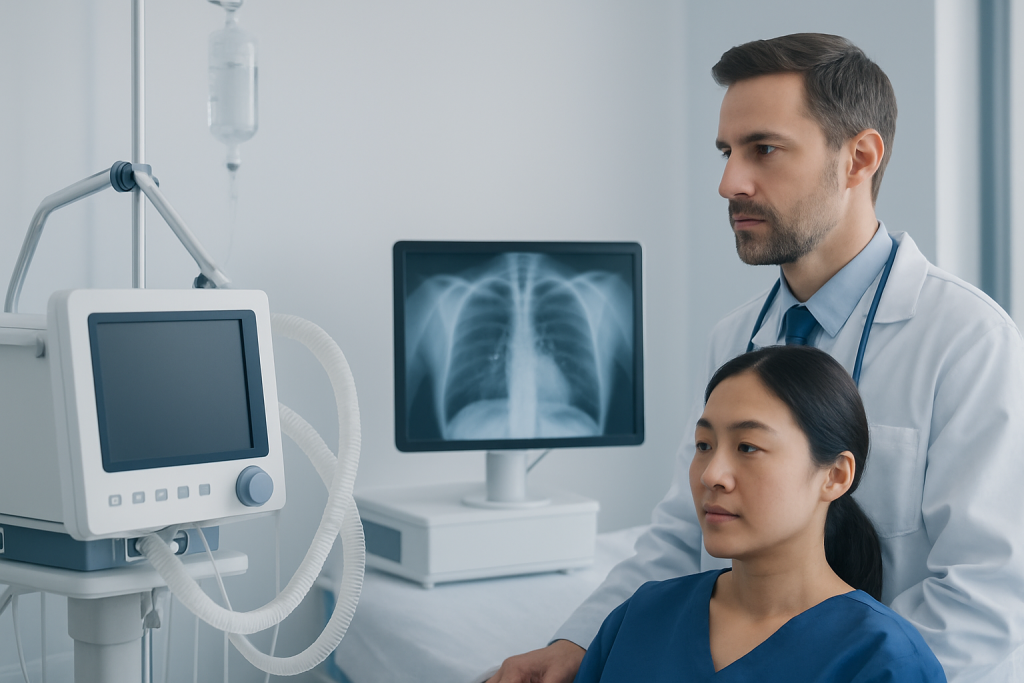
In strep pneumonia, bacteria reach the lungs and trigger inflammation. The tiny air sacs, called alveoli, normally help move oxygen into the blood. When they become inflamed and filled with fluid, oxygen exchange becomes less efficient. That is why people may feel breathless, tired, or weak.
The infection may begin suddenly, often after a cold, flu-like illness, or another respiratory infection that weakens the body’s usual defenses. In other cases it develops without a clear warning. Pneumococcal bacteria can sometimes live in the nose or throat without causing illness, then lead to infection when the immune system is under strain.
Because the lungs are central to oxygen delivery, doctors take suspected pneumonia seriously. If untreated or severe, the infection can spread beyond the lungs, causing complications such as pleural effusion, bacteremia, or worsening of existing heart and lung disease. This is one reason timely assessment is important, particularly in older adults and medically vulnerable people.
Symptoms and possible warning signs

Symptoms of strep pneumonia often include cough, fever, chills, tiredness, and shortness of breath. Some people also have chest pain that feels sharper when taking a deep breath or coughing. The cough may be dry at first or produce mucus. Compared with a simple cold, symptoms are usually more intense and can interfere with normal daily activity.
Not everyone has the same pattern. Older adults may have less obvious symptoms and may mainly seem unusually weak, confused, or sleepy. Children may breathe faster than usual, seem less interested in feeding or drinking, or become irritable. People with chronic lung disease can notice a sudden worsening of their usual breathing symptoms.
Possible symptoms include:
- Fever or feeling feverish
- Chills or sweating
- Cough, with or without mucus
- Shortness of breath
- Chest discomfort or pain with breathing
- Fatigue and body aches
- Loss of appetite
- Confusion, especially in older adults
Because symptoms overlap with other conditions, strep pneumonia may need to be distinguished from pneumonia caused by viruses or other bacteria, as well as from asthma flare-ups, heart failure, and complications of respiratory infections.
Causes and who is more at risk
The most common cause of strep pneumonia is Streptococcus pneumoniae. This bacterium spreads through respiratory droplets, meaning it can pass from person to person during close contact, coughing, or sneezing. Not everyone exposed becomes ill, because the body’s immune defenses often prevent infection.
Certain factors make strep pneumonia more likely or may increase the chance of severe illness. These include very young age, older age, smoking, chronic lung disease, heart disease, diabetes, kidney disease, and conditions that weaken the immune system. Recent viral infection, poor nutrition, heavy alcohol use, and recovery after major illness or surgery can also reduce the body’s ability to fight infection.
Doctors also consider whether a person acquired the infection in the community or in a healthcare setting, because this can influence the likely bacteria and treatment plan. If symptoms are severe or the person has complex medical issues, specialists may use diagnostic imaging and other tests to guide care and look for complications affecting the lungs or nearby tissues.
How doctors diagnose strep pneumonia
Diagnosis starts with medical history and a physical examination. A doctor asks about the onset of fever, cough, chest pain, breathing difficulty, recent illness, vaccination status, and underlying conditions. During the exam, they may listen for crackles or reduced breath sounds and check oxygen levels.
A chest X-ray is commonly used to confirm pneumonia and to see how much of the lung is affected. Some patients may need additional imaging if symptoms are unusual, severe, or not improving as expected. Blood tests, sputum tests, or cultures may be used in selected cases, especially when hospitalization is needed or complications are suspected.
Doctors also assess how serious the infection may be. They consider breathing rate, oxygen level, blood pressure, age, mental state, and other illnesses. This helps decide whether home treatment is appropriate or whether hospital care is safer. If breathing becomes more difficult, pulmonology care can help evaluate the infection and monitor lung recovery.
Treatment options and recovery
Because strep pneumonia is bacterial, antibiotics are usually the main treatment. The exact choice depends on age, overall health, local resistance patterns, allergies, and whether the infection is being treated at home or in the hospital. Supportive care is also important and may include rest, fluids, fever control, and careful monitoring of symptoms.
Some people improve steadily within a few days after starting treatment, but full recovery can take longer. Cough and fatigue may persist for several weeks even after the infection is controlled. It is important to complete the prescribed antibiotic course unless a doctor advises otherwise and to return for review if symptoms are not improving.
Hospital treatment may be needed if oxygen levels are low, dehydration develops, the person cannot keep medications down, or complications are suspected. In more serious cases, treatment can include oxygen therapy, intravenous fluids, closer monitoring, and broader support from chest diseases specialists. When strep pneumonia occurs alongside or after bronchitis or another respiratory illness, doctors tailor care to the full clinical picture.
Near the end of recovery, some people need a follow-up visit to make sure breathing, strength, and appetite are returning. Acibadem International’s multidisciplinary specialists and JCI-accredited hospitals diagnose and treat respiratory infections for international patients when more advanced assessment or hospital care is required.
Prevention, self-care, and when to seek medical care
Prevention focuses on lowering infection risk and strengthening the body’s defenses. Pneumococcal vaccination is an important preventive measure for eligible adults and children, based on age and medical risk. Annual influenza vaccination can also help, because flu can increase the chance of secondary bacterial pneumonia. Not smoking, washing hands regularly, covering coughs, and managing chronic conditions all support lung health.
At home, self-care should never replace medical advice when pneumonia is suspected, but it can support recovery. Helpful steps include drinking enough fluids, resting, avoiding tobacco smoke, and taking medicines only as advised by a qualified clinician. People should avoid sharing medication or assuming every chest infection is viral.
Medical care should be sought promptly if a person has high fever, fast or difficult breathing, chest pain, bluish lips, confusion, dehydration, or worsening weakness. Infants, older adults, pregnant people, and anyone with chronic illness or weakened immunity should contact a doctor early if pneumonia symptoms are suspected. Emergency assessment is especially important if breathing becomes severely labored or the person is difficult to wake.
Frequently asked questions
Is strep pneumonia the same as regular pneumonia?
Strep pneumonia is one type of pneumonia, not a separate broad category. It usually refers to pneumonia caused by Streptococcus bacteria, especially Streptococcus pneumoniae, while pneumonia in general can also be caused by viruses, other bacteria, or fungi.
Can strep pneumonia go away on its own?
A mild respiratory infection may improve without specific treatment, but suspected bacterial pneumonia should not be ignored. Strep pneumonia often needs medical assessment and antibiotics, because untreated infection can worsen or lead to complications.
How contagious is strep pneumonia?
The bacteria that can cause strep pneumonia spread through respiratory droplets during close contact. However, not everyone exposed becomes ill, and a person’s age, immune health, vaccination status, and underlying medical conditions affect the risk.
How long does recovery from strep pneumonia usually take?
Many people start to feel better within a few days of proper treatment, but full recovery often takes longer. Tiredness and cough can continue for several weeks, especially in older adults or after more severe infection.
Who is most likely to develop severe strep pneumonia?
Older adults, infants, smokers, and people with chronic lung disease, heart disease, diabetes, kidney disease, or weakened immunity have a higher risk of severe illness. These groups should seek medical advice early if symptoms suggest pneumonia.
Can vaccination help prevent strep pneumonia?
Yes. Pneumococcal vaccines help protect against important strains of Streptococcus pneumoniae and can reduce the risk of serious infection in eligible people. A doctor can advise which vaccine schedule is appropriate based on age and health status.
References
- World Health Organization
- Centers for Disease Control and Prevention
- National Heart, Lung, and Blood Institute
- American Lung Association
- Infectious Diseases Society of America
This article is for general information only and is not a substitute for professional medical advice. Please consult a qualified doctor about your individual situation.
Pneumonia in Turkey — costs, top hospitals & a free quote
JCI-accredited · board-certified surgeons · reply within 24h
Add us as a Preferred Source to see more of our trusted health content across Google Search, AI Overviews and Discover.

More from the Health Library

Cantaloupe — Explained by Medical Evidence, Not Myths
Rowing Machine: A Complete Medical Overview

Paternity Test: What Patients Need to Know

Low Anion Gap Causes: A Complete Medical Overview

Wellbutrin Weight Loss: An Evidence-Based Guide for Patients