Slouching: A Complete Medical Overview

Slouching often develops from prolonged sitting, device use, fatigue, or weak postural muscles. It can contribute to neck, shoulder, and back discomfort, but it is often improvable.
Key Takeaways
- Slouching often develops from prolonged sitting, device use, fatigue, or weak postural muscles.
- It can contribute to neck, shoulder, and back discomfort, but it is often improvable.
- Treatment focuses on identifying causes, improving body mechanics, and strengthening supportive muscles.
- Persistent pain, numbness, weakness, or a rapidly changing posture should be assessed by a doctor.
- An individualized plan may include exercise, physical therapy, and evaluation for spine or nerve conditions.
Slouching is a common posture pattern in which the head, shoulders, and upper back drift forward or collapse, often from daily habits, muscle imbalance, or discomfort. It is usually manageable with posture awareness, targeted exercise, ergonomic changes, and medical evaluation when pain, weakness, or persistent symptoms are present.
Overview: what slouching means
Slouching is a posture pattern in which the shoulders round forward, the upper back bends excessively, and the head moves ahead of the body’s midline. Many people notice it while sitting at a desk, looking at a phone, driving, or standing when tired. Although it is often described casually as “bad posture,” slouching is better understood as a physical pattern shaped by habits, muscle strength, joint mobility, pain, mood, and the demands of daily life.
On its own, slouching is not a disease. However, it can place extra stress on muscles, ligaments, and joints over time. This may lead to stiffness, fatigue, headaches, or aching in the neck, shoulders, and back. In some people, slouching can also reflect an underlying issue such as spinal curvature, a painful musculoskeletal condition, reduced mobility, or deconditioning.
A helpful medical approach looks beyond appearance alone. The main questions are whether the posture causes symptoms, limits function, or signals another health problem. If so, assessment can help determine whether the issue is mainly habit-related or whether it is linked to a bone, joint, muscle, or nerve condition that needs targeted care.
How slouching affects the body
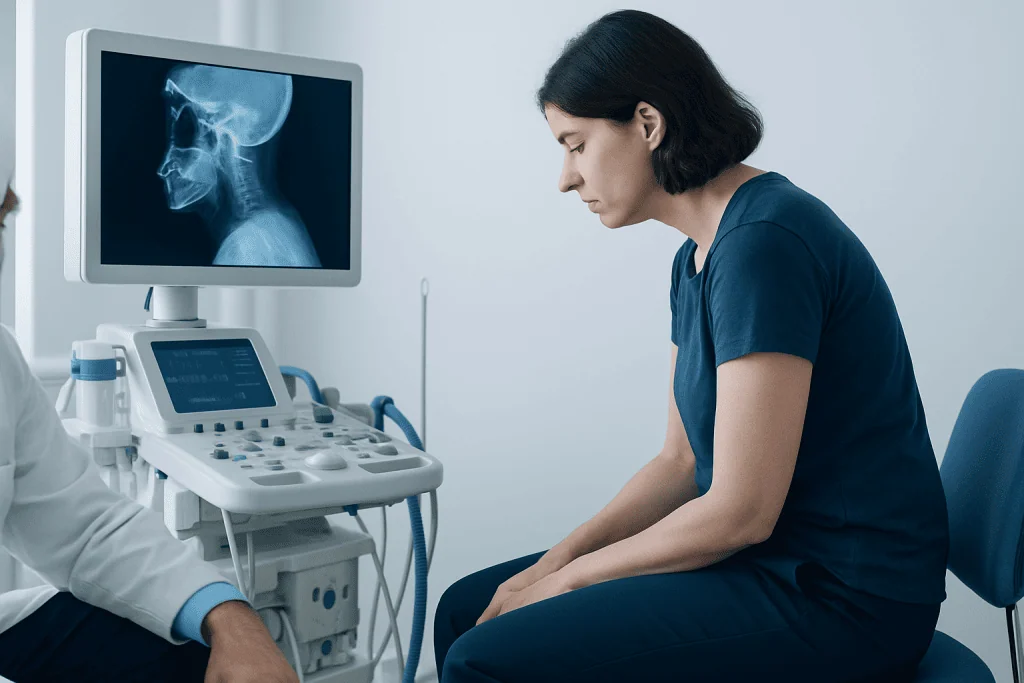
When the body stays in a slouched position for long periods, the load on the spine changes. The neck may work harder to hold the head up, the upper back can become stiff, and the chest muscles may tighten while the upper back and core muscles become less active. This combination can make upright posture feel tiring even when a person wants to sit or stand straighter.
Common effects include neck tension, shoulder discomfort, upper or lower back pain, and a sense of heaviness after sitting. Some people also report headaches related to neck strain. Slouching may reduce efficient movement during work, exercise, and daily tasks because the body is not starting from a balanced position.
Posture can also influence breathing comfort. A collapsed chest position may make deep breathing feel less natural for some people, especially during prolonged desk work. Slouching does not usually cause serious lung disease by itself, but improving posture can support easier breathing mechanics and overall physical comfort.
It is important to note that posture is only one part of musculoskeletal health. Not every person with slouching develops pain, and not every episode of pain is caused by posture alone. Sleep, stress, activity level, strength, and existing conditions all contribute to how the body feels.
Symptoms and signs linked to slouching

Slouching can be obvious in a mirror or in photographs, but people often first notice how it feels rather than how it looks. Typical signs include rounded shoulders, a forward head position, a more curved upper back, and difficulty maintaining an upright position for long periods. Clothes may hang differently, and the shoulder blades may feel tight or fatigued by the end of the day.
Possible symptoms include:
- Neck stiffness or aching
- Upper back tightness
- Shoulder discomfort
- Lower back soreness after sitting or standing
- Muscle fatigue
- Headaches associated with neck tension
- Reduced comfort during computer work or reading
Some people develop compensations elsewhere in the body. For example, a forward head position can strain the neck, while an exaggerated curve in the lower back may appear as the body tries to stay balanced. If posture changes are accompanied by tingling, numbness, weakness, or loss of coordination, a doctor should evaluate for nerve or spine involvement rather than assuming the problem is simple slouching.
Causes and risk factors
Slouching usually develops from a combination of habits and physical factors rather than a single cause. Prolonged sitting, computer work, frequent phone use, driving, and poorly arranged workspaces are common contributors. When the body repeats the same position for many hours, muscles that support upright posture may become less active, while other muscle groups tighten.
Risk factors also include low physical activity, weak core and upper back muscles, limited shoulder or chest mobility, fatigue, stress, and carrying heavy bags in an uneven way. Pain itself can change posture; for example, a person may slump to avoid discomfort from a shoulder or back problem. In children and adolescents, heavy backpack use and long screen time may contribute, though persistent posture changes should still be assessed if they seem unusual.
Sometimes slouching is associated with an underlying structural or medical issue. Examples include excessive thoracic kyphosis, scoliosis, osteoporosis-related vertebral changes, inflammatory conditions, muscle weakness, or certain neurologic disorders. If the spine appears increasingly curved, painful, or rigid, a clinician may check for scoliosis or other spine conditions rather than treating it as a simple posture habit.
Age can also play a role. As people get older, bone density, muscle mass, flexibility, and balance may change. These factors can make upright alignment harder to maintain, especially if regular strengthening and mobility work are missing from daily life.
How doctors evaluate slouching
Medical evaluation begins with a history of symptoms, daily activities, and how long the posture change has been present. A doctor or physiotherapist may ask when pain occurs, whether symptoms improve with movement, and whether there are warning signs such as trauma, unexplained weight loss, fever, numbness, or weakness. They will also consider work setup, exercise habits, and previous injuries.
The physical exam usually includes observing standing and sitting posture, spine alignment, shoulder position, neck movement, flexibility, strength, and balance. The clinician may look for tenderness, muscle tightness, asymmetry, or signs that one area of the body is compensating for another. Functional assessment is important because the aim is not only to describe posture but also to understand how it affects comfort and movement.
Imaging is not necessary for everyone. If slouching seems related to habits and there are no concerning symptoms, treatment may begin without scans. However, X-rays or other studies may be considered if there is significant pain, a visible structural deformity, injury, neurologic symptoms, or suspicion of a spine disorder such as a herniated disc affecting posture and movement.
When symptoms are persistent or complex, referral for physical therapy and rehabilitation can help identify muscle imbalance, movement patterns, and individualized strategies for correction. In selected cases, evaluation by orthopedics, neurology, or spine specialists may be appropriate.
Treatment and posture improvement
Treatment for slouching depends on the cause, symptoms, and how flexible or fixed the posture pattern is. For many people, improvement starts with education, regular movement breaks, and exercises that strengthen the upper back, shoulder stabilizers, and core while improving chest and shoulder mobility. Gentle retraining is usually more effective than repeatedly forcing the body into a rigid “perfect” posture.
A clinician may recommend an exercise program that includes postural awareness, stretching of tight areas, strengthening of weak support muscles, and training for daily activities such as sitting, lifting, and computer use. If discomfort is significant, a supervised physiotherapy plan can help restore movement, reduce pain, and build endurance for upright posture in a practical way.
Workstation ergonomics can also make a meaningful difference. The screen should be at a comfortable height, the chair should support the feet and hips, and the keyboard and mouse should allow relaxed shoulders. Phone use may improve by raising the device rather than bending the neck down for long periods. Small changes repeated consistently often help more than occasional major corrections.
If slouching is linked to a specific spinal problem, treatment is directed at that condition. Depending on the findings, this may include targeted rehabilitation, pain management, or specialist review in orthopedics and traumatology. Surgery is not a routine treatment for ordinary slouching and is reserved for selected structural problems after careful evaluation.
Prevention and self-care in daily life
Preventing slouching is less about holding one “ideal” position all day and more about varying posture and building support. The body tolerates movement better than stillness. Regular breaks from sitting, alternating tasks, walking, and changing position every 30 to 60 minutes can reduce strain on the neck and back.
Helpful self-care strategies include:
- Keeping screens closer to eye level
- Sitting with the feet supported and shoulders relaxed
- Using both shoulder straps on a backpack
- Strengthening the core, upper back, and hips
- Stretching the chest and front shoulders
- Staying physically active with walking, swimming, or other tolerated exercise
- Managing stress and sleep, which can influence muscle tension and fatigue
Posture cues can be useful when they are simple and realistic. Instead of trying to sit perfectly upright all day, many people do better with brief resets: gently lengthening through the spine, relaxing the shoulders, and taking a few deep breaths before returning to work. Over time, repeated resets may help the body find a more comfortable resting position.
Near the end of the care pathway, some people benefit from specialist assessment if progress is limited or if another diagnosis is suspected. Acibadem International’s multidisciplinary specialists and JCI-accredited hospitals evaluate posture-related complaints and related spine or musculoskeletal conditions for international patients.
When to seek medical care
Medical care is advisable if slouching is painful, worsening, or interfering with normal activities. A doctor should also assess posture changes that begin after an injury, are associated with marked stiffness, or do not improve despite several weeks of sensible self-care and exercise.
Prompt evaluation is important if there are warning signs such as numbness, tingling, weakness, balance problems, severe or night pain, fever, unexplained weight loss, or changes in bladder or bowel control. These features suggest that the issue may involve more than routine postural strain.
Children, adolescents, and older adults should be assessed when posture seems significantly changed or asymmetrical, especially if there is pain or a visible spinal curve. Early assessment can help identify whether the problem is habit-related, age-related, or linked to a condition that benefits from targeted treatment.
Frequently asked questions
Is slouching harmful?
Slouching is often a manageable posture habit, but it can contribute to neck, shoulder, and back discomfort over time. It becomes more important to address when it is persistent, painful, or linked to weakness, numbness, or reduced mobility.
Can slouching cause back pain?
It can contribute to back pain by increasing strain on muscles and joints, especially during prolonged sitting or device use. However, back pain usually has multiple contributing factors, so posture is only one part of the picture.
How can someone stop slouching?
Improvement usually comes from a combination of posture awareness, regular movement breaks, strengthening, stretching, and better workstation setup. A physical therapist can help if the pattern is longstanding or difficult to change.
Does slouching cause a permanent hump?
Habitual slouching does not always lead to a fixed spinal change. If the upper back seems increasingly rounded, rigid, or painful, a doctor should assess for conditions such as kyphosis, osteoporosis-related changes, or other structural causes.
Can exercise help slouching?
Yes. Exercises that strengthen the upper back, shoulders, core, and hips, along with stretching tight chest and shoulder muscles, often help improve posture and comfort. The most effective program is usually one that matches the person’s body, symptoms, and daily activities.
When should slouching be checked by a doctor?
A doctor should assess slouching if it is getting worse, causing ongoing pain, or limiting normal activity. Medical review is also important when there are neurologic symptoms, visible spine changes, or no improvement with self-care.
This article is for general information only and is not a substitute for professional medical advice. Please consult a qualified doctor about your individual situation.
Joint and spine care in Turkey — expert assessment & treatment
JCI-accredited · board-certified surgeons · reply within 24h
Add us as a Preferred Source to see more of our trusted health content across Google Search, AI Overviews and Discover.

More from the Health Library

Explosive diarrhea: Symptoms, Causes, and Treatment — Complete Patient Guide

Secure Attachment Style: A Complete Medical Overview

Comminuted Fracture: An Evidence-Based Guide for Patients

Nootropics: A Complete Medical Overview

IBS: What Patients Need to Know