Lung Infection: Early Signs, Risk Factors, and How It Is Treated

Lung infection is a broad term that may include bronchitis, bronchiolitis, and pneumonia. Common early signs include cough, fever, tiredness, chest discomfort, and shortness of breath.
Key Takeaways
- Lung infection is a broad term that may include bronchitis, bronchiolitis, and pneumonia.
- Common early signs include cough, fever, tiredness, chest discomfort, and shortness of breath.
- Risk is higher in older adults, young children, smokers, and people with chronic illness or weakened immunity.
- Diagnosis may involve a physical exam, oxygen measurement, chest imaging, and laboratory tests.
- Treatment depends on the cause and severity and may include rest, fluids, symptom relief, antibiotics, or hospital care.
- Urgent medical attention is needed for breathing difficulty, bluish lips, confusion, or symptoms that are rapidly worsening.
A lung infection is an infection in the airways or air sacs of the lungs, most often caused by viruses, bacteria, or, less commonly, fungi. It can range from mild bronchitis to more serious pneumonia, so early assessment is important when breathing symptoms are worsening or not improving.
Overview: What a lung infection is
A lung infection happens when germs infect the lower respiratory tract, including the bronchi and the tiny air sacs in the lungs. The term is often used broadly and may refer to conditions such as acute bronchitis, bronchiolitis, or pneumonia. Some infections stay relatively mild, while others interfere with oxygen exchange and require closer medical care.
Viruses are a very common cause, especially during cold and flu seasons. Bacteria can also infect the lungs, sometimes after a viral illness has already irritated the airways. Fungal lung infections are less common and tend to affect people with weakened immune systems or certain environmental exposures.
One reason lung infections vary so much is that the lungs respond differently depending on the germ involved, a person’s age, and their general health. A healthy younger adult may recover with rest and monitoring, while an older adult or someone with chronic lung disease may become unwell more quickly. That is why persistent cough, fever, or breathlessness should not be ignored.
Early signs and symptoms to watch for
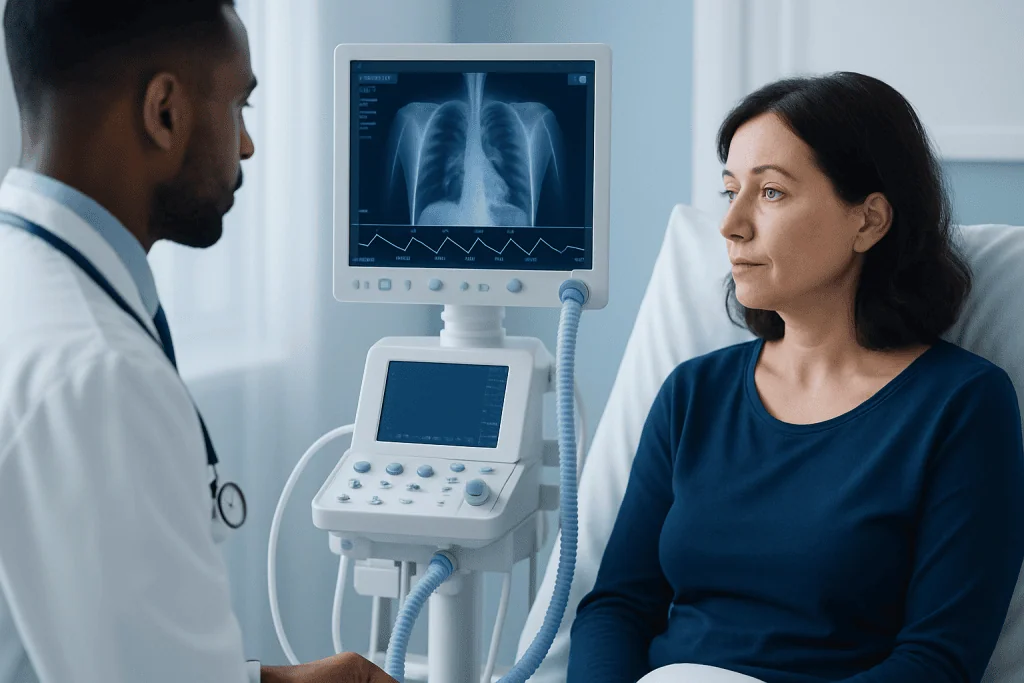
Early lung infection symptoms can begin like a simple cold, but they usually move deeper into the chest. A person may notice a cough that becomes more frequent, increasing tiredness, fever, chills, or discomfort when breathing deeply. Some people produce mucus, which may be clear, yellow, green, or occasionally streaked with blood.
Shortness of breath is one of the most important symptoms to monitor. It may start as getting winded more easily than usual and progress to struggling with normal daily activities. Wheezing, chest tightness, or a sense of heaviness in the chest can also occur, especially when the airways are inflamed.
Symptoms can present differently by age group. Older adults may not always develop a high fever; instead, they may seem more sleepy, weak, or confused. Infants and young children may breathe fast, refuse feeds, grunt, flare their nostrils, or have a persistent cough. These differences matter because a serious infection can sometimes be missed if people only expect the classic pattern of cough and fever.
- Common symptoms: cough, fever, chills, mucus, fatigue
- Breathing-related symptoms: shortness of breath, wheezing, rapid breathing, chest pain
- Possible general signs: poor appetite, body aches, sweating, weakness
Causes and risk factors
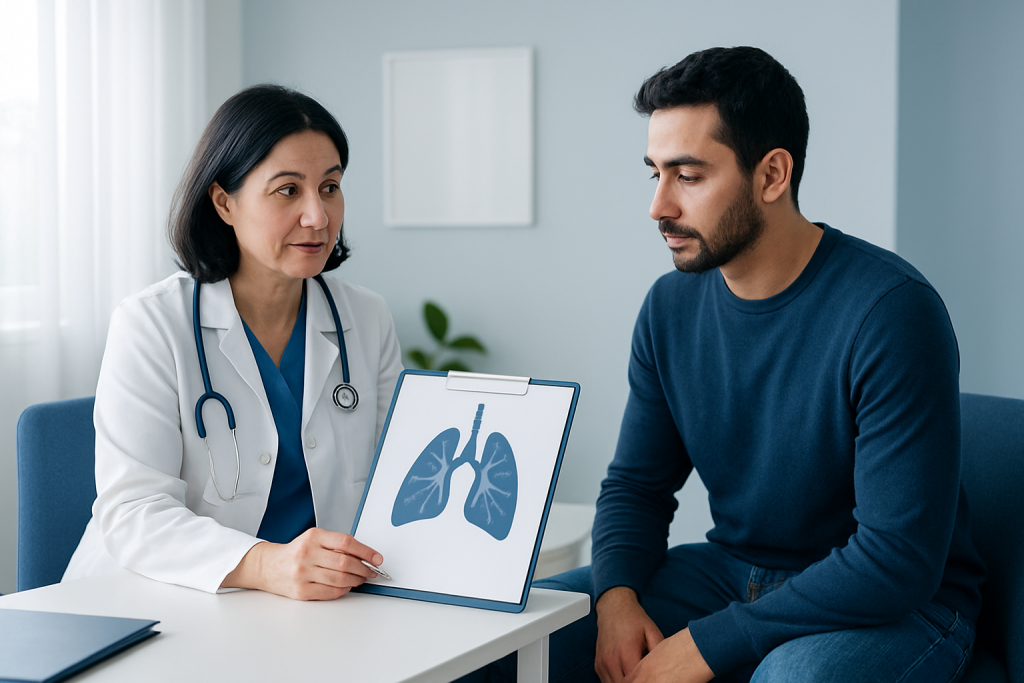
Lung infections are most often caused by viruses or bacteria spread through respiratory droplets, close contact, or contaminated hands touching the nose or mouth. Influenza, RSV, and other respiratory viruses can infect the lungs directly or make the airways vulnerable to a second bacterial infection. Bacterial pneumonia may develop suddenly or follow a viral illness.
Several factors make lung infection more likely or more severe. Smoking damages the lung’s natural defense system, making it harder to clear mucus and germs. Chronic conditions such as asthma, chronic obstructive pulmonary disease, heart disease, diabetes, kidney disease, or neurological disorders can also increase risk. People with reduced immunity, including those receiving cancer treatment, transplant recipients, or people taking immune-suppressing medicines, need especially careful evaluation.
Age also matters. Infants, very young children, and older adults tend to have less reserve when breathing becomes more difficult. Recent hospitalization, difficulty swallowing, immobility, poor oral hygiene, and aspiration of food or liquids into the lungs may raise the risk of pneumonia. In some people, recurrent infections may prompt evaluation for underlying lung problems such as lung cancer or chronic airway disease, depending on the clinical picture.
How doctors diagnose a lung infection
Diagnosis starts with a medical history and physical examination. A doctor asks about the timing of symptoms, sick contacts, smoking, chronic illness, travel, and whether breathing is getting worse. Listening to the lungs may reveal crackles, wheezing, or reduced breath sounds, and oxygen levels are often checked with a fingertip device called a pulse oximeter.
Further tests depend on the person’s symptoms and overall condition. A chest X-ray is commonly used when pneumonia is suspected or when symptoms are significant, prolonged, or atypical. In selected cases, doctors may request blood tests, sputum testing, viral swabs, or more detailed imaging such as a CT scan to look for complications or other causes of symptoms.
Because lung infection symptoms can overlap with other conditions, diagnosis is not always based on one test alone. Doctors may also consider asthma flare, pulmonary embolism, heart failure, tuberculosis, or other respiratory disease. When needed, a person may be assessed by specialists in pulmonology care to clarify the diagnosis and guide treatment.
Treatment options and what recovery may involve
Lung infection treatment depends on the cause, the severity of illness, and the patient’s medical background. Viral infections often improve with supportive care such as rest, fluids, fever control, and time. Bacterial infections may require antibiotics, but these are only helpful when bacteria are the likely cause. This is one reason medical assessment matters: the right treatment depends on the diagnosis.
People with mild illness may recover at home with close follow-up, but more severe cases may need hospital treatment. Hospital care can include oxygen therapy, intravenous fluids, inhaled medications if wheezing is present, and monitoring for complications. When fluid collects around the lungs, additional evaluation may be needed. In some situations, procedures linked to chest diseases treatment are used to investigate persistent symptoms or manage more complex infections.
Recovery time varies. A fever may improve within days, while fatigue and cough can last longer as the lungs heal. People are often advised to rest, stay hydrated, avoid smoking, and gradually return to normal activity. If symptoms are not improving as expected, a doctor may reconsider the diagnosis, check for resistant bacteria, or look for another underlying problem such as pneumonia.
Prevention and self-care
Prevention focuses on reducing exposure to germs and keeping the lungs as healthy as possible. Good hand hygiene, avoiding close contact with people who are ill, covering coughs, and cleaning commonly touched surfaces can all help limit spread. Vaccination is also important. Depending on age and health status, doctors may recommend influenza, COVID-19, and pneumococcal vaccination to lower the risk of severe respiratory infection.
Daily habits also make a difference. Not smoking is one of the most effective ways to protect lung health. People with asthma or chronic lung disease should use prescribed medicines correctly and follow their action plan, because well-controlled chronic disease may reduce the risk of serious infection. Adequate sleep, balanced nutrition, and hydration support recovery and overall immune function.
At home, self-care is mainly supportive. Warm fluids, rest, and a humidified environment may help comfort, but they do not replace medical treatment when breathing symptoms are significant. Over-the-counter remedies should be used carefully, especially in young children, older adults, or people taking multiple medicines. If there is any doubt about worsening symptoms, professional advice is the safest approach.
When to seek medical care
Medical care is recommended when a cough lasts more than a few days and is getting worse, fever is persistent, chest pain occurs with breathing, or shortness of breath develops. People with chronic heart or lung disease, weakened immunity, pregnancy, or advanced age should seek assessment sooner, because complications can develop more quickly in these groups.
Urgent care is needed for severe breathing difficulty, bluish lips or fingertips, confusion, fainting, inability to keep fluids down, or symptoms that worsen rapidly. Parents should seek prompt medical help if a baby or child is breathing fast, struggling to feed, seems unusually sleepy, or has chest retractions.
For patients who need further evaluation, Acibadem International’s multidisciplinary specialists and JCI-accredited hospitals diagnose and treat respiratory conditions for international patients. Follow-up is also important after treatment, especially if symptoms persist, infections keep coming back, or imaging is needed to confirm the lungs are clearing as expected.
Frequently asked questions
Is a lung infection the same as pneumonia?
Not exactly. Lung infection is a broad term that can include bronchitis, bronchiolitis, and pneumonia. Pneumonia specifically affects the air sacs in the lungs and may be more serious than infections limited to the larger airways.
Can a lung infection go away on its own?
Some mild viral lung infections improve with rest, fluids, and time. However, symptoms such as high fever, worsening cough, chest pain, or shortness of breath should be assessed by a doctor because bacterial infection or complications may need treatment.
How long does it take to recover from a lung infection?
Recovery time depends on the cause, severity, age, and general health of the person. Fever may improve within a few days, but cough and tiredness can continue for several weeks while the lungs recover.
Do antibiotics treat every lung infection?
No. Antibiotics work against bacteria, but they do not treat viral infections. A doctor decides whether antibiotics are appropriate based on symptoms, examination findings, and sometimes imaging or tests.
What are the early warning signs that a lung infection is becoming serious?
Warning signs include increasing shortness of breath, rapid breathing, chest pain, confusion, bluish lips, dehydration, or symptoms that worsen instead of improving. In older adults and children, unusual sleepiness or poor feeding can also be important warning signs.
Who is most at risk for complications from a lung infection?
Higher-risk groups include older adults, infants, smokers, and people with asthma, COPD, heart disease, diabetes, or weakened immunity. These individuals may need earlier medical review even if symptoms seem mild at first.
References
- World Health Organization
- Centers for Disease Control and Prevention
- National Heart, Lung, and Blood Institute
- American Lung Association
- National Institute for Health and Care Excellence
This article is for general information only and is not a substitute for professional medical advice. Please consult a qualified doctor about your individual situation.
Lung Infection in Turkey — costs, top hospitals & a free quote
JCI-accredited · board-certified surgeons · reply within 24h
Add us as a Preferred Source to see more of our trusted health content across Google Search, AI Overviews and Discover.