Eyelash Extending Serum — Explained by Medical Evidence, Not Myths

Eyelash extending serum is a broad term that includes both cosmetic conditioners and medically active growth treatments. Prescription prostaglandin analog products have the strongest evidence for increasing lash growth.
Key Takeaways
- Eyelash extending serum is a broad term that includes both cosmetic conditioners and medically active growth treatments.
- Prescription prostaglandin analog products have the strongest evidence for increasing lash growth.
- Common side effects include irritation, redness, itching, and skin darkening along the lash line.
- Products applied near the eyes should be used carefully, especially by people with eye disease, contact lenses, or sensitive skin.
- Persistent irritation, vision changes, pain, or swelling should be assessed by a qualified doctor.
An eyelash extending serum may improve the appearance of lash length, thickness, or fullness, but not all products work the same way. Medical evidence is strongest for prescription prostaglandin-based treatments, while cosmetic serums often rely on conditioning ingredients that may support lash appearance rather than true growth.
What is an eyelash extending serum, and does it work?
An eyelash extending serum is a product applied along the lash line or directly to the eyelashes with the aim of making lashes look longer, fuller, darker, or healthier. The short answer is that some serums can help, but the effect depends very much on the ingredients. Products sold as cosmetics often improve shine, flexibility, and breakage resistance, while medically active formulas may influence the lash growth cycle itself.
From a medical evidence perspective, the best-studied lash growth ingredient class is the prostaglandin analog family. These compounds can extend the growth phase of eyelash hairs, which may lead to visibly longer and thicker lashes over time. By contrast, many over-the-counter serums contain peptides, humectants, conditioning oils, or vitamins that may support the lash shaft and reduce brittleness, but they do not always have the same level of evidence for true growth.
This distinction matters because marketing terms can be confusing. A serum may be called “extending,” “boosting,” or “growth-enhancing,” yet its main benefit may be conditioning rather than increasing the number or length of lashes. Patients often get the best results when they choose a product with realistic expectations and understand that safety around the eyes is just as important as cosmetic benefit.
How eyelash serums work: conditioning vs true growth effects
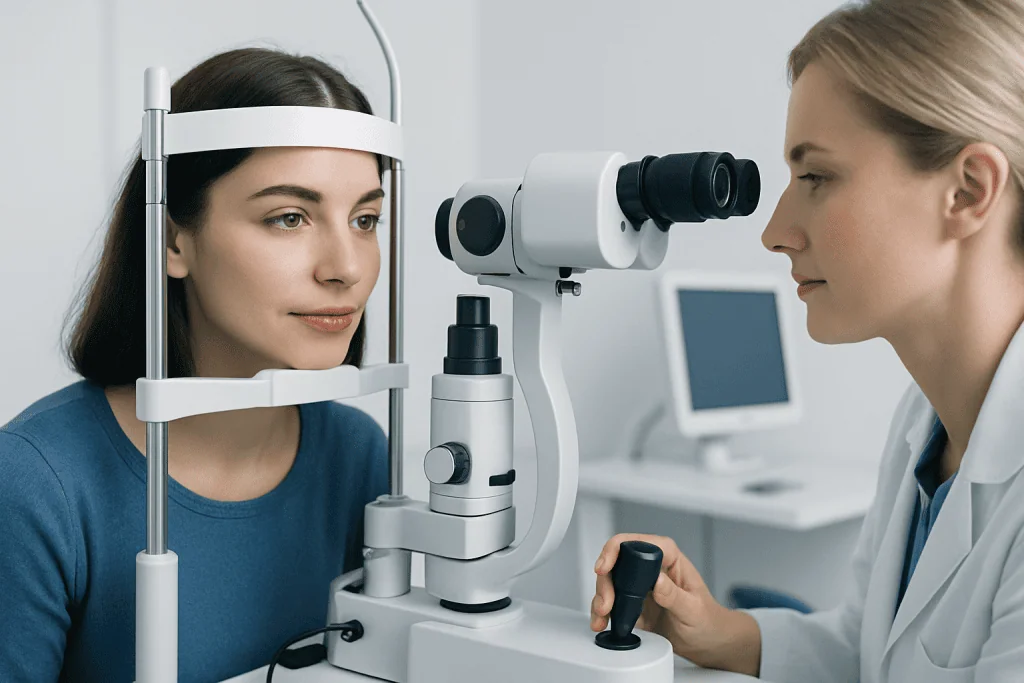
Eyelashes, like other hairs, pass through phases of growth, transition, and rest. A serum can affect lashes in two main ways. First, it may condition the visible hair fiber so lashes look smoother, less brittle, and less likely to break. Second, in some cases, it may alter the hair cycle so lashes stay in the growth phase longer.
Conditioning serums often contain ingredients such as hyaluronic acid, panthenol, amino acids, peptides, or plant-derived emollients. These do not necessarily create new lashes, but they may reduce dryness and breakage. For someone whose lashes appear short because they snap easily, better conditioning can still produce a noticeable cosmetic improvement.
Prostaglandin analog serums work differently. These medically active ingredients can stimulate lash follicles and prolong the anagen, or growth, phase. This is why they have stronger evidence for increasing lash length and fullness. However, because they are biologically active and used near the eye, they also carry a higher chance of side effects and should be used with more caution.
Mechanical factors also affect outcomes. Gentle makeup removal, avoiding rubbing, and minimizing repeated trauma from extensions or harsh curling can improve lash appearance regardless of serum use. In some people, lash thinning may also relate to underlying skin or eye problems such as blepharitis, where treatment of the cause is more important than using a cosmetic serum alone.
Ingredients commonly found in eyelash extending serum

Ingredient lists vary widely, so reading the label is essential. Broadly, products fall into three groups: medically active prostaglandin analog formulas, peptide-based or conditioning cosmetic serums, and products that mainly rely on oils or botanical extracts. The name on the packaging does not always reveal which type it is.
Examples of ingredients often seen in lash serums include:
- Prostaglandin analogs or related compounds that may influence lash growth
- Peptides or amino acid blends intended to support the hair shaft
- Humectants such as hyaluronic acid or glycerin that help retain moisture
- Conditioning agents such as panthenol and certain polymers
- Botanical extracts or oils that may soften lashes but can also trigger irritation in sensitive users
- Preservatives, fragrance, or solvents that may affect tolerability around the eyes
Natural does not always mean safer, especially near the eyelids. Fragrance, essential oils, and some plant extracts can irritate delicate skin or the ocular surface. Likewise, a “dermatologist tested” or “ophthalmologist tested” statement does not guarantee that a product will be risk-free for every user.
People with eczema, contact lens use, dry eye symptoms, or a history of allergies may need to be especially selective. When uncertainty exists, an eye specialist or dermatologist can help review ingredients and decide whether a lash serum is appropriate.
What medical evidence says about benefits and limits
Medical evidence supports the idea that certain prostaglandin analog treatments can increase eyelash length, thickness, and darkness when used correctly over time. These effects are usually gradual rather than immediate. A person generally needs consistent use for weeks to months before deciding whether the product is helping.
For many over-the-counter cosmetic serums, evidence is less robust. Some users report improvement in the look and feel of lashes, but published data may be limited, product-specific, or focused on appearance rather than objective hair growth measurements. This does not mean such products are ineffective; it means their benefits may be more modest and variable.
It is also important to separate normal variation from treatment effect. Lashes naturally differ between individuals based on age, genetics, hormone status, and daily habits. Someone who stops rubbing the eyes, improves eyelid hygiene, and avoids damaging cosmetics may notice healthier lashes even before a serum has time to work.
If lash thinning is significant, sudden, or patchy, clinicians may consider whether an underlying condition is present. Depending on symptoms, evaluation may include assessment for skin disease, eyelid inflammation, nutritional issues, or hair loss disorders such as alopecia. In these cases, a serum alone is unlikely to be the full answer.
Possible side effects and who should be cautious
Because eyelash serums are used so close to the eye, even mild irritation can feel significant. Common side effects include stinging, redness, itching, dryness, watery eyes, and irritation of the eyelid skin. Some users develop contact dermatitis from fragrances, preservatives, or plant ingredients rather than from the main active ingredient itself.
Prostaglandin analog products deserve particular caution. Reported effects can include darkening of the skin along the lash line, increased pigmentation of the iris in some circumstances, and changes in the tissues around the eye. Some people may notice asymmetry if product is applied unevenly or if only one side is treated. These effects are not expected with every user, but they are important to discuss before starting treatment.
People with glaucoma, prior eye surgery, chronic dry eye, recurrent eye inflammation, active eyelid disease, or a history of allergic reactions around the eyes should seek medical advice before use. Contact lens wearers should follow label instructions carefully and avoid getting product into the eye. Anyone who is pregnant, breastfeeding, or using prescription eye medications should ask a clinician whether a particular serum is suitable.
It is also wise to be cautious when combining a serum with eyelash extensions, heavy eye makeup, or adhesive-based cosmetic procedures. Irritation can accumulate from multiple sources, and lash breakage may actually worsen if the area is repeatedly stressed. If irritation develops, stopping the product and seeking guidance is safer than trying to “push through” symptoms.
How doctors evaluate lash loss or irritation
When a person seeks medical advice about lash thinning or a reaction to a serum, the evaluation usually begins with history and examination. A doctor may ask when the problem started, whether it affects one or both eyes, what products are used around the eyes, and whether symptoms include itching, crusting, pain, or visual changes. Existing conditions such as allergies, eczema, thyroid disease, or hair loss disorders may also be relevant.
The eyelids, lashes, and ocular surface are then examined for inflammation, blocked glands, skin changes, infection, or signs of trauma. Sometimes the key issue is not the serum itself but chronic eyelid inflammation, makeup residue, or extension-related damage. In selected cases, patients may be referred for evaluation in ophthalmology or by a dermatologist if skin disease is suspected.
Tests are not always needed, but persistent or unexplained lash loss may lead to further assessment. Depending on the situation, doctors may look for dermatitis, autoimmune causes, infection, or hormonal or nutritional contributors. If symptoms suggest inflammation at the eyelid margin, treatment may overlap with care used for eye diseases treatment.
This medical evaluation helps distinguish a cosmetic concern from a condition that needs targeted treatment. It also protects the eye, which is especially important because self-directed use of multiple cosmetic products can delay correct diagnosis.
Safe use, alternatives, and prevention of lash damage
For people who choose to use an eyelash extending serum, careful application is essential. The product should be applied exactly as directed, usually in a thin layer on clean skin at the lash margin, without overuse. More product does not usually produce faster results and may increase irritation. Hands should be washed first, and the applicator should not touch the eye surface.
Patch testing may be helpful for products likely to contact the surrounding skin, although the eyelid area remains more sensitive than other sites. Sharing serum applicators is not recommended. Expired products should be discarded, and any product that changes color, smell, or texture should be avoided.
Prevention of lash damage often starts with everyday habits:
- Remove eye makeup gently rather than rubbing
- Avoid sleeping in mascara or eyeliner
- Limit repeated use of waterproof products that require harsh removal
- Be cautious with eyelash extensions, adhesives, and heated tools
- Keep the eyelid margin clean, especially if crusting or oil buildup is common
If a person wants fuller lashes but has reacted to serums, alternatives may include changing cosmetic practices, using less irritating products, or treating the underlying cause of lash loss. In some cases, support from dermatology can help identify skin sensitivities or inflammatory conditions affecting the eyelids and lashes.
When to seek medical care
Medical advice is appropriate if lash loss is sudden, patchy, persistent, or accompanied by other symptoms. A doctor should also assess reactions that do not quickly settle after the product is stopped. The goal is not only to improve appearance, but also to protect the eye and identify any underlying condition.
A person should seek prompt care if they develop eye pain, marked redness, swelling, discharge, light sensitivity, blurred vision, or a feeling that something is stuck in the eye. These symptoms may indicate a problem that goes beyond simple cosmetic irritation and should not be managed with home care alone.
Even without urgent symptoms, professional assessment can be helpful when products repeatedly cause irritation, when lashes have become sparse after extensions or cosmetic procedures, or when there is concern about long-term use of active ingredients. At Acibadem International, multidisciplinary specialists in dermatology and ophthalmology at JCI-accredited hospitals evaluate eyelid and lash concerns for international patients when needed.
Frequently asked questions
Is eyelash extending serum the same as a lash conditioner?
Not always. Some products mainly condition the lash hair so it looks smoother and breaks less easily, while others contain active ingredients intended to stimulate lash growth. Reading the ingredient list is more useful than relying on marketing terms alone.
How long does an eyelash serum take to show results?
Results are usually gradual and may take several weeks or a few months, depending on the product and the natural lash cycle. Conditioning effects may appear sooner than true growth effects. If a product has not helped after consistent use for the expected period, a doctor can advise whether another cause of lash thinning should be considered.
Can eyelash serums damage the eyes?
They can cause irritation, especially if the product gets into the eye or if the skin is sensitive to an ingredient. Medically active prostaglandin-based products may also have more specific side effects around the eyelids and eye tissues. Any pain, vision change, or significant redness should be evaluated promptly.
Are over-the-counter eyelash serums effective?
Some over-the-counter products may improve lash appearance by moisturizing and reducing breakage. However, evidence for true lash growth is generally stronger for prescription prostaglandin analog treatments than for cosmetic serums. Effectiveness varies significantly from one formula to another.
Who should avoid using an eyelash extending serum without medical advice?
People with glaucoma, active eye inflammation, chronic dry eye, recent eye surgery, eyelid dermatitis, or known allergies around the eyes should be cautious. Pregnant or breastfeeding individuals and those using prescription eye medications should also ask a qualified clinician before starting a serum.
Can lash extensions and lash serums be used together?
Sometimes, but caution is needed. Extensions, adhesives, and repeated handling can already stress the lashes and eyelid skin, so adding a serum may increase irritation in some people. If lashes are thinning or the eyelids are inflamed, medical assessment is a better first step than layering more products.
References
- American Academy of Ophthalmology
- U.S. Food and Drug Administration
- National Eye Institute
- American Academy of Dermatology
- MedlinePlus
This article is for general information only and is not a substitute for professional medical advice. Please consult a qualified doctor about your individual situation.
Explore treatments in Turkey — costs, top hospitals & a free quote
JCI-accredited · board-certified surgeons · reply within 24h
Add us as a Preferred Source to see more of our trusted health content across Google Search, AI Overviews and Discover.

More from the Health Library

Eca Stack: An Evidence-Based Guide for Patients

Fat Loss Vibration Plate: An Evidence-Based Guide for Patients

Cardamom Pods: A Complete Medical Overview

Eggplant Benefits — Explained by Medical Evidence, Not Myths

Ghosting Types: What Patients Need to Know