

Hemoglobin Electrophoresis: What Patients Need to Know

Hemoglobin electrophoresis shows which types of hemoglobin are present in the blood. The test is commonly used to evaluate anemia and inherited hemoglobin disorders.
Key Takeaways
- Hemoglobin electrophoresis shows which types of hemoglobin are present in the blood.
- The test is commonly used to evaluate anemia and inherited hemoglobin disorders.
- Results are interpreted together with a complete blood count, iron studies, symptoms, and family history.
- An abnormal result does not always mean serious illness, but it does need medical interpretation.
- The test usually requires only a standard blood sample and little preparation.
Hemoglobin electrophoresis is a blood test used to identify different types of hemoglobin, the protein in red blood cells that carries oxygen. It helps doctors investigate anemia, confirm inherited blood disorders such as sickle cell disease or thalassemia, and guide follow-up testing when results are abnormal.
What hemoglobin electrophoresis is and why it is done
Hemoglobin electrophoresis is a laboratory blood test that separates and measures different forms of hemoglobin. Hemoglobin is the iron-containing protein inside red blood cells that carries oxygen from the lungs to the rest of the body. Most adults have mainly hemoglobin A, with small amounts of other normal forms such as hemoglobin A2 and hemoglobin F.
Doctors order hemoglobin electrophoresis when they need to find out whether a person has an abnormal type of hemoglobin or an unusual pattern of normal hemoglobin. This can help explain symptoms such as tiredness, pale skin, shortness of breath, or repeated episodes of anemia. It is also often used when there is a family history of inherited blood conditions.
The test is especially helpful for identifying disorders in which hemoglobin is structurally different or produced in abnormal amounts. These include thalassemia and sickle cell anemia, as well as hemoglobin traits that may not cause symptoms but can be passed on to children.
Hemoglobin electrophoresis is not usually interpreted alone. Doctors typically review it along with a complete blood count, red blood cell indices, iron studies, and the person’s age, background, symptoms, and family history to understand what the results mean in context.
How the test works and what to expect
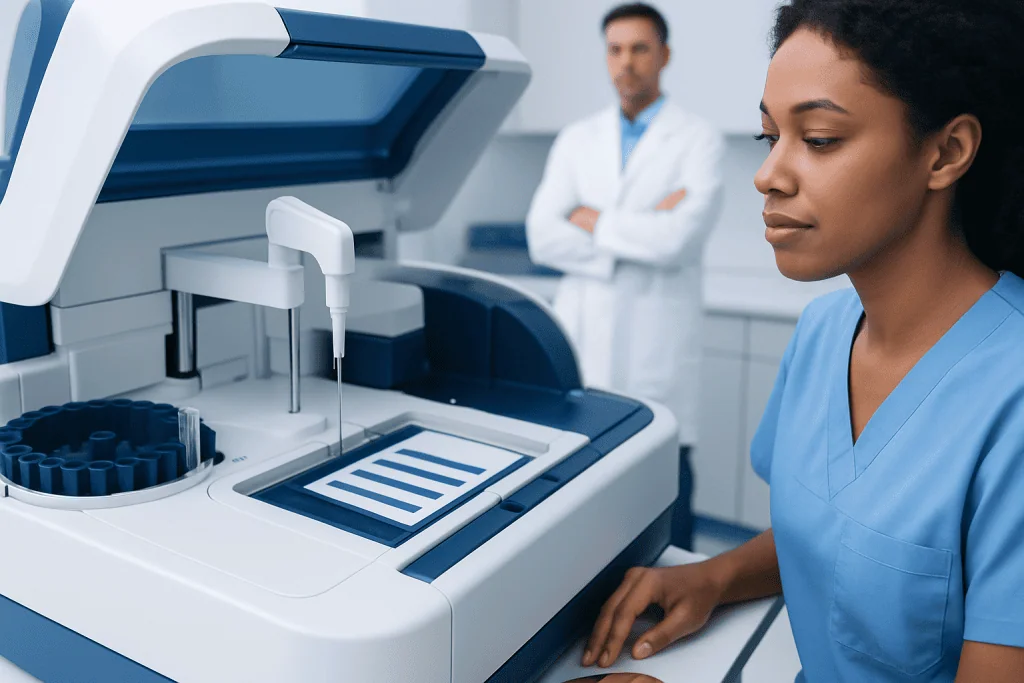
The test is performed on a blood sample, usually taken from a vein in the arm. In the laboratory, different hemoglobin types are separated based on how they move in an electric field. Some laboratories may use related methods, such as high-performance liquid chromatography, alongside or instead of traditional electrophoresis to provide a detailed hemoglobin profile.
For most people, preparation is simple. No special fasting is usually needed unless the test is being done with other blood work that requires it. It is a good idea for patients to tell their doctor about recent blood transfusions, pregnancy, known blood disorders, and any previous test results, because these factors can affect interpretation.
The blood draw itself is brief. A person may feel a quick pinch, and mild bruising can occur afterward, but serious problems are uncommon. Normal activities can usually be resumed immediately after the sample is taken.
Doctors may order hemoglobin electrophoresis for adults, children, or newborns, depending on the clinical situation. In some cases, it is used as part of screening; in others, it is ordered after a routine blood test suggests small red blood cells, low hemoglobin, or another unexplained abnormality.
When doctors may recommend hemoglobin electrophoresis

Hemoglobin electrophoresis is often recommended when a person has signs of anemia or when routine blood tests show red blood cell changes that need further explanation. It is particularly useful when iron deficiency alone does not fully explain the pattern seen on laboratory tests, or when anemia keeps recurring.
Doctors may also order the test in people with a family history of sickle cell disease, thalassemia, or another inherited hemoglobin disorder. It can help identify a carrier state, sometimes called a trait, even in people who feel well. This can be important for family planning and genetic counseling.
Common reasons for testing include:
- Unexplained anemia
- Small red blood cells on a complete blood count
- Jaundice or evidence of red blood cell breakdown
- Pain episodes or complications suggesting sickle cell disease
- A family history of hemoglobin disorders
- Evaluation before pregnancy or during prenatal care
- Follow-up of newborn screening results
Sometimes the test is used after another condition has already been suspected. For example, if a blood count pattern suggests thalassemia, hemoglobin electrophoresis can help support the diagnosis and guide the next steps, including possible specialist evaluation.
Understanding hemoglobin electrophoresis results
Results usually report the types of hemoglobin found and the relative amount of each. In adults, hemoglobin A is usually the main type. Small amounts of hemoglobin A2 and hemoglobin F may also be present. When a significant amount of an abnormal hemoglobin such as hemoglobin S or C is detected, doctors consider whether this pattern fits a trait, a disease, or another variant.
Interpretation can be complex, because the same result may mean different things in different people. For example, a person with sickle cell trait has a different pattern from someone with sickle cell disease. Likewise, elevated hemoglobin A2 may suggest beta thalassemia trait, but iron deficiency or recent transfusion can influence the picture.
Normal and abnormal ranges can vary somewhat between laboratories. Age also matters: newborns naturally have more hemoglobin F than adults, so pediatric results are assessed differently. This is one reason patients should review results with a qualified clinician rather than trying to diagnose themselves from numbers alone.
If results are unclear, the doctor may recommend additional tests. These can include a complete blood count, iron studies, reticulocyte count, peripheral smear, genetic testing, or evaluation by a hematology specialist. In some situations, comprehensive assessment may include advanced blood studies and supportive care through services such as hematology evaluation.
Conditions the test can help detect
Hemoglobin electrophoresis helps detect and classify several inherited disorders of hemoglobin. One major group includes structural hemoglobin variants, in which the hemoglobin protein itself is altered. Sickle cell disease is the best-known example. Another important group includes thalassemias, in which the body does not make normal amounts of one of the hemoglobin chains.
The test may help identify:
- Sickle cell disease and sickle cell trait
- Beta thalassemia trait or disease
- Some forms of alpha thalassemia, though additional testing is often needed
- Hemoglobin C, D, E, and other variants
- Persistently increased hemoglobin F in some disorders
Not every hemoglobin disorder is fully diagnosed by electrophoresis alone. Some conditions, particularly certain alpha thalassemias, may require genetic testing because the electrophoresis pattern can be normal or only subtly changed. Doctors may therefore combine this test with other laboratory and family studies to reach an accurate diagnosis.
When a clinically important disorder is confirmed, management depends on the specific condition and its severity. Some people only need monitoring and education, while others may require ongoing specialist care, transfusion support, or treatments aimed at complications of chronic anemia or hemolysis. If needed, treatment planning may also involve bone marrow transplantation in selected severe inherited blood disorders.
What happens after an abnormal result
An abnormal hemoglobin electrophoresis result is a starting point for discussion, not the final word by itself. The doctor will review the result together with symptoms, physical findings, blood counts, iron status, and family history. This careful approach helps distinguish a harmless carrier state from a condition that needs active treatment or monitoring.
Some people will be referred to a hematologist, a doctor who specializes in blood disorders. The specialist may explain whether the result suggests a trait, a mild chronic condition, or a more complex disorder. Family members may sometimes be offered testing as well, especially when an inherited condition is found.
Follow-up may include repeat blood tests, genetic counseling, or organ-specific evaluation if there are signs of complications. In people with known sickle cell disease or severe thalassemia, care can involve monitoring for anemia, pain, infection risk, growth issues, and effects on the heart, liver, or spleen. In selected cases, doctors may recommend advanced treatment options, including stem cell transplant, when appropriate for the underlying disease.
Near the end of the care pathway, some patients seek coordinated international evaluation. Acibadem International’s multidisciplinary specialists and JCI-accredited hospitals diagnose and treat inherited and acquired blood disorders for international patients when further assessment or treatment is needed.
When to seek medical care
Medical advice should be sought if a person has ongoing tiredness, weakness, pale skin, unexplained jaundice, repeated anemia, or a family history of a hemoglobin disorder. These symptoms do not always mean a serious condition, but they do deserve proper evaluation. Early testing can clarify whether an inherited blood disorder, iron deficiency, or another cause is involved.
Prompt care is especially important for infants or children with poor growth, unusual sleepiness, frequent infections, or persistent paleness. Adults who are planning a pregnancy may also benefit from medical consultation if either partner has a personal or family history of thalassemia, sickle cell disease, or an abnormal hemoglobin trait.
Urgent medical attention is needed if severe symptoms develop, such as chest pain, fainting, trouble breathing, severe weakness, or signs of a pain crisis in someone known to have sickle cell disease. Patients should not delay care if they feel acutely unwell.
For day-to-day health, self-care means following medical advice, attending follow-up appointments, and asking whether family screening or genetic counseling would be useful. People should avoid assuming that all anemia is caused by low iron, because the wrong treatment can delay the correct diagnosis.
Frequently asked questions
What is hemoglobin electrophoresis used for?
Hemoglobin electrophoresis is used to identify the types of hemoglobin present in a blood sample. It helps doctors diagnose inherited hemoglobin disorders such as sickle cell disease and thalassemia, and it can also help explain certain types of anemia.
Do patients need to fast before hemoglobin electrophoresis?
Usually, no fasting is needed for hemoglobin electrophoresis. However, if the blood draw is being combined with other tests, the doctor may give specific instructions about preparation.
Can hemoglobin electrophoresis diagnose sickle cell trait?
Yes, hemoglobin electrophoresis can often identify sickle cell trait by showing a characteristic pattern of hemoglobin types. A doctor will interpret the result carefully to distinguish trait from sickle cell disease.
Can iron deficiency affect hemoglobin electrophoresis results?
Yes, iron deficiency can influence how some results are interpreted, especially when thalassemia is being considered. That is why doctors often order iron studies and a complete blood count at the same time.
Does an abnormal result always mean a serious illness?
No, not always. Some abnormal results reflect a carrier state, also called a trait, which may not cause symptoms but can be important for family planning and understanding inherited risk.
How long does it take to get results?
Timing varies by laboratory and healthcare setting. Some results may be available within a few days, while more complex analysis or confirmatory testing can take longer.
References
- National Heart, Lung, and Blood Institute
- Centers for Disease Control and Prevention
- MedlinePlus
- American Society of Hematology
- National Institute of Diabetes and Digestive and Kidney Diseases
This article is for general information only and is not a substitute for professional medical advice. Please consult a qualified doctor about your individual situation.
Explore treatments in Turkey — costs, top hospitals & a free quote
JCI-accredited · board-certified surgeons · reply within 24h
Add us as a Preferred Source to see more of our trusted health content across Google Search, AI Overviews and Discover.

More from the Health Library



Related Specialists

Prof. Dr. Murat Kemal Atahan
General Surgery
Dr. Tunca Cingöz
Orthopedic Surgery & Traumatology
Assoc. Prof. Dr. Mahmut Subaşı
Thoracic Surgery
Dr. M. Ecem Albayrak
Gynecology & Obstetrics