Sex Bench — Explained by Medical Evidence, Not Myths

A sex bench is an intimacy aid designed to support positioning, balance, and comfort. It may be helpful for adults with back pain, joint stiffness, reduced mobility, or discomfort during sex.
Key Takeaways
- A sex bench is an intimacy aid designed to support positioning, balance, and comfort.
- It may be helpful for adults with back pain, joint stiffness, reduced mobility, or discomfort during sex.
- Safe use matters: stability, hygiene, communication, and avoiding painful positions are important.
- Persistent pain, bleeding, erectile problems, pelvic symptoms, or injury should be assessed by a doctor.
- Medical care focuses on the underlying issue, such as pelvic pain, musculoskeletal strain, or sexual dysfunction.
A sex bench is a piece of furniture intended to support body positioning during intimacy. From a medical perspective, it is neither inherently harmful nor medically necessary, but it may help some adults improve comfort, reduce strain, and adapt to mobility or pain-related limitations when used safely.
What a Sex Bench Is, in Medical Terms
A sex bench is a supportive piece of furniture designed to change body position during intimacy. In practical terms, it may help distribute weight, reduce pressure on certain joints, and allow partners to try positions with less physical effort. Medical evidence does not treat a sex bench as a therapy on its own, but clinicians may recognize that positioning aids can improve comfort for some adults.
The most useful way to understand a sex bench is not through myths or marketing claims, but through biomechanics and sexual health. If a person has hip stiffness, back pain, reduced flexibility, fatigue, or difficulty maintaining certain positions, supportive furniture may reduce strain. For others, it may simply be unnecessary, and many people can achieve comfort with pillows, communication, and slower pacing instead.
A sex bench does not increase fertility, treat sexual dysfunction, or guarantee better intimacy. It is best viewed as an optional comfort aid. Whether it is helpful depends on a person’s anatomy, mobility, pain levels, medical conditions, and how safely it is used.
Who Might Find It Helpful
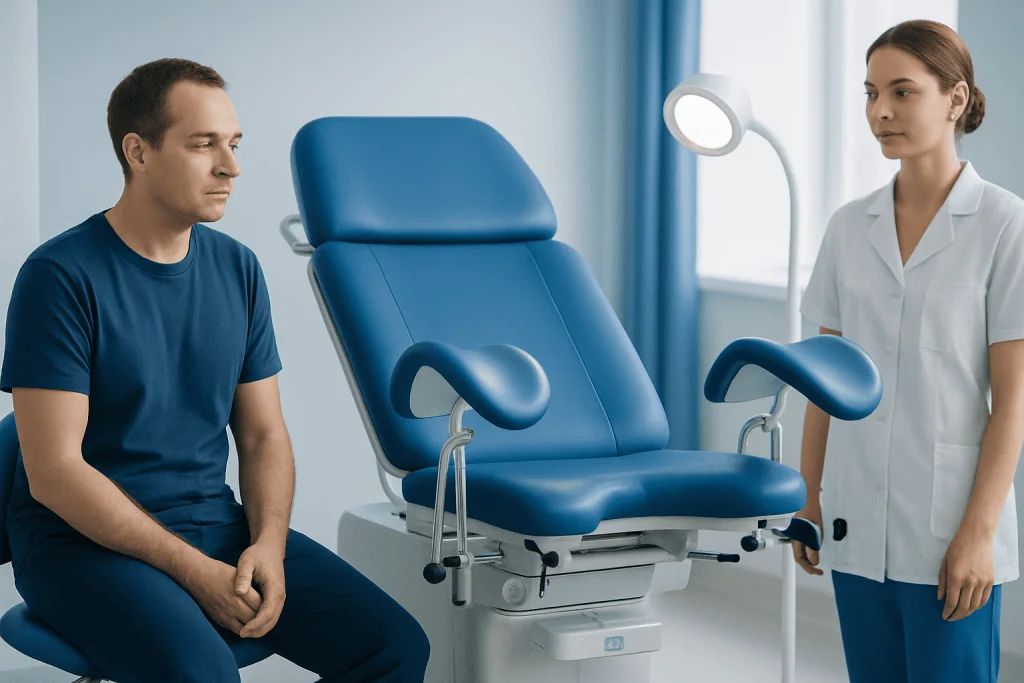
Some adults may find that a sex bench makes intimacy more comfortable or accessible. This can be relevant for people with arthritis, chronic low back pain, neck tension, limited range of motion, larger body size, recovery from certain injuries, or age-related changes in balance and flexibility. It may also help reduce the effort needed to hold positions for longer periods.
People who experience discomfort during intercourse may benefit from evaluating positioning. In some cases, modifying angles and reducing pressure can help. However, pain during sex should not automatically be attributed to positioning alone. Ongoing discomfort may relate to gynecologic, urologic, pelvic floor, dermatologic, hormonal, or psychological factors and deserves proper evaluation.
For those with pelvic symptoms, a clinician may assess for underlying conditions such as vaginismus or other causes of pain with penetration. Men who avoid intimacy because of erection-related concerns may need evaluation for erectile dysfunction rather than relying on furniture or positioning changes alone. In this sense, a sex bench may support comfort, but it should not replace medical assessment when symptoms persist.
What Medical Evidence Says About Benefits

There is limited research that studies sex benches specifically, but there is broader clinical understanding that body support, ergonomic positioning, and pain reduction strategies can affect sexual comfort. In rehabilitation medicine, pelvic health, and musculoskeletal care, clinicians often recommend modifying positions to reduce stress on the hips, knees, spine, shoulders, or pelvic floor. A sex bench may work as one such positioning aid.
Potential benefits may include better support for the lower back, less pressure on the knees or wrists, and improved balance. For some couples, this can lower anxiety about pain or physical limitation, which may help intimacy feel less effortful. These possible benefits are individual and depend heavily on proper use, comfort, and communication between partners.
Still, no intimacy aid should be presented as a cure. If a person has pain, numbness, muscle spasm, bleeding, urinary symptoms, genital skin irritation, or persistent sexual difficulties, these symptoms should be assessed medically. Treatment may involve pelvic floor therapy, pain management, counseling, medication, or targeted care for the underlying condition rather than the aid itself.
Risks, Safety, and Hygiene Considerations
The main medical concerns are physical strain, falls, friction injury, and delayed care for an underlying problem. A poorly built or unstable bench can increase the risk of slipping or sudden twisting, especially in people with reduced balance, osteoporosis, joint disease, or recent surgery. Positions that force the spine, hips, or knees beyond a comfortable range can also trigger pain or injury.
Hygiene matters as well. Any surface used for intimate contact should be easy to clean and non-irritating to the skin. Materials that trap moisture or cannot be properly sanitized may increase the chance of skin irritation or infection risk, particularly if there are cuts, friction burns, or sensitivity to certain fabrics or finishes.
General safety steps include using only stable furniture designed to bear weight, stopping immediately if there is pain, and avoiding alcohol or sedating substances if balance is a concern. People with recent childbirth, pelvic surgery, joint replacement, severe osteoporosis, spinal problems, or significant heart symptoms should speak with a doctor about resuming sexual activity safely. If pelvic pain is part of the concern, evaluation may include pelvic floor therapy as a more direct medical approach.
When Discomfort During Sex Needs Medical Evaluation
Temporary discomfort from an awkward position can happen, but recurring pain is not something a person should simply work around. Pain with penetration, deep pelvic pain, burning, pelvic pressure, erectile changes, vaginal dryness, genital numbness, or pain after orgasm may point to a health issue that deserves attention. In these cases, changing furniture or position may reduce symptoms but may not solve the cause.
Doctors often look at the full picture: musculoskeletal health, hormones, pelvic floor function, medications, mental health, and relationship factors. Depending on symptoms, assessment may involve a gynecologist, urologist, pelvic floor specialist, physical medicine doctor, or psychologist. If structural pelvic problems are suspected, care may include imaging or specialist examination.
For women with persistent pelvic pain, pressure, or other gynecologic symptoms, clinicians may assess conditions such as endometriosis or other pelvic disorders. For men with curvature, pain, or erection difficulty, focused sexual medicine or urology care may be needed. In selected cases, treatment can involve options such as sexual dysfunction treatment or evaluation by a specialist team.
How Doctors Assess Related Symptoms
Medical evaluation usually begins with a symptom history rather than assumptions about intimacy aids. A doctor may ask when the problem began, whether symptoms occur every time or only in certain positions, and whether there is pain, bleeding, dryness, urinary trouble, pelvic pressure, or reduced desire. Questions about injury history, childbirth, menopause, medications, stress, and chronic illness are also common.
A physical examination may be appropriate depending on the concern. This can include assessment of the back, hips, pelvic floor, joints, abdomen, genital area, or prostate. Some people may also need blood tests, imaging, or referral to a gynecologist, urologist, pain specialist, or pelvic floor therapist.
The goal is to identify the cause of symptoms and create a plan that improves comfort and function. That plan may involve pain management, lubrication guidance, pelvic floor rehabilitation, counseling, treatment of infection or inflammation, or care for a hormonal or vascular issue. A positioning aid such as a sex bench may be discussed as one supportive strategy, but usually not as the central treatment.
Practical Self-Care and Communication Tips
For adults who choose to use a sex bench, comfort and communication should come first. It helps to begin slowly, test stability before full weight is applied, and avoid any position that causes stretching, pinching, numbness, or sharp pain. Using extra cushions, taking breaks, and changing angles gradually may reduce strain on the hips, knees, and lower back.
Lubrication may help reduce friction for some people, especially when dryness contributes to discomfort. Warm-up, foreplay, and relaxed pacing can also reduce muscle guarding and anxiety. If one partner has a known musculoskeletal issue, choosing positions that keep the spine neutral and joints supported is often more important than trying to achieve a specific posture.
It is also important to discuss boundaries and symptoms openly. If either partner feels pain, dizziness, shortness of breath, chest discomfort, or emotional distress, the activity should stop. Near the end of the care pathway, some international patients choose assessment at centers such as Acibadem International, where multidisciplinary specialists in JCI-accredited hospitals evaluate sexual health, pelvic pain, and related conditions in a coordinated way.
When to Seek Medical Care
A person should seek medical care if pain during or after sex is persistent, worsening, or severe. Evaluation is also important if there is vaginal bleeding unrelated to menstruation, genital sores, discharge with odor, urinary burning, pelvic swelling, testicular pain, erection problems that continue, or new numbness and weakness.
Urgent care is needed after a fall, sudden back injury, severe pelvic pain, chest pain, fainting, or significant bleeding related to sexual activity. These symptoms may indicate an injury or a medical condition that should not be managed at home. People who are pregnant, recovering from surgery, or advised to restrict activity should ask a doctor when sexual activity is safe again.
Even when symptoms seem mild, repeated discomfort is worth discussing with a qualified clinician. Early evaluation can help identify treatable causes and reduce the temptation to rely on workarounds that may not address the real issue. If needed, specialist care may include rehabilitation, gynecologic or urologic treatment, and, in selected cases, urology care.
Frequently asked questions
Is a sex bench medically safe?
For many adults, a sex bench can be used safely if it is stable, clean, and comfortable. Safety depends on the individual's health, mobility, and whether the position causes pain, strain, or loss of balance.
Can a sex bench help with back or joint pain during sex?
It may help some people by supporting body weight and reducing pressure on the back, knees, or hips. However, persistent pain should still be evaluated, because an underlying musculoskeletal or pelvic health problem may need treatment.
Does a sex bench treat erectile dysfunction or low libido?
No. A sex bench may improve comfort or positioning, but it does not treat the medical causes of erectile dysfunction, hormonal changes, or low sexual desire. If these issues continue, a medical assessment is the best next step.
Should pain during sex be blamed on positioning alone?
Not always. Position can affect comfort, but recurring pain may relate to pelvic floor dysfunction, vaginal dryness, endometriosis, infection, skin conditions, or other medical concerns. Ongoing symptoms should be discussed with a doctor.
Who should be especially cautious about using a sex bench?
People with recent surgery, severe arthritis, osteoporosis, spinal problems, balance issues, pregnancy-related restrictions, or significant heart symptoms should be careful. It is wise to ask a doctor what types of sexual activity are safe in these situations.
Are there simpler alternatives to a sex bench?
Yes. Many people achieve better comfort with pillows, wedges, slower pacing, lubrication, and open communication about pain or fatigue. A supportive aid is optional and should be chosen only if it genuinely improves comfort and safety.
References
- World Health Organization
- American College of Obstetricians and Gynecologists
- American Urological Association
- International Society for Sexual Medicine
- National Institute on Aging
This article is for general information only and is not a substitute for professional medical advice. Please consult a qualified doctor about your individual situation.
Joint and spine care in Turkey — expert assessment & treatment
JCI-accredited · board-certified surgeons · reply within 24h
Add us as a Preferred Source to see more of our trusted health content across Google Search, AI Overviews and Discover.