

Pulmonary Infarction — Explained by Medical Evidence, Not Myths
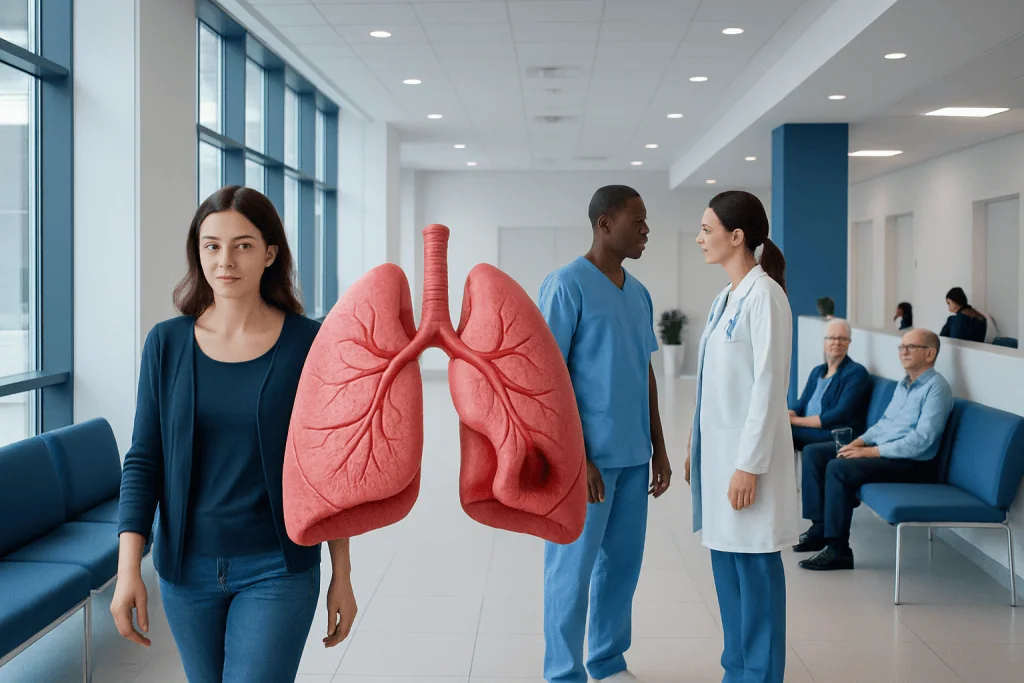
Pulmonary infarction usually happens when a blood clot blocks blood flow to part of the lung. Common symptoms include chest pain that worsens with breathing, shortness of breath, cough, and sometimes coughing up blood.
Key Takeaways
- Pulmonary infarction usually happens when a blood clot blocks blood flow to part of the lung.
- Common symptoms include chest pain that worsens with breathing, shortness of breath, cough, and sometimes coughing up blood.
- Diagnosis often involves imaging tests, blood tests, and evaluation for pulmonary embolism or other causes of reduced lung blood flow.
- Treatment focuses on the cause, especially blood clots, while also supporting breathing, pain control, and recovery.
- Urgent medical care is important for sudden chest pain, breathing difficulty, or coughing up blood.
Pulmonary infarction means part of the lung has been injured because its blood supply was reduced or blocked, most often by a pulmonary embolism. It is a medical condition that needs proper evaluation, but with timely diagnosis and treatment, many people recover well.
Overview: what pulmonary infarction means
Pulmonary infarction is an area of lung tissue injury caused by a loss or major reduction of blood flow. In most cases, this happens when a blood clot travels to the lungs and blocks an artery or one of its branches. The clot itself is called a pulmonary embolism, and the tissue damage that may follow is called pulmonary infarction.
Not every pulmonary embolism causes infarction. The lungs have a dual blood supply, which means they receive blood from both the pulmonary and bronchial circulations. Because of this backup system, some people have a clot without tissue death. Infarction is more likely when the blockage affects smaller peripheral vessels, when blood flow is already reduced, or when a person has underlying heart or lung disease.
Pulmonary infarction can cause sharp chest pain, shortness of breath, cough, fever, and sometimes blood-streaked sputum. These symptoms can overlap with pneumonia, pleurisy, or even a heart problem, so medical assessment is important. The key point is that pulmonary infarction is not a myth or a vague imaging finding; it is a real consequence of impaired circulation in the lung that should be evaluated using evidence-based care.
Symptoms and how they may feel

Symptoms of pulmonary infarction often begin suddenly, although the exact pattern varies from person to person. A common symptom is pleuritic chest pain, which is a sharp pain that gets worse with deep breathing, coughing, or movement. Shortness of breath is also common and may be mild or more noticeable depending on the size of the affected area and the person’s overall lung health.
Some people develop a cough, and a smaller number may cough up blood or blood-streaked mucus. This can happen because the damaged lung tissue and nearby small blood vessels become inflamed. Other possible symptoms include a fast heart rate, lightheadedness, mild fever, anxiety, or a feeling of not getting enough air.
Symptoms do not always match the size of the infarction. A relatively small infarct near the lining of the lung can cause significant pain, while a deeper lesion may be less painful. Because pulmonary infarction is often related to pulmonary embolism, symptoms should never be dismissed if they start suddenly or feel unusual.
- Sharp chest pain, especially with breathing
- Shortness of breath
- Cough
- Coughing up blood
- Fast heartbeat
- Mild fever or a general unwell feeling
Causes and risk factors
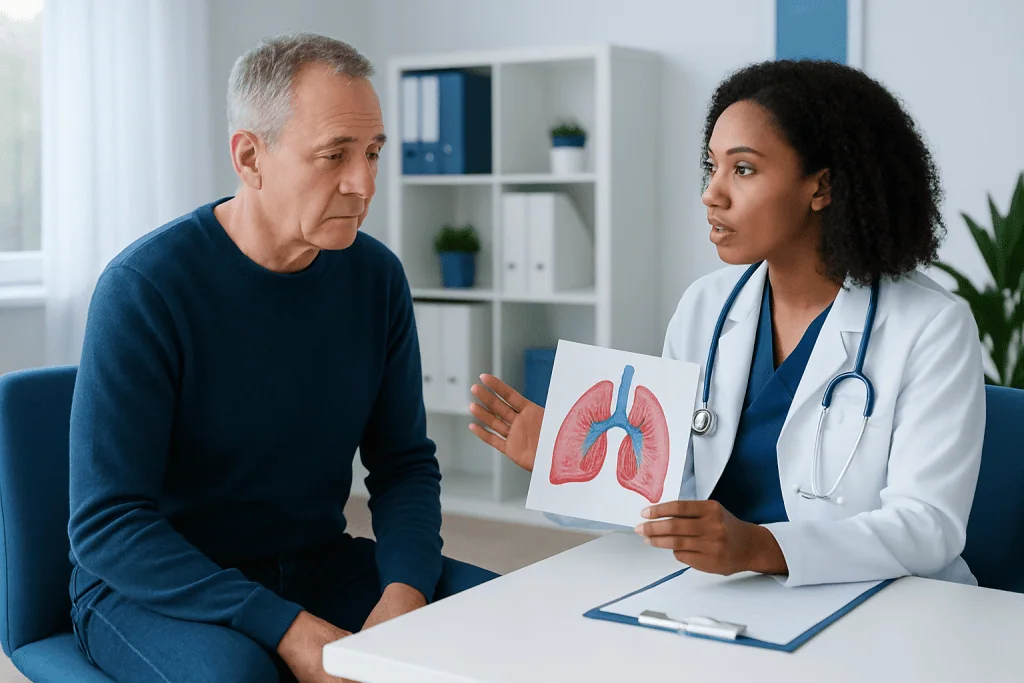
The most common cause of pulmonary infarction is pulmonary embolism, usually from a blood clot that starts in a deep vein, often in the leg or pelvis, and travels to the lungs. This process is closely related to deep vein thrombosis. When the clot blocks circulation, the surrounding lung tissue may not receive enough oxygenated blood, leading to infarction.
Risk factors often reflect the risk factors for blood clots. These include recent surgery, prolonged immobility, long-distance travel, hospitalization, cancer, pregnancy and the postpartum period, smoking, obesity, and use of estrogen-containing medications. Certain inherited or acquired clotting disorders can also increase the chance of venous thromboembolism.
Underlying heart or lung disease may make infarction more likely because the lungs have less reserve and poorer collateral blood flow. Conditions such as heart failure, chronic lung disease, or previous vascular disease can reduce the lung’s ability to compensate. Less common causes of pulmonary infarction include vasculitis, trauma, septic emboli, and rarely other disorders that narrow or block pulmonary vessels.
How doctors diagnose pulmonary infarction
Diagnosis starts with the person’s symptoms, medical history, and physical examination. Because pulmonary infarction is commonly caused by a pulmonary embolism, doctors often first assess the likelihood of a clot. They may ask about recent surgery, travel, leg swelling, hormone therapy, prior clots, cancer, pregnancy, or prolonged bed rest.
Imaging is central to diagnosis. A CT pulmonary angiogram is commonly used to look for a clot in the lung arteries and may also show wedge-shaped changes in the lung that suggest infarction. In some situations, a ventilation-perfusion scan may be used instead. A chest X-ray can help rule out other conditions, but it cannot reliably confirm or exclude pulmonary infarction on its own.
Blood tests may include a D-dimer in selected patients, as well as tests to check oxygen levels and general health. Ultrasound of the legs may be used if deep vein thrombosis is suspected. If heart strain is a concern, an ECG and echocardiogram may be part of the assessment. In a hospital setting, clinicians combine symptoms, examination findings, laboratory data, and imaging to make the diagnosis and decide how urgently treatment is needed.
Treatment options and recovery
Treatment focuses on the underlying cause, most often a blood clot in the lung. Anticoagulant medicines are commonly used to prevent the clot from growing and to reduce the risk of new clots forming. In more severe cases, especially when blood pressure is unstable or there is major strain on the heart, advanced treatment may be considered, such as treatment for pulmonary embolism or catheter-based approaches selected by a specialist team.
Supportive care is also important. This may include oxygen if levels are low, pain relief for pleuritic chest pain, and treatment of any contributing condition. If the person has significant breathing problems, monitoring in hospital may be needed. When pulmonary infarction leads to inflammation around the lung lining, pain can last for days or weeks even as the clot is being treated.
Recovery depends on the size of the infarction, the cause, and the person’s overall health. Many people improve with timely treatment, although fatigue, mild shortness of breath, or chest discomfort may continue for a period during healing. Follow-up is important to review anticoagulation, identify clotting risk factors, and lower the chance of recurrence. In centers with multidisciplinary care, evaluation may involve chest physicians, radiologists, cardiologists, and vascular specialists. Acibadem International’s multidisciplinary specialists in JCI-accredited hospitals diagnose and treat this condition for international patients when advanced evaluation is needed.
Prevention and self-care after diagnosis
Prevention mainly centers on reducing the risk of blood clots. For people at increased risk, this may involve moving regularly after surgery or long travel, using compression methods when advised, staying hydrated, and following medical recommendations about clot-prevention medicines. People with prior clots may need a personalized prevention plan based on their risk profile.
After diagnosis, self-care should support healing without replacing professional treatment. Taking medicines exactly as prescribed is essential, especially anticoagulants. Patients should attend follow-up visits, ask before starting new medications or supplements, and watch for signs of bleeding or recurrent clot symptoms.
General recovery measures include pacing activity, gradually returning to movement, and avoiding smoking. Breathing comfortably often improves over time, but any new or worsening shortness of breath should be reviewed. If an underlying circulation issue is suspected, doctors may also evaluate related vascular conditions and, in selected situations, treatments such as vascular treatment may be discussed as part of broader clot-risk management rather than as treatment for the infarction itself.
When to seek medical care
Immediate medical care is important for sudden shortness of breath, chest pain that is sharp or worsening, coughing up blood, fainting, or severe dizziness. These symptoms can occur with pulmonary embolism, pulmonary infarction, heart problems, or other urgent conditions and should not be self-diagnosed at home.
Prompt medical review is also advisable for unexplained fast heart rate, new leg swelling or pain, or symptoms that start after surgery, prolonged immobility, or a long flight. Even if symptoms seem mild, they may still need assessment because clots can progress or recur.
If the diagnosis is already known, seek urgent advice if symptoms worsen despite treatment, oxygen levels drop, or there are possible side effects from anticoagulants such as unusual bleeding. Early evaluation helps doctors confirm the cause, adjust treatment, and reduce the risk of complications.
Frequently asked questions
Is pulmonary infarction the same as pulmonary embolism?
No. Pulmonary embolism is a blockage in a lung artery, usually caused by a blood clot. Pulmonary infarction is the lung tissue damage that can happen after that blockage reduces blood flow enough to injure part of the lung.
Can pulmonary infarction heal?
Yes, many cases improve with proper treatment of the underlying cause and supportive care. Healing may take time, and some people have chest discomfort or reduced stamina for a while during recovery.
Does pulmonary infarction always cause coughing up blood?
No. Coughing up blood can happen, but it is not present in every case. Some people mainly notice sharp chest pain and shortness of breath, while others have milder or less specific symptoms.
How serious is pulmonary infarction?
The seriousness depends on the size of the affected area, the cause, and the person's overall health. Because it is often related to pulmonary embolism, it deserves timely medical evaluation even if symptoms seem manageable.
What tests are usually used to confirm pulmonary infarction?
Doctors often use CT pulmonary angiography to look for a lung artery blockage and signs of tissue injury. They may also use blood tests, oxygen measurements, ultrasound of the legs, chest imaging, and heart tests depending on the situation.
Can pulmonary infarction be prevented?
Not every case can be prevented, but clot risk can often be reduced. Moving regularly, following advice after surgery or hospitalization, managing risk factors, and using preventive treatment when prescribed can all help.
References
- World Health Organization
- Centers for Disease Control and Prevention
- American Lung Association
- National Heart, Lung, and Blood Institute
- European Society of Cardiology
This article is for general information only and is not a substitute for professional medical advice. Please consult a qualified doctor about your individual situation.
Explore treatments in Turkey — costs, top hospitals & a free quote
JCI-accredited · board-certified surgeons · reply within 24h
Add us as a Preferred Source to see more of our trusted health content across Google Search, AI Overviews and Discover.
Check your numbers in seconds
BMI, calories, due date, blood pressure and 30+ more clinical calculators — free, instant, doctor-reviewed ranges.

More from the Health Library



Related Specialists

Prof. Dr. Yunus Aydın
Neurosurgery
Assoc. Prof. Dr. Umut Kara
Anesthesiology
Asst. Prof. Dr. M. Erkan Ekicibaşı
Cardiology
Prof. Dr. Bülent Karabulut
Medical Oncology