

Femto LASIK
Femto LASIK is a bladeless laser eye surgery that reshapes the cornea to correct myopia, hyperopia and astigmatism, reducing dependence on glasses or contact lenses.
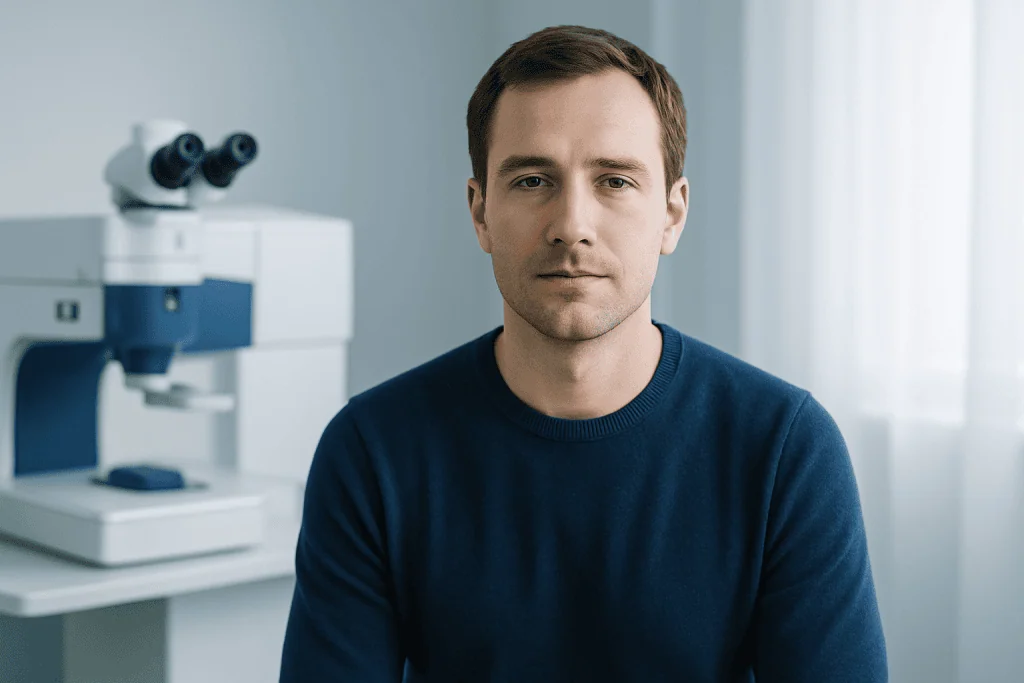
Quick answer
Femto LASIK is a bladeless laser eye surgery that corrects myopia, hyperopia, and astigmatism by creating a thin corneal flap with a femtosecond laser and then reshaping the cornea with an excimer laser. At Acibadem in Turkey, candidates are assessed with detailed eye examinations, and the procedure is planned individually to improve vision and reduce dependence on glasses or contact…
Considering Femto LASIK: A Decision About Vision, Safety and Confidence
Choosing laser vision correction is both a medical decision and a personal one. Many people begin researching Femto LASIK after years of glasses, contact lenses, dry or irritated eyes, sports limitations, frequent travel inconvenience, or simply the wish to wake up and see more clearly. At the same time, it is natural to feel cautious. Your eyes are delicate, and questions about safety, accuracy, recovery time and long-term results deserve clear, careful answers.
Femto LASIK is one of the most widely performed forms of laser eye surgery for people with myopia, hyperopia and astigmatism. It is designed to reduce dependence on glasses or contact lenses by reshaping the cornea, the transparent front surface of the eye. For appropriately selected patients, the procedure is typically quick, comfortable and associated with rapid visual recovery. However, success depends heavily on detailed preoperative testing, correct patient selection, surgical planning and realistic expectations.
For international patients, the decision may include additional concerns: whether the diagnosis is thorough, whether the surgical recommendation is appropriate, how long to stay abroad, what language support is available, and what happens if questions arise after returning home. At Acibadem, Femto LASIK is approached as part of a structured ophthalmology pathway, with detailed eye measurements, physician-led evaluation and treatment planning based on international clinical standards.
What Is Femto LASIK?
Femto LASIK is a bladeless form of LASIK eye surgery. The word “Femto” refers to the femtosecond laser used to create a very thin corneal flap. Traditional LASIK uses a mechanical microkeratome blade to create this flap; Femto LASIK uses laser energy instead. This allows the surgeon to plan flap depth, diameter and shape with high precision according to the patient’s corneal anatomy.
After the flap is created and gently lifted, an excimer laser reshapes the underlying corneal tissue. The exact reshaping pattern depends on the refractive error being treated. In myopia, the cornea is flattened slightly to help light focus properly on the retina. In hyperopia, the cornea is steepened in a controlled way. In astigmatism, the laser smooths an uneven corneal curvature so light enters the eye more evenly. The flap is then repositioned, where it naturally adheres without stitches.
Femto LASIK does not treat the lens, retina or optic nerve. It corrects focusing errors caused by the shape of the cornea. This distinction matters because not every vision problem can be corrected with LASIK. For example, cataracts, retinal disease, glaucoma-related visual loss or advanced corneal disease require different evaluation and treatment. A careful preoperative examination is therefore essential before any recommendation is made.
When the eyes are suitable, Femto LASIK can provide a high level of visual freedom for everyday activities. Many patients notice clearer vision within the first day, although vision may continue to stabilize over days to weeks. The goal is to reduce dependence on corrective lenses, not to promise perfect vision in every situation. Some patients may still need glasses for specific tasks, night driving, fine detail work or reading later in life due to age-related presbyopia.
Who May Need Femto LASIK?
Femto LASIK may be considered by adults who have a stable glasses or contact lens prescription and want to reduce their dependence on optical correction. The most common candidates are people with nearsightedness, farsightedness or astigmatism who are otherwise in good eye health. Many are professionals, athletes, frequent travelers, parents, students or people who find contact lenses uncomfortable or impractical.
Typical reasons patients seek evaluation include blurred distance vision, difficulty seeing road signs, dependence on glasses from the moment they wake up, contact lens dryness, eye irritation, or inconvenience during sports and travel. Some patients are motivated by occupational needs, while others are seeking a long-term alternative to glasses or contact lenses.
Diagnosis begins with a comprehensive refractive surgery assessment. This is more detailed than a routine glasses prescription. The ophthalmology team evaluates visual acuity, current prescription, prescription stability, corneal thickness, corneal shape, tear film quality, pupil size, eye pressure and the overall health of the front and back of the eye. Advanced corneal imaging helps detect subtle irregularities that may not be visible during a standard eye examination.
Good candidates generally have realistic expectations, healthy corneas, adequate corneal thickness, stable vision and no active eye disease that would interfere with healing. Some patients may be better suited to another form of vision correction, such as surface laser treatment, phakic intraocular lens implantation or refractive lens exchange. The best procedure is not always the most familiar one; it is the one that matches the patient’s anatomy, age, prescription and visual goals.
Femto LASIK may not be recommended in certain situations. These can include unstable prescription, keratoconus or suspected corneal weakness, very thin corneas, severe dry eye, active eye infection or inflammation, uncontrolled autoimmune conditions, pregnancy or breastfeeding, or certain medications that may affect healing. Patients with very high prescriptions may also require careful discussion of alternatives. A responsible LASIK evaluation includes identifying who should not have the procedure, as well as who is likely to benefit.
Conditions and Indications Femto LASIK Addresses
Femto LASIK is primarily used to treat refractive errors. These are focusing problems, not diseases. They occur when light entering the eye does not focus precisely on the retina, resulting in blurred vision. The procedure can be appropriate for selected patients with the following indications:
- Myopia: Nearsightedness, where distant objects appear blurred while near vision is often clearer.
- Hyperopia: Farsightedness, where near tasks may be difficult and distance vision may also be strained, depending on the degree.
- Astigmatism: Irregular corneal curvature that can cause blurred, shadowed or distorted vision at multiple distances.
- Contact lens intolerance: Discomfort, dryness, allergies or lifestyle limitations related to contact lens use, when the eye is otherwise suitable for laser correction.
- Selected presbyopia strategies: In some patients, monovision or blended vision may be discussed to reduce dependence on reading glasses, although this requires careful testing and expectation-setting.
The procedure is not intended to treat presbyopia in the same way reading glasses do, and it does not prevent age-related changes such as cataracts. Patients in their 40s and beyond may need a more detailed discussion about near vision, future lens changes and whether laser corneal surgery or a lens-based option is more appropriate.
How Femto LASIK Is Performed
Preparation Before Surgery
The preparation phase is one of the most important parts of Femto LASIK. Before surgery is considered, patients undergo a detailed diagnostic assessment. This may include refraction testing, corneal topography and tomography, pachymetry to measure corneal thickness, tear film evaluation, pupil measurement, ocular surface assessment and retinal examination. These tests help determine whether the cornea can safely tolerate laser reshaping and whether there are hidden risk factors.
Patients who wear contact lenses are usually asked to stop wearing them for a period before testing and surgery. Contact lenses can temporarily alter corneal shape, and accurate measurements require the cornea to return to its natural state. The exact duration depends on the type of lenses worn and the physician’s recommendation.
Your surgeon reviews your medical history, medications, allergies, previous eye problems and visual priorities. You may be asked about night driving, computer work, sports, occupation and reading habits. These details influence the treatment plan. For international patients, it is helpful to send recent prescriptions and prior eye records in advance when available, but final eligibility depends on in-person examination.
The Day of the Procedure
Femto LASIK is usually performed as an outpatient procedure. Both eyes are commonly treated on the same day when appropriate. The procedure itself is brief, although the total time at the clinic is longer because of preparation, confirmation checks and postoperative instructions.
Anesthetic eye drops are used to numb the eye. Patients remain awake, but discomfort is usually minimal. A small device keeps the eyelids open so blinking does not interfere with treatment. The femtosecond laser is first used to create a thin corneal flap according to the planned dimensions. Patients may feel pressure for a short time, but this step is typically rapid.
The surgeon then lifts the flap and applies the excimer laser to reshape the cornea. The laser treatment is guided by the patient’s preoperative measurements and may take only seconds, depending on the degree of correction. Modern laser systems include eye-tracking functions that help maintain alignment during treatment. After reshaping, the flap is carefully repositioned. No stitches are required.
Before discharge, the eyes are checked, and patients receive instructions about medications and protective measures. Antibiotic and anti-inflammatory eye drops are commonly prescribed, and lubricating drops are used to support comfort and healing. Patients should not drive immediately after the procedure and should arrange transportation back to the hotel or home.
Technology Used in Femto LASIK
Femto LASIK relies on two main laser technologies: the femtosecond laser for flap creation and the excimer laser for corneal reshaping. The value of these technologies lies not only in their precision but also in how they are integrated into a complete diagnostic and surgical plan.
Corneal imaging systems map the shape and thickness of the cornea in detail. These measurements help the surgeon evaluate corneal strength, identify irregular patterns and plan the safest possible treatment zone. Wavefront or advanced optical analysis may be used in selected cases to assess subtle visual imperfections beyond standard glasses prescriptions. Tear film testing helps identify dryness that should be treated before surgery to improve comfort and visual quality after the procedure.
During treatment, eye-tracking systems assist with alignment if the eye makes small natural movements. Laser planning software allows the surgeon to customize the ablation pattern to the patient’s prescription and corneal characteristics. The technology supports accuracy, but the physician’s judgment remains central: deciding whether LASIK is appropriate, how much tissue can be safely treated and what visual target is best for the patient.
Typical Duration and Immediate Recovery
The laser portion of Femto LASIK is usually short, and the full appointment commonly takes a few hours including preparation and observation. After surgery, vision is often hazy or foggy at first. Mild burning, watering, light sensitivity or a foreign-body sensation may occur during the first several hours. Many patients are advised to go back to their accommodation, keep the eyes closed as much as possible and avoid rubbing the eyes.
A follow-up examination is typically performed soon after surgery, often the next day, to confirm early healing and flap position. Many patients are able to return to desk-based work within a few days, depending on comfort, dryness and visual demands. Swimming, dusty environments, eye makeup and contact sports are usually restricted for a period determined by the surgeon.
Why Acting Early Matters
Femto LASIK is usually an elective procedure, so it is rarely an emergency. However, timely evaluation can still be important. If you are experiencing changing vision, increasing astigmatism, difficulty with contact lenses or new visual symptoms, an eye examination can identify whether the issue is a simple refractive error or a sign of another condition.
Delaying evaluation may mean continuing avoidable discomfort from contact lenses, recurring irritation, lifestyle limitations or occupational inconvenience. More importantly, some patients who assume they need LASIK may actually have early corneal irregularity, dry eye disease, cataract formation or retinal problems. Early assessment helps direct patients to the right treatment and may prevent unsuitable surgery.
For people who are good candidates, planning at the right time can also support smoother recovery. Dry eye, allergies or eyelid inflammation may need to be treated before surgery. Contact lens wear may need to be paused long enough for accurate measurements. If international travel is involved, early planning allows time for examination, surgery, follow-up and safe return home with clear instructions.
Benefits of Femto LASIK
The potential benefits of Femto LASIK are best understood in practical terms: how the procedure may affect daily life, visual function and comfort for a suitable patient.
| Benefit | What It Means for You |
|---|---|
| Reduced dependence on glasses or contact lenses | Many suitable patients can perform most daily distance-vision activities without corrective lenses, although some may still use glasses for specific tasks. |
| Bladeless flap creation | The femtosecond laser allows the corneal flap to be planned with precise dimensions based on your eye measurements. |
| Rapid visual recovery | Vision often improves quickly, with many patients resuming routine activities within days, depending on healing and comfort. |
| Personalized treatment planning | Diagnostic imaging and refractive measurements help tailor the procedure to your prescription, corneal shape and visual needs. |
| Comfort for contact lens intolerance | Patients who experience dryness, irritation or inconvenience from contact lenses may find daily life easier after successful correction. |
Recovery Timeline After Femto LASIK
Recovery varies from person to person, but most patients follow a predictable pattern of early improvement followed by gradual stabilization.
| Time Period | What Patients Can Expect |
|---|---|
| Day 1 | Vision may be clearer but can fluctuate. Mild burning, tearing, light sensitivity or haziness is common. A follow-up visit checks early healing. |
| First Week | Many patients return to desk work and normal indoor activities. Eye drops are used as prescribed. Rubbing the eyes, swimming and dusty environments should be avoided. |
| First Month | Vision continues to stabilize. Dryness, glare or halos may gradually improve. Follow-up visits assess healing and visual quality. |
| Longer Term | Most healing is complete, although subtle changes can continue. Some patients may need glasses for certain tasks, enhancement evaluation or reading correction with age. |
Factors That Influence Outcomes and a Good Result
A good Femto LASIK result begins before surgery. The most important factor is careful patient selection. Corneal thickness, corneal shape, prescription level, age, tear film quality, pupil size and eye health all influence whether LASIK is suitable and what result can reasonably be expected.
Prescription stability is essential. If the prescription is still changing, the correction may not remain accurate over time. This is why many surgeons prefer evidence of stable refraction before proceeding. Age also matters. Younger adults need stable vision, while patients over 40 should understand the impact of presbyopia. LASIK can correct distance vision, but it does not stop the natural age-related loss of near focusing ability.
Corneal health is central. Conditions such as keratoconus or forme fruste keratoconus can make laser reshaping unsafe. Advanced corneal mapping helps identify risk patterns. Tear film quality is also important. Dry eye symptoms can temporarily worsen after LASIK, so treating dryness before surgery may improve comfort and visual quality.
The degree of refractive error influences the amount of corneal tissue that must be removed. Higher corrections require more tissue reshaping and may carry a greater chance of residual prescription, visual fluctuations or the need to consider alternatives. In some cases, another procedure may provide a more appropriate risk-benefit profile.
Surgical planning and technique also matter. Accurate measurements, proper laser calibration, controlled flap creation, careful alignment and appropriate postoperative care all contribute to outcome quality. Patients play an important role as well by using prescribed drops, attending follow-up visits, avoiding eye rubbing and following activity restrictions.
Femto LASIK is generally associated with high patient satisfaction in well-selected candidates, but no refractive procedure can eliminate all uncertainty. Possible side effects include dry eye, glare, halos, fluctuating vision, undercorrection, overcorrection, infection, inflammation or flap-related complications. Serious complications are uncommon, but they require prompt diagnosis and management. A responsible consultation includes a balanced discussion of benefits, limitations and alternatives.
Why International Patients Choose Acibadem for Femto LASIK
International patients considering eye surgery abroad need more than a procedure date. They need confidence in the evaluation process, clarity about candidacy, careful communication and access to follow-up guidance. Acibadem Hospitals provide ophthalmology care within JCI-accredited hospital settings, supported by structured clinical pathways and international patient coordination.
The Femto LASIK process at Acibadem begins with detailed diagnostic assessment rather than a one-size-fits-all recommendation. Ophthalmologists evaluate the full eye, not only the prescription. When findings suggest that LASIK is not the best option, patients may be advised toward another treatment or to postpone surgery. This measured approach is especially important for patients traveling from abroad, where an inappropriate procedure could create long-term consequences after returning home.
Advanced diagnostic tools are used to evaluate the cornea, tear film and optical system of the eye. These technologies help physicians identify subtle risk factors, plan treatment parameters and monitor healing. The focus is on matching the procedure to the patient’s anatomy and visual goals. In selected cases, more than one refractive surgery option may be discussed so the patient can make an informed decision.
Acibadem’s international patient services support communication before, during and after the visit. Assistance may include appointment coordination, medical record transfer, interpretation in multiple languages, travel-related guidance and scheduling of follow-up visits within the recommended timeframe. This is particularly valuable for patients who are unfamiliar with the Turkish healthcare system or who are planning a short stay for evaluation and treatment.
Physician experience is another important consideration. Refractive surgery requires technical skill, but also judgment: knowing when to treat, when to delay and when to recommend a different option. At Acibadem, treatment plans are personalized according to examination findings, medical history, lifestyle and expectations. Patients receive instructions on medication use, activity limits, eye protection and signs that should prompt urgent contact.
For patients from the United States and other countries, Turkey can offer access to established hospital-based care, experienced specialists and coordinated international services. Still, the decision to travel for Femto LASIK should be made carefully. Patients should plan enough time for preoperative testing, surgery if appropriate and early postoperative review. They should also understand how follow-up will be handled after they return home, especially if they have dryness, visual fluctuations or questions during healing.
Taking the Next Step
Femto LASIK can be a meaningful option for people who want to reduce dependence on glasses or contact lenses, but the right decision begins with a precise diagnosis. The safest recommendation is the one based on your corneal measurements, prescription stability, eye health, lifestyle and long-term visual needs.
If you are considering Femto LASIK at Acibadem, you may request a consultation or a second opinion to learn whether you are a suitable candidate. Sharing your current glasses prescription, contact lens history and any previous eye examination records can help the medical team prepare, but final planning requires an in-person ophthalmic evaluation.
Clearer vision can change everyday routines in simple but important ways. With careful assessment, realistic expectations and physician-led planning, Femto LASIK may offer a practical path toward greater visual independence for appropriately selected patients.
This information is general and is not a substitute for professional medical advice, diagnosis or treatment. Please consult a qualified ophthalmologist for recommendations based on your individual condition.
Preparation
- A detailed eye examination, corneal mapping and refractive measurements are performed to confirm suitability. Patients may need to stop wearing contact lenses for a period before surgery. Eye drops or medication use should be discussed with the ophthalmologist before the procedure.
Aftercare
- Patients should use prescribed eye drops and avoid rubbing the eyes after surgery. Swimming, eye makeup and dusty environments are usually avoided for a short period. Follow-up visits are scheduled to monitor healing and visual recovery.
Turkey vs UK, Germany & USA
Femto LASIK costs and patient experience vary by country, clinic model and the complexity of the eye assessment. The comparison below highlights practical factors international patients commonly consider when planning laser vision correction.
This overview compares common cost and experience factors for Femto LASIK in Turkey, the UK, Germany and the USA.
| Factor | Turkey | UK | Germany | USA |
|---|---|---|---|---|
| Price drivers | Often influenced by package-based international patient services, diagnostic testing, surgeon expertise and laser technology used. | Often influenced by private clinic fees, surgeon profile, diagnostics and aftercare arrangements. | Often influenced by specialist clinic fees, diagnostic depth, technology and follow-up structure. | Often influenced by provider reputation, facility location, technology platform and bundled or separate aftercare. |
| Hospital and surgeon factors | International hospitals may offer ophthalmology teams, preoperative screening and coordinated scheduling in one setting. | Care may be provided in private eye clinics or hospital-linked centres, with varying surgeon availability. | Care may be provided in specialist ophthalmology centres with structured assessment pathways. | Care may range from high-volume refractive centres to specialist practices with different service models. |
| Accreditation and quality | Patients may choose hospitals with international accreditation such as JCI and defined patient safety processes. | Quality oversight depends on the clinic, clinician credentials and national healthcare standards. | Quality oversight depends on clinic licensing, specialist qualifications and local regulatory standards. | Quality oversight depends on state regulation, professional credentials and facility protocols. |
| Typical waiting times | International patient departments may help coordinate consultations and procedure scheduling efficiently. | Private care availability can vary by region, clinic demand and surgeon schedule. | Scheduling can vary by centre, diagnostic requirements and surgeon availability. | Scheduling can vary widely by provider, location and demand. |
| Travel and language logistics | Commonly supported by international patient teams, interpreters and travel coordination for overseas patients. | Usually straightforward for English-speaking patients, with travel logistics depending on location. | Language support may be available in larger centres, but should be confirmed before booking. | English-speaking care is standard, while long-distance domestic or international travel may affect planning. |
| What a package may include | May include eye examinations, surgeon consultation, laser procedure, medications, follow-up planning and coordination support. | May include consultation, procedure and selected follow-up visits, depending on the clinic policy. | May include diagnostics, procedure and follow-up, with inclusions varying by provider. | May include screening, procedure and aftercare, but bundled services differ between providers. |
What affects your final cost
- Whether both eyes are treated and whether the prescription is suitable for Femto LASIK.
- The thickness and shape of the cornea, tear film quality and overall eye health.
- The diagnostic tests required before the procedure.
- The laser platform, clinic setting and surgeon experience.
- Whether medications, follow-up visits, translation, transfers or accommodation support are included.
- Whether an alternative procedure is recommended after specialist assessment.
Compare your options
Femto LASIK is one of several refractive surgery options. Suitability is decided by an ophthalmology specialist after a detailed eye examination.
| Option | What it is | Typical use | Key considerations |
|---|---|---|---|
| Femto LASIK | A bladeless flap is created with a femtosecond laser, then the cornea is reshaped with an excimer laser. | Commonly considered for myopia, hyperopia and astigmatism in suitable corneas. | Requires adequate corneal thickness and stable eye health. Dry eye risk, corneal shape and lifestyle factors are reviewed. |
| PRK or surface laser treatment | The corneal surface is treated without creating a flap. | May be considered when a flap-based procedure is not preferred or when corneal factors make surface treatment more appropriate. | Recovery experience may differ from LASIK, and visual improvement can be more gradual. Suitability depends on corneal and lifestyle assessment. |
| SMILE | A small lenticule is created inside the cornea with a femtosecond laser and removed through a small incision. | Often considered for selected myopia and astigmatism cases. | Not suitable for every prescription. Availability, corneal measurements and surgeon recommendation are important. |
| Phakic intraocular lens | An implantable lens is placed inside the eye while the natural lens remains in place. | May be considered for higher prescriptions or when corneal laser surgery is not suitable. | Requires detailed internal eye measurements and assessment of eye anatomy. It is an intraocular procedure with different risks and follow-up needs. |
| Refractive lens exchange | The natural lens is replaced with an artificial intraocular lens. | May be considered for selected patients, especially when lens-related vision needs are part of the treatment plan. | It is not the same as corneal laser surgery and requires careful counselling about benefits, limitations and long-term eye health. |
Trusted care for international patients
General information only — not medical or financial advice. Final costs depend on the factors above and your individual case; request a free, personalised quote.
Doctors Performing This Treatment

Prof. Dr. Altan Göktaş
Ophthalmology
Prof. Dr. Ayşe Öner
Ophthalmology
Prof. Dr. Banu Coşar
Ophthalmology
Prof. Dr. Berna Özkan
Ophthalmology
Prof. Dr. Dilaver Erşanlı
Ophthalmology
Prof. Dr. Dilek Güven
Ophthalmology
Prof. Dr. G. Ertuğrul Mirza
Ophthalmology
Prof. Dr. Gökhan Pekel
Ophthalmology
Prof. Dr. Haluk Esgin
Ophthalmology
Prof. Dr. Mehdi S. Öğüt
Ophthalmology
Prof. Dr. Muhsin Eraslan
Ophthalmology
Prof. Dr. Müslime Akbaba
Ophthalmology
Prof. Dr. Nazan Bengüdeniz Erda
Ophthalmology
Prof. Dr. Sarper Karaküçük
Ophthalmology
Prof. Dr. Selçuk Sızmaz
Ophthalmology
Prof. Dr. Seyhan Topbaş
Ophthalmology
Prof. Dr. Solmaz Balcı Akar
Ophthalmology
Prof. Dr. Özgül Altıntaş
Ophthalmology
Prof. Dr. Özlem Şahin
Ophthalmology
Assoc. Prof. Dr. Özgür Çakıcı
Ophthalmology
Dr. Akın Banaz
Ophthalmology
Dr. Alpaslan Koç
Ophthalmology
Dr. Buket Ayoğlu
Ophthalmology
Dr. Erbil Ulus Duman
OphthalmologyMedical Units
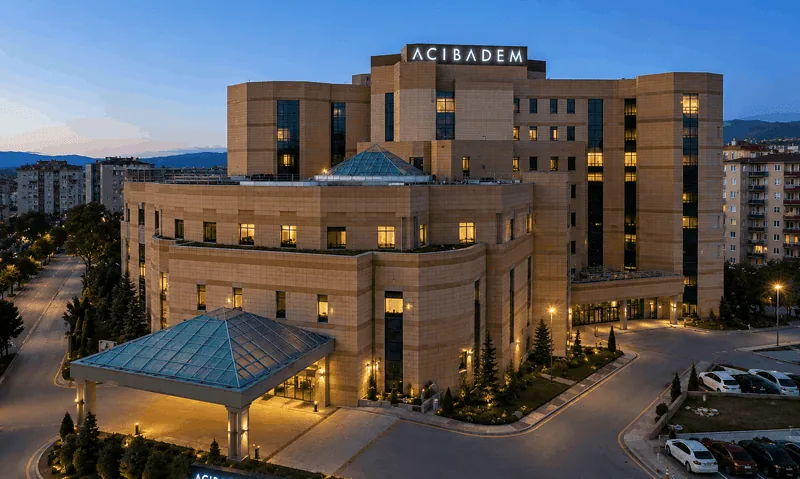
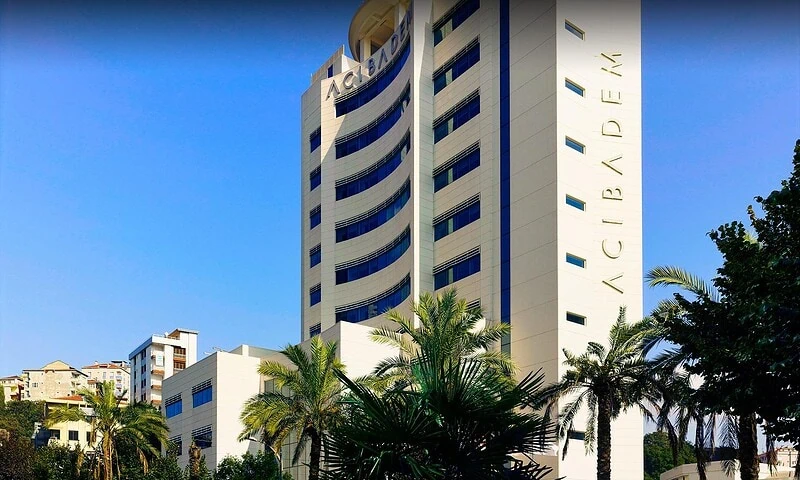
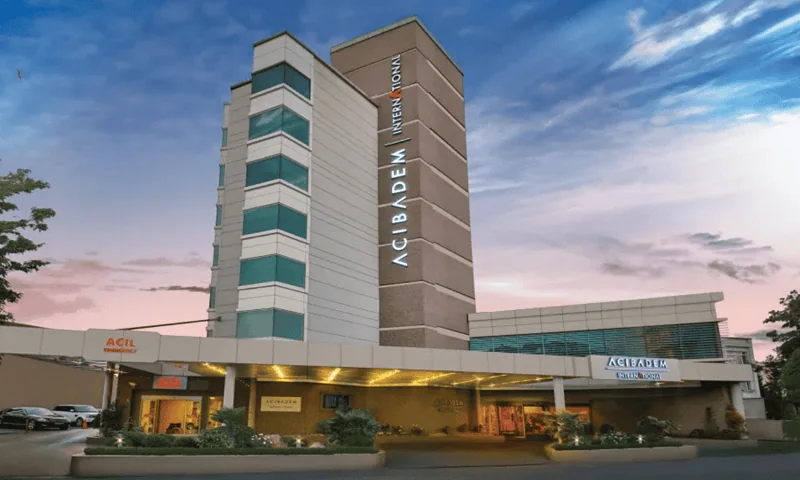
Available at These Hospitals







Frequently Asked Questions
What affects the cost of Femto LASIK?
Cost is influenced by the preoperative tests, whether one or both eyes are treated, corneal findings, surgeon and clinic factors, laser technology, follow-up care and any travel-related services included in the package.
How can I get a personalised quote for Femto LASIK in Turkey?
A personalised quote requires a specialist review of your prescription, corneal measurements, eye health history and treatment goals. Acibadem International can arrange a free consultation pathway to help estimate the most appropriate option and package inclusions.
Is the cheapest Femto LASIK option always the best choice?
Not necessarily. Patients should consider the quality of screening, surgeon experience, technology, safety protocols, follow-up care and whether the clinic can manage unexpected findings or recommend an alternative when needed.
What is usually included in an international patient package?
Packages may include diagnostic eye tests, ophthalmologist consultation, the laser procedure, routine medications, follow-up planning, interpreter support and care coordination. Exact inclusions should be confirmed before travel.
Could I be advised to choose a different procedure instead of Femto LASIK?
Yes. If corneal thickness, corneal shape, dry eye status, prescription or other eye findings make Femto LASIK unsuitable, a specialist may discuss options such as PRK, SMILE, phakic intraocular lens or another treatment.