

Regenerative Ophthalmology
Regenerative ophthalmology uses biologic and cellular approaches to support repair in selected eye diseases, especially retinal or corneal conditions. Care begins with detailed ophthalmic evaluation and individualized planning.
Quick answer
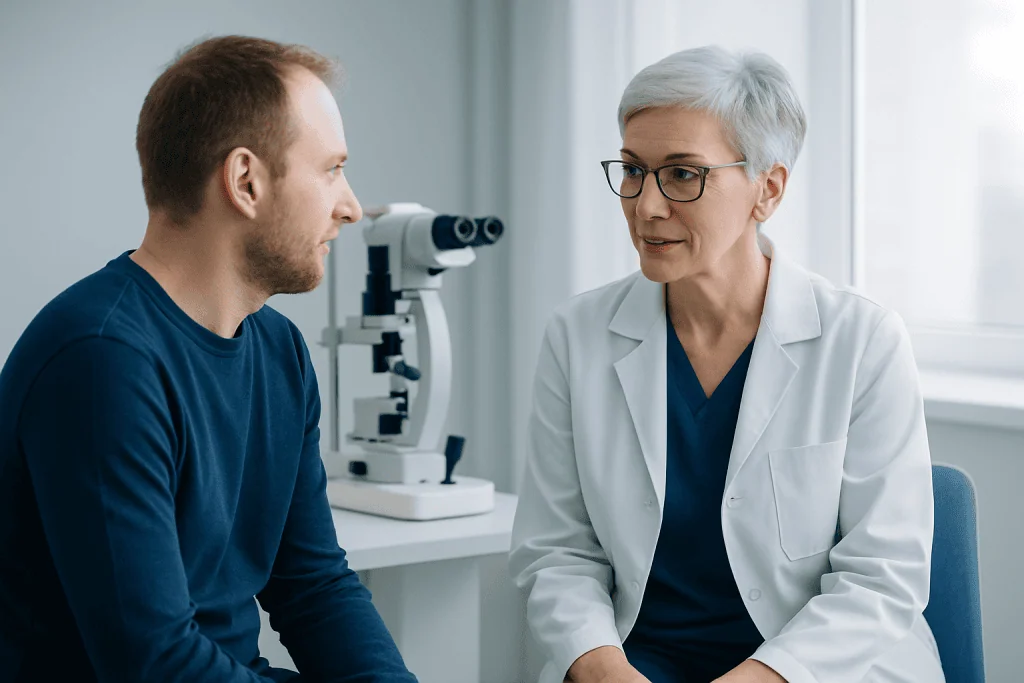
Regenerative ophthalmology uses biologic and cellular therapies to support repair of damaged eye tissues in selected retinal, corneal, and other ocular conditions. At Acibadem in Turkey, treatment begins with a detailed ophthalmic evaluation and individualized planning, with the most suitable regenerative approach performed under specialist eye care.
Regenerative Ophthalmology: A Careful, Evidence-Based Approach to Repair and Vision Preservation
When vision changes, the concern is immediate and deeply personal. Blurred central vision, distorted lines, persistent corneal discomfort, light sensitivity, or gradual loss of clarity can affect reading, driving, work, independence, and confidence in daily life. For many patients and families, the most difficult part is uncertainty: whether the condition will progress, whether vision can be recovered, and whether newer biologic or cellular treatments may be appropriate.
Regenerative ophthalmology is an evolving field that focuses on supporting repair, reducing damage, and improving the function of delicate eye tissues in selected conditions. It is most often discussed in relation to diseases of the retina and cornea, where highly specialized cells are essential for vision and where natural healing may be limited. Because the eye is complex and the science is still developing, the most important first step is not the treatment itself, but an expert diagnosis and a realistic, individualized plan.
At Acibadem, care begins with a detailed ophthalmic evaluation, careful review of prior records, and discussion of treatment options that are appropriate for the specific diagnosis. Some regenerative approaches are established in particular settings, while others may be available only within carefully controlled clinical pathways or may not yet be suitable for routine care. International patients often arrive with questions about stem cells, platelet-derived therapies, corneal surface reconstruction, retinal repair, and newer biologic treatments. A responsible consultation helps distinguish proven options from experimental claims and identifies the safest path forward.
What Is Regenerative Ophthalmology?
Regenerative ophthalmology refers to the use of biologic, cellular, tissue-based, or growth-factor-related approaches to support healing in selected eye diseases. The goal is to help damaged ocular tissues recover function where possible, slow further deterioration, or restore a healthier surface or microenvironment for the eye. It is not a single procedure. Rather, it is a field that includes several techniques, each designed for a particular anatomical problem and stage of disease.
In the cornea and ocular surface, regenerative strategies may include treatments that encourage epithelial healing, reduce chronic inflammation, or restore stem cell function at the limbus, the border area where corneal surface cells are renewed. In selected cases, tissue grafting, amniotic membrane applications, autologous serum-based drops, limbal stem cell transplantation, and other biologic approaches may be considered. These treatments are often used for severe dry eye complications, persistent epithelial defects, chemical injuries, corneal ulcers, neurotrophic keratopathy, or limbal stem cell deficiency.
In retinal disease, regenerative ophthalmology is more complex. The retina is a highly specialized layer of nerve tissue, and many retinal cells do not naturally regenerate after significant injury. Some biologic approaches aim to protect existing cells, reduce inflammation, improve the retinal environment, or support repair after vascular or degenerative damage. In certain retinal conditions, established treatments such as intravitreal medications, laser treatment, microsurgery, or implants may be used alongside biologic concepts. Cell-based retinal replacement remains an area of active research and is not appropriate for every patient.
Because the term regenerative is sometimes used broadly in advertising, a medically rigorous approach is essential. A treatment should be recommended only after the underlying diagnosis is clear, the expected benefit is realistic, the safety profile is understood, and alternative options have been discussed. In reputable medical centers, regenerative ophthalmology is guided by evidence, ethical standards, imaging-based diagnosis, and follow-up measurements rather than by a one-size-fits-all promise.
Who May Need Regenerative Ophthalmology?
Patients may be referred for regenerative ophthalmology when standard healing is incomplete, when corneal or retinal tissue is at risk of further damage, or when an eye condition has reached a stage where biologic support may improve the treatment plan. Some patients have already received conventional care but continue to experience symptoms. Others are newly diagnosed and want to understand whether newer treatment options might help preserve vision.
Common symptoms that lead to evaluation include blurry or fluctuating vision, distorted central vision, difficulty reading, persistent redness, foreign body sensation, recurrent corneal erosions, severe dryness, light sensitivity, eye pain, poor healing after infection or trauma, and vision loss that progresses despite prior treatment. In retinal diseases, patients may notice dark spots, waviness, reduced contrast, difficulty recognizing faces, or a shadow in part of the visual field. In corneal disease, discomfort may be as prominent as visual impairment.
Diagnosis begins with a comprehensive eye examination. This usually includes visual acuity testing, refraction, slit-lamp examination, intraocular pressure measurement, dilated retinal examination, and assessment of the ocular surface. Depending on the condition, further testing may include corneal topography or tomography, endothelial cell analysis, tear film evaluation, ocular surface staining, retinal optical coherence tomography, fundus photography, fluorescein or indocyanine green angiography, visual field testing, electrophysiology, and laboratory evaluation for inflammatory or autoimmune contributors.
The patient situations that commonly lead to regenerative planning include persistent corneal defects that do not heal with standard therapy, limbal stem cell deficiency after chemical injury or chronic disease, severe ocular surface inflammation, neurotrophic corneal disease, selected retinal degenerations, retinal vascular complications, and complex cases after infection, trauma, or previous surgery. The appropriateness of treatment depends on the remaining tissue function, disease activity, general health, prior treatments, and the patient’s goals.
Conditions and Indications Regenerative Ophthalmology May Address
Regenerative ophthalmology may be considered across a range of corneal, ocular surface, and retinal conditions. The exact indication matters because each disease behaves differently and responds to different forms of treatment. In many cases, regenerative care is part of a broader treatment plan rather than a stand-alone intervention.
For corneal and ocular surface disease, indications may include persistent epithelial defects, neurotrophic keratopathy, severe dry eye with surface damage, chemical or thermal burns, limbal stem cell deficiency, recurrent corneal erosions, non-healing ulcers, ocular cicatricial conditions, and selected complications after infection or surgery. The aim may be to close an epithelial defect, reduce inflammation, restore a smoother corneal surface, prepare the eye for later surgery, or protect the eye from scarring and perforation.
For retinal and posterior segment disease, regenerative concepts may be discussed in the context of age-related macular degeneration, inherited retinal dystrophies, diabetic retinal disease, retinal vascular occlusions, optic nerve-related disorders, or macular damage after inflammation or trauma. In these areas, the level of evidence differs widely. Some biologic strategies are investigational, while established treatments may focus on controlling the underlying disease, preserving existing photoreceptors, and preventing complications.
Regenerative ophthalmology can also be relevant for patients seeking a second opinion after being told that there are limited options. A specialist evaluation can clarify whether vision loss is due to active disease, scar tissue, irreversible nerve damage, inflammation, poor ocular surface health, cataract, glaucoma, or a combination of factors. Sometimes the most effective plan is not a regenerative treatment alone, but a sequence of therapies that improves the eye’s condition step by step.
How Regenerative Ophthalmology Is Performed
Preparation and Individualized Planning
Care begins with a structured consultation. The ophthalmologist reviews the patient’s symptoms, previous diagnoses, medical history, medications, eye surgeries, imaging, and laboratory results if available. International patients are often encouraged to share prior scans and reports before traveling, so the clinical team can determine which evaluations may be needed on arrival.
During the examination, the physician identifies the exact tissue affected and the activity of the disease. For example, a persistent corneal epithelial defect requires different planning than macular degeneration, and active inflammation must often be controlled before regenerative treatment can succeed. The team may also evaluate systemic contributors such as diabetes, autoimmune disease, neurologic conditions, medication effects, vitamin deficiencies, or prior chemotherapy and radiation exposure.
Before any intervention, patients receive a discussion of realistic goals. In some cases, the goal is healing of the corneal surface and relief of discomfort. In others, it is stabilization, preservation of remaining vision, preparation for corneal transplantation, or reduction of future risk. The physician also reviews alternatives, the expected follow-up schedule, possible need for repeat therapy, and warning signs that require urgent attention.
The Procedure or Treatment Pathway
The procedure itself depends on the diagnosis. For ocular surface disease, regenerative care may involve biologic eye drops prepared from the patient’s own blood components, specialized bandage contact lenses, amniotic membrane therapy, tissue grafting, or limbal stem cell procedures. Some treatments are performed in the clinic; others require an operating room under local or general anesthesia. The eye is carefully cleaned, anesthetic drops are applied, and the damaged surface is treated according to the plan.
Autologous serum or platelet-derived preparations may be used to provide growth factors and nutrients that support epithelial healing. These are typically created from the patient’s blood under controlled conditions and used as prescribed eye drops. They may be considered when standard lubricants and medications are insufficient, particularly in severe ocular surface disease.
Amniotic membrane therapy may be used to protect the cornea, reduce inflammation, and promote epithelial repair. Depending on the situation, the membrane may be placed as a temporary biological dressing or secured surgically. This approach can be helpful for non-healing defects, burns, ulcers, or severe surface inflammation, but it must be paired with treatment of the underlying cause.
Limbal stem cell transplantation may be considered for limbal stem cell deficiency, where the cornea loses its ability to renew a clear, stable surface. The procedure may use tissue from the patient’s other eye when appropriate, or donor tissue in selected cases. This requires careful eligibility assessment because success depends on tear film quality, eyelid function, inflammation control, and long-term follow-up.
For retinal conditions, regenerative ophthalmology may involve advanced imaging, disease-specific medical therapy, intravitreal injections when indicated, retinal laser procedures, microsurgery, or referral into ethically governed research pathways if appropriate. The treatment is usually performed using magnification, sterile technique, precise imaging guidance, and close postoperative monitoring. Patients should be cautious of any clinic offering broad stem cell injections for retinal disease without a clear diagnosis, regulatory oversight, and transparent evidence.
Technology Used to Guide Care
Modern ophthalmology relies on detailed imaging because small changes in the retina or cornea can have large effects on vision. Optical coherence tomography can show cross-sectional layers of the retina or cornea and helps physicians monitor fluid, thinning, scarring, and healing. High-resolution photography documents changes over time. Angiographic imaging can assess retinal blood flow and leakage. Corneal mapping helps evaluate curvature, thickness, scarring, and surface irregularity. Microscopic assessment of corneal endothelial cells may be important before certain surgeries.
In procedure rooms and operating suites, microsurgical instruments, ophthalmic microscopes, controlled illumination, specialized lasers, and fine delivery systems allow treatment of very small structures with precision. The purpose of technology is not simply to perform a procedure, but to choose the right procedure, place treatment accurately, identify complications early, and measure whether the treatment is meeting its goals.
Typical Duration and Recovery Process
The duration varies widely. A consultation and diagnostic workup may take several hours, especially when advanced imaging is required. Some clinic-based regenerative treatments can be completed in a short visit, while surgical ocular surface procedures may take longer and require postoperative observation. Retinal procedures vary from brief injection-based treatments to more complex microsurgery.
Recovery also depends on the condition and intervention. After ocular surface treatments, patients may experience temporary irritation, tearing, foreign body sensation, or blurred vision while the surface heals. Eye drops, protective lenses, and activity restrictions may be prescribed. After retinal procedures, patients may need specific precautions, medication schedules, and follow-up imaging. For many regenerative plans, improvement is gradual and is assessed through symptom changes, visual testing, and objective imaging rather than immediate visual recovery.
Why Acting Early Matters
Many eye diseases are more treatable when evaluated early. The retina and optic nerve contain specialized nerve tissue that may not recover once severely damaged. The cornea can scar, thin, or become irregular if inflammation, infection, or surface breakdown persists. Delayed care can reduce the number of treatment options and may make recovery slower or less complete.
In corneal disease, a persistent epithelial defect can progress to infection, ulceration, scarring, or in severe cases structural weakening of the cornea. Early regenerative support may help close the surface, reduce pain, and prevent deeper damage when used appropriately. In limbal stem cell deficiency, early recognition can prevent repeated cycles of breakdown and scarring that compromise vision.
In retinal disease, timing is also important. Conditions such as diabetic retinopathy, macular edema, retinal vein occlusion, and neovascular age-related macular degeneration can progress silently or intermittently. Imaging may reveal changes before symptoms become severe. Timely treatment can help preserve remaining vision and reduce the risk of complications such as bleeding, fluid accumulation, traction, or irreversible photoreceptor loss.
Early consultation does not always mean immediate intervention. Sometimes it means establishing a diagnosis, monitoring carefully, controlling inflammation or systemic disease, and choosing the right moment for treatment. The key is to avoid losing time in conditions where tissue damage can become permanent.
Benefits of Regenerative Ophthalmology
The potential benefits depend on the diagnosis, disease stage, and treatment selected, but the main advantages are best understood in practical terms.
| Benefit | What It Means for You |
|---|---|
| Supports tissue healing | Selected biologic treatments may help the corneal surface close, stabilize, or recover when standard therapy has not been enough. |
| May help preserve vision | When used early and appropriately, treatment may reduce ongoing damage and support preservation of remaining visual function. |
| Personalized to the eye condition | The plan is based on imaging, examination findings, disease activity, and the patient’s overall health rather than a generic protocol. |
| Can reduce discomfort in ocular surface disease | For some patients, improving epithelial healing and tear film support may reduce pain, light sensitivity, and foreign body sensation. |
| May prepare the eye for further treatment | Regenerative care can sometimes improve the ocular surface before corneal transplantation, cataract surgery, or other procedures. |
| Encourages careful long-term monitoring | Objective imaging and follow-up help physicians assess whether the eye is improving, stable, or in need of additional treatment. |
Recovery Timeline After Regenerative Eye Treatment
Recovery varies by procedure, but the following timeline gives a general sense of what many patients can expect after commonly used regenerative ophthalmology treatments.
| Time Period | What Patients Can Expect |
|---|---|
| Day 1 | Mild irritation, tearing, blurred vision, or light sensitivity may occur. Patients receive instructions for drops, eye protection, and activity limits. |
| First Week | The eye is monitored for healing, inflammation, infection risk, and treatment response. Some patients need protective lenses or frequent drops. |
| First Month | Symptoms may gradually improve, though vision can fluctuate. Imaging or surface staining may be repeated to assess objective healing. |
| Longer Term | Some conditions require ongoing treatment, repeat applications, or monitoring. Long-term control of inflammation, dryness, diabetes, or retinal disease may be essential. |
What Influences Outcomes and a Good Result?
A good result in regenerative ophthalmology is not defined in the same way for every patient. For one person, success may mean closure of a corneal defect and relief of pain. For another, it may mean stabilization of macular disease or preservation of useful reading vision. In advanced disease, preventing further deterioration may be a meaningful outcome even when full visual restoration is not possible.
The most important factor is the underlying diagnosis. A superficial corneal surface problem has a different prognosis from severe retinal degeneration or optic nerve damage. Tissue that is inflamed but still viable may respond better than tissue that is scarred or atrophic. The stage of disease, duration of symptoms, and previous treatments all influence the plan.
Ocular surface health is particularly important for corneal outcomes. Tear quality, eyelid position, blink function, inflammation, exposure, infection risk, and nerve supply all affect healing. If these factors are not addressed, even advanced biologic treatments may fail to provide lasting benefit. For this reason, treatment may include lubricants, anti-inflammatory drops, eyelid therapy, punctal occlusion, infection control, or systemic disease management.
For retinal disease, outcomes are influenced by the number of functioning photoreceptors, the presence of fluid or bleeding, scar tissue, retinal circulation, genetic factors, and coexisting conditions such as diabetes, glaucoma, or cataract. High-quality imaging helps determine whether the disease is active, whether treatment is likely to help, and whether the eye should be monitored or treated urgently.
Patient adherence also matters. Regenerative treatment often requires precise use of drops, avoidance of eye rubbing, follow-up visits, blood sugar control when diabetes is present, and prompt reporting of pain, redness, or sudden vision changes. International patients should plan enough time for evaluation and early follow-up, and should arrange continued care in their home country when long-term monitoring is needed.
Finally, outcomes depend on appropriate patient selection. Not every patient is a candidate for regenerative treatment, and not every advertised therapy is supported by strong evidence. A responsible ophthalmology team will explain when a regenerative approach is reasonable, when conventional treatment is more appropriate, and when the risks outweigh the potential benefit.
Why International Patients Choose Acibadem for Regenerative Ophthalmology
International patients considering eye treatment abroad often want more than a procedure. They need a precise diagnosis, clear communication, ethical guidance, and coordinated support before, during, and after travel. Acibadem’s ophthalmology services are structured around detailed evaluation and individualized planning, with access to diagnostic imaging, microsurgical expertise, and collaboration across specialties when complex conditions require it.
Acibadem hospitals are JCI-accredited, reflecting international standards for patient safety, quality processes, and clinical governance. For ophthalmology patients, this matters because eye care often involves delicate procedures, sterile technique, careful medication handling, and reliable follow-up systems. The clinical environment is designed to support both routine and complex care with attention to safety and documentation.
Regenerative ophthalmology may require input from multiple disciplines. Patients with diabetes-related retinal disease may benefit from coordination with endocrinology. Patients with autoimmune ocular surface disease may need rheumatology involvement. Those with ocular inflammation may require uveitis expertise, immunologic evaluation, or systemic treatment. Complex corneal cases may involve cornea specialists, retinal specialists, oculoplastic surgeons, and anesthesiology teams. When appropriate, cases can be discussed in specialist boards or multidisciplinary settings to align the treatment plan with the patient’s diagnosis and overall health.
Advanced diagnostic pathways are central to decision-making. High-resolution retinal imaging, corneal analysis, angiographic studies, tear film assessment, and microscopic evaluation help physicians understand whether a regenerative strategy is appropriate and how response should be measured. Rather than relying only on symptoms, the care team follows objective findings such as epithelial closure, reduction of inflammation, retinal fluid changes, surface stability, or visual function.
Experienced physicians are especially important in a field where the science is evolving. Patients may arrive after reading about stem cell therapy or biologic injections online, and the information can be confusing. A specialist consultation helps separate established indications from investigational ideas and avoids exposing patients to treatments that are unlikely to help. The emphasis is on evidence-based care, patient safety, and transparent discussion of uncertainty.
Acibadem International supports patients traveling from abroad with services in more than 20 languages. This may include assistance with appointment scheduling, medical record transfer, treatment planning, interpretation, hospital navigation, and coordination of follow-up documents. For patients coming from the United States, Europe, the Middle East, Africa, or other regions, this support can make the medical journey more organized and easier to understand.
Personalized treatment planning is particularly important for regenerative ophthalmology because the same symptom can have multiple causes. Blurred vision may result from macular edema, cataract, corneal irregularity, dry eye, glaucoma, or optic nerve disease. Eye pain may be caused by surface damage, inflammation, infection, nerve dysfunction, or eyelid problems. A careful diagnosis prevents unnecessary treatment and helps prioritize what is most likely to improve comfort, stability, or vision.
For many patients, choosing Acibadem is also about continuity. The goal is not only to perform an intervention while the patient is in Turkey, but to provide a clear plan for what should happen next. Patients typically receive medical reports, imaging results when available, medication instructions, and recommendations for follow-up care. When long-term monitoring is needed, the patient’s local ophthalmologist can continue surveillance with a clearer understanding of the diagnosis and treatment performed.
Taking the Next Step
If you are exploring regenerative ophthalmology, the most valuable next step is a careful medical opinion based on your diagnosis, imaging, and treatment history. Some patients may be candidates for biologic ocular surface therapy, amniotic membrane treatment, limbal stem cell procedures, or other restorative approaches. Others may benefit more from retinal treatment, inflammation control, surgery, or close monitoring. The right plan begins with understanding what tissue is damaged, whether it is still capable of recovery, and which treatment has a reasonable medical basis.
For international patients, a remote review of available records may help determine whether travel for evaluation is appropriate. Useful documents may include recent eye examination notes, visual acuity measurements, optical coherence tomography images, fundus photographs, angiography reports, corneal maps, surgical records, medication lists, and relevant laboratory results. If prior information is incomplete, a comprehensive assessment can be arranged after arrival.
Regenerative ophthalmology offers important possibilities in selected eye diseases, but it requires careful judgment. A thoughtful consultation can help you understand what is possible, what remains uncertain, and what can be done now to protect your vision and comfort. If you are considering treatment or would like a second opinion, you may request an evaluation with Acibadem’s ophthalmology team to discuss an individualized plan.
This information is general and is not a substitute for professional medical advice. Diagnosis and treatment recommendations should always be made by a qualified physician after a personal medical evaluation.
Preparation
- Preparation includes a comprehensive eye examination, retinal or corneal imaging, and review of previous diagnoses and treatments. Blood tests or additional imaging may be requested if a biologic product is planned. Patients should inform the ophthalmologist about blood thinners, immune disorders, infections, allergies, and all current medications.
Aftercare
- Aftercare may include antibiotic or anti-inflammatory eye drops, protective eye care, and scheduled follow-up examinations. Patients should avoid rubbing the eye, swimming, and dusty environments until cleared by the doctor. Urgent assessment is needed for severe pain, sudden vision loss, increasing redness, or discharge.
Turkey vs UK, Germany & USA
Regenerative ophthalmology may involve biologic or cellular approaches for selected retinal, corneal, or ocular surface conditions after detailed diagnostic evaluation. Costs and patient experience vary depending on the condition, treatment option, hospital setting, and follow-up needs.
International comparison should focus on care pathway, specialist expertise, diagnostic work-up, and what is included in the treatment plan rather than headline price alone.
| Factor | Turkey | UK | Germany | USA |
|---|---|---|---|---|
| Cost drivers | Specialist assessment, advanced imaging, biologic preparation, operating room or injection suite use, laboratory support, and follow-up planning. | Costs depend on public or private pathway, subspecialist access, diagnostics, procedure setting, and whether regenerative options are available privately. | Costs are influenced by university or private hospital setting, diagnostics, laboratory standards, specialist fees, and complexity of the eye condition. | Costs may vary widely by hospital, physician group, diagnostics, facility fees, biologic product handling, and insurance arrangements. |
| Hospital and surgeon factors | International hospitals may coordinate ophthalmology subspecialists, imaging, translation, and treatment planning in one pathway. | Care may involve referral to a consultant ophthalmologist, with private clinics offering more direct scheduling where appropriate. | Care is often delivered through specialist ophthalmology departments, university hospitals, or private eye centers. | Care may be provided by retina, cornea, or ocular surface subspecialists in academic centers or private practices. |
| Accreditation and quality | Some hospitals serving international patients hold JCI accreditation and use structured safety, consent, and follow-up processes. | Quality oversight depends on the public or private provider, clinical governance, and professional regulation. | Quality is supported by national regulation, specialist training, and hospital quality systems. | Quality depends on state regulation, institutional accreditation, subspecialist credentials, and clinic protocols. |
| Typical waiting times | Self-funded international pathways may allow coordinated appointments after records are reviewed, subject to medical suitability. | Public referral pathways may involve waiting; private care may offer faster access depending on clinic capacity. | Waiting times vary by center, urgency, and whether care is public, private, or university-based. | Access varies by insurance approval, specialist availability, and whether the treatment is established or investigational. |
| Travel and language logistics | International patient teams may assist with scheduling, airport transfers, accommodation guidance, and interpreters. | English-language care is straightforward, while travel support is usually arranged separately in private care. | Interpreter services may be needed for international patients, and coordination depends on the center. | English-language care is standard, but travel, accommodation, and billing coordination may require separate arrangements. |
| What a package may include | Consultation, ophthalmic imaging, treatment planning, procedure-related services, translation support, and follow-up guidance may be bundled. | Packages vary; diagnostics, consultation, procedure, medications, and follow-up may be billed separately or combined. | Packages may include consultation and diagnostics, while laboratory, procedure, medication, and follow-up items may be itemized. | Billing is often itemized across physician, facility, diagnostics, pharmacy, laboratory, and follow-up services. |
What affects your final cost
- Diagnosis and whether the condition affects the retina, cornea, ocular surface, or multiple eye structures.
- Required imaging, laboratory tests, genetic or immune-related evaluations, and repeat assessments.
- Type of regenerative approach, such as biologic drops, membrane therapy, tissue-based surgery, or cell-related treatment.
- Whether care is outpatient, procedure-based, or requires an operating room.
- Need for medications, protective lenses, donor or autologous material preparation, and post-treatment monitoring.
- Travel, accommodation, interpreter support, and any additional specialist consultations.
Compare your options
The main clinical options in regenerative ophthalmology differ by eye structure, disease stage, and evidence base. Suitability is decided by a specialist after examination, imaging, and review of medical history.
| Option | What it is | Typical use | Key considerations |
|---|---|---|---|
| Autologous serum or platelet-based eye drops | Biologic drops prepared from the patient’s own blood components under controlled conditions. | Severe dry eye, persistent epithelial defects, neurotrophic keratopathy, and selected ocular surface disorders. | Requires blood processing, storage instructions, infection control, and follow-up to monitor healing and comfort. |
| Amniotic membrane therapy | A biologic membrane placed on the eye surface to support healing and reduce inflammation. | Corneal epithelial defects, ocular surface injury, chemical damage, and some post-surgical healing problems. | May be applied in clinic or operating room depending on the case; donor screening and product quality are important. |
| Limbal stem cell transplantation | Replacement or support of limbal stem cells that maintain the corneal surface. | Limbal stem cell deficiency after burns, trauma, infection, inflammation, or selected congenital conditions. | May use tissue from the patient or a donor; immune status, eye surface health, and staged reconstruction may affect planning. |
| Corneal tissue and cell-based procedures | Techniques using donor corneal tissue or cell-focused approaches to restore corneal clarity or function. | Corneal scarring, endothelial dysfunction, or advanced surface disease when appropriate. | Choice depends on the damaged corneal layer, donor tissue availability, surgical risk, and expected visual potential. |
| Retinal gene or cell-related therapies | Advanced treatments targeting specific inherited or degenerative retinal diseases, including approved and investigational approaches. | Selected inherited retinal conditions or retinal degeneration where diagnostic criteria and specialist evaluation support use. | Requires detailed retinal imaging, functional testing, often genetic evaluation, and careful discussion of evidence, eligibility, and follow-up. |
| Supportive regenerative-adjacent care | Treatments that optimize the eye environment, such as anti-inflammatory therapy, tear film support, infection control, or surgical surface preparation. | Used before or alongside regenerative approaches to improve healing conditions. | Often essential for outcomes; may be needed even if a regenerative procedure is not suitable. |
Trusted care for international patients
General information only — not medical or financial advice. Final costs depend on the factors above and your individual case; request a free, personalised quote.
Doctors Performing This Treatment

Prof. Dr. Altan Göktaş
Ophthalmology
Prof. Dr. Ayşe Öner
Ophthalmology
Prof. Dr. Banu Coşar
Ophthalmology
Prof. Dr. Berna Özkan
Ophthalmology
Prof. Dr. Dilaver Erşanlı
Ophthalmology
Prof. Dr. Dilek Güven
Ophthalmology
Prof. Dr. G. Ertuğrul Mirza
Ophthalmology
Prof. Dr. Gökhan Pekel
Ophthalmology
Prof. Dr. Haluk Esgin
Ophthalmology
Prof. Dr. Mehdi S. Öğüt
Ophthalmology
Prof. Dr. Muhsin Eraslan
Ophthalmology
Prof. Dr. Müslime Akbaba
Ophthalmology
Prof. Dr. Nazan Bengüdeniz Erda
Ophthalmology
Prof. Dr. Sarper Karaküçük
Ophthalmology
Prof. Dr. Selçuk Sızmaz
Ophthalmology
Prof. Dr. Seyhan Topbaş
Ophthalmology
Prof. Dr. Solmaz Balcı Akar
Ophthalmology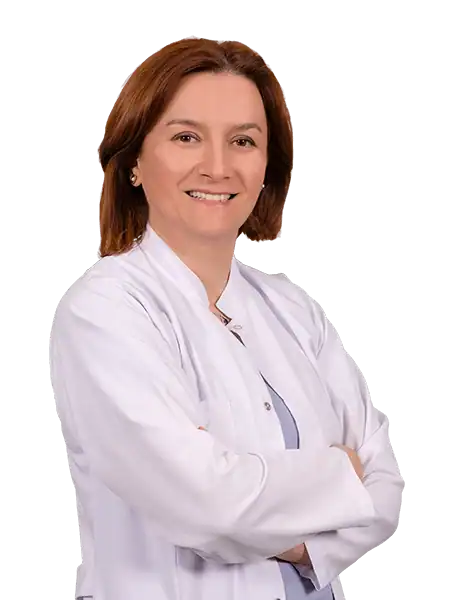
Prof. Dr. Özgül Altıntaş
Ophthalmology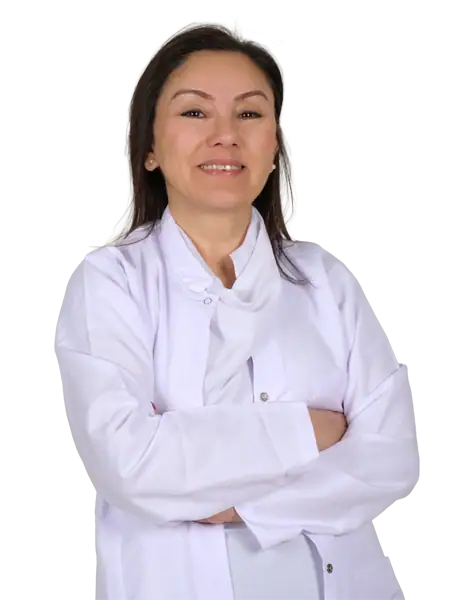
Prof. Dr. Özlem Şahin
Ophthalmology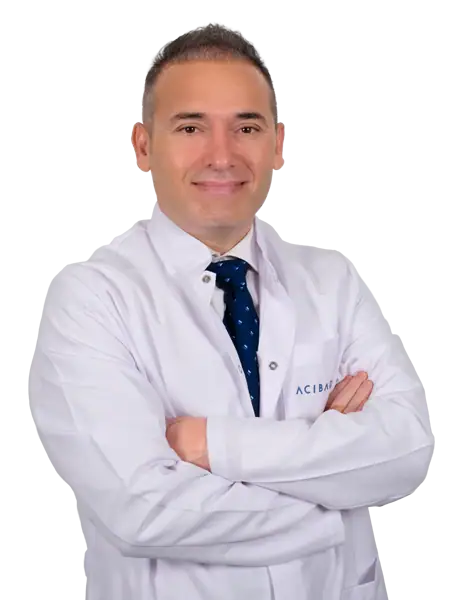
Assoc. Prof. Dr. Özgür Çakıcı
Ophthalmology
Dr. Akın Banaz
Ophthalmology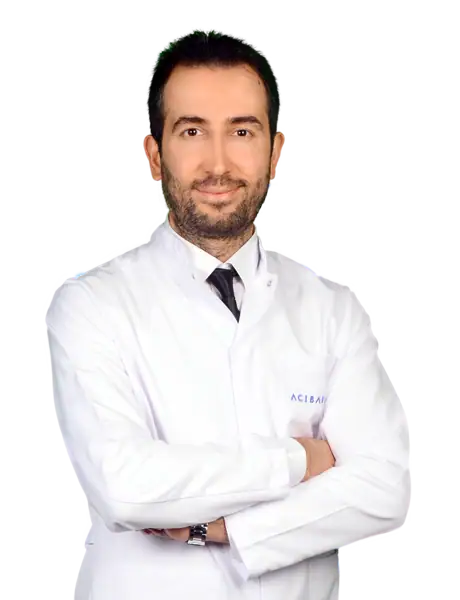
Dr. Alpaslan Koç
Ophthalmology
Dr. Buket Ayoğlu
Ophthalmology
Dr. Emel Çolakoğlu
OphthalmologyMedical Units
Available at These Hospitals











Frequently Asked Questions
What affects the cost of regenerative ophthalmology?
Cost depends on the diagnosis, eye structures involved, diagnostic imaging, laboratory preparation of biologic material, procedure setting, medications, and follow-up needs. A personalised quote requires review by an ophthalmology specialist.
How can I get a personalised quote?
You can request a free consultation and share your ophthalmology reports, imaging results, diagnosis, current medications, and previous treatment history. The medical team can then advise whether regenerative ophthalmology is suitable and what the proposed plan may include.
Are regenerative eye treatments suitable for every patient?
No. Suitability depends on the exact disease, disease stage, remaining visual potential, eye surface or retinal findings, and overall health. Some approaches are established for selected conditions, while others may be investigational or not appropriate.
What is typically included in a treatment package?
A package may include specialist consultation, ophthalmic imaging, treatment planning, procedure-related services, translation support, and follow-up guidance. Items such as additional tests, medications, laboratory preparation, or further visits may vary by case.
Will I need follow-up after returning home?
Yes, most regenerative ophthalmology treatments require structured monitoring to assess healing, inflammation, vision, and possible complications. Your specialist may coordinate written follow-up guidance for your local ophthalmologist.
Is this information medical or financial advice?
No. This is general educational information only. A specialist examination and individual cost assessment are needed before any medical or financial decision is made.