Ovary Removal: An Evidence-Based Guide for Patients
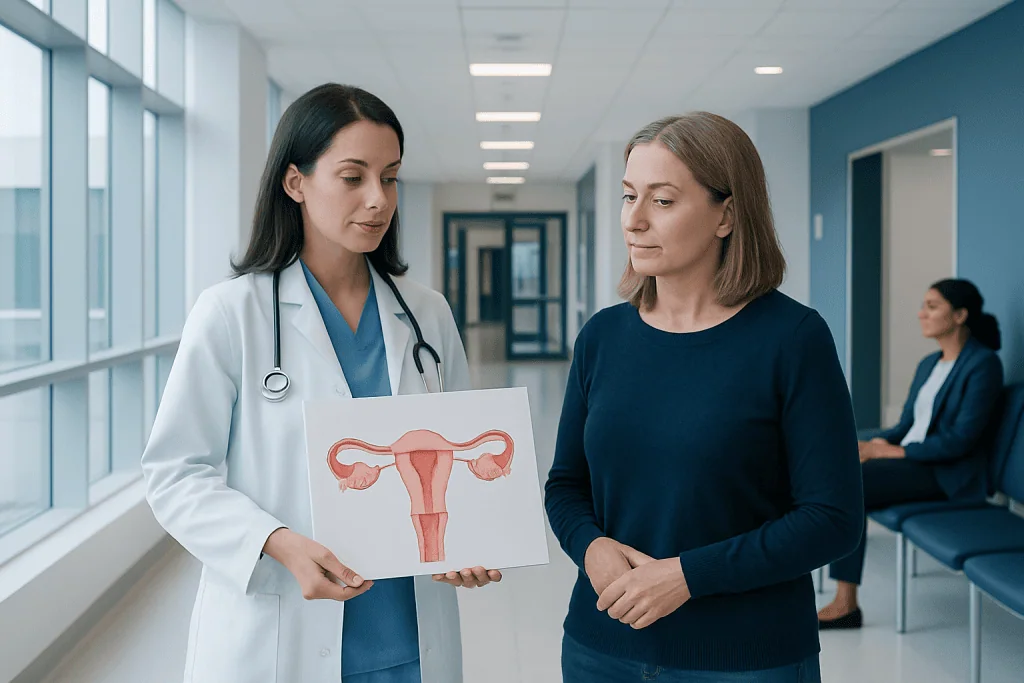
Ovary removal may involve one ovary (unilateral oophorectomy) or both ovaries (bilateral oophorectomy). When both ovaries are removed before natural menopause, hormone levels fall quickly and surgical menopause occurs.
Key Takeaways
- Ovary removal may involve one ovary (unilateral oophorectomy) or both ovaries (bilateral oophorectomy).
- When both ovaries are removed before natural menopause, hormone levels fall quickly and surgical menopause occurs.
- The procedure may be performed through minimally invasive keyhole surgery or open abdominal surgery, depending on the reason for treatment and clinical findings.
- Removing one ovary often allows the remaining ovary to continue producing hormones and releasing eggs.
- Decisions about ovary removal should consider the diagnosis, cancer risk, fertility goals, age, menopause status, and alternatives.
- Follow-up care may include symptom management, pathology review, emotional support, and a discussion about long-term bone and heart health.
Ovary removal, medically called oophorectomy, is an operation to remove one ovary or both ovaries. It may be recommended to treat a suspected or confirmed disease, reduce inherited cancer risk, or manage a serious complication; the effects depend largely on whether one or both ovaries are removed and whether menopause has already occurred.
Overview: what does ovary removal involve?
Ovary removal is a surgical procedure called an oophorectomy. A surgeon may remove one ovary, known as a unilateral oophorectomy, or both ovaries, known as a bilateral oophorectomy. The fallopian tube on the same side is often removed at the same time; this is called salpingo-oophorectomy.
The ovaries release eggs and produce hormones, including estrogen and progesterone. Their role changes after menopause, but they may still make small amounts of hormones. For this reason, the decision to remove ovaries is individualized and should balance the expected benefit of surgery with its possible short- and long-term effects.
Ovary removal may be planned as a stand-alone procedure or performed during another operation, such as hysterectomy, which removes the uterus. A hysterectomy does not automatically mean the ovaries will be removed. Keeping healthy ovaries may be appropriate for many people, especially before menopause, unless there is a clear medical reason for removal.
Why might ovary removal be recommended?
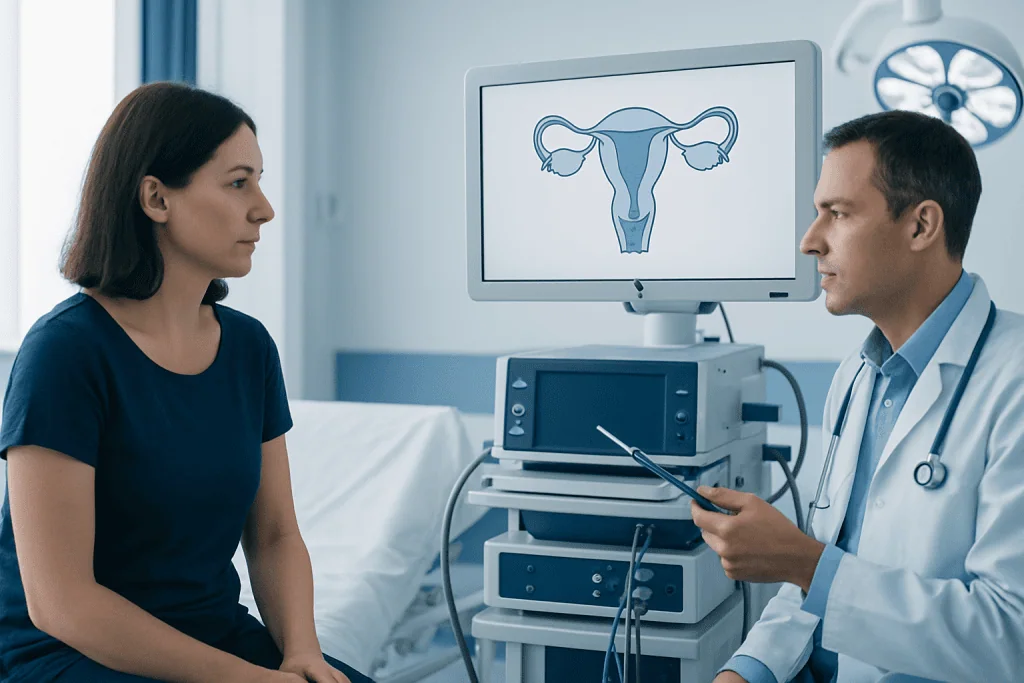
The most important reason for ovary removal is concern about ovarian, fallopian tube, or related cancers. When cancer is diagnosed or strongly suspected, surgery may be needed to establish the diagnosis, determine the extent of disease, and remove visible tumor. The operation may involve one or both ovaries, tubes, the uterus, or nearby tissues depending on the individual situation.
Other possible reasons include a large or persistent ovarian cyst, a mass with concerning imaging features, severe endometriosis, ovarian torsion that has damaged the ovary, or a tubo-ovarian abscess that has not responded to other treatment. Many ovarian cysts are harmless and resolve without surgery, so an oophorectomy is not routinely needed for every cyst or pelvic pain symptom.
Some people with inherited variants that substantially increase the risk of ovarian and fallopian tube cancer, such as certain BRCA-related risks, may consider preventive removal of both tubes and ovaries after individualized genetic counseling and family-planning discussions. Preventive surgery is different from surgery for an existing cancer, and the timing should be carefully discussed with a gynecologist, genetic specialist, and, when appropriate, a cancer care team.
One ovary versus both ovaries: fertility and hormone effects

With a unilateral oophorectomy, the remaining ovary can usually continue releasing eggs and producing hormones. If the remaining ovary is functioning and the uterus and fallopian tube are healthy, pregnancy may still be possible. However, fertility can also be affected by the underlying condition, age, prior treatments, or the health of the remaining tube and ovary.
Removing both ovaries before natural menopause causes an abrupt fall in ovarian hormone production. This is called surgical menopause. Symptoms can begin soon after surgery and may include hot flushes, night sweats, sleep changes, vaginal dryness, reduced sexual comfort, mood changes, and difficulty concentrating. Their severity varies considerably from person to person.
Early loss of ovarian hormones can also affect bone health and may contribute to longer-term cardiovascular and sexual health concerns. For people without a medical reason to avoid it, menopausal hormone therapy may be considered after bilateral ovary removal before the usual age of menopause. The choice depends on factors such as age, symptoms, whether the uterus remains, personal and family history, and the reason for surgery. Hormone therapy is not suitable for everyone, particularly in some hormone-sensitive cancers.
For people who hope to have children in the future, fertility preservation may be worth discussing before planned removal of both ovaries. Depending on time and medical circumstances, options may include freezing eggs or embryos. A reproductive medicine specialist can explain what is feasible before treatment begins.
How the operation is performed and what to expect
Before surgery, the care team reviews symptoms, medical history, medications, previous operations, imaging results, and blood tests. Pregnancy testing may be needed for people who could be pregnant. Ultrasound is commonly used to assess an ovarian mass, while CT or MRI may be used when more detail is required. If inherited cancer risk is a concern, genetic counseling can help clarify whether testing or preventive options are appropriate.
Many planned procedures are done using laparoscopy, also called keyhole surgery. The surgeon makes a few small abdominal incisions and uses a camera and specialized instruments to remove the ovary or ovaries. Laparoscopic and robot-assisted approaches may involve less postoperative pain and a shorter recovery for suitable patients. Open surgery, called laparotomy, uses a larger incision and may be necessary when cancer is suspected, a mass is very large, there is extensive scar tissue, or urgent treatment is required.
The operation is performed under general anesthesia. If a mass is being evaluated, tissue removed during surgery is sent to a laboratory for pathology testing. In selected situations, an initial assessment of tissue may be performed during the operation, but the final pathology report generally provides the most reliable diagnosis and guides any next steps.
Patients should ask the surgical team what procedure is planned, what could change during surgery, whether the fallopian tubes or uterus may also be removed, and how pathology results will be communicated. It is also important to review blood-thinning medicines, supplements, smoking, allergies, and plans for help at home after discharge.
Recovery, follow-up, and emotional wellbeing
Recovery depends on the surgical approach, the extent of surgery, and the reason it was needed. After minimally invasive surgery, many people return to light daily activities within days and resume fuller activities over several weeks. Recovery from open abdominal surgery generally takes longer. The surgeon will provide individualized guidance about wound care, bathing, driving, lifting, exercise, work, and sexual activity.
Some discomfort, fatigue, temporary bloating, and mild vaginal spotting can occur after gynecologic surgery. Pain relief should be used as directed, and gentle walking is often encouraged to support circulation and bowel function. Constipation is common after anesthesia and pain medicines, so fluids, fiber, movement, and clinician-recommended treatments may help.
A follow-up appointment allows the team to check healing, discuss pathology findings, and review ongoing care. After bilateral ovary removal before menopause, follow-up should also address menopausal symptoms, bone protection, cardiovascular risk factors, sexual wellbeing, and mental health. A clinician may recommend dietary measures, weight-bearing exercise, smoking cessation, and bone-density testing in appropriate circumstances.
It is normal to have mixed feelings about ovary removal, particularly when surgery affects fertility, body image, or the timing of menopause. Counseling, support groups, and open conversations with a partner or trusted person can be helpful. Emotional support is part of recovery, not a sign that someone is coping poorly.
Questions to consider before making a decision
When surgery is elective or preventive rather than urgent, patients can take time to understand the expected benefits, alternatives, and uncertainties. Important questions include whether the ovary itself needs to be removed, whether a cyst can be monitored or treated with ovary-sparing surgery, and whether removal of the fallopian tubes alone is relevant in the individual situation. The answer depends on the diagnosis and personal risk profile.
People considering bilateral ovary removal before menopause may wish to ask about fertility preservation, expected menopausal symptoms, hormone therapy, and long-term health monitoring. Those with a known or possible inherited cancer predisposition can benefit from genetic counseling, which helps explain test results and supports informed decisions for both the patient and family members.
A second opinion may be reasonable when surgery is proposed for a complex ovarian mass, a possible cancer, endometriosis, or preventive risk reduction. It can help confirm the diagnosis and clarify choices without delaying necessary urgent care. Decisions should be made with qualified clinicians who understand the person’s medical history and priorities.
When to seek medical care
Urgent medical assessment is important for sudden, severe pelvic or lower abdominal pain, especially when it occurs with nausea, vomiting, fever, fainting, dizziness, or heavy vaginal bleeding. These symptoms can have several causes, including ovarian torsion, a ruptured cyst, infection, or pregnancy-related complications, and they should not be managed at home without advice.
After ovary removal, patients should contact their surgical team promptly for increasing rather than improving pain, fever, persistent vomiting, marked abdominal swelling, redness or drainage from an incision, heavy bleeding, chest pain, shortness of breath, or one-sided leg swelling. These symptoms do not always indicate a serious problem, but they need timely evaluation.
A non-urgent gynecology appointment is appropriate for persistent bloating, pelvic pressure, new urinary urgency, feeling full quickly, unexplained changes in menstruation, or ongoing pelvic pain. These symptoms are common and often have non-cancerous explanations, but a clinician can assess them properly. Acibadem International’s multidisciplinary specialists and JCI-accredited hospitals diagnose and treat gynecologic conditions for international patients.
Frequently asked questions
Is ovary removal the same as a hysterectomy?
No. Ovary removal is an oophorectomy, while a hysterectomy removes the uterus. These procedures may be performed together, but one does not automatically require the other. A person can have a hysterectomy and keep one or both ovaries.
Can someone become pregnant after one ovary is removed?
Often, yes. If the remaining ovary continues to ovulate and the uterus and at least one fallopian tube are functional, pregnancy may still be possible. Individual fertility also depends on age, the reason for surgery, and other reproductive health factors.
Does removal of both ovaries always cause menopause?
Removal of both ovaries causes surgical menopause if it occurs before natural menopause. Symptoms may start quickly because ovarian hormone production falls abruptly. If a person is already postmenopausal, they will not have a new menstrual transition, although the ovaries may still have limited hormone activity.
How long does recovery after ovary removal take?
Recovery varies with the type and extent of surgery. Many people recover more quickly after laparoscopic surgery than after open abdominal surgery, but the timeline can range from several weeks to longer for more extensive procedures. The surgical team provides the safest guidance for returning to work, exercise, and sexual activity.
Will hormone therapy be needed after both ovaries are removed?
Not everyone needs hormone therapy, but it is often discussed for people who have both ovaries removed before the typical age of menopause. It may help manage symptoms and support long-term health for suitable patients. The decision depends on the reason for surgery and personal health history, including any cancer-related factors.
Can an ovarian cyst be treated without removing the ovary?
Yes, many cysts can be monitored because they resolve on their own, particularly before menopause. If surgery is needed, doctors may sometimes remove only the cyst and preserve the ovary, a procedure called cystectomy. The best approach depends on the cyst’s size, appearance, symptoms, and cancer risk assessment.
This article is for general information only and is not a substitute for professional medical advice. Please consult a qualified doctor about your individual situation.
Oncology care in Turkey — second opinion and treatment plan
JCI-accredited · board-certified surgeons · reply within 24h
Add us as a Preferred Source to see more of our trusted health content across Google Search, AI Overviews and Discover.

More from the Health Library

Bump on Eyelid: A Complete Medical Overview

Skin Plaque — Explained by Medical Evidence, Not Myths

Ototoxicity — Explained by Medical Evidence, Not Myths

Beta Alanine: An Evidence-Based Guide for Patients

Heart Rate Monitor: A Complete Medical Overview