Otoplasty ear surgery Risks & Side Effects Explained by Surgeons

Otoplasty carries the risks of any operation: bleeding, infection, scarring, uneven ear position or shape, and possible revision surgery. Temporary swelling, bruising and numbness are common and usually settle. Contact your surgeon promptly if you notice increasing pain, spreading redness, discharge or fever after the procedure.
Key Takeaways
- Most otoplasty side effects, including swelling, bruising and temporary numbness, improve during recovery.
- Less common but important complications include blood collection under the skin, infection, noticeable scarring, asymmetry and ear cartilage changes.
- Otoplasty changes the shape, position or projection of the outer ear; it does not usually affect hearing.
- Children and adults may be candidates when the ears are fully developed and the person is healthy enough for surgery.
- Prompt medical assessment is important for severe pain, increasing swelling, fever, wound drainage or a sudden change in ear shape.
Maybe you’ve spent years tucking your hair over your ears, or you’ve noticed your child doing the same. When you start looking into otoplasty, one question usually comes first: what could go wrong?
The honest answer is reassuring. Otoplasty is generally a safe procedure when performed by an appropriately qualified surgeon. But it does carry possible risks — bleeding, infection, scarring, uneven results and the need for revision surgery. A careful consultation, realistic expectations and following your aftercare instructions can help reduce avoidable complications.
Otoplasty Ear Surgery Risks: What to Know First
Otoplasty ear surgery risks are usually manageable, and many people experience only temporary swelling, bruising, tenderness or numbness. However, as with any operation, there is a possibility of complications, including bleeding, infection, scarring, uneven ear position or shape, and the need for further surgery.
Otoplasty, sometimes called ear pinning surgery, reshapes or repositions the visible outer ear. People consider it for ears that stick out, look uneven, or have changed after an injury. The surgery works on the auricular cartilage and skin, not the structures responsible for hearing — so it isn’t meant to improve or reduce hearing.
Before recommending treatment, your surgeon should go through your anatomy, your goals, your medical history and any specific risk factors that apply to you. For a broader explanation of the procedure and planning process, see otoplasty ear surgery.
How Otoplasty Works and Who May Be a Candidate
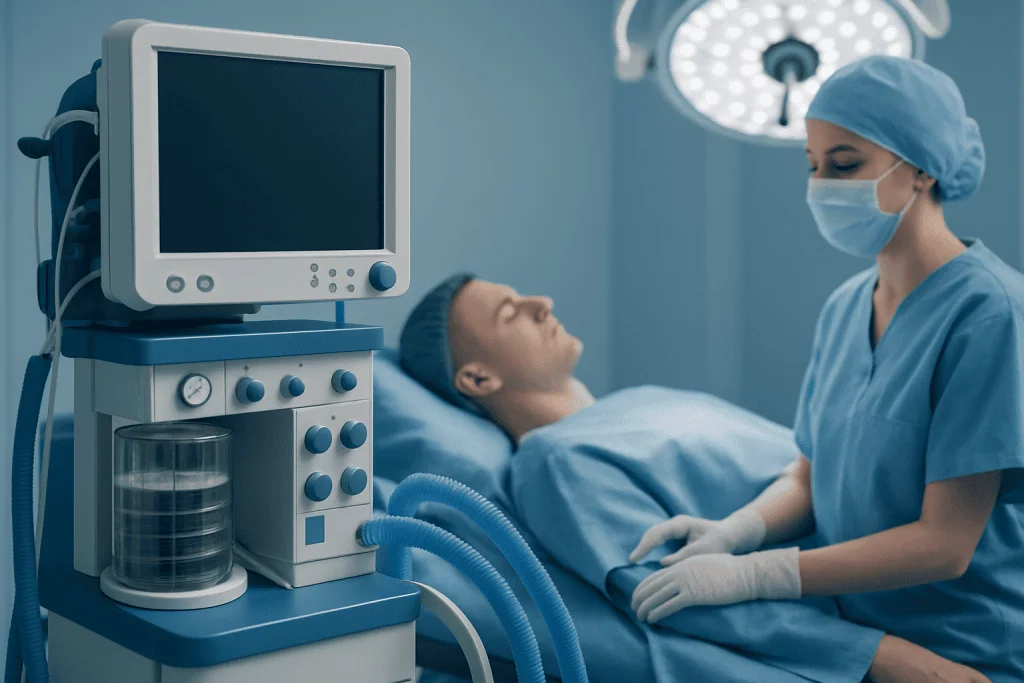
The outer ear is supported by flexible cartilage. In otoplasty, a surgeon may reshape this cartilage, create or strengthen natural folds, remove a small amount of cartilage when appropriate, or move the ears closer to the head. The technique is tailored to the ear structure and the desired outcome, rather than using one standard method for every patient.
Children may be considered for otoplasty once their ears are close to adult size, which is often from around age 5 onward. Adults can also have the procedure. Suitable candidates are generally in good overall health, have stable expectations, understand the recovery process, and are seeking a change for their own reasons rather than because of pressure from others.
During the consultation, the surgeon evaluates ear symmetry, cartilage firmness, skin quality and the relationship of the ears to the face. They should also ask about previous ear surgery, a tendency toward raised scars, bleeding conditions, medications and nicotine use. Otoplasty may need to be postponed if there is an active skin or ear infection.
If body-image concerns are causing you real distress, extra support before deciding on cosmetic surgery can help. Use the consultation to talk through what surgery can realistically achieve — no face and no pair of ears is perfectly symmetrical to begin with.
What Happens During the Procedure

Otoplasty is usually performed as an outpatient procedure. Depending on the patient’s age, health, preference and the complexity of the operation, anesthesia may involve local anesthetic with sedation or general anesthesia. The surgical team explains the planned anesthesia and fasting instructions in advance.
In a common approach, the surgeon makes a discreet incision in the crease behind the ear. The cartilage is then carefully accessed and reshaped with techniques that may include sutures, scoring or selective cartilage removal. Permanent internal stitches may be used to hold the cartilage in its new position, and the skin incision is closed with sutures.
Both ears are often treated during the same operation, even when one ear is more prominent, to improve balance. The operation length varies according to the technique and whether the surgery is primary or revision otoplasty. A soft dressing or protective head bandage is usually placed at the end of the procedure.
The aim is a natural-looking ear contour, not ears pulled flat against the head. An overcorrected ear or an unnatural fold can be hard to put right later — which is exactly why detailed planning beforehand and an experienced surgical assessment count for so much.
Common Side Effects and Recovery Timeline
After otoplasty, it is normal to have swelling, bruising, soreness, a feeling of tightness and reduced sensation around the ears. These effects are typically most noticeable in the first several days. Pain is usually managed with the medicines recommended by the surgical team, and patients should not add over-the-counter medicines without checking first because some can increase bleeding risk.
A bulky dressing is commonly worn for a short period, followed by a softer headband, often especially while sleeping. The precise schedule differs between surgeons and techniques. Keeping the ears protected helps prevent accidental bending or pressure on the healing cartilage.
Many adults return to desk-based work and many children return to school within about one to two weeks, depending on comfort, dressing requirements and the nature of their activities. Contact sports, vigorous exercise, swimming and activities that could bend the ears generally need to be delayed until the surgeon confirms that healing is sufficient.
The ears often look improved once early swelling settles, but the final contour may take several months to become clear. Temporary differences in swelling between the two sides are common. Follow-up appointments allow the surgeon to assess wound healing, remove sutures when needed and identify concerns early.
Potential Risks and Complications of Otoplasty
All surgery carries general risks related to anesthesia, bleeding, infection and wound healing. In otoplasty, bleeding can occasionally lead to a hematoma, which is a collection of blood beneath the skin. A hematoma may cause increasing pain, pressure or swelling and sometimes requires urgent drainage to protect the cartilage.
Infection is uncommon but can affect the skin, incision or cartilage. Cartilage infection requires timely treatment because it may affect ear shape if severe. Signs may include increasing redness, warmth, swelling, worsening pain, fever or discharge from the incision.
Other possible complications include visible or raised scars, delayed wound healing, skin irritation from dressings, persistent numbness or sensitivity, stitch-related irritation, and changes to the ear contour. The ears can heal with residual asymmetry, recur toward their original position, or become overcorrected. Some people choose or need revision surgery if the result is not stable or does not meet the agreed surgical goal.
Rarely, reduced blood supply to the skin or cartilage can lead to tissue damage. Risks may be higher in people who smoke or use nicotine products, have poorly controlled diabetes, have circulation problems, use certain medications, or do not follow aftercare instructions. A surgeon can explain how personal health factors may change the balance of benefits and risks.
- Short-term effects: swelling, bruising, discomfort, itchiness and temporary altered sensation.
- Complications requiring review: hematoma, infection, wound separation, persistent pain or problematic scarring.
- Outcome-related concerns: asymmetry, recurrence, overcorrection, undercorrection or an unnatural contour.
Reducing Risk and Supporting Healing
Choosing a suitably trained plastic surgeon or ear, nose and throat surgeon with experience in otoplasty is an important part of safe care. The consultation should include a clear discussion of expected changes, scar placement, anesthesia, recovery, possible complications and what may happen if revision surgery is needed.
Patients should provide an accurate medical history and a complete list of prescription medicines, supplements and non-prescription products. The surgeon may advise changes to medicines that affect bleeding, but no medication should be stopped without guidance from the clinician who prescribed it. Avoiding smoking and all nicotine products before and after surgery supports blood flow and wound healing.
After surgery, it is important to wear dressings and headbands exactly as instructed, sleep in a position that avoids pressure on the ears, attend follow-up visits and avoid activities that could injure the ears. Patients should not manipulate the ears, remove crusting aggressively or apply unapproved creams or products to the incision.
Realistic expectations matter as much as anything else. Otoplasty can improve how far your ears project or how they are shaped, but it cannot make them perfectly identical, and it cannot promise a particular emotional or social outcome. Talk openly with your care team before and after surgery so your concerns get addressed properly.
When to Seek Medical Care
Patients should contact their surgical team promptly if pain becomes severe or steadily worsens, particularly if it is not relieved by the prescribed plan. Rapid swelling of one ear, a very tight dressing, a sudden change in ear shape or marked one-sided bruising can indicate bleeding beneath the skin and should be assessed without delay.
Medical advice is also needed for increasing redness, warmth, foul-smelling drainage, pus, fever, chills, wound opening, or a spreading rash. These symptoms do not always mean a serious complication, but early assessment is the safest way to identify infection or a dressing-related problem.
Emergency care may be appropriate for signs of a severe allergic reaction, such as trouble breathing, swelling of the face or throat, or widespread hives. Any concerns after anesthesia, including persistent vomiting, confusion or breathing difficulty, should also be reported urgently according to the discharge instructions.
Acibadem International’s multidisciplinary specialists and JCI-accredited hospitals diagnose and treat ear concerns for international patients. A qualified surgeon can provide individualized advice about whether otoplasty is appropriate and how to plan a safe recovery.
Frequently asked questions
Is otoplasty a high-risk surgery?
Otoplasty is generally considered a low-risk elective procedure when it is performed by a qualified surgeon in an appropriate clinical setting. Still, it involves surgical risks, including bleeding, infection, scarring, asymmetry and anesthesia-related complications. Individual risk depends on health history, surgical technique and adherence to aftercare.
Can otoplasty affect hearing?
Otoplasty usually does not affect hearing because it changes the visible outer ear rather than the middle or inner ear structures involved in hearing. The operation is performed to alter ear shape, folds or projection. A person with hearing symptoms should have these assessed separately.
How long does swelling last after otoplasty?
Swelling is usually most noticeable during the first days after surgery and improves gradually over the following weeks. Mild residual swelling and changes in sensation can take several months to fully settle. Healing time varies with the surgical technique and the individual.
What are the signs of infection after otoplasty?
Possible signs include increasing redness, warmth, swelling, worsening pain, fever, drainage or an unpleasant smell from the incision. These symptoms should be reported promptly to the surgical team. Early assessment and treatment can help protect healing tissues.
Can ears return to their original position after otoplasty?
Some degree of recurrence is possible if reshaped cartilage gradually moves or supporting sutures fail. This may occur on one or both sides and can result in uneven ear prominence. Revision surgery may be discussed after healing is complete if the change is significant and the person remains bothered by it.
When can a person sleep normally after otoplasty?
Patients are usually advised to avoid sleeping directly on the ears during the early healing period. A surgeon may recommend sleeping on the back and using a protective headband for a specified time. The exact instructions vary, so the treating team’s guidance should be followed.
This article is for general information only and is not a substitute for professional medical advice. Please consult a qualified doctor about your individual situation.
Otoplasty in Turkey — costs, top hospitals & a free quote
7 JCI-accredited hospitals · board-certified surgeons · reply within 24h
Add us as a Preferred Source to see more of our trusted health content across Google Search, AI Overviews and Discover.

Medically reviewed by the Acıbadem International Medical Board — August 24, 2026
See our medical review board →
Update history
- PublishedAugust 21, 2026
- Medical review approvedAugust 24, 2026
- Last content updateAugust 24, 2026
References2
- Ear correction surgery — NHS — nhs.uk
- Plastic and Cosmetic Surgery — MedlinePlus — medlineplus.gov
Aesthetic Plastic & Reconstructive Surgery Specialists at Acibadem

Assoc. Prof. Dr. Mehmet Altıparmak
Aesthetic Plastic & Reconstructive Surgery
Assoc. Prof. Dr. Mehmet Sağır
Aesthetic Plastic & Reconstructive Surgery
Dr. Mehmet Severcan
Aesthetic Plastic & Reconstructive Surgery
Prof. Dr. Mehmet Veli Karaaltın
Aesthetic Plastic & Reconstructive Surgery
Dr. Mithat Ulay
Aesthetic Plastic & Reconstructive SurgeryRelated Treatments
Related Conditions
More from the Health Library

Chin Aesthetic Surgery: What Results Are Realistic?

Rhinoplasty Reshapes the Nose and Can Improve Breathing

Vaser Liposuction Reshapes Contours but Does Not Treat Obesity

What Plastic Surgeons Do and How to Choose One

Breast Implant Removal and What Happens to the Capsule