Rhinoplasty Risks & Side Effects Explained by Surgeons

Most rhinoplasty side effects are temporary, including swelling, bruising, numbness and a blocked-nose feeling. Less common complications include bleeding, infection, poor healing, breathing problems, asymmetry or dissatisfaction that may require revision surgery. Contact your surgeon promptly if you notice heavy bleeding, fever, worsening pain or signs of infection after surgery.
Key Takeaways
- Most rhinoplasty side effects, such as swelling and bruising, are temporary and improve gradually during healing.
- Potential complications include bleeding, infection, changes in nasal breathing, asymmetry, scarring and the need for revision surgery.
- Rhinoplasty is individualized; prior surgery, skin thickness, nasal anatomy, medical conditions and smoking can affect risk and outcomes.
- The final shape of the nose may take many months to settle, even when day-to-day recovery is much shorter.
- Prompt medical advice is important for heavy bleeding, fever, worsening pain, breathing problems or signs of infection after surgery.
Wondering what could go wrong if you have your nose reshaped? It’s a fair question, and one worth asking out loud before you decide anything.
Most rhinoplasty risks are manageable. You can expect temporary swelling, bruising, numbness and a blocked-up feeling in your nose. Less commonly, complications can include infection, bleeding, scarring, breathing difficulties or simply not being happy with the result.
Sitting down with a qualified plastic surgeon or facial plastic surgeon helps you understand your own individual risks, what recovery will really look like, and whether rhinoplasty is the right choice for what you want to achieve.
Overview: What Are the Risks of Rhinoplasty?
Rhinoplasty changes the shape, size or structure of the nose. People have it for cosmetic reasons, to breathe better, to correct changes after an injury, or as part of reconstructive care. Like every operation, it carries risks. Most people go through some swelling, bruising, mild discomfort, numbness and a blocked-nose feeling in the early weeks.
Less common rhinoplasty risks include bleeding, infection, poor wound healing, noticeable scarring, asymmetry, changes in sensation, persistent nasal obstruction, dissatisfaction with the appearance, and a need for further surgery. Listing these risks doesn’t mean they will happen to you. They are simply things you and your surgeon should talk through honestly before you commit.
A safe decision starts with realistic goals, a detailed health assessment and a surgeon who explains both the possible benefits and limitations. For a broader overview of the procedure and planning process, readers can review rhinoplasty treatment options.
How Rhinoplasty Works and Who May Be a Candidate
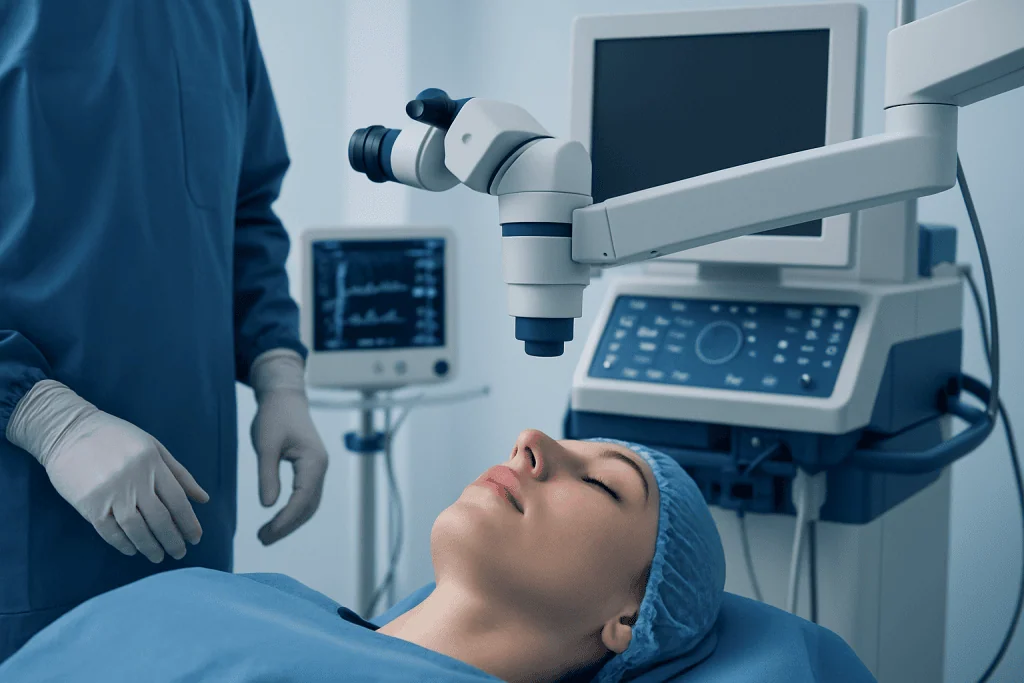
The nose is supported by bone, cartilage, skin and internal structures that guide airflow. During rhinoplasty, the surgeon reshapes or repositions selected structures to improve balance, correct a hump or asymmetry, refine the nasal tip, narrow the nostrils, restore form after injury, or address structural causes of breathing difficulty. Functional surgery may involve work on the nasal septum or internal nasal valves as well as changes to the outside of the nose.
Suitable candidates are generally adults in good overall health who have a stable nasal structure, understand that perfect symmetry is not possible, and have clear, realistic expectations. Adolescents may be considered in selected circumstances once facial growth is sufficiently advanced, particularly when breathing or reconstructive needs are present. The timing should be determined individually by an experienced surgeon.
A consultation should cover previous nasal surgery or injury, allergies, breathing symptoms, medications and supplements, smoking or nicotine use, bleeding history, and any medical conditions that may affect anesthesia or healing. People with body-image concerns may also benefit from a careful discussion of goals and expectations before proceeding.
- People seeking cosmetic refinement should understand that improvement, rather than perfection, is the realistic aim.
- People with nasal blockage need an assessment of internal nasal anatomy, not only the nose’s external appearance.
- People considering revision rhinoplasty usually need especially detailed evaluation because scar tissue and altered support can make surgery more complex.
What Happens During the Procedure

Rhinoplasty is usually performed under general anesthesia, although the anesthesia plan depends on the procedure and the individual. Before surgery, the surgeon reviews the agreed plan, takes photographs for clinical planning, and marks or rechecks key features when appropriate. The operation may use a closed approach, with incisions inside the nostrils, or an open approach, which includes a small incision across the skin between the nostrils.
After accessing the underlying framework, the surgeon may adjust bone, reshape cartilage, straighten internal structures, add cartilage support, or modify the nostrils. Cartilage grafts may come from the nasal septum, ear or rib when additional support is needed, particularly in complex or revision procedures. The skin then redrapes over the reshaped framework.
At the end of surgery, small internal supports, splints or soft packing may be used in some cases, and an external nasal splint is often placed to protect the nose during early healing. Most patients return home the same day, but the care team gives individualized instructions about transport, medications, eating, sleeping position and follow-up.
Expected Side Effects and Recovery Timeline
Early rhinoplasty recovery commonly involves swelling around the nose and eyes, bruising, tenderness, nasal stuffiness, mild blood-stained drainage and temporary changes in smell or sensation. These effects are typically most noticeable during the first days after surgery. An external splint, if used, is commonly removed at a follow-up visit about a week later, although the exact schedule varies.
Many people can resume light daily activities and non-strenuous work or study within one to two weeks, depending on the nature of their work and the extent of bruising or swelling. Exercise, contact sports, heavy lifting and activities that could injure the nose need to be avoided for the period advised by the surgeon. Eyeglasses may also require special positioning or support while the nasal bones heal.
Visible swelling often improves substantially over several weeks, but the nose continues to refine gradually. The tip, particularly in people with thicker skin or after more extensive surgery, can remain swollen for many months. It may take up to a year or longer for the final result to become fully apparent. Follow-up visits help the surgical team monitor healing and address questions promptly.
Sticking closely to your instructions makes a smooth recovery far more likely. That usually means keeping your head elevated, protecting your nose from pressure or knocks, not blowing your nose until you’re told it’s safe, showing up to your appointments, and staying away from smoking and nicotine, which slow healing.
Potential Complications and Factors That Affect Risk
Serious complications are uncommon, but you deserve to hear about them anyway. Bleeding may occur during or after surgery and can occasionally require additional treatment. Infection is possible after any surgery, though it is not common. Reactions to anesthesia, blood clots and other general surgical complications are also considered as part of preoperative assessment.
Specific rhinoplasty risks include persistent swelling, prolonged numbness, visible or internal scarring, uneven nostrils, irregular contours, skin discoloration, septal perforation, reduced structural support, and changes in airflow. A nose can look improved externally yet still have breathing symptoms if internal factors are not fully addressed. Conversely, functional reconstruction may require changes that affect cosmetic appearance, which is why surgical planning should consider both form and function.
Some outcomes cannot be predicted exactly because healing differs between individuals. Thick skin, prior trauma, previous surgery, scar tissue, asymmetry before surgery, certain inflammatory skin conditions and complex structural problems can make results less predictable. Smoking, nicotine products, uncontrolled medical conditions and failure to follow recovery advice may increase the chance of healing problems.
Revision rhinoplasty may be considered when healing is complete and a meaningful concern remains. It is generally not assessed too early because swelling and scar maturation can continue for many months. A surgeon can explain whether observation, non-surgical support or a later corrective procedure is the most appropriate next step.
Benefits, Risk Reduction and Preparing Safely
When rhinoplasty is appropriate and carefully planned, potential benefits may include improved facial balance, correction of injury-related changes, greater confidence in appearance, and improved airflow for some people with structural nasal obstruction. Results depend on anatomy, surgical goals, healing and the degree to which expectations match what surgery can reliably achieve.
Risk reduction begins before the operation. A person should choose a suitably qualified surgeon with experience in nasal surgery, share a complete medical history, and ask how the plan addresses breathing as well as appearance. It is also helpful to discuss the surgeon’s approach to asymmetry, skin thickness, grafting, scarring, follow-up and the possibility of revision surgery.
Before surgery, the care team may advise stopping nicotine use, reviewing medications that affect bleeding, arranging help at home for the first day or two, and preparing for time away from strenuous activity. Patients should not stop prescribed medicines without advice from the clinician who manages them. They should also tell the surgical team about herbal products, vitamins and over-the-counter medicines.
At Acibadem International, our specialist teams work across disciplines in JCI-accredited hospitals, assessing both cosmetic and breathing-related nasal concerns and caring for patients who travel to us from abroad. A one-to-one consultation is the clearest way to find out whether surgery suits you, and what recovery and risks would mean in your case.
When to Seek Medical Care
After rhinoplasty, patients should contact their surgical team promptly if they have bleeding that does not settle with the instructions they were given, worsening rather than improving pain or swelling, a persistent fever, foul-smelling drainage, spreading redness, or a new rash or medication reaction. These symptoms do not always indicate a serious problem, but they should be assessed.
Urgent medical attention is needed for difficulty breathing, chest pain, fainting, sudden severe headache, confusion, vision changes, marked swelling around the eyes, or heavy uncontrolled bleeding. If emergency symptoms occur, the person should use local emergency services rather than waiting for a routine follow-up appointment.
It is also appropriate to seek advice for ongoing nasal obstruction, concerns about healing, emotional distress about appearance, or uncertainty about activity restrictions. Speaking up early is usually reassuring, and it lets your clinician catch anything worth acting on before it grows into a bigger problem.
Frequently asked questions
Is rhinoplasty a high-risk surgery?
Rhinoplasty is commonly performed, and serious complications are uncommon when appropriate patients are assessed and surgery is performed by a qualified surgeon. However, it is still surgery involving anesthesia, healing tissues and the structures that support breathing. Individual risk depends on health, nasal anatomy, the complexity of the operation and adherence to aftercare instructions.
What are the most common side effects after rhinoplasty?
Swelling, bruising, tenderness, temporary numbness and nasal congestion are common in the first days and weeks after surgery. Mild blood-stained drainage can also occur early on. These effects usually improve gradually, although subtle swelling may take months to resolve fully.
Can rhinoplasty make breathing worse?
It can, particularly if internal support structures are weakened, scar tissue develops, or a pre-existing breathing issue is not fully addressed. A careful assessment of the septum, nasal valves and airflow before surgery can help reduce this risk. Anyone with persistent obstruction after surgery should contact their surgeon for review.
How long does it take to see the final rhinoplasty result?
The early shape becomes clearer after the first weeks as bruising and larger swelling improve. However, the nose continues to heal and settle over many months, especially at the tip. Final refinement may take a year or longer in some cases.
How often is revision rhinoplasty needed?
The need for revision varies with the complexity of the initial surgery, the person’s anatomy and how healing progresses. Some people seek further surgery because of breathing concerns, asymmetry, scar-related changes or a result that does not meet agreed goals. Revision is usually considered only after sufficient healing time has passed.
What should a person ask at a rhinoplasty consultation?
Useful questions include what changes are realistically achievable, how the procedure may affect breathing, which surgical approach is recommended, and what recovery restrictions will apply. It is also important to ask about the person’s individual risk factors, follow-up care and how concerns would be managed if the result requires more time or further treatment.
This article is for general information only and is not a substitute for professional medical advice. Please consult a qualified doctor about your individual situation.
Rhinoplasty in Turkey — costs, top hospitals & a free quote
7 JCI-accredited hospitals · board-certified surgeons · reply within 24h
Add us as a Preferred Source to see more of our trusted health content across Google Search, AI Overviews and Discover.

Medically reviewed by the Acıbadem International Medical Board — August 24, 2026
See our medical review board →
Update history
- PublishedAugust 21, 2026
- Medical review approvedAugust 24, 2026
- Last content updateAugust 24, 2026
References1
- Rhinoplasty — Cleveland Clinic — my.clevelandclinic.org
Aesthetic Plastic & Reconstructive Surgery Specialists at Acibadem
Prof. Dr. Mehmet Veli Karaaltın
Aesthetic Plastic & Reconstructive Surgery
Dr. Mithat Ulay
Aesthetic Plastic & Reconstructive Surgery
Dr. Münür Selçuk Kendir
Aesthetic Plastic & Reconstructive Surgery
Dr. Mustafa Mert Okumuş (m)
Aesthetic Plastic & Reconstructive Surgery
Dr. Mutluhan Temizsoy
Aesthetic Plastic & Reconstructive SurgeryRelated Treatments
Related Conditions
More from the Health Library

Flap Surgery Moves Living Tissue to Repair Complex Wounds

How a Hair Transplant Works, From Candidacy to Recovery

Mastopexy Lifts Sagging Breasts but Does Not Add Volume

Abdominoplasty Removes Loose Skin and Tightens the Abdomen

Eyelid surgery blepharoplasty Risks & Side Effects Explained by Surgeons