

Aesthetic Foot Surgery
Aesthetic foot surgery reshapes or corrects visible foot deformities to improve appearance, footwear comfort, and function. It may involve soft-tissue procedures, toe correction, or bone realignment.
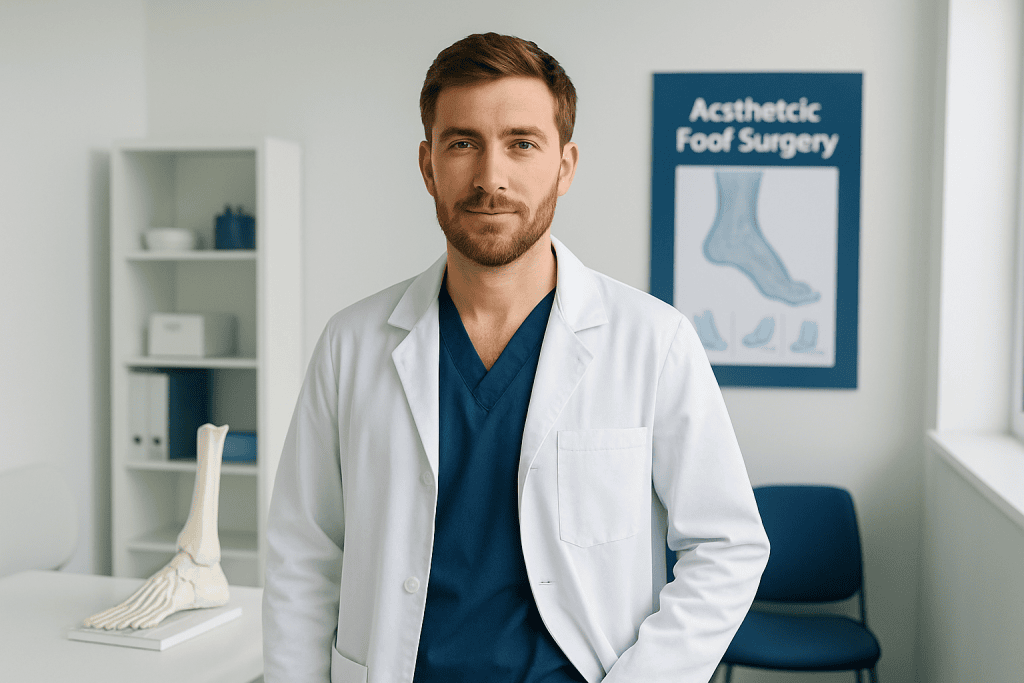
Quick answer
Aesthetic foot surgery reshapes or corrects visible foot deformities to improve appearance, footwear comfort, and everyday function. At Acibadem in Turkey, treatment is tailored to the specific problem and may include soft-tissue procedures, toe correction, or bone realignment, with planning based on foot structure and movement.
Considering Aesthetic Foot Surgery: Appearance, Comfort and Confidence in Daily Movement
Feet are visible in ways that can feel unexpectedly personal. Open shoes, professional settings, social occasions, sports, travel and even walking barefoot can make a visible foot deformity feel difficult to ignore. For some people, the concern is mainly appearance: a prominent bunion, crooked toes, overlapping toes, a toe that appears too long or too short, or a broad forefoot that makes shoes difficult to wear. For others, the cosmetic concern is closely linked with discomfort, rubbing, calluses, nail pressure, skin irritation or pain after standing and walking.
Aesthetic foot surgery is not simply “cosmetic surgery for the feet.” The foot is a complex weight-bearing structure, and every visible change must be considered in relation to balance, gait, joint motion, footwear comfort and long-term function. A well-planned procedure aims to improve the shape and alignment of the foot while protecting, and when possible improving, the way the foot works.
Many patients who research aesthetic foot surgery feel hesitant. They may worry about pain, scarring, walking after surgery, time away from work, whether the result will look natural, and whether surgery abroad can be coordinated safely. These are reasonable questions. At Acibadem, the evaluation begins with a careful medical and functional assessment, not only a discussion of appearance. The goal is to understand what bothers you, what is medically correctable, what is realistic, and which approach offers the safest path toward a balanced outcome.
Treatment matters because visible deformities can progress, footwear problems can become chronic, and compensating for foot discomfort may affect the ankle, knee, hip or lower back over time. When surgery is appropriate, it can help patients wear shoes more comfortably, reduce pressure points, improve toe alignment and restore a more proportionate appearance. The best results come from precise diagnosis, realistic expectations and a personalized surgical plan that respects the anatomy of the foot.
What Is Aesthetic Foot Surgery?
Aesthetic foot surgery refers to surgical procedures that reshape, realign or correct visible deformities of the foot. It may involve bones, joints, tendons, ligaments, skin and soft tissues. Although patients often seek treatment because of appearance, many procedures also address functional problems such as pain, shoe conflict, abnormal pressure, limited toe position or recurring irritation.
The exact operation depends on the deformity. In some patients, treatment may focus on a bunion, which is a bony prominence and alignment problem at the base of the big toe. In others, the concern may be hammertoes, claw toes, mallet toes, overlapping toes, tailor’s bunion on the outside of the foot, toe length imbalance, prominent bony areas, painful calluses related to structure, or deformities after previous injury or surgery. Some patients require only soft-tissue correction. Others need bone realignment, known as osteotomy, with small implants or fixation devices used to hold the corrected position while healing occurs.
Aesthetic foot surgery may be performed using open techniques, smaller-incision techniques or minimally invasive methods when suitable. The choice is based on the deformity, bone quality, joint condition, skin and soft-tissue health, patient activity level and surgeon assessment. In responsible foot surgery, the appearance of the foot is never separated from its function. A toe that looks straighter but becomes stiff, painful or unstable is not a good result. For this reason, the surgical plan is designed around both form and movement.
It is also important to understand what aesthetic foot surgery is not. It is not a procedure to force the foot into a very narrow shoe style at the expense of joint health. It is not appropriate when the requested change would weaken the foot, create imbalance or increase the risk of future pain. An experienced foot and ankle surgeon will explain which changes are medically reasonable and which should be avoided.
Who May Need Aesthetic Foot Surgery?
Patients who consider aesthetic foot surgery usually have a visible foot shape concern that affects confidence, comfort or daily life. Some have lived with a deformity for years and notice it worsening gradually. Others develop symptoms after pregnancy, weight change, aging, increased activity, a change in footwear, or an old injury. Some patients have already tried wider shoes, padding, orthotics, toe spacers, shoe modifications, physiotherapy or skin care and still feel limited.
Typical symptoms and concerns may include a visible bump at the side of the big toe, toes that curl or cross over each other, pressure marks from shoes, recurring corns or calluses, redness over a bony prominence, pain in dress shoes or athletic shoes, difficulty finding comfortable footwear, embarrassment in sandals, nail irritation from toe crowding, and aching in the forefoot after walking. In some cases, the foot may be painless but visibly misaligned. Even then, a full examination is needed to confirm whether surgery is appropriate.
Diagnosis begins with a detailed consultation. Your physician asks about symptoms, medical history, previous foot problems, footwear, occupation, sports, travel needs and expectations for appearance. The physical examination evaluates toe alignment, joint flexibility, skin quality, circulation, nerve function, arch shape, gait pattern and the relationship between the forefoot, midfoot and hindfoot. This assessment helps distinguish a mainly soft-tissue issue from a structural deformity that involves bone or joint alignment.
Weight-bearing X-rays are commonly used because foot alignment changes when the body’s weight is on the foot. These images help the surgeon measure angles, assess joint condition, identify arthritis, plan bone cuts if needed and choose fixation strategy. In selected cases, additional imaging such as ultrasound, CT or MRI may be recommended to evaluate cartilage, tendons, previous injury, complex deformity or revision surgery. Blood tests, vascular assessment or diabetes-related evaluation may also be needed before surgery, especially for patients with medical conditions that can affect wound healing.
Good candidates are generally patients with a clear deformity or structural problem, realistic expectations, acceptable medical fitness for surgery and willingness to follow postoperative instructions. Smoking, uncontrolled diabetes, poor circulation, active infection and certain inflammatory or neurological conditions may increase risk and must be addressed carefully before any elective foot surgery is considered.
Conditions and Indications Aesthetic Foot Surgery Can Address
Aesthetic foot surgery may be considered for a range of visible and structural concerns. One of the most common is hallux valgus, widely known as a bunion. A bunion is not merely extra bone; it is a progressive alignment change in which the big toe drifts toward the smaller toes while the first metatarsal shifts outward. This can create a visible bump, shoe irritation, calluses and crowding of the toes. Surgery may realign the bones and soft tissues to reduce the prominence and improve the position of the big toe.
Hammertoes, claw toes and mallet toes are deformities in which one or more toes bend abnormally at the joints. They may look curled, raised or contracted, and they often rub against shoes. Early flexible deformities may respond to non-surgical care, but fixed deformities or painful pressure points may require tendon balancing, joint release, bone work or fusion of a small toe joint.
Overlapping or underlapping toes can cause cosmetic concern and practical discomfort, particularly when toes rub against each other or against shoes. Treatment may involve soft-tissue release, tendon repositioning, joint correction or bone realignment depending on the cause. Tailor’s bunion, also called bunionette, is a prominence near the base of the fifth toe on the outer side of the foot. It can create lateral shoe pressure and a visibly widened forefoot.
Some patients seek correction for toe length imbalance. A long second toe, for example, may be visually bothersome or may cause shoe pressure, nail trauma or metatarsal pain. In carefully selected cases, toe shortening or metatarsal adjustment may be considered. Less commonly, reconstruction may be needed for deformity after trauma, burns, congenital differences, prior surgery or chronic inflammatory disease. In all such cases, the plan must consider the entire foot rather than only the isolated visible feature.
Aesthetic foot surgery may also address bony prominences, scar-related deformity, painful calluses caused by structural pressure, and selected nail or soft-tissue concerns when they are linked to foot mechanics. The indication is strongest when appearance, pain and footwear limitations overlap. When the concern is purely cosmetic, the threshold for surgery is higher because the foot must remain durable for walking, standing and daily activity.
How Aesthetic Foot Surgery Is Performed
The process begins before the day of surgery. After diagnosis, your surgeon explains the deformity, reviews imaging, discusses non-surgical options, and outlines the surgical choices that may be appropriate. You will be asked about your priorities: appearance in open shoes, ability to wear certain footwear, pain relief, return to work, sports, travel timing and tolerance for recovery restrictions. This discussion shapes a treatment plan that is medically sound and aligned with your goals.
Preoperative preparation may include blood tests, electrocardiogram or anesthesia assessment depending on your age and medical history. If you take blood thinners, diabetes medication or immune-modifying drugs, your care team will provide specific instructions. Smoking cessation is strongly encouraged because nicotine can impair bone and wound healing. Patients are usually advised to plan their home environment for the early recovery period, including comfortable elevation, safe walking paths, assistance with daily tasks and appropriate postoperative footwear.
On the day of surgery, aesthetic foot procedures may be performed under local anesthesia with sedation, regional anesthesia or general anesthesia, depending on the procedure and patient factors. The surgical team confirms the operative site, reviews the plan and prepares the foot under sterile conditions. Many procedures are performed as day surgery, although some patients may stay overnight for monitoring, comfort or medical reasons.
The operation itself varies by diagnosis. For bunion correction, the surgeon may make an incision near the big toe joint, release tight soft tissues, realign the metatarsal bone, correct the toe position and secure the bone with small fixation devices while it heals. In selected cases, minimally invasive techniques using small incisions and image guidance may be appropriate. For hammertoe correction, the surgeon may release contracted tendons or joint capsules, remove a small portion of bone, realign the toe and temporarily or permanently stabilize the corrected position. For overlapping toes or toe length concerns, the procedure may involve tendon balancing, soft-tissue repositioning, metatarsal osteotomy or phalangeal bone adjustment.
Modern foot surgery relies on careful imaging, precise measurement and soft-tissue preservation. Weight-bearing radiographs help plan angles and correction levels. Intraoperative imaging may be used to verify alignment and fixation before the procedure is completed. Small surgical instruments, refined fixation methods and minimally invasive approaches may help reduce tissue disruption in suitable cases. However, the smallest incision is not always the best option. The most appropriate technique is the one that safely corrects the deformity, maintains stability and supports reliable healing.
Procedure duration depends on the number of toes or structures treated, the complexity of the deformity and whether both appearance and functional correction are being addressed. A single minor toe procedure may be relatively brief, while combined bunion and toe reconstruction takes longer. Your surgeon will provide a personalized estimate after examination and imaging.
After surgery, the foot is dressed and protected in a postoperative shoe, boot or splint. Some patients can bear weight on the heel or in a special shoe soon after surgery, while others need crutches, a walker or a period of reduced weight-bearing. Elevation is important in the first days to control swelling and throbbing. Pain is usually managed with a structured medication plan, and many patients describe the early discomfort as manageable when they follow elevation and activity guidance carefully.
Follow-up visits are used to monitor wound healing, remove sutures when appropriate, check alignment and adjust activity. Swelling can persist for weeks to months because the foot is dependent during walking and has limited soft-tissue space. Patients should expect a gradual recovery rather than an immediate final appearance. The foot often continues to refine as swelling decreases, scars mature and walking mechanics normalize.
Why Acting Early Matters
Not every foot deformity requires surgery immediately, and many can be managed for a time with non-surgical care. However, waiting too long can make certain deformities more difficult to correct. A flexible toe can become fixed. A mild bunion can progress to more severe joint misalignment. Chronic shoe pressure can lead to skin thickening, painful corns, bursitis, nail changes or recurrent inflammation. As toes crowd, neighboring toes may become involved, creating a more complex reconstruction.
Delay can also affect function beyond the foot itself. When patients avoid pressure on a painful area, they may shift weight to the outer foot, overload the smaller toes, shorten their stride or change posture. Over time, compensatory movement may contribute to ankle, knee, hip or back discomfort. In active patients, foot deformity may limit exercise and reduce general conditioning. In patients with diabetes, vascular disease or nerve problems, untreated pressure points require particular caution because skin breakdown may become more serious.
Early evaluation does not mean early surgery in every case. It means understanding the cause, monitoring progression and choosing the right time for treatment. Sometimes the best recommendation is footwear modification, orthotics or observation. In other cases, earlier correction may allow a smaller procedure, more predictable alignment and a smoother recovery than waiting until deformity becomes rigid or multi-joint.
Benefits of Aesthetic Foot Surgery
When the procedure is carefully indicated and well planned, aesthetic foot surgery may offer several practical and appearance-related benefits.
| Benefit | What It Means for You |
|---|---|
| Improved foot alignment | Correction of bunions, crooked toes or prominent areas can create a more balanced foot shape and reduce visible deformity. |
| Better footwear comfort | Reducing pressure points may make it easier to wear appropriate shoes with less rubbing, redness or irritation. |
| Reduced pain from structural pressure | When pain is caused by malalignment, correction may decrease overload on joints, skin and soft tissues. |
| More natural toe position | Straighter or better-aligned toes may improve appearance in open shoes and reduce crowding between toes. |
| Improved walking confidence | Patients may feel more comfortable standing, walking and participating in social or professional activities after recovery. |
| Prevention of worsening deformity in selected cases | Timely correction may help limit progression and reduce the need for more complex reconstruction later. |
Recovery Timeline After Aesthetic Foot Surgery
Recovery varies by procedure, but most patients should plan for a staged return to walking, shoes and normal activity.
| Time Period | What Patients Can Expect |
|---|---|
| Day 1 | The foot is protected in a dressing, surgical shoe, boot or splint. Elevation is essential. Some patients may place limited weight through the heel, while others must avoid weight-bearing. |
| First Week | Swelling, bruising and throbbing are common, especially when the foot is lowered. Pain medication, elevation and careful walking support comfort and wound healing. |
| First Month | Sutures may be removed if appropriate, and follow-up imaging may be performed. Many patients continue using protective footwear and gradually increase activity under medical guidance. |
| Six to Twelve Weeks | Bone healing and soft-tissue recovery progress. Some patients transition to wider supportive shoes. Longer walks and light daily routines usually increase gradually. |
| Longer Term | Swelling can continue to improve for several months. Final shape, scar maturity and comfort in different shoes evolve over time. Return to high-impact sports depends on the procedure and healing. |
Factors That Influence Outcomes and a Good Result
A good result in aesthetic foot surgery depends on more than the technical correction of a visible deformity. It begins with selecting the right patient and the right indication. Surgery is more likely to be satisfying when the concern is clearly defined, the deformity is anatomically correctable, and the patient understands the recovery process. Patients seeking a natural, proportional improvement tend to be better candidates than those seeking an extreme change that may compromise function.
The severity and flexibility of the deformity are important. Flexible toes may require less extensive correction than rigid deformities. A bunion with a healthy joint may be treated differently from a bunion with arthritis. Bone quality, ligament laxity, arch mechanics and previous surgery can all influence the surgical plan. Treating one toe without addressing the underlying forefoot structure may lead to incomplete correction, so the entire foot must be assessed.
General health also matters. Diabetes, circulation problems, inflammatory arthritis, smoking, obesity, osteoporosis, immune suppression and nerve disorders may affect healing and risk. These conditions do not always prevent surgery, but they require careful optimization and honest discussion. For international patients, preoperative medical coordination is especially important so that required evaluations are completed efficiently and safely.
Surgeon experience in foot and ankle anatomy is central. The foot has small structures that carry significant load. Millimeters of correction can change pressure distribution. Aesthetic improvement must be balanced with joint preservation, tendon function and stable fixation. Good planning includes appropriate imaging, precise correction, protection of soft tissues and a postoperative protocol suited to the procedure.
Patient participation is equally important. Keeping the foot elevated, protecting the dressing, using the postoperative shoe or boot correctly, attending follow-up visits, avoiding premature shoe wear and following activity restrictions all influence healing. Some patients feel ready to do more before the bone and soft tissues are fully healed. Returning too quickly to narrow shoes, long walking days or high-impact exercise can increase swelling, pain or loss of correction.
Scarring and swelling should be discussed before surgery. Incisions are planned thoughtfully, but every patient heals differently. Swelling is part of foot surgery recovery and can make the foot look larger before it looks refined. Patients who understand this temporary phase are often less anxious during recovery. A good outcome is measured not only in photographs but also in comfort, shoe tolerance, alignment, skin health and the ability to move through daily life with less limitation.
Why International Patients Choose Acibadem for Aesthetic Foot Surgery
For patients traveling from the United States, Europe, the Middle East or other regions, choosing surgery abroad requires trust in both medical quality and care coordination. Aesthetic foot surgery is elective in many cases, but it still requires hospital standards, careful anesthesia planning, infection prevention, imaging, follow-up and clear communication. International patients often want a second opinion, a realistic treatment plan and a care team that understands the practical details of traveling for surgery.
Acibadem Hospitals in Turkey provide care within JCI-accredited hospital environments, with clinical pathways designed around patient safety and coordinated medical decision-making. Foot and ankle concerns may involve orthopedic surgeons, plastic and reconstructive surgeons, radiologists, anesthesiologists, physiotherapists, wound-care specialists and other physicians when medical conditions are present. For complex deformities, revision cases or patients with multiple health considerations, multidisciplinary discussion can help refine the plan and reduce avoidable risk.
The diagnostic process is evidence-based and individualized. Weight-bearing imaging, physical examination, gait assessment and medical evaluation are used to determine whether surgery is appropriate and which technique is most suitable. Rather than offering a standard operation for every aesthetic concern, the team considers bone alignment, soft-tissue balance, joint health, footwear needs and recovery expectations. This is especially relevant for patients who have received conflicting opinions or who are uncertain whether their concern is cosmetic, functional or both.
Acibadem’s surgical teams have access to advanced operating room infrastructure, modern imaging support and refined fixation methods used in contemporary foot and ankle surgery. Technology assists with planning, precision and intraoperative verification, but it does not replace clinical judgment. The choice of open, limited-incision or minimally invasive technique is made according to the deformity and the patient’s anatomy, not simply because one method sounds more appealing.
International patient services are an important part of the experience. Acibadem International supports patients in more than 20 languages, helping with medical record review, appointment scheduling, hospital admission, interpretation, travel-related coordination and communication between visits. For a patient traveling from abroad, these services can make the process more organized and understandable, particularly when surgery requires a defined period in Turkey for early follow-up before returning home.
Personalized planning also includes timing. Some patients need to coordinate surgery with work leave, family obligations or long-haul flights. The care team can advise how long you may need to remain locally after the procedure, when flying may be appropriate, whether mobility assistance is needed at the airport, and what follow-up can be continued after returning home. Clear discharge instructions, imaging copies and postoperative recommendations help your local physician or physiotherapist participate in ongoing care if needed.
Patients also choose Acibadem for second opinions. A second opinion may be useful if you have been told you need extensive surgery, if your deformity is recurring after a previous operation, if you are considering a purely cosmetic change, or if you want to understand non-surgical alternatives before deciding. A careful second opinion can clarify whether the proposed correction is medically reasonable, what trade-offs exist, and what recovery will require.
Moving Forward With an Informed Decision
Aesthetic foot surgery can be a meaningful option for patients who are troubled by visible foot deformity, shoe discomfort or structural pressure that affects daily life. The decision should be made thoughtfully. The foot must carry you through work, travel, exercise and ordinary routines, so any change in appearance must also respect function, stability and long-term comfort.
If you are considering treatment, the most useful next step is a detailed consultation or second opinion. Bring photographs of the concern, describe the shoes and activities that cause difficulty, and share any previous imaging or medical records. A specialist evaluation can help determine whether non-surgical care is sufficient, whether surgery is appropriate, and which procedure would best match your anatomy and goals.
At Acibadem, international patients receive individualized assessment, evidence-based recommendations and coordinated support throughout the treatment journey. The aim is to help you understand your options clearly, prepare safely and make a decision that feels medically sound and personally right.
This information is general and educational. It is not a substitute for professional medical advice, diagnosis or treatment. A qualified physician should evaluate your individual condition and recommend the most appropriate care plan.
Preparation
- Before aesthetic foot surgery, the surgeon evaluates foot structure, walking pattern, symptoms, and cosmetic goals. X-rays or other imaging may be requested to plan bone or soft-tissue correction. Patients may need to stop smoking and adjust blood-thinning medications under medical guidance.
Aftercare
- After surgery, the foot is usually protected with a dressing, surgical shoe, or splint, and weight-bearing may be limited. Keeping the foot elevated helps reduce swelling, and follow-up visits monitor healing. Patients should avoid tight shoes and strenuous activity until cleared by the surgeon.
Turkey vs UK, Germany & USA
Aesthetic foot surgery can include soft-tissue correction, toe reshaping, and bone realignment to improve foot appearance, footwear comfort, and function. Costs and patient experience vary by procedure complexity, surgeon expertise, hospital setting, and the level of international patient support included.
The comparison below highlights common factors that may influence the overall cost and experience of aesthetic foot surgery in different healthcare settings.
| Factor | Turkey | UK | Germany | USA |
|---|---|---|---|---|
| Price drivers | Often offered as bundled international patient packages; cost depends on the procedure, implants or fixation, anesthesia, imaging, and hospital stay. | Private care costs depend on consultant fees, hospital fees, diagnostics, and aftercare arrangements. | Costs vary by clinic level, surgeon specialty, imaging needs, anesthesia, and postoperative rehabilitation. | Costs are commonly itemized by surgeon, facility, anesthesia, imaging, and follow-up care, with wide variation between providers. |
| Hospital and surgeon factors | International hospitals may combine orthopedic, plastic surgery, and podiatric expertise depending on the deformity; Acibadem provides multidisciplinary assessment when needed. | Care is usually consultant-led in private hospitals or specialist foot and ankle units. | Specialist orthopedic and foot surgery centers may offer detailed diagnostics and structured rehabilitation pathways. | Patients may choose among orthopedic foot and ankle surgeons, plastic surgeons, and podiatric surgeons depending on scope and licensing. |
| Accreditation and quality | Some hospital groups serving international patients, including Acibadem, hold JCI accreditation and use structured international patient pathways. | Quality is supported through national regulation, professional standards, and hospital governance systems. | Quality is supported by hospital certification systems, specialist training standards, and regulated clinical pathways. | Quality varies by provider and may be supported by hospital accreditation, board certification, and facility standards. |
| Waiting time | Scheduling may be flexible for international patients, depending on medical suitability and surgeon availability. | Private scheduling may be available, while public pathways can involve longer waits for non-urgent concerns. | Access depends on clinic capacity, diagnostics, and whether the surgery is elective or medically indicated. | Scheduling varies by insurance status, provider availability, and whether treatment is considered cosmetic or functional. |
| Travel and language logistics | International patient departments commonly assist with travel planning, translation, transfers, and appointment coordination. | Travel support is usually arranged privately unless offered by a specific hospital. | International departments may be available in larger centers, with language support varying by provider. | Travel and language support depends on the selected hospital or clinic and may be arranged separately. |
| Typical package inclusions | Packages may include specialist consultation, diagnostics, surgery, anesthesia, hospital services, interpreter support, transfers, and follow-up planning. | Packages are less standardized and may separate consultation, imaging, surgery, hospital stay, and aftercare. | Packages may include diagnostics and treatment planning, while rehabilitation and travel services may be separate. | Costs are often separated into professional, facility, anesthesia, imaging, and postoperative care components. |
What affects your final cost
- Type of correction: soft-tissue reshaping, toe correction, or bone realignment involve different planning and operating needs.
- Procedure complexity: combined deformities, revision surgery, or correction affecting both appearance and function may require more resources.
- Diagnostics: X-rays, gait assessment, or additional imaging may be needed before confirming a plan.
- Anesthesia and hospital setting: local, regional, or general anesthesia and the need for observation influence the total package.
- Implants or fixation: screws, wires, plates, or other fixation materials may be required in bone procedures.
- Aftercare: dressings, special footwear, physiotherapy, medication, and follow-up appointments can affect the overall estimate.
Compare your options
Aesthetic foot surgery is not a single procedure; the best option depends on anatomy, symptoms, footwear goals, skin and soft-tissue condition, and X-ray findings. Suitability is decided by a specialist after examination and appropriate imaging.
| Option | What it is | Typical use | Key considerations |
|---|---|---|---|
| Soft-tissue reshaping | Adjustment of skin, tendon, capsule, or soft-tissue imbalance without major bone cutting. | Visible soft-tissue prominence, mild toe imbalance, scar concerns, or localized contour issues. | May involve less structural correction than bone surgery; results depend on tissue quality, healing, and footwear habits. |
| Toe correction | Procedures to straighten or reposition toes affected by hammertoe, claw toe, mallet toe, overlap, or underlap. | Toe deformities that affect shoe fit, appearance, pressure points, or walking comfort. | May require tendon balancing, joint work, temporary fixation, or bone adjustment; stiffness and swelling are part of the recovery discussion. |
| Bunion and forefoot realignment | Correction of hallux valgus or related forefoot alignment using soft-tissue balancing and bone realignment when needed. | A prominent bunion, widened forefoot, shoe discomfort, toe crowding, or combined cosmetic and functional concerns. | Planning is based on alignment, joint condition, and symptoms; recovery footwear and activity limits are important. |
| Toe length or contour adjustment | Selected procedures to address visibly long, short, or disproportionate toes when medically appropriate. | Cosmetic imbalance, shoe irritation, or toe crowding related to toe length or shape. | Requires careful assessment of balance, weight bearing, and realistic expectations; overcorrection can affect function. |
| Minimally invasive foot correction | Correction through smaller incisions using specialized instruments in suitable cases. | Selected bunion, toe, or forefoot deformities where anatomy and severity are appropriate. | Not suitable for every deformity; imaging, surgeon experience, fixation needs, and follow-up compliance are essential. |
| Revision aesthetic foot surgery | Corrective surgery after a previous foot procedure or unsatisfactory healing outcome. | Persistent deformity, painful hardware, scar concerns, recurrence, or imbalance after earlier surgery. | Usually more complex due to scar tissue, bone healing history, and altered anatomy; detailed records and imaging are needed. |
Trusted care for international patients
General information only — not medical or financial advice. Final costs depend on the factors above and your individual case; request a free, personalised quote.
Doctors Performing This Treatment

Prof. Dr. Ahmet Alanay
Orthopedic Surgery & Traumatology
Prof. Dr. Alper Kaya
Orthopedic Surgery & Traumatology
Prof. Dr. Arel Gereli
Orthopedic Surgery & Traumatology
Prof. Dr. Ata Can Atalar
Orthopedic Surgery & Traumatology
Prof. Dr. Aziz Kaya Alturfan
Orthopedic Surgery & Traumatology
Prof. Dr. Barış Kocaoğlu
Orthopedic Surgery & Traumatology
Prof. Dr. Burak Akan
Orthopedic Surgery & Traumatology
Prof. Dr. Bülent Saçak
Aesthetic Plastic & Reconstructive Surgery
Prof. Dr. Cihangir Tetik
Orthopedic Surgery & Traumatology
Prof. Dr. Emre Toğrul
Orthopedic Surgery & Traumatology
Prof. Dr. Erhan Serin
Orthopedic Surgery & Traumatology
Prof. Dr. Ersin Ülkür
Aesthetic Plastic & Reconstructive Surgery
Prof. Dr. Fatih Dikici
Orthopedic Surgery & Traumatology
Prof. Dr. Gökşel Dikmen
Orthopedic Surgery & Traumatology
Prof. Dr. Gündüz Tezeren
Orthopedic Surgery & Traumatology
Prof. Dr. Hakan Ağır
Aesthetic Plastic & Reconstructive Surgery
Prof. Dr. Hakan Turan Çift
Orthopedic Surgery & Traumatology
Prof. Dr. Harzem Özger
Orthopedic Surgery & Traumatology
Prof. Dr. Hüseyin Bayram
Orthopedic Surgery & Traumatology
Prof. Dr. Kaan Erler
Orthopedic Surgery & Traumatology
Prof. Dr. Kahraman Öztürk
Orthopedic Surgery & Traumatology
Prof. Dr. Kerem Bilsel
Orthopedic Surgery & Traumatology
Prof. Dr. Kerim Sarıyılmaz
Orthopedic Surgery & Traumatology
Prof. Dr. Korhan Özkan
Orthopedic Surgery & TraumatologyMedical Units
Available at These Hospitals












Frequently Asked Questions
What affects the cost of aesthetic foot surgery?
The final cost depends on the type of correction, whether bone realignment is required, anesthesia, imaging, fixation materials, hospital services, aftercare, and whether more than one area is treated. A personalised plan is needed before an accurate quote can be prepared.
How can I get a personalised quote from Acibadem?
You can request a free consultation by sharing photos of the feet, any X-rays or medical reports, your symptoms, footwear concerns, and your treatment goals. A specialist review helps determine the likely procedure, expected pathway, and package details.
Is aesthetic foot surgery considered cosmetic or functional?
It may be cosmetic, functional, or both. Some patients want improved appearance and footwear comfort, while others also have pain, pressure points, or walking difficulties. The specialist will assess the medical indication and explain realistic goals.
What is usually included in an international patient package?
Packages may include specialist consultation, preoperative tests, surgery, anesthesia, hospital services, interpreter support, transfers, medication, special footwear, and follow-up planning. Inclusions vary, so they should be confirmed in writing before travel.
Will I need to stay in Turkey after surgery?
Many patients need a postoperative observation and follow-up period before flying, especially after bone realignment or toe correction. The recommended stay depends on the procedure, wound healing, mobility, and the surgeon’s travel advice.
Is this information medical or financial advice?
No. This is general educational information only. Treatment suitability, recovery expectations, and cost estimates should be confirmed through a specialist consultation and a personalised quotation.