

BBL & Lipofilling
BBL and lipofilling use liposuctioned fat to enhance buttock shape, hip contours, and body proportions. The procedure combines fat removal, purification, and transfer for natural-looking volume.

Quick answer
BBL and lipofilling are body-contouring procedures that remove fat from one area with liposuction, purify it, and inject it into the buttocks or hips to add volume and improve shape. At Acibadem in Turkey, treatment planning focuses on body proportions and donor areas, and the procedure is performed under surgical care with assessment, fat harvesting, processing, and targeted transfer.
Considering BBL and Lipofilling: A Personal Decision About Shape, Proportion and Safety
Choosing a body contouring procedure is rarely only about volume. Many patients considering BBL and lipofilling are looking for a more balanced silhouette: a smoother waist-to-hip transition, improved buttock projection, softer hip dips, or body proportions that feel more natural in clothing. Others have experienced changes after weight loss, pregnancy, aging, or previous surgery and want refinement rather than an artificial appearance.
At the same time, it is normal to feel cautious. Patients often ask whether fat transfer will look natural, how much fat will remain long term, whether the procedure is painful, and how to choose a surgical team that places safety first. International patients may have additional questions about traveling for surgery, recovery away from home, and communication with the medical team before and after the procedure.
BBL and lipofilling can produce elegant, natural-looking enhancement when they are planned carefully, performed by experienced plastic surgeons, and supported by proper anesthesia, imaging, surgical safety protocols and postoperative care. The goal is not simply to make the buttocks larger. It is to sculpt the surrounding areas, transfer healthy fat in a controlled manner, and create proportions that suit the patient’s anatomy, lifestyle and expectations.
Because this procedure involves both liposuction and fat grafting, it requires a detailed evaluation. The surgeon must assess fat availability, skin quality, body frame, medical history and the safest way to achieve the desired contour. A well-designed treatment plan should be individualized, medically appropriate and honest about what can and cannot be achieved in one session.
What BBL and Lipofilling Are
BBL, commonly known as a Brazilian butt lift, is a body contouring procedure that uses a patient’s own fat to enhance the shape, projection and proportions of the buttocks and hips. Lipofilling, also called autologous fat grafting or fat transfer, refers to the process of removing fat from one area of the body, preparing it, and injecting it into another area where volume or contour improvement is desired.
In a BBL, fat is usually collected through liposuction from areas such as the abdomen, waist, lower back, flanks, thighs or arms. This not only provides the fat needed for transfer but also helps sculpt the surrounding body. The collected fat is then processed to separate healthy fat cells from fluids, oil and other unwanted components. The purified fat is carefully placed into the buttock and hip region in small amounts and at different levels within safe tissue planes.
The procedure is different from buttock implants. Implants use a silicone device to add volume, while BBL uses living fat cells from the patient’s own body. Because the transferred material is the patient’s own tissue, the result can feel and move more naturally when the fat survives and integrates with the surrounding tissues. However, not all transferred fat will remain permanently. Some fat is naturally reabsorbed by the body during the healing process, which is why surgeons plan fat placement with this biology in mind.
Modern BBL planning focuses strongly on safety. The plastic surgery community has paid particular attention to the risk of fat embolism, a rare but serious complication that can occur if fat enters large blood vessels. For this reason, contemporary approaches emphasize controlled fat placement in safer anatomical planes, careful cannula technique, and, in selected practices, imaging guidance to support safer injection. A responsible surgical plan prioritizes safety over excessive volume.
Who May Need BBL and Lipofilling
BBL and lipofilling may be considered by adults who want to improve buttock shape, hip contour or overall body proportions using their own fat. This is an elective procedure, so the word “need” is usually connected to personal goals, anatomical concerns and quality of life rather than medical necessity. The best candidates are physically healthy, have realistic expectations and understand the recovery requirements.
Typical concerns that lead patients to explore BBL and lipofilling include a flat or under-projected buttock profile, asymmetry between the two sides, narrow hips in relation to the waist and shoulders, or visible depressions along the outer hips. Some patients are bothered by fat accumulation in the abdomen, waist or back and want these areas reduced while adding subtle volume elsewhere. Others seek correction after previous liposuction, weight changes or natural aging that has affected skin firmness and fat distribution.
Diagnosis and treatment planning are based on a physical examination rather than a single laboratory test. During consultation, the plastic surgeon evaluates body proportions from the front, side and back; assesses fat deposits that may be suitable for liposuction; examines skin elasticity; and discusses the desired degree of change. Medical history is equally important. Conditions that affect healing, blood clotting, anesthesia safety or weight stability can influence whether the procedure is advisable.
Patients who are very lean may not have enough donor fat for a meaningful BBL. In these cases, the surgeon may discuss limited contouring, staged treatment, alternative approaches or whether surgery should be postponed. Patients with significant skin laxity may need a lifting procedure rather than fat transfer alone. In patients with high body mass index, uncontrolled medical conditions or nicotine use, surgery may carry increased risk and may not be recommended until risk factors are improved.
A good candidate is not defined only by anatomy. The patient should also be able to follow aftercare instructions, including avoiding direct pressure on the buttocks for a period of time, wearing compression garments as advised, attending follow-up visits and allowing enough time before long-distance travel. For international patients, these practical considerations are part of safe planning.
Conditions and Indications BBL and Lipofilling Address
BBL and lipofilling are primarily used for aesthetic body contouring, but they can also help with selected reconstructive or corrective concerns. The procedure is commonly indicated for patients who want fuller buttock projection, improved hip curves, a more defined waist-to-hip ratio, or better balance between the upper and lower body.
Common indications include naturally flat buttocks, loss of volume after weight loss, postpartum changes in body contour, uneven buttock shape, and contour irregularities after previous procedures. Lipofilling can also be used in smaller, more targeted ways to soften dents, improve asymmetry, fill hip dips or refine transitions between liposuctioned and non-liposuctioned areas.
In some patients, the main improvement comes from liposuction rather than the transferred fat. For example, reducing the waist, flanks and lower back may create the appearance of a more projected buttock even before fat is added. In others, precise fat placement into the lateral hips or upper buttock is central to achieving a balanced shape. This is why the consultation should focus on proportion, not simply on the amount of fat transferred.
BBL and lipofilling are not weight-loss procedures. They do not treat obesity, cellulite as a primary target, or severe loose skin. They also cannot change bone structure. When patients understand these boundaries, the procedure can be planned with more realistic expectations and better satisfaction.
How BBL and Lipofilling Are Performed
Preparation Before Surgery
Preparation begins with a detailed consultation and medical assessment. The surgeon reviews the patient’s health history, current medications, allergies, previous surgeries and any conditions that may affect anesthesia or wound healing. Photographs may be taken for surgical planning. Laboratory tests, anesthesia evaluation and additional assessments may be requested depending on the patient’s age, health status and planned extent of surgery.
The consultation also includes a discussion of goals. Patients are often asked to describe the shape they prefer rather than simply requesting a size. Some desire subtle contouring and natural hip softness; others want a more visible projection while still staying within safe anatomical limits. The surgeon explains where fat can be removed, where it can be transferred, and what degree of change is realistic for the patient’s body.
Before surgery, patients are usually advised to stop smoking and avoid nicotine products, as nicotine can impair circulation and healing. Certain medications and supplements that increase bleeding risk may need to be paused under medical guidance. Patients are also instructed on eating and drinking restrictions before anesthesia, garment use, wound care, sleeping position and travel timing.
For international patients, preoperative planning may begin remotely through medical records, photographs and virtual consultation when appropriate. Final surgical decisions are made after in-person examination. Clear communication before arrival helps patients understand the expected length of stay, postoperative appointments and recovery limitations.
The Procedure Itself
BBL and lipofilling are usually performed under general anesthesia or, in selected limited cases, another anesthesia plan recommended by the anesthesiology team. The patient is monitored throughout the procedure, including heart rate, oxygen levels, blood pressure and other safety parameters.
The first surgical step is liposuction. Small incisions are made in discreet locations, and a sterile fluid solution may be introduced into the treatment areas to reduce bleeding and help separate fat for removal. A thin cannula is then used to remove fat from planned donor areas such as the abdomen, flanks, waist, back or thighs. The surgeon works not only to collect fat but also to sculpt these regions so that the final contour appears balanced.
The removed fat is then processed. This may involve gentle filtering, settling, washing or centrifugation, depending on the surgeon’s method and the clinical setting. The aim is to preserve healthy fat cells while removing blood, excess fluid, oil and damaged tissue. High-quality fat preparation is important because only living fat cells can establish a blood supply and remain in the transferred area.
Once the fat is prepared, it is injected through small cannulas into the buttocks and hip region. The surgeon places fat in small, layered deposits to encourage contact with well-vascularized tissue. Contemporary safety principles emphasize avoiding deep injection into muscle and placing fat in safer planes, generally within the subcutaneous tissue, according to the patient’s anatomy and the surgeon’s technique. In some cases, imaging assistance may be used to help confirm cannula location and support safer placement.
The length of surgery varies depending on the number of liposuction areas, the volume of fat being processed, whether additional procedures are combined, and the complexity of contour correction. Many BBL procedures take several hours. After surgery, the patient is moved to a recovery area where the medical team monitors comfort, circulation, fluid balance and early signs of complications.
Technology Used to Support Planning, Safety and Precision
Technology in BBL and lipofilling is used to improve assessment, surgical control and postoperative monitoring. Preoperative imaging and standardized photography can help evaluate proportions and plan contour goals. In the operating room, modern anesthesia monitoring supports patient safety during a procedure that may involve position changes and multiple treatment areas.
Liposuction systems may use controlled suction and specialized cannulas designed to remove fat efficiently while reducing unnecessary trauma to surrounding tissues. Fat processing systems help prepare graft material in a sterile, consistent manner. In selected cases, ultrasound or other imaging guidance may assist the surgeon in confirming injection planes, which is especially relevant in BBL safety planning.
Technology is not a substitute for surgical judgment. The most important factor remains an experienced plastic surgeon who understands anatomy, respects safe injection principles and adjusts the plan to the patient’s individual body.
Immediate Recovery After the Procedure
After BBL and lipofilling, patients can expect swelling, bruising, tenderness and temporary fluid drainage from small incision sites. Compression garments are usually used for liposuction areas to help control swelling and support the new contour. Pain is typically managed with prescribed medications and gradually improves during the first days and weeks.
Patients are usually encouraged to walk soon after surgery to support circulation and reduce the risk of blood clots. However, direct pressure on the newly grafted buttock area must be limited. The medical team provides instructions on sleeping position, sitting modifications, hygiene, garment use and when to resume light activities.
The transferred fat needs time to establish blood supply. During this early period, pressure, smoking, major weight changes and poor nutrition may reduce fat survival. The final result develops gradually as swelling decreases and the surviving fat stabilizes.
Why Acting Early Matters and the Risks of Delay
Because BBL and lipofilling are elective procedures, “acting early” does not mean rushing into surgery. It means seeking a qualified assessment before concerns become more complex or before making decisions based on unreliable advice. Early consultation allows patients to understand whether fat transfer is appropriate, whether they should lose or stabilize weight first, and whether another procedure may be safer or more effective.
Delaying evaluation can matter for patients who are planning major life events, long-distance travel or combined procedures. Recovery requires time, and the body needs several months for swelling to settle and fat survival to stabilize. Patients who wait until shortly before a wedding, vacation or relocation may not have enough time for safe healing.
Delay can also affect expectations. For example, significant weight fluctuation after surgery can change the transferred fat and liposuctioned areas. Patients who undergo surgery before reaching a stable lifestyle may be less likely to maintain their contour. Similarly, patients with progressive skin laxity may eventually need a lift rather than fat transfer alone.
The greater risk, however, is not delay itself but choosing an unsafe or poorly planned procedure because of urgency. BBL has specific safety considerations, and patients should avoid decisions based solely on price, social media images or promises of extreme volume. A careful surgical plan, appropriate facility standards and postoperative follow-up are essential parts of responsible care.
Benefits of BBL and Lipofilling
When performed for the right patient with careful planning, BBL and lipofilling can improve both the donor areas and the areas receiving fat.
| Benefit | What It Means for You |
|---|---|
| Uses your own fat | The enhancement is created with autologous tissue, which can feel and move more naturally than an implant-based approach when healing is complete. |
| Improves body proportions | Liposuction can refine the waist, flanks, back or thighs while fat transfer adds shape to the buttocks or hips, improving overall balance. |
| Customizable contouring | The surgeon can place fat strategically to address projection, hip dips, asymmetry or specific contour transitions rather than using a one-size approach. |
| Small incision sites | Both liposuction and fat transfer are performed through small incisions, although scars, swelling and bruising still require proper care. |
| Potentially long-lasting results | Fat that develops a stable blood supply can remain long term, although aging, weight changes and natural fat resorption influence the final result. |
| Natural-looking refinement | For many patients, the most satisfying outcome is not dramatic enlargement but a smoother, more harmonious silhouette. |
Recovery Timeline After BBL and Lipofilling
Recovery varies by surgical extent, individual healing and whether additional procedures are performed, but most patients follow a gradual return to normal activity.
| Time Period | What Patients Can Expect |
|---|---|
| Day 1 | Swelling, bruising, soreness and drainage from small incision sites are common. Patients are monitored after anesthesia and encouraged to walk gently as advised. |
| First Week | Discomfort usually begins to improve. Compression garments are worn as instructed. Sitting and sleeping positions are modified to reduce pressure on the grafted area. |
| First Month | Many patients return to light daily activities, depending on the surgeon’s guidance. Swelling remains visible, and the buttock shape may continue to change as fat stabilizes. |
| Two to Three Months | Swelling gradually decreases, mobility improves and early contour results become clearer. Exercise is usually resumed in stages after medical clearance. |
| Longer Term | The surviving transferred fat becomes more stable. Final refinement may continue for several months, especially in liposuctioned areas where swelling can take time to resolve. |
Factors That Influence Outcomes and a Good Result
The outcome of BBL and lipofilling depends on several medical, anatomical and lifestyle factors. One of the most important is patient selection. Patients with sufficient donor fat, good skin elasticity, stable weight and realistic goals are generally better suited to the procedure. Very lean patients may have limited fat available, while patients with significant loose skin may need a lift or another approach to achieve their goals.
Fat survival is another key factor. After transfer, fat cells need oxygen and nutrients from nearby tissues to survive. Some fat resorption is expected. Surgeons use careful harvesting, gentle processing and layered placement to support graft survival, but biology varies from patient to patient. Smoking, pressure on the treated area, poor nutrition and major weight fluctuations can negatively affect the result.
The surgeon’s understanding of anatomy is central to both safety and aesthetics. A good BBL is not simply about transferring a large volume of fat. It requires judgment about where volume should be added, where fat should be removed, and how to maintain safe tissue planes. Overfilling can look unnatural and may increase risk. Conservative, precise fat placement often produces a more refined and durable contour.
Skin quality also matters. Liposuction reduces fat, but the skin must contract to the new shape. Patients with firm, elastic skin often see smoother contour changes, while those with lax skin may have residual looseness. In some cases, energy-assisted skin tightening or a surgical lift may be discussed, depending on the patient’s needs and the technologies available.
Postoperative behavior has a direct effect on healing. Patients should follow instructions about sitting, sleeping, garment use, walking, hydration, wound care and follow-up visits. Long-haul travel should be planned carefully because prolonged immobility can increase blood clot risk after surgery. The medical team may advise patients on when it is appropriate to fly and how to reduce travel-related risk.
Finally, a good result is shaped by communication. Patients should feel comfortable explaining their preferred aesthetic, asking about safety, and discussing what level of change is realistic. The surgeon should provide a clear plan, including expected recovery, possible limitations, risks and alternatives.
Why International Patients Choose Acibadem for BBL and Lipofilling
International patients considering BBL and lipofilling often look for more than a surgical appointment. They need a healthcare environment where medical safety, communication, privacy and postoperative coordination are taken seriously. Acibadem Hospitals in Turkey provide care within JCI-accredited hospitals, with structured clinical processes and teams experienced in supporting patients who travel from abroad.
Plastic surgery at Acibadem is approached through individualized assessment rather than standardized body trends. The surgeon evaluates the patient’s anatomy, fat distribution, medical history, skin quality and personal goals before recommending a plan. When needed, care may involve anesthesiology, internal medicine, radiology, nursing teams and other specialists to ensure that the patient is medically prepared for surgery.
For BBL and lipofilling, this multidisciplinary environment is particularly important because the procedure combines aesthetic judgment with surgical safety. Anesthesia planning, sterile operating conditions, careful patient positioning, blood clot prevention strategies and postoperative monitoring all contribute to the overall care pathway. The aim is to perform the procedure only when it is medically appropriate and to guide patients through recovery with clear instructions.
Acibadem’s hospitals use modern diagnostic and surgical support technologies, including imaging, advanced anesthesia monitoring, controlled liposuction systems and sterile fat preparation methods. These tools help surgeons plan and perform the procedure with precision, but they are used within a broader framework of clinical judgment and patient-specific planning.
International patient services are also a practical part of the experience. Acibadem International assists patients in more than 20 languages, helping coordinate medical appointments, communication with care teams and many of the logistical details related to treatment abroad. For patients traveling from the United States, Europe, the Middle East or other regions, this support can make the process clearer and more organized from the first inquiry through follow-up.
Patients may also seek a second opinion before deciding on surgery. This can be especially valuable for BBL because safety standards, injection technique and patient selection are central to responsible care. A second opinion can clarify whether the requested volume is realistic, whether donor fat is sufficient, and whether another procedure may better match the patient’s goals.
Choosing where to have BBL and lipofilling should involve careful review of the surgeon’s qualifications, hospital standards, anesthesia support, postoperative care and communication process. Acibadem’s model is designed to bring these elements together in a medically coordinated setting for patients who expect both clinical rigor and attentive international care.
Taking the Next Step
BBL and lipofilling can be a meaningful option for patients who want natural-looking enhancement of the buttocks and hips while refining areas with excess fat. The best outcomes begin with a thoughtful consultation, a realistic plan and a strong focus on safety. Rather than asking how much fat can be transferred, the more important questions are: What is appropriate for your anatomy? What is safest? What result will look balanced over time?
If you are considering BBL and lipofilling, a consultation or second opinion can help you understand whether you are a good candidate, what recovery would involve, and which approach may suit your goals. For international patients, early planning also allows time to organize travel, medical evaluation and postoperative follow-up in a responsible way.
Acibadem’s plastic surgery and international patient teams can review your concerns, explain the treatment pathway and guide you through the next steps with clear, medically grounded information.
This information is general and is not a substitute for professional medical advice. Diagnosis, treatment options and surgical recommendations should always be discussed with a qualified physician who can evaluate your individual condition.
Preparation
- Before BBL and lipofilling, the plastic surgeon assesses fat donor areas, body shape, medical history, and expectations. Blood tests and anesthesia evaluation are usually required. Patients may be asked to stop smoking and avoid blood-thinning medicines before surgery.
Aftercare
- After surgery, swelling, bruising, and soreness are expected in both liposuction and fat transfer areas. Patients usually wear compression garments and avoid sitting directly on the buttocks for a recommended period. Follow-up visits help monitor healing and fat graft survival.
Turkey vs UK, Germany & USA
BBL and lipofilling costs vary because the procedure combines liposuction, fat preparation, and fat transfer, with planning tailored to body shape and safety considerations. Comparing destinations can help patients understand differences in hospital standards, package inclusions, travel logistics, and overall care experience.
The overall experience and cost are influenced by the extent of liposuction, the surgeon’s expertise, hospital standards, aftercare, and what is included in the treatment package.
| Factor | Turkey | UK | Germany | USA |
|---|---|---|---|---|
| Price drivers | Often offered as structured international patient packages; cost depends on liposuction areas, fat transfer plan, hospital choice, and garments. | Costs are commonly itemised by surgeon, facility, anaesthesia, follow-up, and garments. | Costs may vary by clinic type, specialist seniority, anaesthesia, and hospital setting. | Often influenced by surgeon reputation, facility fees, anaesthesia, aftercare, and regional demand. |
| Hospital and surgeon factors | Patients may choose hospitals with international departments and surgeons experienced in body contouring and fat transfer. | Care is usually arranged through private clinics or hospitals with consultant-led assessment. | Care may be provided in private clinics or hospitals with structured preoperative evaluation. | Wide variation between private practices, surgery centres, and hospital-based teams. |
| Accreditation and quality | JCI-accredited hospitals are available, with multidisciplinary support and international patient coordination. | Quality oversight depends on the registered provider, facility standards, and surgeon credentials. | Quality standards depend on clinic licensing, hospital processes, and specialist qualifications. | Quality varies by state regulation, accreditation status, facility type, and surgeon board credentials. |
| Waiting times | Scheduling may be more flexible for international patients, depending on surgeon availability and medical clearance. | Private scheduling may be available, but popular surgeons can have longer waits. | Timing depends on clinic availability, consultation pathways, and preoperative requirements. | Waiting time varies widely by location, surgeon demand, and facility capacity. |
| Travel and language logistics | International patient teams may assist with transfers, hotel coordination, interpretation, and medical travel planning. | Convenient for local patients; international patients arrange travel and accommodation separately in many cases. | Language support may be available in larger centres; travel planning is usually arranged individually. | International patients may need to coordinate travel, accommodation, and follow-up logistics independently. |
| Typical package inclusions | Packages may include consultation, hospital stay, anaesthesia, surgery, garments, nursing support, transfers, and interpreter assistance. | Packages may be less bundled, with separate charges for facility, anaesthesia, garments, and follow-up. | Inclusions vary by provider and may be partly bundled or itemised. | Itemised billing is common, and aftercare or garments may be listed separately. |
What affects your final cost
- Treatment plan: number and location of liposuction areas, buttock and hip contour goals, and whether additional contouring is needed.
- Surgeon and facility: specialist experience, hospital accreditation, operating room standards, and anaesthesia team.
- Safety requirements: preoperative tests, medical clearance, imaging when required, and postoperative monitoring.
- Package scope: consultations, hospital stay, compression garments, medications, transfers, interpretation, and follow-up appointments.
- Travel needs: flights, accommodation, companion arrangements, and the length of stay recommended before returning home.
Compare your options
BBL and lipofilling can be planned in different ways depending on anatomy, skin quality, available donor fat, desired contour, and safety assessment. Suitability is decided by a specialist after examination and medical review.
| Option | What it is | Typical use | Key considerations |
|---|---|---|---|
| BBL with fat transfer | Fat is removed with liposuction, processed, and transferred to improve buttock shape and projection. | Patients seeking fuller, more rounded buttock contours using their own fat. | Requires adequate donor fat, careful surgical technique, and realistic expectations about fat retention. |
| Hip lipofilling | Purified fat is placed around the hip or lateral buttock area to soften contour transitions. | Patients with hip dips, asymmetry, or a desire for smoother waist-to-hip proportions. | Results depend on fat survival, skin quality, and the amount of safe transferable fat. |
| Liposuction-focused contouring | Fat is removed from areas such as the waist, abdomen, back, or thighs to improve body proportions without major volume transfer. | Patients who mainly want waist definition or improved silhouette rather than added buttock volume. | Skin elasticity, healing response, and contour balance are important for outcome quality. |
| Combined liposuction and selective lipofilling | Body contouring is combined with targeted fat transfer to enhance shape while avoiding excessive volume. | Patients seeking a natural-looking change in proportions rather than a dramatic size increase. | Planning must balance donor fat availability, safety, symmetry, and long-term contour stability. |
| Staged fat grafting | Fat transfer is performed in separate surgical stages when a gradual or larger change is not suitable in a single procedure. | Patients who need a conservative approach, have limited donor fat, or want progressive refinement. | Requires additional recovery planning and reassessment between stages. |
| Buttock implants or hybrid augmentation | Implants may be considered alone or with fat transfer in selected cases where fat volume is insufficient. | Patients with limited donor fat or those seeking volume not achievable with fat transfer alone. | Involves different risks, maintenance considerations, and recovery requirements; specialist assessment is essential. |
Trusted care for international patients
General information only — not medical or financial advice. Final costs depend on the factors above and your individual case; request a free, personalised quote.
Doctors Performing This Treatment

Prof. Dr. Bülent Saçak
Aesthetic Plastic & Reconstructive Surgery
Prof. Dr. Ersin Ülkür
Aesthetic Plastic & Reconstructive Surgery
Prof. Dr. Hakan Ağır
Aesthetic Plastic & Reconstructive Surgery
Prof. Dr. Mehmet Veli Karaaltın
Aesthetic Plastic & Reconstructive Surgery
Prof. Dr. Çiğdem Ünal Gülmeden
Aesthetic Plastic & Reconstructive Surgery
Assoc. Prof. Dr. Ahmet Küçükçelebi
Aesthetic Plastic & Reconstructive Surgery
Assoc. Prof. Dr. Mehmet Altiparmak
Aesthetic Plastic & Reconstructive Surgery
Assoc. Prof. Dr. Mehmet Sağır
Aesthetic Plastic & Reconstructive Surgery
Asst. Prof. Dr. Berkhan Yilmaz
Aesthetic Plastic & Reconstructive Surgery
Dr. Abdullah Etöz
Aesthetic Plastic & Reconstructive Surgery
Dr. Ayşe İrem İskenderoğlu
Aesthetic Plastic & Reconstructive Surgery
Dr. Burak Sercan Erçin
Aesthetic Plastic & Reconstructive Surgery
Dr. Cem Öz
Aesthetic Plastic & Reconstructive Surgery
Dr. Mahmut Özyilmaz
Aesthetic Plastic & Reconstructive Surgery
Dr. Mehmet Severcan
Aesthetic Plastic & Reconstructive Surgery
Dr. Mithat Ulay
Aesthetic Plastic & Reconstructive Surgery
Dr. Mutluhan Temizsoy
Aesthetic Plastic & Reconstructive Surgery
Dr. Münür Selçuk Kendir
Aesthetic Plastic & Reconstructive Surgery
Dr. Nargiz Ibrahimli
Aesthetic Plastic & Reconstructive Surgery
Dr. Nezail Demircler
Aesthetic Plastic & Reconstructive Surgery
Dr. Nihal Üstün
Aesthetic Plastic & Reconstructive Surgery
Dr. Nuri Soysal
Aesthetic Plastic & Reconstructive Surgery
Dr. Okan Acıcbe
Aesthetic Plastic & Reconstructive Surgery
Dr. Serkan Tokgönül
Aesthetic Plastic & Reconstructive SurgeryMedical Units
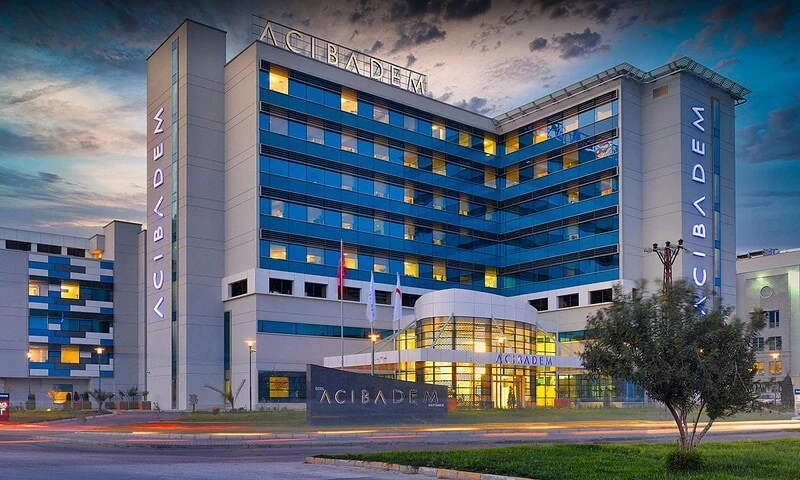
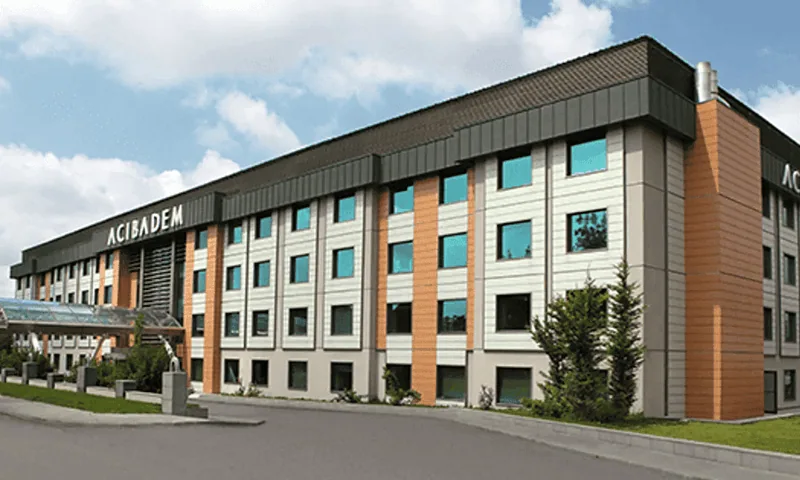
Available at These Hospitals










Frequently Asked Questions
What affects the cost of BBL and lipofilling?
Cost depends on the areas treated with liposuction, the amount of contouring required, fat transfer goals, hospital and anaesthesia fees, surgeon experience, garments, tests, medications, and aftercare. Travel, accommodation, and interpreter support can also affect the total plan for international patients.
How can I get a personalised quote?
A personalised quote is prepared after reviewing photos, medical history, desired outcome, donor fat availability, and any relevant test results. You can request a free consultation so the medical team can assess suitability and provide a tailored treatment plan.
Are package prices always comparable between countries?
Not always. Some packages include hospital stay, anaesthesia, garments, transfers, interpretation, and follow-up, while others list these separately. When comparing offers, ask exactly what is included and what may be charged separately.
Does a higher cost mean a better result?
Cost alone does not determine quality or safety. Important factors include surgeon training, experience with fat transfer, hospital accreditation, anaesthesia standards, infection control, postoperative monitoring, and clear communication about realistic outcomes.
Will I need to stay in Turkey after the procedure?
Most patients are advised to remain near the treating hospital for early checks and recovery guidance before travelling. The recommended stay depends on the surgical plan, healing progress, and the surgeon’s assessment.
Is BBL and lipofilling suitable for everyone?
No. Suitability depends on general health, body mass distribution, available donor fat, skin quality, smoking status, medications, and safety considerations. A specialist consultation is required to decide whether the procedure or an alternative option is appropriate.